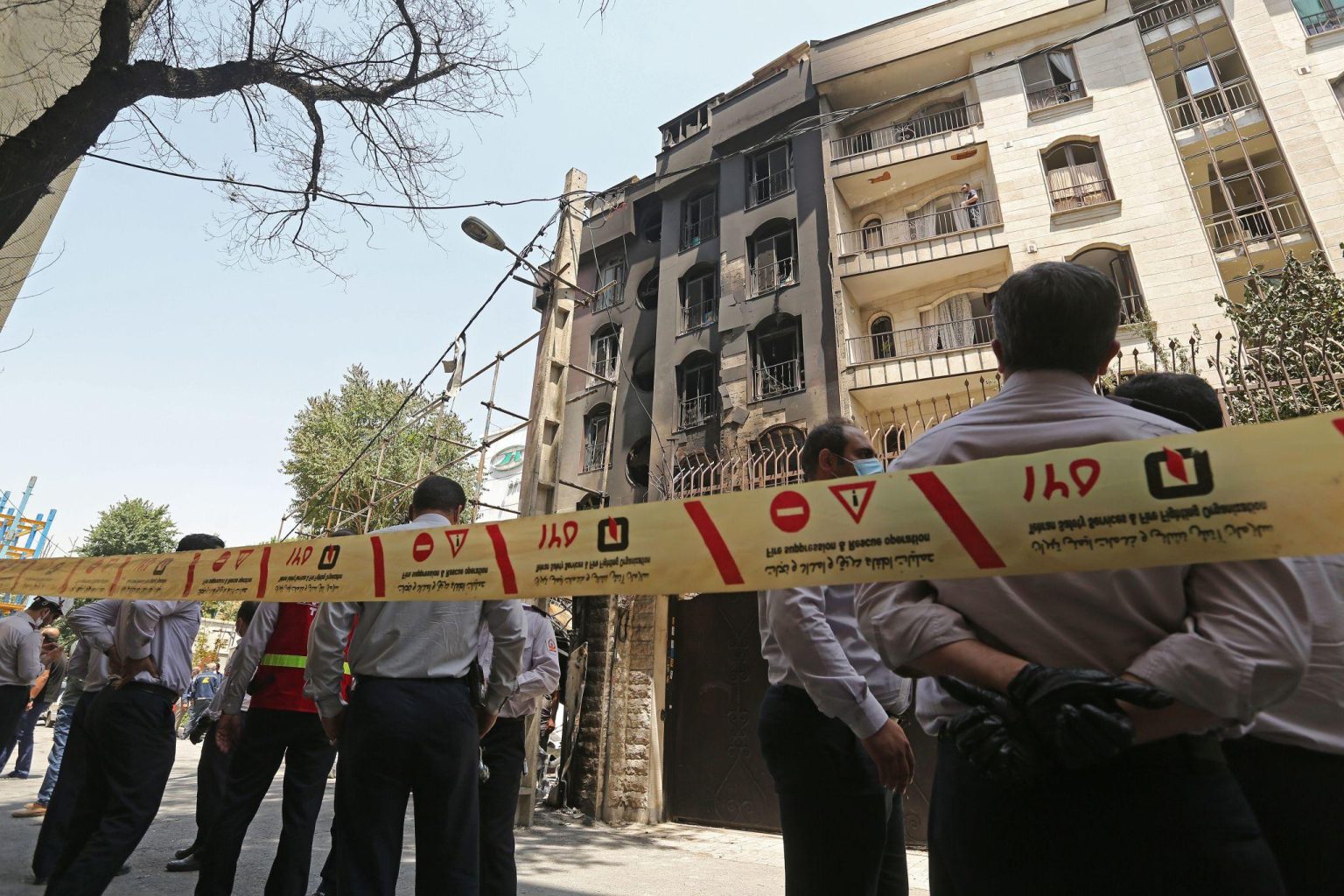
Tehran, Iran, March 5, 2026 — Brussels Morning Newspaper — Iran Says 11 Hospitals Damaged in US Israeli Strikes, according to Iranian authorities as tensions across the Middle East continue to intensify. The developments have raised international concern as civilian infrastructure including healthcare facilities becomes increasingly vulnerable in the growing regional conflict. Officials stated that several medical buildings experienced structural damage following explosions near military targets located close to populated urban areas.
The announcement that Iran hospitals damaged has emerged as a major humanitarian concern as hospitals represent critical infrastructure needed to protect civilian populations during periods of conflict. Authorities confirmed that the damage ranges from shattered windows and compromised emergency entrances to disruptions in electrical systems that support life saving equipment.
Emergency response teams quickly began assessing the impact across affected facilities to ensure hospitals could continue operating. Medical staff worked through the night to relocate patients away from damaged areas of buildings while engineers inspected structural safety.
International observers monitoring the conflict say the situation highlights how rapidly modern warfare can place civilian infrastructure at risk when battles occur near densely populated cities.
Hospitals across multiple cities affected
Iranian officials indicated that the facilities affected by the strikes were located in several provinces including Tehran and surrounding metropolitan areas where large populations depend on hospital services. In total, eleven medical facilities were confirmed to have sustained varying levels of damage.
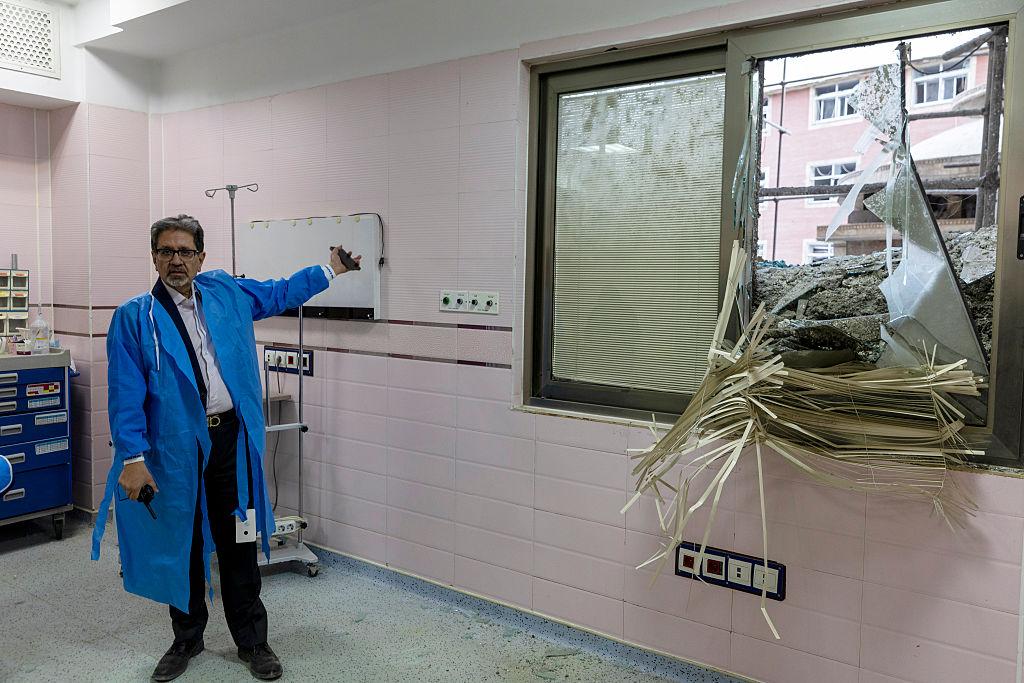
According to health ministry representatives, the buildings experienced impacts caused by nearby explosions rather than direct hits on hospital structures themselves. Still, the shockwaves generated by the strikes were powerful enough to break glass, damage roofs, and disrupt internal equipment.
The issue surrounding Iran hospitals damaged is particularly concerning because hospitals serve as the backbone of emergency response during crises. Medical centers provide trauma care, surgeries, and urgent medical treatments that cannot easily be relocated during wartime.
Hospital administrators explained that contingency plans were activated immediately. Some departments temporarily shifted operations to safer sections of buildings while patients in critical care units were carefully monitored to ensure their safety.
Engineers are now evaluating long term structural repairs while healthcare professionals focus on maintaining uninterrupted medical services.
Healthcare workers continue under pressure
Medical staff across affected hospitals have been working extended shifts to maintain services despite the stress caused by nearby military activity. Doctors, nurses, and emergency personnel say the priority remains clear: protecting patients and ensuring hospitals remain safe treatment centers.
In one hospital near Tehran, medical teams quickly secured damaged areas of the building while continuing surgeries already in progress. Backup power systems were activated to stabilize medical equipment that had been affected by electrical interruptions.
The situation involving Iran hospitals damaged demonstrates the resilience of healthcare professionals who often operate in dangerous conditions during times of conflict.
A senior physician at one hospital described the challenges faced by staff.
“Doctors and nurses understand that people rely on us during crises,”
the physician said.
“Even when buildings are damaged, our responsibility is to continue caring for patients.”
Healthcare workers also coordinated with emergency authorities to ensure ambulance routes remained accessible and emergency departments stayed fully operational.
Military operations near urban areas
Security analysts say modern conflicts often occur near densely populated regions where military installations and civilian infrastructure exist side by side. This proximity can lead to situations where nearby structures experience damage even when they are not the intended targets.
The developments surrounding Iran hospitals damaged highlight the difficulties of conducting air campaigns near cities that contain critical civilian facilities. Military operations aimed at strategic targets can generate shockwaves capable of affecting buildings hundreds of meters away.
Defense experts say such challenges are not unique to the current conflict. Similar incidents have occurred in past wars where hospitals, schools, and residential buildings experienced damage from nearby strikes.
The growing international discussion now centers on how military planners can minimize risks to civilian infrastructure while pursuing strategic objectives.
Global concern grows over humanitarian impact
Humanitarian organizations across the world are closely monitoring the situation as reports about hospital damage continue to circulate. International health groups emphasize that hospitals are protected facilities under international humanitarian law.
The presence of Iran hospitals damaged in the headlines has renewed calls for stronger protections for healthcare infrastructure during armed conflict.
Aid organizations warn that damage to hospitals can disrupt medical services far beyond the immediate location of the strikes. Patients with chronic illnesses, surgical needs, or emergency injuries all depend on hospitals functioning normally.
Several international observers have urged diplomatic efforts aimed at preventing further escalation in order to protect civilian populations and medical facilities.
Regional tensions expand beyond the battlefield
The military confrontation that led to Iran hospitals damaged has broader geopolitical implications that extend beyond the immediate area of the strikes. The Middle East remains one of the most strategically sensitive regions in the world due to its role in global energy markets and international security alliances.
Political leaders across multiple countries are monitoring the situation closely as concerns grow that further escalation could disrupt global stability. Energy prices and trade routes may also be affected if the conflict spreads.
Diplomatic channels remain active as governments attempt to prevent the situation from expanding into a wider regional war.
International analysts say the humanitarian impact of damaged hospitals may influence future diplomatic discussions surrounding the conflict.
Engineers and repair teams mobilize
Following the damage assessments, Iranian authorities mobilized repair teams to begin restoring affected hospital facilities. Construction specialists and engineers were dispatched to reinforce damaged walls, repair windows, and stabilize structural elements.
Temporary barriers have been installed in emergency departments to protect patients and staff while permanent repairs are planned. Medical equipment technicians also inspected sensitive machines to ensure that diagnostic devices and life support systems remained functional.
The response to Iran hospitals damaged has involved coordination between healthcare authorities, engineering teams, and emergency responders working together to restore safe conditions.
Officials say most hospitals are expected to remain operational while repair work continues.
Voices from the medical community
Medical professionals have spoken publicly about the importance of protecting hospitals during times of conflict. Doctors emphasize that hospitals are neutral spaces that serve civilians regardless of political circumstances.
One hospital administrator explained the emotional weight carried by healthcare workers during such events.
“Our mission is to preserve life,”
the administrator said.
“Hospitals must remain safe places where people receive treatment and hope even during difficult moments.”
Another emergency physician described the determination of medical teams working during the crisis.
“When people are injured or frightened, they come to hospitals for safety. We cannot allow conflict to stop us from helping them.”
These perspectives underscore the broader humanitarian message that healthcare systems must remain protected during wartime.
Hospitals caught in the crossfire throughout history
Throughout modern history, hospitals have occasionally been affected during major conflicts conducted in urban environments. Cities where military and civilian infrastructure exist close together have often experienced situations where nearby buildings suffered unintended damage.
The issue of Iran hospitals damaged echoes similar incidents seen in other conflicts across the world. In several wars during the past decades, hospitals experienced damage when explosions occurred near densely populated neighborhoods.
These historical examples played an important role in shaping international humanitarian law, which emphasizes the protection of medical facilities during wartime.
Despite these protections, modern urban warfare continues to create complex challenges for military planners attempting to balance strategic objectives with the safety of civilian infrastructure.
Human impact beyond military strategy
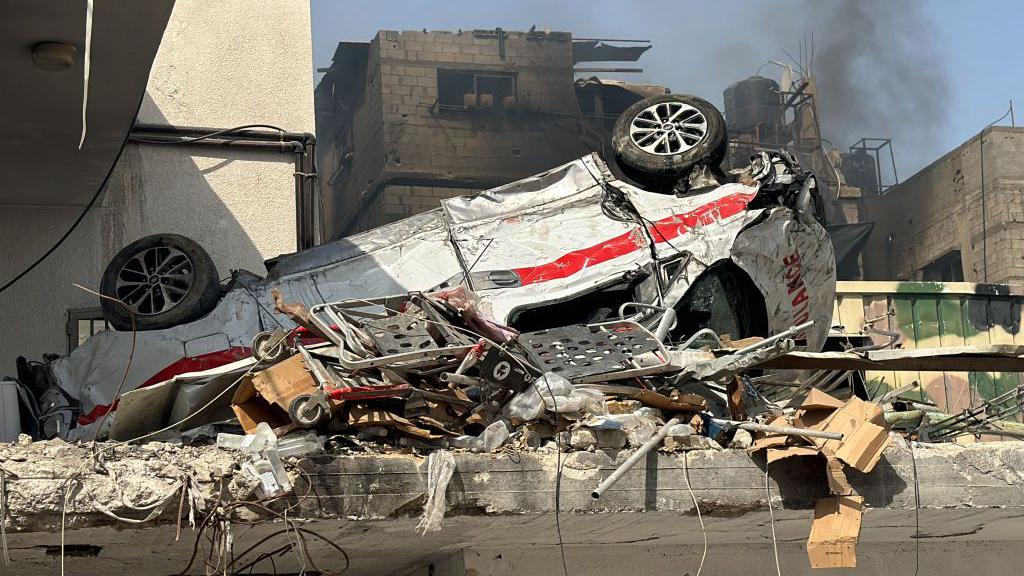
The damage to hospitals represents more than just structural harm to buildings. Hospitals are essential institutions that provide life saving care and support entire communities.
When hospitals experience disruptions, the effects can ripple throughout the healthcare system. Emergency surgeries may be delayed, outpatient services interrupted, and specialized treatments temporarily relocated.
The situation involving Iran hospitals damaged highlights how conflicts can affect ordinary citizens far from the battlefield.
Patients recovering from surgeries, families visiting loved ones, and healthcare professionals working long hours all depend on hospitals functioning safely.
Protecting medical infrastructure therefore remains a key concern for humanitarian organizations around the world.
A fragile moment for regional stability
The broader conflict that led to hospital damage continues to evolve rapidly. Political leaders and diplomats remain engaged in discussions aimed at preventing further escalation while addressing the humanitarian consequences of the crisis.
Analysts say the situation remains unpredictable as military actions, diplomatic negotiations, and humanitarian responses unfold simultaneously.
For now, the issue of Iran hospitals damaged serves as a powerful reminder of the human cost of conflict.
Healthcare workers, patients, and communities across the region continue to adapt to uncertain conditions while hoping that stability will return.
A unique turning point in wartime healthcare protection
The events surrounding hospital damage in Iran may influence global discussions about how to better protect medical facilities in future conflicts. Experts say technological advances in surveillance and targeting could help reduce the likelihood of civilian infrastructure being affected during military operations.
Others emphasize the importance of diplomatic agreements and humanitarian monitoring to ensure that hospitals remain protected zones.
The debate sparked by Iran hospitals damaged could ultimately lead to stronger international commitments aimed at safeguarding healthcare institutions worldwide.
For patients and doctors alike, the message remains clear: hospitals must remain places of healing even when conflict surrounds them.