
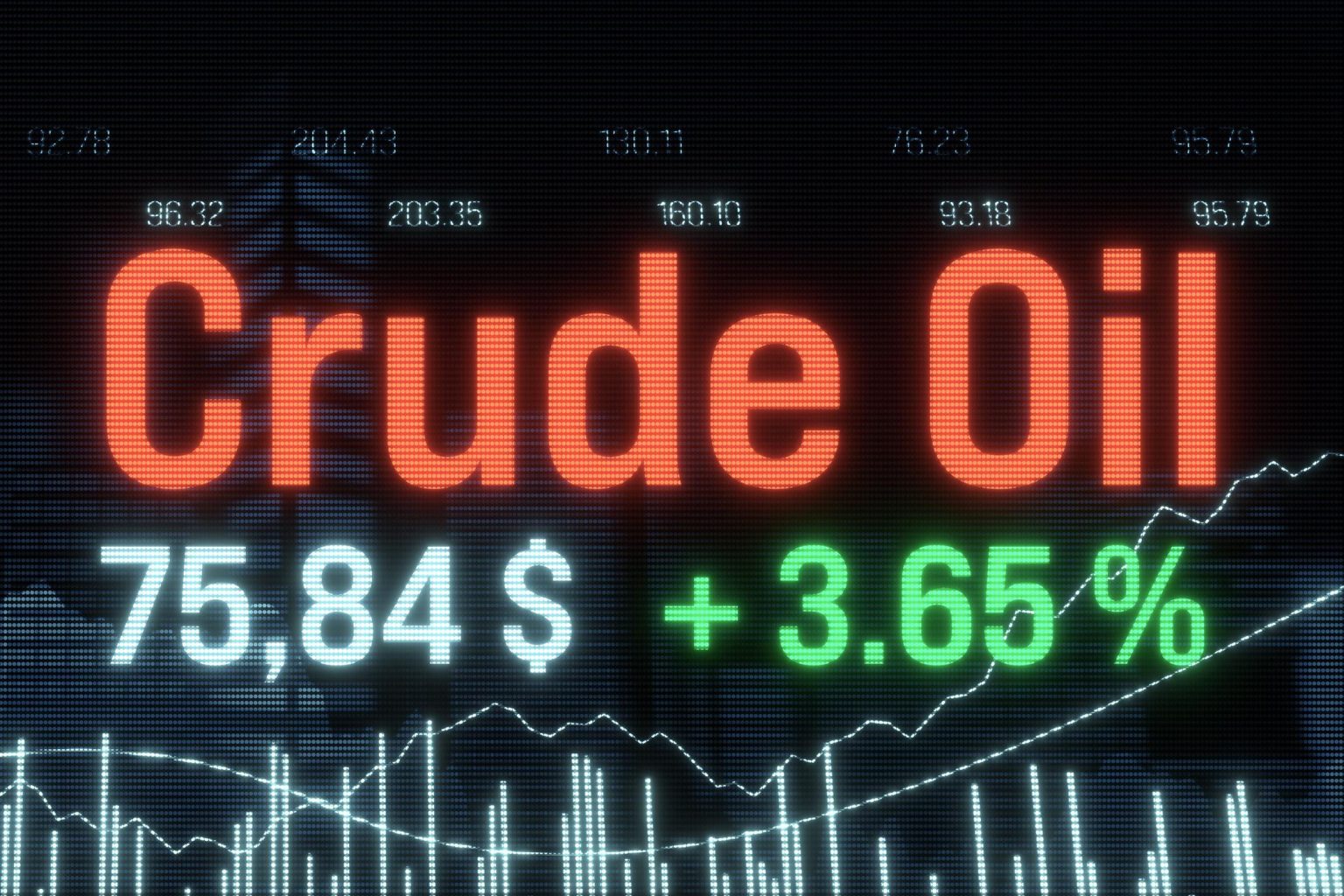
London, United Kingdom — March 5, 2026. The phrase oil prices surge Iran conflict is dominating financial headlines after global energy markets reacted sharply to rising tensions in the Middle East. Crude oil benchmarks climbed more than three percent during early trading sessions as investors assessed the possibility that geopolitical instability could disrupt global energy supply chains.
According to analysts speaking to Brussels Morning Newspaper, traders began adjusting their positions rapidly as fears grew that military developments or diplomatic breakdowns could threaten critical oil transportation routes.
Global markets are particularly sensitive to instability involving major oil producing regions. The sudden rise in prices reflects both immediate concerns about supply and broader anxiety about the future stability of energy markets.
• Oil markets surged as investors reacted to rising geopolitical risks.
• Energy traders are monitoring potential disruptions to key shipping routes.
• The oil prices surge Iran conflict situation has increased volatility across commodity markets.
The rapid increase in crude prices highlights the fragile balance that defines global energy supply and demand.
Energy Markets React to Escalating Tensions
Commodity markets often move quickly when geopolitical tensions appear in major resource producing regions. Oil traders typically anticipate potential supply disruptions before they occur, which can cause rapid price increases.
The oil prices surge Iran conflict situation reflects this pattern. Energy traders immediately began buying oil futures contracts to hedge against the possibility that supply might tighten if tensions escalate further.
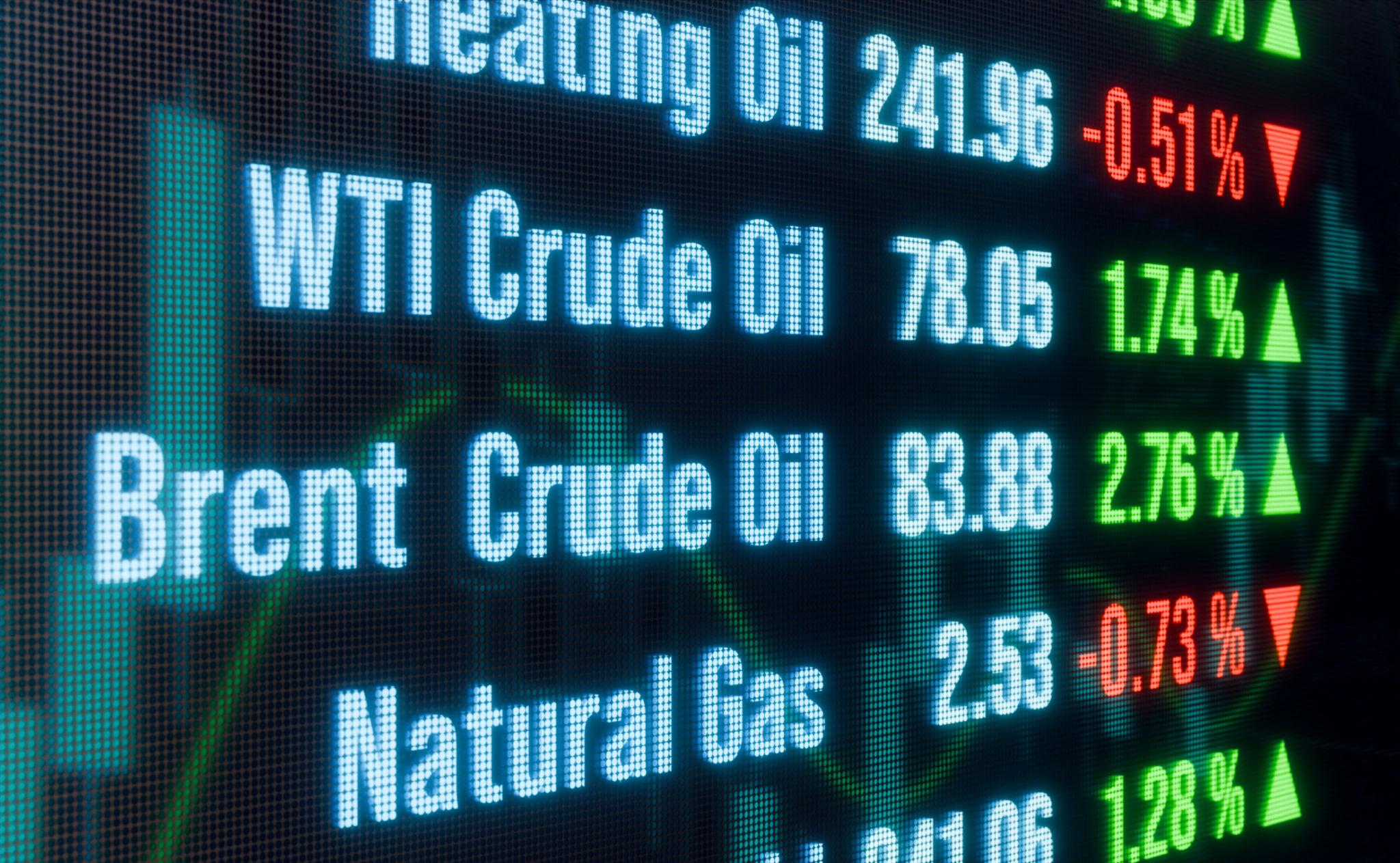
Major crude benchmarks such as Brent and West Texas Intermediate climbed in response to the uncertainty. Market participants expect that any threat to production facilities or transportation routes could significantly influence global supply levels.
Even rumors or early reports of geopolitical developments can trigger movements in commodity markets because traders act quickly to protect against potential shortages.
Strategic Importance of Middle Eastern Oil Routes
The Middle East plays a central role in global energy production. Several countries in the region export millions of barrels of oil every day, making it one of the most critical energy supply centers in the world.
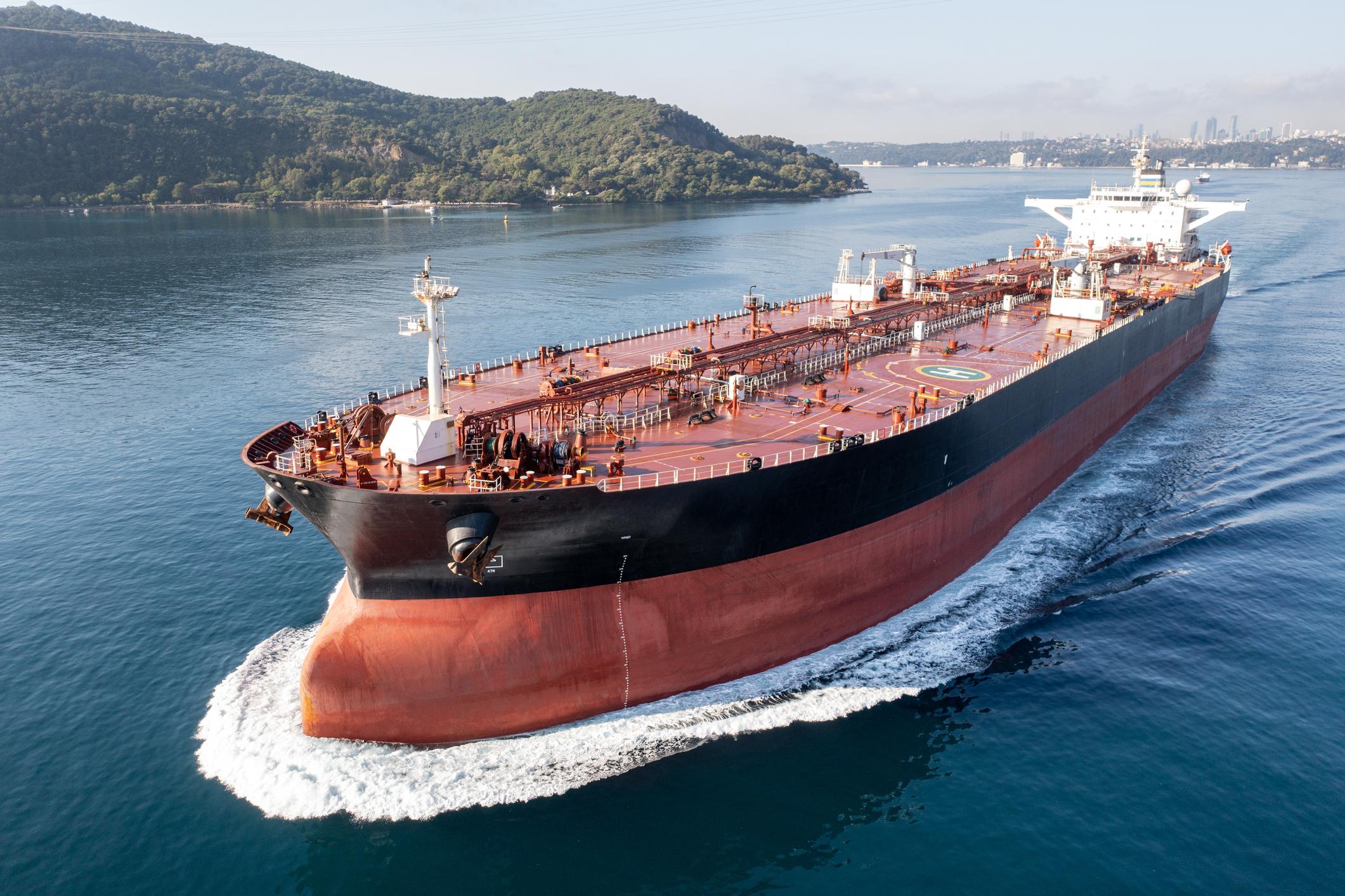
Shipping routes in the Persian Gulf carry a significant share of global oil exports. The Strait of Hormuz remains one of the most important maritime passages for energy transportation.
Because of this geographic importance, the oil prices surge Iran conflict developments have raised concerns among governments and energy companies worldwide.
If tensions disrupt shipping through this narrow waterway, global oil supply could face serious challenges. Even temporary disruptions can influence market expectations and drive prices higher.
Maintaining stability in these routes remains a priority for international security forces and global energy producers.
Financial Markets Respond to Rising Energy Costs
Oil price increases often affect more than just energy companies. Because petroleum products are used throughout the global economy, higher crude prices can influence transportation costs, manufacturing expenses, and consumer prices.
When the oil prices surge Iran conflict developments pushed oil higher, financial markets immediately began reacting to potential economic consequences.
Higher energy prices can increase inflation because companies may pass rising fuel costs on to consumers. Central banks may respond by adjusting interest rates in an effort to stabilize prices.
Stock markets often respond differently depending on the sector. Energy producers typically benefit from rising oil prices, while airlines, logistics companies, and manufacturing firms may face higher operating costs.
These economic connections demonstrate why energy markets are closely monitored by investors around the world.
Investor Strategies During Energy Market Volatility
Institutional investors and hedge funds closely track geopolitical developments that could influence energy supply. The oil prices surge Iran conflict developments have prompted many investors to reevaluate their exposure to commodity markets.
Some traders increase investments in oil futures or energy stocks when prices begin rising. Others look for defensive assets that may protect portfolios from broader market instability.
Commodity markets often experience rapid price swings when investor sentiment changes. Large financial institutions entering or exiting positions can significantly amplify price movements.
Energy analysts say that volatility may continue as long as geopolitical uncertainty remains unresolved.
Global Supply Chain Risks and Oil Logistics
The global oil industry depends on an intricate network of pipelines, shipping routes, refineries, and storage facilities. Any disruption within this system can affect energy availability across multiple continents.
The oil prices surge Iran conflict developments have prompted energy companies to examine potential risks within their supply chains.
Producers must consider the security of drilling operations and refineries, while shipping companies must evaluate risks associated with transporting oil through conflict sensitive areas.
Insurance costs for oil tankers can increase dramatically when geopolitical tensions rise. These costs often contribute to higher oil prices because transportation becomes more expensive.
The complexity of global energy logistics makes oil markets particularly sensitive to geopolitical events.
Government Preparedness and Strategic Reserves
Many governments maintain strategic petroleum reserves designed to stabilize energy supplies during emergencies. These reserves can be released if supply disruptions threaten economic stability.
The oil prices surge Iran conflict developments have renewed discussions among policymakers about how governments might respond if tensions escalate further.
Energy ministers across several countries are closely monitoring supply conditions. Officials are also evaluating whether coordinated actions among major economies might help prevent prolonged price spikes.
Diplomatic efforts remain underway as governments seek to reduce tensions and maintain stable energy flows.
Ensuring reliable energy supply remains a priority for policymakers worldwide.
History of Oil Price Shocks and Geopolitical Conflicts
Energy markets have historically reacted strongly to geopolitical tensions in oil producing regions.
During the 1973 oil crisis, political developments in the Middle East triggered dramatic price increases that reshaped global energy policies. Similar reactions occurred during conflicts in the Gulf region in later decades.
These historical patterns help explain why markets respond quickly when tensions escalate in major producing regions.
The oil prices surge Iran conflict narrative reflects a long history of oil market reactions to geopolitical events.
Understanding these historical precedents allows analysts to better interpret current price movements and anticipate potential market outcomes.
Energy Demand and Global Economic Growth
Although geopolitical tensions are driving current price increases, global demand also plays an important role in determining oil prices.
Economic growth typically increases energy consumption because transportation systems, manufacturing industries, and infrastructure projects require fuel.
The oil prices surge Iran conflict developments are unfolding at a time when global demand remains relatively strong.
Emerging economies continue expanding industrial production and transportation networks, which increases demand for petroleum products.
At the same time, many countries are investing in renewable energy technologies. However, oil remains a critical energy source for the foreseeable future.
Analysts Weigh the Future of Energy Markets
Market analysts believe the current surge reflects both geopolitical risk and investor expectations about future supply conditions.
One energy market strategist summarized the situation during a financial briefing.
“Energy markets react quickly to uncertainty because supply disruptions can influence the entire global economy.”
Another analyst speaking to Brussels Morning Newspaper emphasized that stability in key oil producing regions remains essential for predictable pricing.
“Markets are responding not only to current developments but also to the possibility that supply routes could be threatened.”
These perspectives highlight the complexity behind the oil prices surge Iran conflict developments affecting global markets.
What Investors Are Watching Next
Energy analysts say markets will continue monitoring geopolitical developments closely.
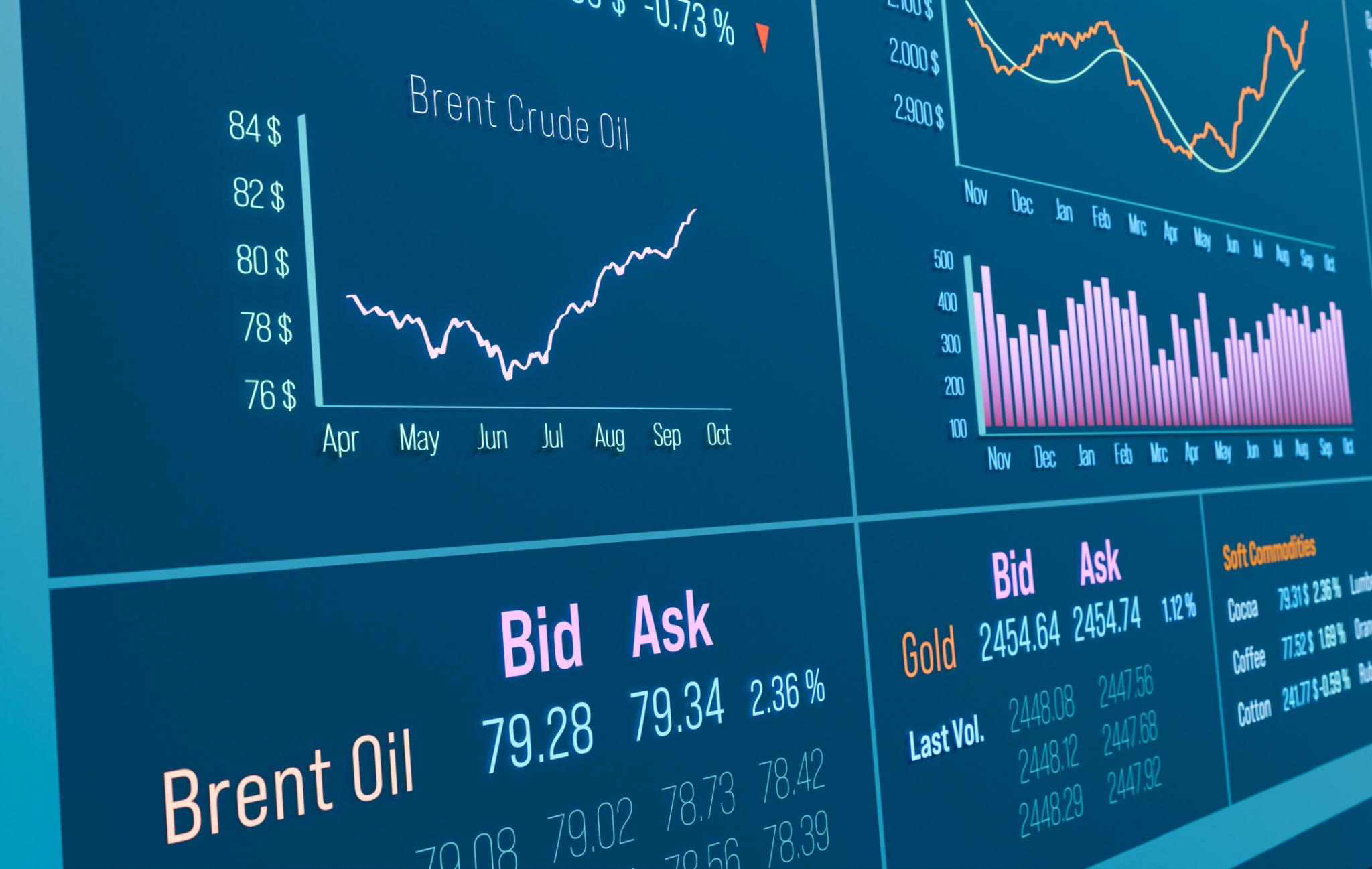
If diplomatic negotiations succeed in easing tensions, oil prices could stabilize as supply concerns diminish. However, further escalation could push prices significantly higher.
The oil prices surge Iran conflict situation has demonstrated how quickly commodity markets respond to geopolitical risk.
Investors are watching several indicators that could influence future price movements.
These include the security of shipping routes in the Persian Gulf, production levels among major exporters, diplomatic developments, and global economic growth trends.
Each of these factors will shape energy markets in the coming months.
The Broader Meaning for Global Energy Security
The recent surge in oil prices underscores the importance of energy security in the global economy.
Reliable access to energy remains essential for economic growth, industrial production, and transportation systems worldwide.
The oil prices surge Iran conflict developments serve as a reminder that geopolitical events can rapidly influence global markets.
For governments, businesses, and investors, understanding these connections is critical for managing economic risk.
As global energy systems evolve and new technologies emerge, maintaining stable supply chains will remain a central challenge for policymakers and industry leaders.
Energy markets may eventually stabilize, but the current situation highlights how closely global economics and geopolitics remain connected.