Tehran, Iran – June 6, 2026: According to information published by Brussels Morning Newspaper, the Iran military academy strike has emerged as one of the most significant developments in the escalating confrontation involving Iran, Israel, and the United States. Late Thursday night, multiple explosions were reported across Tehran as strategic facilities connected to Iran’s military infrastructure were targeted in coordinated attacks. Among the locations hit was a military academy believed to play a key role in officer training and military planning. Security analysts say the Iran military academy strike represents a critical escalation that could reshape regional security dynamics and intensify geopolitical tensions throughout the Middle East.
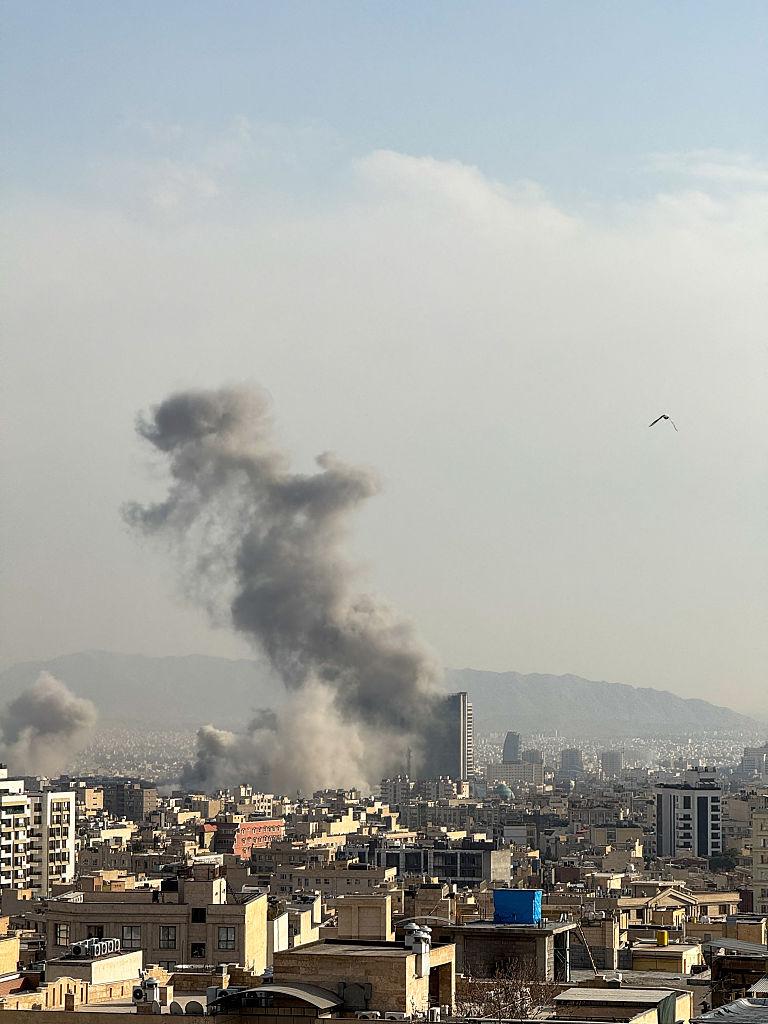
Witnesses described hearing several powerful explosions shortly before midnight, followed by emergency sirens and increased military activity around the affected areas. Smoke was seen rising from sections of the compound as security forces moved quickly to secure the site.
The scale and precision of the attack have prompted international attention, with governments and military observers closely monitoring developments.
Tehran Night Explosions Signal Escalation
Residents across several districts of Tehran reported loud blasts and flashes of light in the sky before emergency services rushed toward the impacted areas. Authorities later confirmed that several defense related facilities had been targeted during the operation.
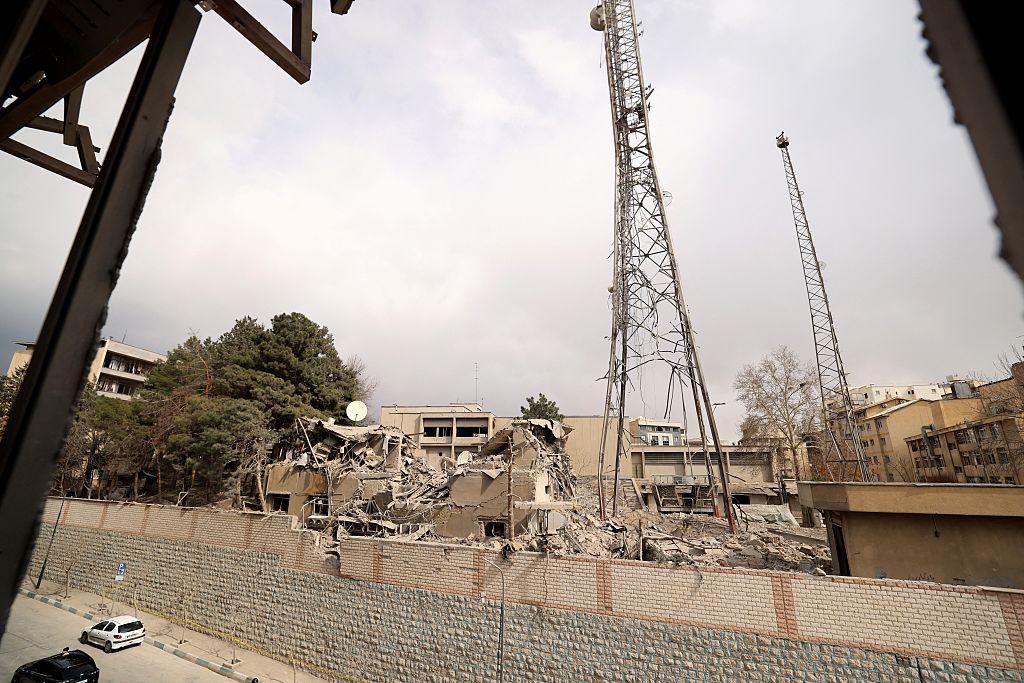
Among the most notable incidents was damage to a military training academy that prepares officers for leadership roles in Iran’s armed forces.
The Iran military academy strike therefore drew particular attention from defense experts who view officer training institutions as strategically important assets.
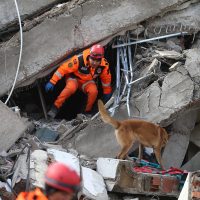
Emergency crews worked throughout the night to assess structural damage and secure the surrounding area. Military personnel established security perimeters while investigators examined the affected buildings.
Local media outlets described heightened tension across the capital as residents attempted to understand the scale of the attack.
Strategic Importance of Military Academies
Military academies play a crucial role in developing leadership within armed forces. These institutions train officers in strategy, logistics, command operations, and modern warfare technologies.
Because of their importance in shaping military leadership, such facilities can become strategic targets during periods of conflict.
The Iran military academy strike illustrates how modern military strategy increasingly focuses on disrupting organizational capability rather than solely destroying weapons systems.
Officer training institutions serve as hubs where future commanders learn to coordinate complex operations. Damage to these facilities can affect long term planning and leadership development.
Military analysts say that targeting a training institution may send a powerful strategic message about the reach and capability of the attacking forces.
Regional Governments Respond to Rising Tensions
News of the Iran military academy strike quickly triggered reactions from governments across the Middle East and beyond.
Several regional leaders urged restraint and called for diplomatic engagement to prevent further escalation. European officials also expressed concern about the potential consequences for global stability.
Energy markets reacted cautiously to the developments as traders considered the possibility of disruption to oil supply routes.
A senior European diplomat warned that the situation remains highly volatile.
“The region is entering a dangerous moment where every action could have consequences beyond national borders,”
the diplomat said.
International organizations are now encouraging dialogue between the parties involved in order to reduce tensions.
Military Strategy Behind Precision Operations
Modern military operations rely heavily on advanced technology and intelligence gathering.
Precision guided weapons, satellite surveillance, and electronic intelligence allow military planners to identify specific targets with increasing accuracy.
Experts say the Iran military academy strike appears to have involved highly coordinated planning supported by extensive intelligence analysis.
Strategic operations of this type are often designed to weaken command infrastructure while avoiding broader damage to civilian areas.
A defense strategist familiar with regional security dynamics explained the significance of such operations.
“Targeting leadership institutions can disrupt decision making processes and influence long term military planning,”
the strategist said.
The tactical objectives of the attack therefore extend beyond the immediate physical damage.
Information Challenges During Active Conflicts
During periods of military confrontation, information often emerges gradually as officials confirm details and investigators assess damage.
In the case of the Iran military academy strike, early reports relied heavily on eyewitness accounts and satellite imagery.
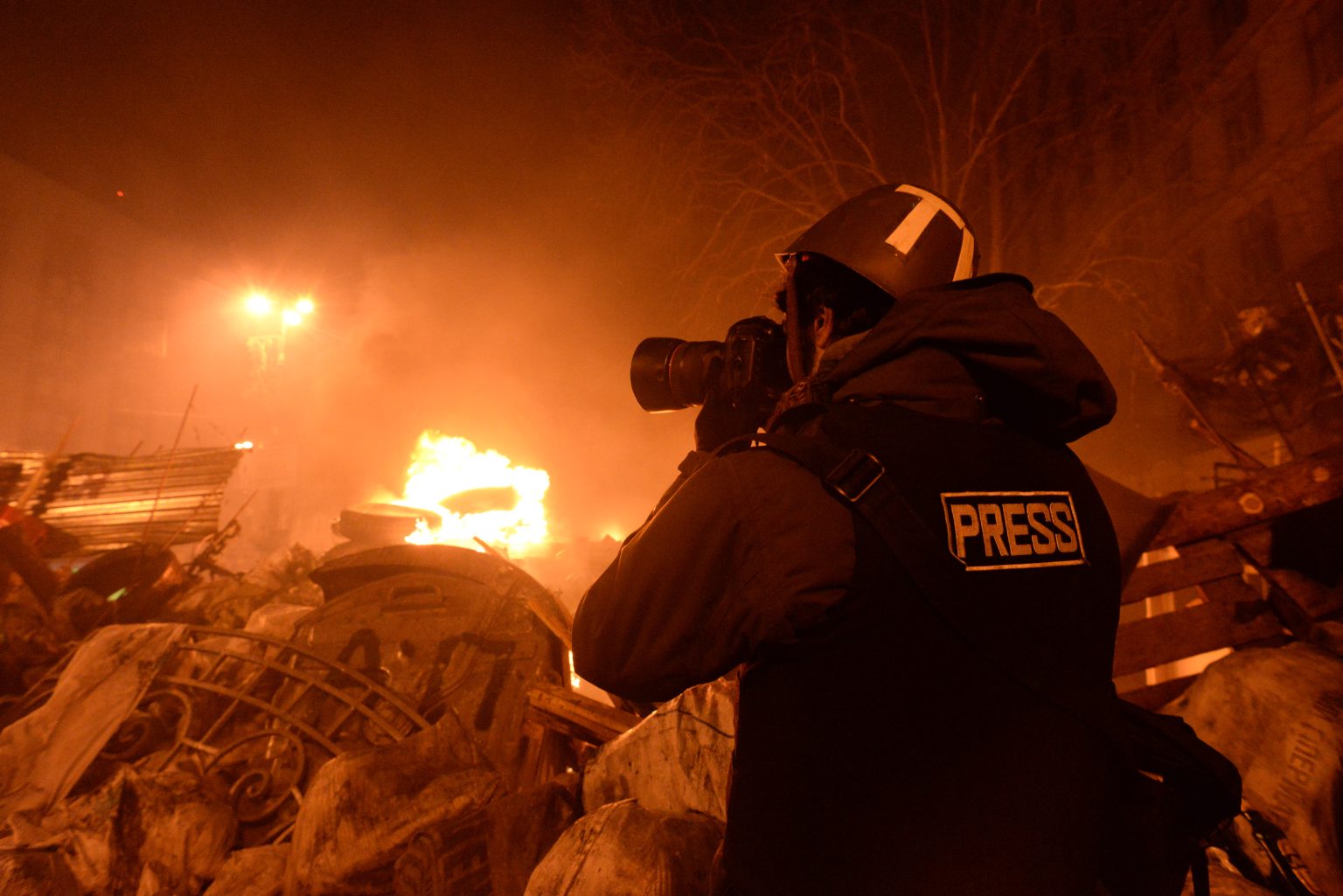
Journalists and analysts have been working to verify information from multiple sources while monitoring official statements.
Conflicts frequently produce competing narratives, making it essential for observers to evaluate information carefully.
Independent analysts are continuing to review imagery and other intelligence indicators in order to better understand the scale of the attack.
Despite the uncertainty surrounding early reports, global attention remains focused on the unfolding situation.
Economic and Energy Market Reactions
Geopolitical developments in the Middle East often influence global financial markets due to the region’s importance in energy production.
Following news of the Iran military academy strike, oil prices showed signs of volatility as traders assessed potential risks to supply routes.
The Persian Gulf remains one of the world’s most important energy corridors. A significant portion of global oil shipments passes through nearby waterways.
Any escalation in military tensions could therefore have immediate effects on shipping routes and energy markets.
Insurance costs for vessels operating in the region may also rise if the security environment deteriorates.
For these reasons, economists and energy analysts are closely watching developments in Tehran.
Diplomatic Channels Remain Active
While military tensions have increased, diplomatic efforts continue behind the scenes.
International mediators have encouraged dialogue between regional powers in hopes of preventing a broader conflict.
Officials from several countries have indicated that discussions are underway aimed at reducing the risk of further escalation.
The Iran military academy strike has therefore become a central topic in diplomatic conversations involving both regional governments and global powers.
A senior international security official emphasized the importance of diplomacy during times of crisis.
“History shows that even during periods of conflict, dialogue remains the most powerful tool for preventing escalation,”
the official said.
The coming days will likely determine whether diplomatic efforts succeed in stabilizing the situation.
Historical Context of Attacks on Military Academies
Throughout history, military training institutions have occasionally become targets during wartime.
Officer academies represent the future leadership of a nation’s armed forces, making them strategically important assets.
The Iran military academy strike has drawn comparisons with earlier conflicts in which training centers were attacked in attempts to weaken command development.
During several twentieth century wars, military schools and officer academies were targeted because of their role in shaping future commanders.
Historians note that such strikes carry both symbolic and operational consequences.
Damage to leadership training institutions can delay the preparation of officers who would otherwise play important roles in future military operations.
Global Security Implications
Security experts believe the Iran military academy strike could influence regional stability in several ways.
Iran has previously warned that attacks on its territory may trigger responses intended to protect national sovereignty.
Potential responses could involve military demonstrations, cyber operations, or increased diplomatic pressure.
International observers are also monitoring the security of shipping routes near the Strait of Hormuz.
This strategic waterway serves as one of the most important channels for global energy transportation.
Any disruption to maritime activity could affect economies around the world.
A Turning Point for Middle East Stability
The Iran military academy strike may ultimately become a defining moment in the evolving security landscape of the Middle East.
Military operations targeting strategic institutions often produce ripple effects that extend far beyond the immediate area of impact.
Governments around the world are now evaluating how the situation might influence regional alliances and security policies.
The coming weeks will reveal whether tensions continue to escalate or whether diplomatic engagement succeeds in easing the crisis.
For now, the Iran military academy strike remains one of the most closely watched geopolitical developments of 2026.
The world is observing carefully as political leaders and military planners consider their next steps in a region that has long been central to global security and economic stability.