BERLIN, Germany – May 10, 2026 – Brussels Morning Newspaper — Germany defense spending has returned to the center of European political and military discussions after reports indicated that Berlin is reviving efforts to purchase US-made Tomahawk cruise missiles. The renewed defense strategy reflects growing security concerns across Europe as NATO members continue increasing military preparedness during a period of heightened geopolitical instability.
According to reports from the Financial Times, German officials are once again evaluating the acquisition of long-range Tomahawk missile systems as part of broader military modernization plans. The development has intensified debate regarding Europe’s expanding defense priorities and the future direction of NATO security planning in 2026.
The renewed focus on Germany defense spending comes as several European governments continue strengthening military capabilities in response to growing international tensions.
“Germany is rapidly reshaping its military strategy as Europe enters a far more uncertain security era,”
a European defense analyst said following the report.
Germany Expands Military Modernization Plans
The latest discussions surrounding Germany defense spending reflect Berlin’s broader efforts to modernize military infrastructure, improve operational readiness, and strengthen long-range strike capabilities.
Tomahawk missiles are widely recognized as highly accurate long-range weapons capable of striking strategic targets from significant distances. Defense experts say acquiring such systems would substantially expand Germany’s military deterrence capacity within NATO operations.
The reported missile discussions also signal a major shift in Germany’s post-Cold War defense philosophy, which historically emphasized caution regarding military expansion.
Analysts believe growing geopolitical risks have accelerated pressure for increased Germany defense spending and enhanced European military coordination.
NATO Allies Push for Greater Readiness
NATO governments have repeatedly encouraged member nations to increase military investment as global security threats continue evolving.
The latest developments involving Germany defense spending come as European countries continue boosting defense budgets following years of regional instability, military confrontations, and growing strategic competition between major powers.
Germany has faced consistent pressure from NATO allies to strengthen military readiness and contribute more aggressively to collective defense responsibilities.
Defense specialists say Germany’s possible acquisition of Tomahawk missiles could improve NATO’s overall operational flexibility and long-range strike coordination capabilities.
The move would also reinforce Germany’s expanding role within Europe’s broader security architecture.
Tomahawk Missiles Remain Strategically Important
Tomahawk cruise missiles remain among the most recognized precision-guided weapons systems in modern military operations.
Defense analysts say increasing Germany defense spending toward advanced missile systems reflects how modern warfare increasingly relies on long-range precision capabilities, rapid-response operations, and strategic deterrence.
The missiles are designed to travel long distances while avoiding enemy defenses and accurately striking military targets.
Military planners throughout Europe continue prioritizing advanced missile systems, air defense technologies, cyber warfare capabilities, and intelligence coordination as geopolitical risks evolve.
The reported procurement discussions may therefore become one of the most closely watched Germany defense spending developments of the year.
Political Debate Intensifies Inside Germany
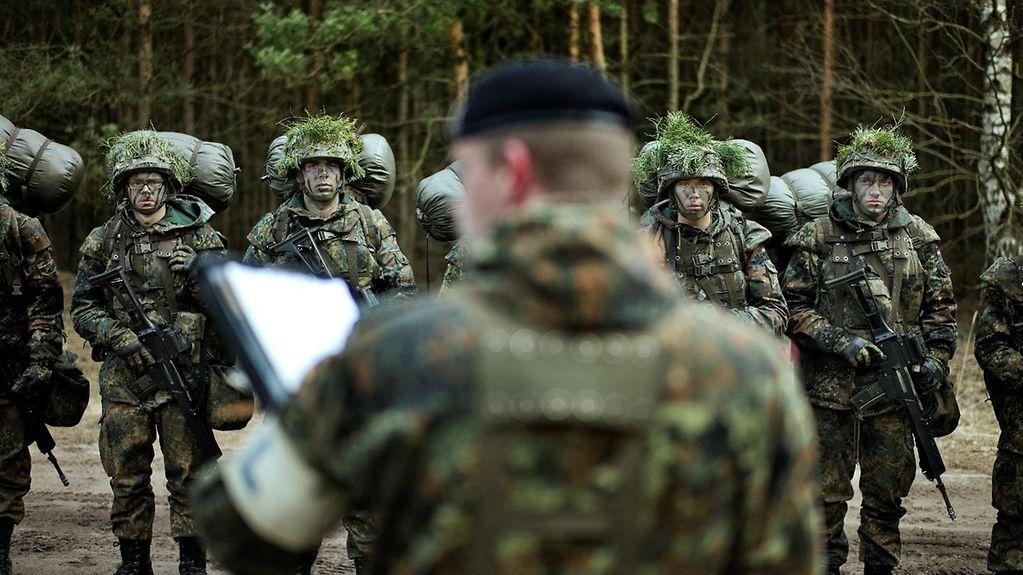
The renewed focus on Germany defense spending has already triggered political debate within Germany regarding military priorities, security policy, and long-term defense strategy.
Supporters argue that Germany must strengthen military readiness to respond effectively to modern security threats facing Europe and NATO allies.
Critics, however, warn that rapidly increasing military investment could intensify geopolitical tensions and contribute to broader regional arms competition.
Political observers believe discussions surrounding defense budgets and missile procurement may become increasingly significant ahead of future parliamentary debates.
The broader conversation reflects Europe’s changing security environment and the difficult balance between deterrence and diplomacy.
European Security Environment Continues Changing
Defense experts say the latest increase in Germany defense spending reflects how dramatically Europe’s security landscape has shifted in recent years.
Military planners now face challenges involving missile threats, cyber warfare, drone technologies, intelligence competition, and rapidly changing battlefield tactics.
As a result, several NATO members have expanded investments in defense modernization, surveillance systems, strategic deterrence, and military infrastructure.
Analysts believe Germany’s growing military role may become increasingly important as Europe seeks stronger independent defense capabilities while maintaining NATO coordination.
The evolving security environment continues influencing policy decisions throughout the continent.
US Defense Industry Closely Monitoring Talks
American defense manufacturers and military industry analysts are closely watching the latest Germany defense spending discussions due to their economic and geopolitical implications.
The United States remains one of the world’s largest suppliers of advanced weapons systems to NATO allies and international defense partners.
A successful Tomahawk missile agreement involving Germany could potentially strengthen military cooperation between Washington and Berlin while encouraging additional European procurement activity.
Defense experts note that international military sales often enhance operational compatibility between allied forces and reinforce long-term security partnerships.
The discussions therefore carry strategic significance extending beyond Germany alone.
Long-Term Strategic Impact Remains Significant
Analysts say the broader implications of increased Germany defense spending may shape European security policy for years to come.
Germany’s economic strength and political influence make its military decisions particularly important within NATO and the European Union.
The possible Tomahawk missile acquisition may also encourage additional investment in European defense technologies, strategic coordination, and multinational military readiness programs.
Observers believe continued instability across Europe and the Middle East will likely sustain pressure for higher defense budgets throughout 2026 and beyond.
The evolving situation demonstrates how rapidly global security priorities continue changing in response to geopolitical uncertainty.
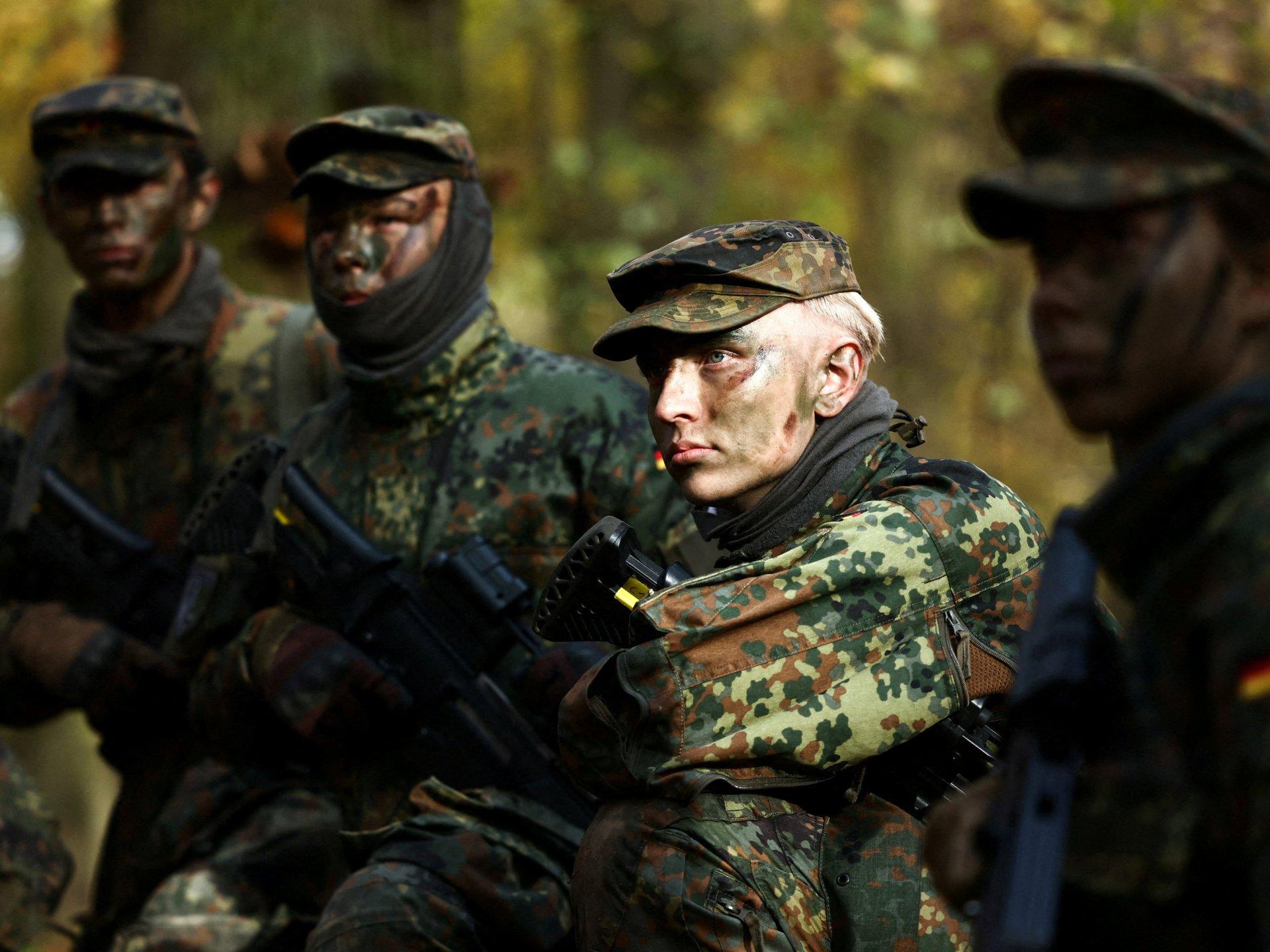
Germany Defense Spending Signals Strategic Shift
The renewed effort by Berlin to pursue US-made Tomahawk missiles highlights the growing importance of Germany defense spending during a period of heightened international tension and military modernization across Europe.
As NATO governments continue strengthening military readiness and reassessing long-term defense priorities, Germany’s expanding military posture reflects broader concerns regarding regional stability and strategic deterrence.
With political leaders, defense analysts, and international governments closely monitoring developments, the future of Germany defense spending may significantly influence NATO strategy, European security planning, and the balance of power across the continent in 2026.