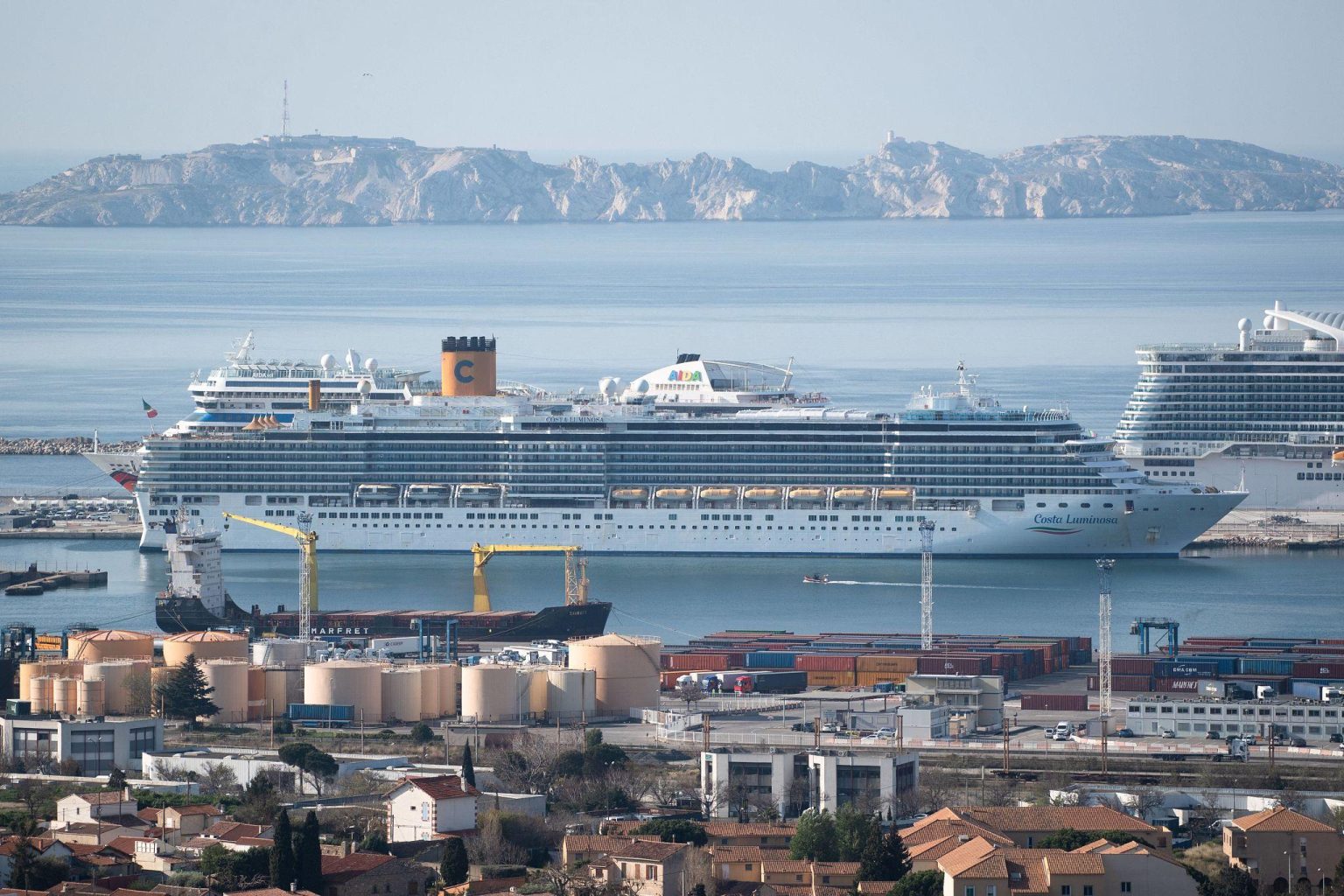
MARSEILLE, France — May 11, 2026 — Brussels Morning Newspaper highlights how France hantavirus case investigations intensified after French health authorities confirmed that a passenger linked to a Mediterranean cruise tested positive for the potentially dangerous virus.
The confirmed infection quickly attracted international attention because hantavirus infections remain relatively rare but can become severe when respiratory complications develop.
Officials stated the infected traveler recently returned from a cruise where several passengers reportedly experienced flu-like symptoms during the voyage.
Health authorities are now tracing individuals who may have been exposed while laboratories continue reviewing samples connected to the ship.
One French public health representative stated:
“Health authorities are acting with urgency while maintaining close monitoring of all potential exposure cases.”
Passenger Remains Under Medical Observation
French officials confirmed the patient remains under medical supervision while investigators work to determine how the exposure occurred.
Authorities have not publicly identified the traveler due to privacy protections and ongoing medical protocols.
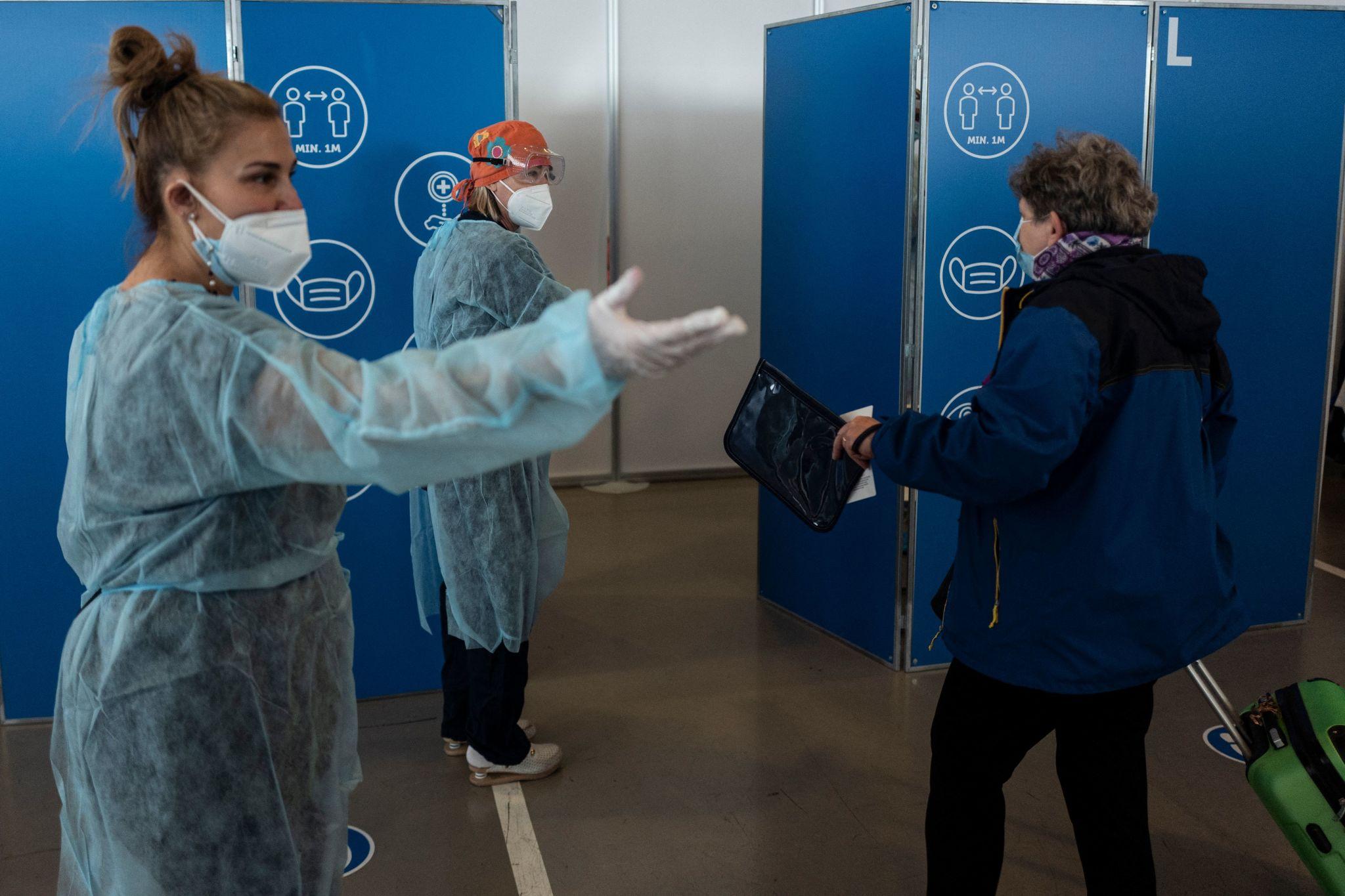
The France hantavirus case has already triggered expanded medical screening involving fellow passengers, cruise staff, and port contacts connected to the voyage.
Doctors monitoring the patient said early symptoms reportedly included fever, headaches, fatigue, coughing, and muscle pain before additional testing confirmed the virus.
Officials emphasized there is currently no evidence suggesting widespread community transmission linked to the case.
Cruise Industry Faces Renewed Public Pressure
The France hantavirus case has once again placed the international cruise industry under intense scrutiny as travelers continue expressing concerns about infectious disease risks aboard large passenger vessels.
Cruise operators throughout Europe have spent years rebuilding public confidence following previous global health emergencies.
Travel analysts say passengers remain highly sensitive to reports involving onboard illnesses because viruses can spread rapidly in crowded travel environments.
Some European travel agencies reported increased cancellation inquiries shortly after French authorities confirmed the infection.
A tourism analyst explained:
“Any confirmed virus case aboard a cruise vessel immediately becomes global news because travelers remain highly cautious.”
Cruise companies have already begun highlighting onboard sanitation systems, medical response procedures, and cleaning protocols designed to reduce health risks.
Understanding Hantavirus and Its Symptoms
Medical experts say hantavirus is primarily associated with exposure to infected rodents or contaminated environments.
Humans may become infected after inhaling airborne particles connected to rodent saliva, urine, or droppings.
The France hantavirus case has generated increased online searches regarding symptoms and transmission risks as public concern expands internationally.
Doctors warn that symptoms often resemble influenza or respiratory illness during the early stages, making diagnosis difficult.
Common symptoms may include fever, chills, headaches, muscle aches, fatigue, nausea, coughing, and shortness of breath.
In severe cases, infections can develop into hantavirus pulmonary syndrome, a serious respiratory condition requiring immediate medical attention.
A European infectious disease specialist commented:
“Preparedness and rapid response are essential, but panic does not help public health efforts.”
Historical Concerns Over Cruise Ship Health Risks
The cruise industry has faced repeated public health concerns during previous decades involving respiratory outbreaks, gastrointestinal illnesses, and onboard infection control challenges.
Modern cruise ships operate with extensive sanitation protocols, but experts say crowded travel environments continue creating elevated health risks.
The France hantavirus case has renewed discussions about ventilation systems, waste management procedures, food storage safety, and pest-control operations aboard international passenger vessels.
Public health specialists believe maritime tourism companies may face increased pressure to strengthen disease prevention systems throughout 2026 and beyond.
Several European regulators are reportedly reviewing whether additional health advisories for cruise travelers may become necessary.
European Health Agencies Increase Coordination
Health authorities across Europe are now coordinating efforts to monitor travelers who may have had contact with the infected passenger.
Airport screening teams and regional health agencies are reviewing travel records connected to the Mediterranean voyage while investigators attempt to identify possible exposure points.
The France hantavirus case has also intensified discussions surrounding maritime health preparedness and international coordination during infectious disease investigations.
Experts continue reviewing whether the virus exposure occurred onboard the cruise vessel, during a port stop, or through contaminated storage areas connected to the voyage.
Additional laboratory findings are expected in the coming days.

Global Tourism Industry Watches Closely
International tourism officials are monitoring developments carefully because European cruise activity is increasing significantly ahead of the summer travel season.
Travel analysts say the industry’s response may determine whether the France hantavirus case remains an isolated health concern or develops into a broader public relations challenge affecting global traveler confidence.
Some ports are reportedly reviewing emergency response procedures while cruise operators continue cooperating with health agencies.
Public health officials continue urging travelers to rely on verified medical information instead of online rumors or misinformation spreading through social media platforms.