
Washington, D.C., United States, Pakistan, April 12, 2026 — Brussels Morning Newspaper — International nuclear negotiations are entering a critical phase as policymakers and analysts warn that the United States must adopt a more realistic approach to Iran’s evolving nuclear capabilities. With geopolitical tensions increasing, experts argue that outdated assumptions could hinder effective decision-making.
Recent discussions among global stakeholders highlight the growing complexity of nuclear diplomacy. As Iran’s program advances, the pressure on negotiators to respond with clarity and precision has intensified.
A senior policy analyst stated,
“International nuclear negotiations are at a turning point. Without a clear understanding of current realities, progress will remain limited.”
Rising urgency in global diplomatic circles
The pace of international nuclear negotiations has accelerated as world powers seek to address concerns surrounding nuclear development. Governments are under increasing pressure to deliver outcomes that reduce risk while maintaining diplomatic stability.
Within Washington, debates continue over how best to balance deterrence and diplomacy. Some policymakers advocate for stronger measures, while others stress the importance of sustained engagement.
Experts note that the effectiveness of negotiations will depend on the ability to adapt to rapidly changing circumstances.
Evolving challenges in nuclear diplomacy
The landscape of international nuclear negotiations has become more complex due to advancements in nuclear technology and shifting geopolitical alliances. Analysts warn that traditional frameworks may no longer be sufficient to address current challenges.
The distinction between civilian and military nuclear capabilities remains a central issue. This ambiguity complicates verification processes and raises concerns about transparency.
A nuclear expert explained,
“International nuclear negotiations must evolve to reflect the new realities of nuclear development. Static approaches will not work in a dynamic environment.”
Diplomatic efforts under pressure
Efforts to advance international nuclear negotiations are facing significant obstacles. Trust deficits, political disagreements, and regional instability all contribute to the difficulty of reaching agreements.
Negotiators must navigate competing interests while maintaining focus on long-term stability. Despite these challenges, diplomacy remains the primary tool for addressing nuclear concerns.
Observers emphasize that sustained engagement is essential for achieving meaningful progress.
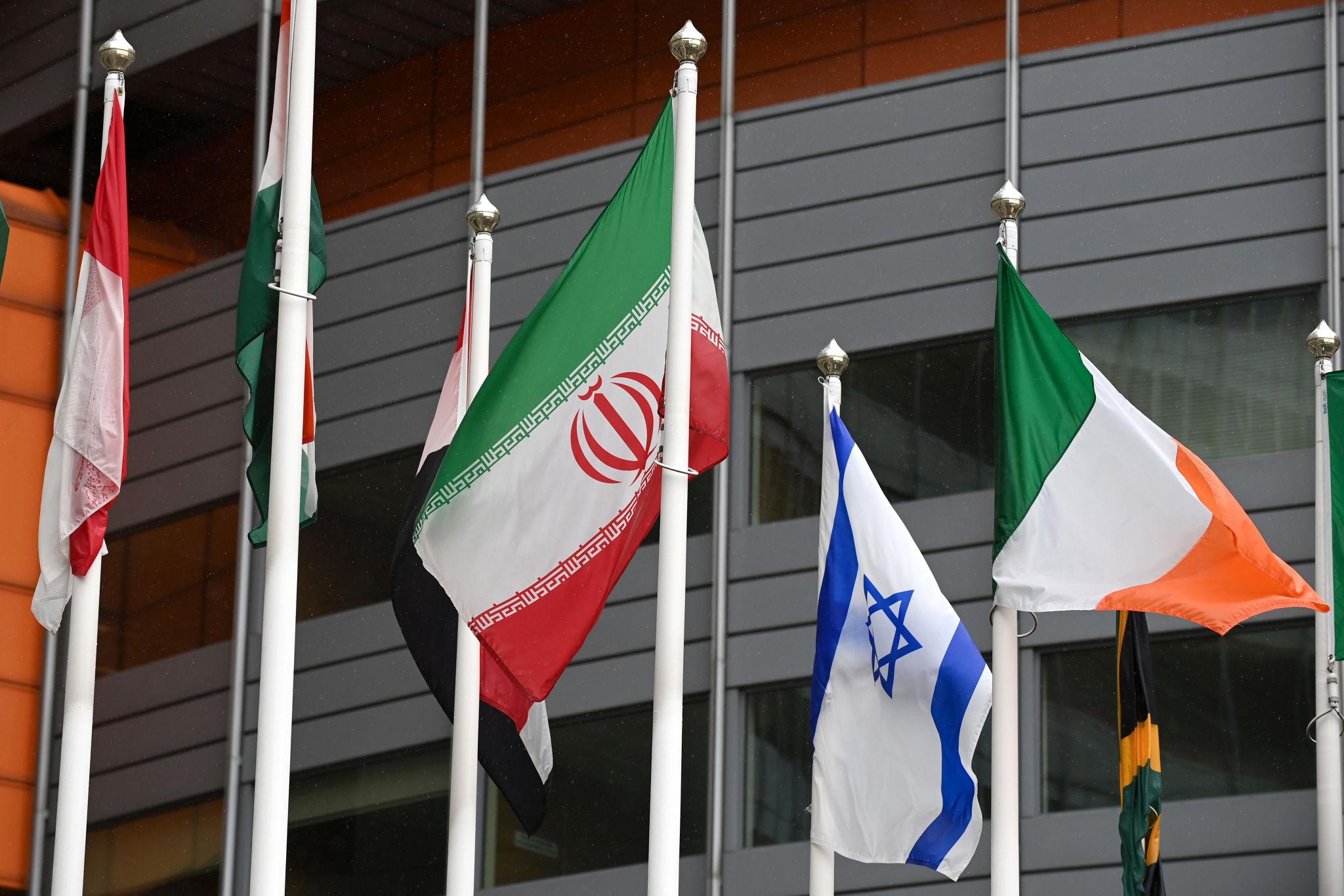
Global security implications
The stakes surrounding international nuclear negotiations are high, with potential implications for global security. Any failure to manage nuclear risks could lead to broader instability, affecting multiple regions.
Countries around the world are closely monitoring developments, recognizing that the outcome of negotiations will influence international relations and security frameworks.
A defense analyst noted,
“International nuclear negotiations are not just about one country—they shape the future of global security.”
Calls for a realistic US strategy
The growing focus on international nuclear negotiations has led to calls for the United States to reassess its strategy. Experts argue that policies must be grounded in current realities rather than past assumptions.
This includes updating intelligence assessments, refining diplomatic approaches, and exploring new avenues for cooperation. The goal is to create a strategy that addresses both immediate risks and long-term challenges.
Analysts stress that clarity and consistency will be key to effective policy implementation.
Economic and political ripple effects
The outcome of international nuclear negotiations has significant economic and political implications. Markets often react to developments in nuclear diplomacy, particularly in sectors such as energy and defense.
Political leaders must balance domestic priorities with international responsibilities, making decision-making increasingly complex.
Observers note that stability in nuclear negotiations is closely linked to broader economic confidence.
What comes next?
Looking ahead, the future of international nuclear negotiations will depend on continued diplomatic engagement and the willingness of all parties to compromise. The coming months are expected to be critical in determining the direction of these efforts.
International stakeholders are likely to intensify their involvement, seeking to prevent escalation and promote stability. The evolving situation will require careful monitoring and strategic planning.
Experts agree that the path forward will demand both flexibility and commitment.
Key facts and impact
The current phase of international nuclear negotiations underscores the urgency of addressing nuclear risks in a rapidly changing global environment. Experts are calling for realistic strategies that reflect evolving developments.
While challenges remain, diplomacy continues to offer the best path forward. The outcome of these negotiations will have far-reaching implications for global security and stability.
As tensions persist, the importance of effective negotiation and cooperation cannot be overstated.