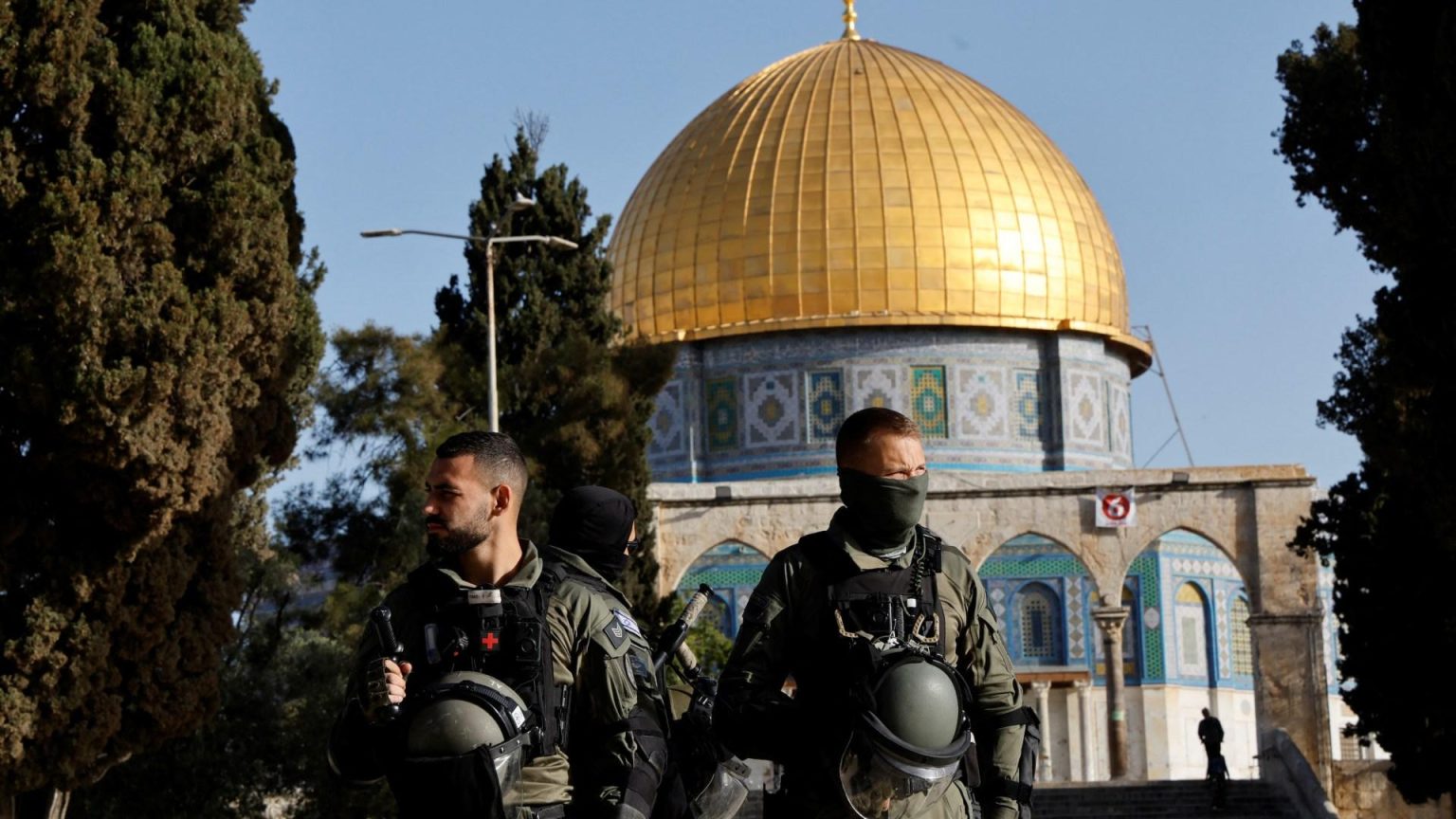
Jerusalem, Israel, April 12, 2026 — Brussels Morning Newspaper — Jerusalem security update has drawn international attention after Israeli National Security Minister Itamar Ben-Gvir visited the Al-Aqsa Mosque compound, prompting heightened security measures across the city. The visit, which took place under heavy police presence, has intensified concerns about potential unrest at one of the region’s most sensitive sites.
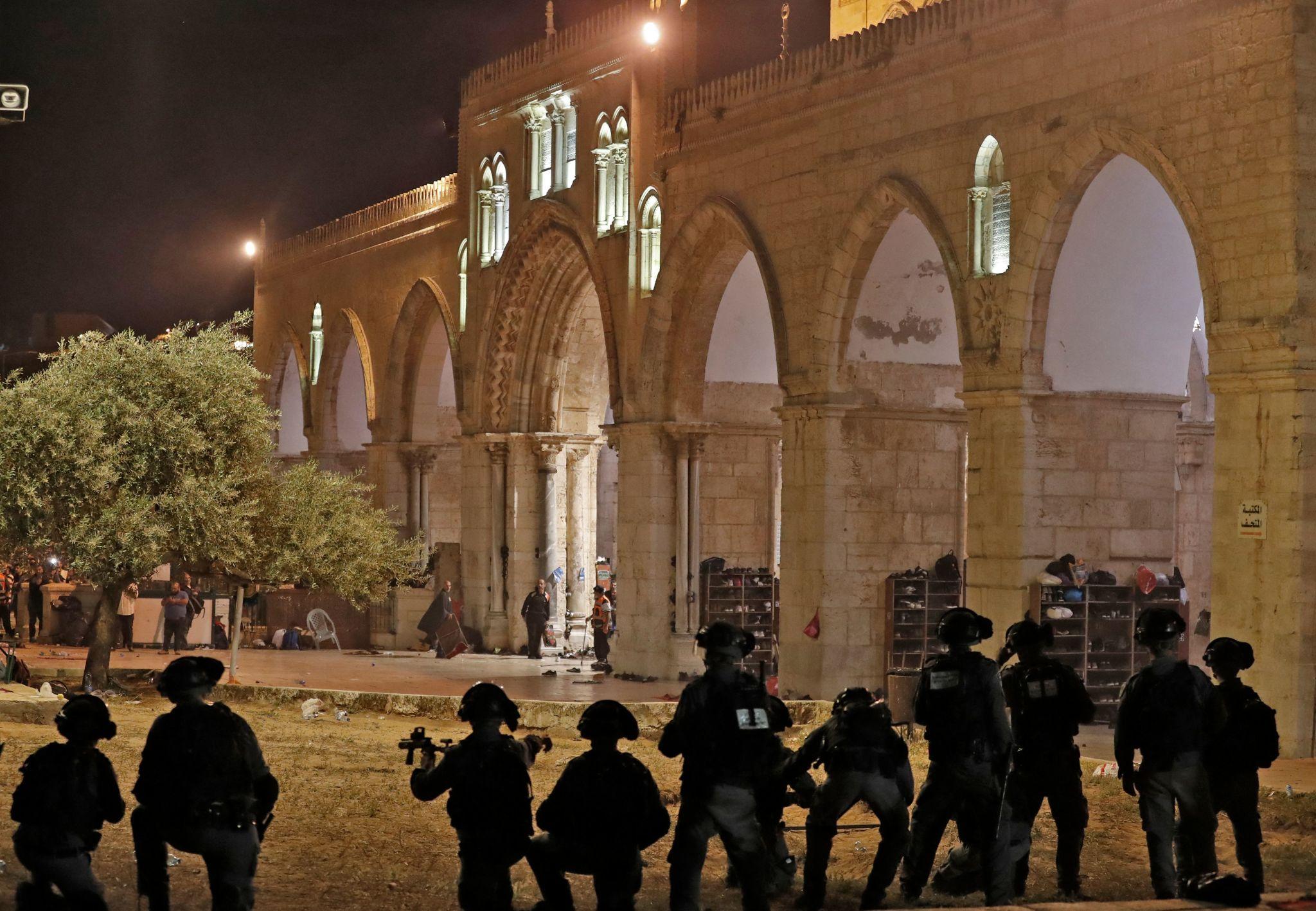
Authorities confirmed that security forces were deployed in large numbers around the compound and key access points. While the situation remained under control, tensions were visibly elevated, with officials monitoring developments closely.
A local observer said,
“Whenever a high-profile visit happens here, security concerns increase immediately. The atmosphere changes within minutes.”
Sensitive site at the center of tensions
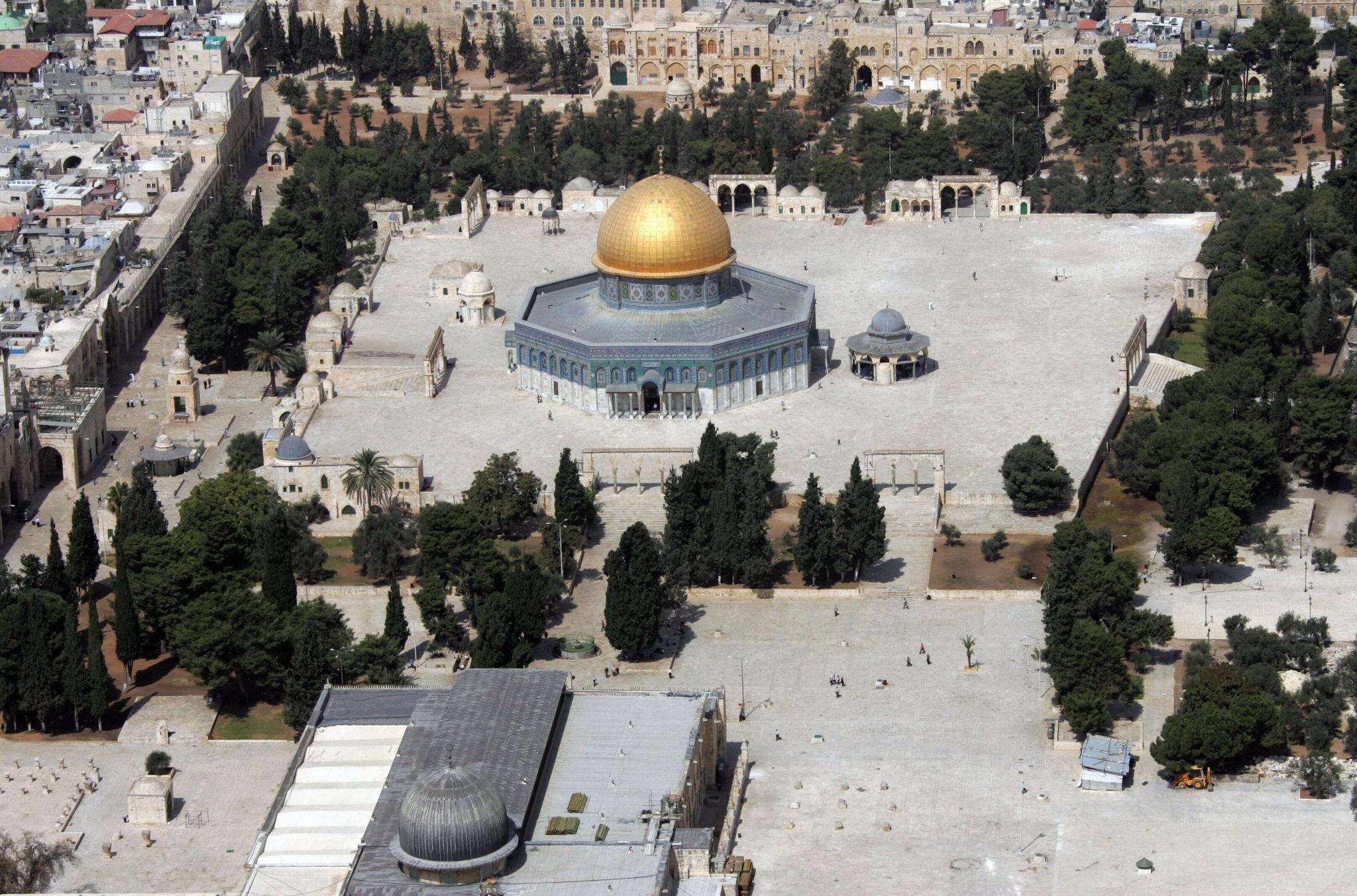
The Jerusalem security update reflects the ongoing sensitivity surrounding the Al-Aqsa Mosque compound, known to Muslims as Haram al-Sharif and to Jews as the Temple Mount. The site holds deep religious significance and has historically been a focal point of tensions.
Visits by political figures often attract attention due to their symbolic implications. Analysts say that even routine appearances can be perceived as signals, influencing both local reactions and international responses.
The compound remains a key point of concern in broader regional dynamics.
Increased security presence across the city
Following the Jerusalem security update, authorities significantly increased security measures throughout Jerusalem. Police checkpoints, patrols, and monitoring systems were expanded to maintain order and prevent potential incidents.
Officials described the measures as precautionary, aimed at ensuring public safety during a period of heightened sensitivity. Access to certain areas was closely regulated, with security personnel stationed at key locations.
Residents reported a noticeable increase in police activity, particularly in areas surrounding the compound.
Regional and international reactions
The Jerusalem security update has prompted responses from regional leaders and international observers. Many have called for restraint and emphasized the importance of maintaining the status quo at the site.
Diplomatic channels have been active, with officials expressing concern about the potential for escalation. The situation in Jerusalem is closely monitored due to its broader implications for regional stability.
A regional analyst noted,
“Events in Jerusalem resonate far beyond the city. The impact can be felt across the region.”
Political implications of the visit
The Jerusalem security update also carries significant political implications. Within Israel, such developments often become central to domestic political discussions, reflecting broader debates over security and religious issues.
Internationally, the visit is seen within the context of ongoing tensions, where actions at key sites can influence diplomatic relations. Analysts suggest that timing and context play important roles in shaping reactions.
Observers emphasize that political symbolism associated with the site adds complexity to any official visit.
Impact on daily life in Jerusalem
For residents, the Jerusalem security update has immediate effects on daily life. Increased security measures can disrupt transportation, business operations, and access to public spaces.
Families living near the compound often experience heightened stress during such periods, as uncertainty becomes part of everyday life. Community leaders have called for calm and cooperation to maintain stability.
The situation highlights the challenges of balancing security with normal daily activities.
Broader regional context
The Jerusalem security update comes amid ongoing tensions in the Middle East, where developments in Jerusalem often have wider implications. The city’s religious and political significance makes it a focal point for regional attention.
Experts warn that actions at sensitive sites can influence broader geopolitical dynamics. Maintaining stability requires careful coordination and sustained diplomatic efforts.
The interconnected nature of regional issues means that local developments can quickly gain international significance.
What happens next?
As the Jerusalem security update continues to unfold, authorities are expected to maintain heightened vigilance. Security measures are likely to remain in place as officials assess the situation.
Diplomatic efforts may play a role in easing tensions, with calls for dialogue and restraint continuing. The coming days will be critical in determining whether stability can be maintained.
Observers stress the importance of careful management to prevent escalation.
Key facts and impact
The Jerusalem security update highlights the fragile balance of stability in one of the world’s most sensitive regions. The recent visit to the Al-Aqsa compound has triggered increased security measures and renewed global attention.
While no major incidents were reported, the heightened tension underscores the challenges of maintaining calm. Authorities continue to monitor the situation closely.
This development serves as a reminder of the complex interplay between religion, politics, and security in Jerusalem, with implications that extend far beyond the city.