Islamabad, Pakistan, April 12, 2026 — Brussels Morning Newspaper — Pakistan trust rebuilding role is increasingly being emphasized by global leaders as geopolitical tensions continue to rise. The statement, “Pakistan’s job was to bridge the gap and rebuild trust,” reflects growing expectations that Islamabad can serve as a key diplomatic player in stabilizing strained international relationships.
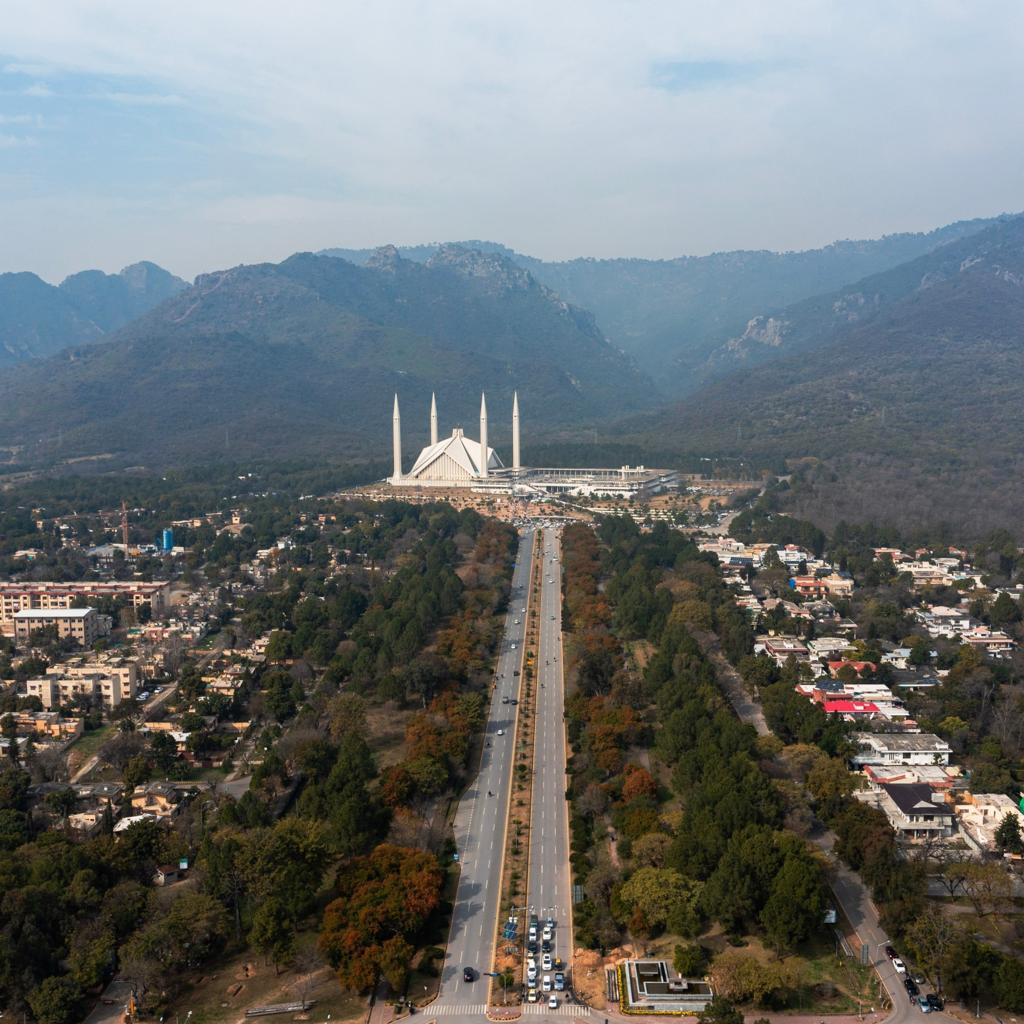
Pakistan’s strategic position and long-standing diplomatic ties across regions place it in a unique position to engage with multiple stakeholders. As global alliances shift and tensions deepen, countries capable of facilitating dialogue are becoming more valuable than ever.
A senior diplomatic analyst stated,
“Pakistan trust rebuilding role is not just an opportunity—it is a responsibility that could shape regional stability in the coming years.”
A changing global diplomatic landscape
The importance of the Pakistan trust rebuilding role is becoming more evident as the global diplomatic environment grows increasingly complex. Rising tensions between major powers have created an urgent need for countries that can maintain balanced relationships.
Pakistan’s foreign policy has historically focused on maintaining connections across different blocs, allowing it to act as a bridge in times of conflict. This approach is now being tested as divisions widen and trust erodes between key international players.
Experts believe that Pakistan’s ability to navigate these dynamics will determine its influence on the global stage.
Bridging divides through dialogue
At the core of the Pakistan trust rebuilding role is the effort to bridge divides between conflicting parties. Diplomacy in today’s environment requires not only communication but also a commitment to rebuilding confidence among nations.
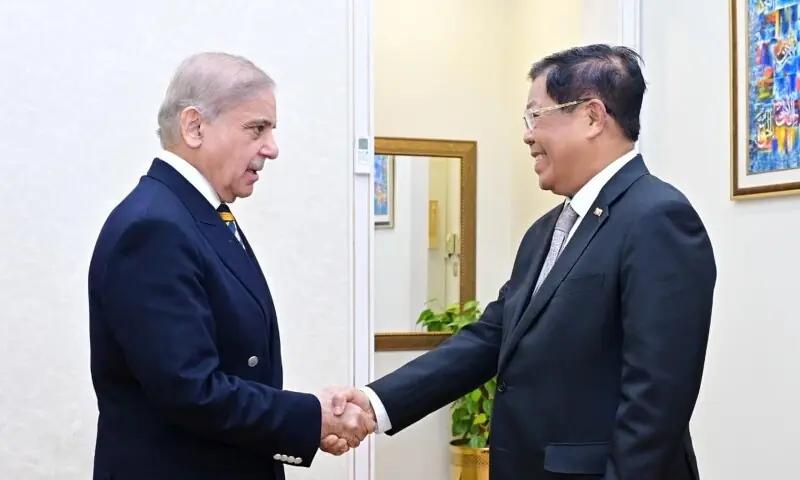
Pakistan’s experience in regional diplomacy provides it with valuable tools for engaging in both formal and informal negotiations. Backchannel discussions, quiet diplomacy, and sustained engagement are essential components of trust-building.
A policy expert explained,
“Rebuilding trust is a long-term process. Pakistan trust rebuilding role must focus on consistency and credibility to succeed.”
Challenges in rebuilding trust
Despite its potential, the Pakistan trust rebuilding role faces significant challenges. Deep-rooted mistrust, competing geopolitical interests, and domestic pressures all complicate diplomatic efforts.
Maintaining neutrality is critical, particularly when dealing with conflicting sides. Any perception of bias could undermine Pakistan’s credibility as a mediator and limit its effectiveness.
Additionally, the fast-changing nature of global politics means that diplomatic strategies must constantly adapt to new developments.
Strategic importance of trust in diplomacy
Trust has become a central element of international relations, making the Pakistan trust rebuilding role increasingly important. Without trust, even the most carefully negotiated agreements can fail.
Diplomatic initiatives must prioritize transparency, reliability, and long-term engagement to build confidence among stakeholders. Pakistan’s role in facilitating these efforts is seen as vital in preventing further escalation of conflicts.
An international relations expert noted,
“Countries that can rebuild trust become essential to global stability. Pakistan trust rebuilding role has the potential to influence key outcomes.”
Global expectations and pressure
The growing focus on the Pakistan trust rebuilding role reflects increasing global expectations. International stakeholders are looking to Islamabad to play a constructive role in reducing tensions and promoting dialogue.
Pakistan’s strategic location and diplomatic connections give it leverage, but meeting these expectations requires careful planning and execution. Proactive engagement and clear communication will be key to strengthening its position.
Observers note that the pressure to deliver results is significant, particularly as conflicts persist in various regions.
Opportunities for leadership in diplomacy
The evolving Pakistan trust rebuilding role presents an opportunity for Pakistan to assert itself as a leader in global diplomacy. By successfully facilitating dialogue and rebuilding trust, the country can enhance its international standing.
This leadership role would not only benefit Pakistan but also contribute to broader efforts to achieve stability and cooperation. However, achieving this requires sustained commitment and strategic foresight.
Experts emphasize that the ability to adapt to changing conditions will be crucial for long-term success.
What lies ahead?
Looking ahead, the Pakistan trust rebuilding role is expected to become even more important as global tensions continue to evolve. Diplomatic efforts aimed at bridging divides and restoring confidence are likely to intensify.
Pakistan’s success in this role will depend on its ability to maintain neutrality, build credibility, and deliver meaningful outcomes. The coming months will be critical in determining the effectiveness of these efforts.
The international community will be closely watching how Pakistan navigates this complex landscape.
Key facts and impact
The Pakistan trust rebuilding role is emerging as a key factor in global efforts to address rising tensions and restore stability. With its strategic positioning and diplomatic experience, Pakistan is uniquely placed to bridge divides and facilitate dialogue.
However, the challenges are substantial. Maintaining neutrality, managing expectations, and delivering tangible results will be essential for success.
As the global environment continues to shift, Pakistan’s ability to rebuild trust could play a significant role in shaping the future of international relations.