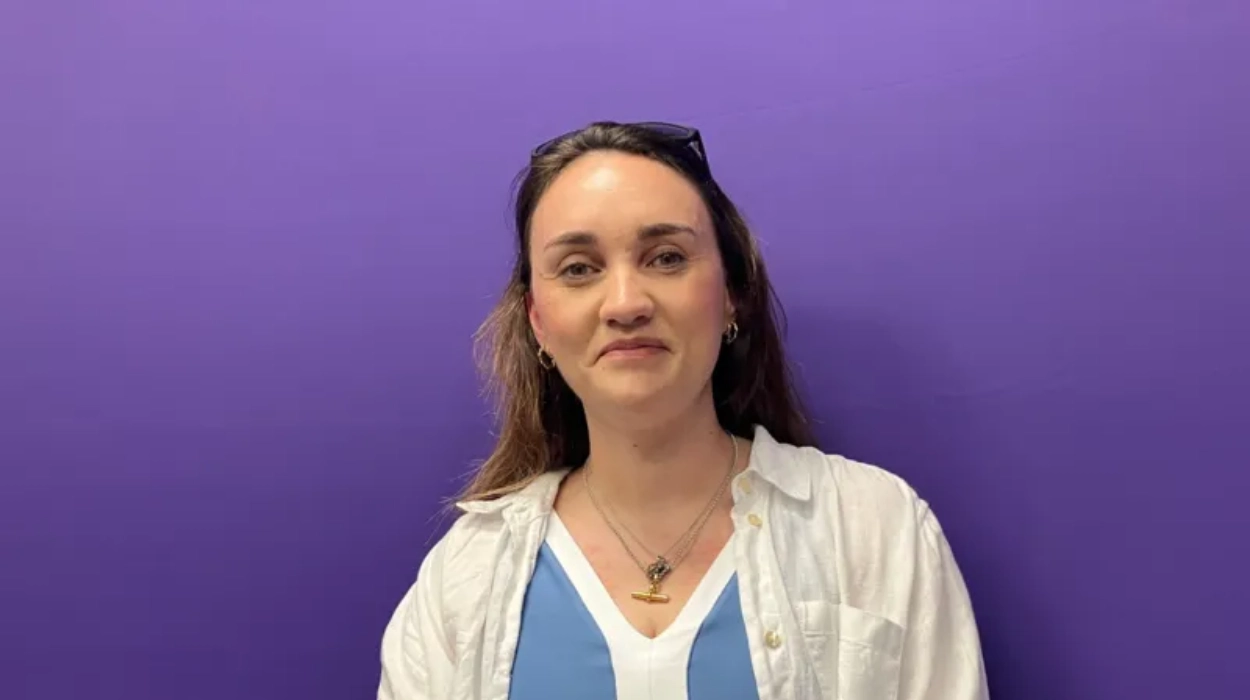
London (Brussels Morning Newspaper) September 14, 2026 — A four-person transatlantic and ocean rowing team led by British rower Lara Vafiadis has been forced to abandon an unsupported 5,500-mile (8,851-kilometre) Indian Ocean expedition approximately 1,000 miles (1,609 kilometres) from the finish line in Kenya following a critical failure of their vessel’s steering system. The crew members were rescued by a passing cargo vessel after a broken rudder left their 28-foot boat stranded in severe weather conditions, exposing them to an elevated risk of capsizing.
Equipment Failures Force Abandonment Near Kenyan Coast
The crew, consisting of 36-year-old Lara Vafiadis, Susannah Cass, skipper Billy Taylor, and Glyn Roberts, set off from Carnarvon, Western Australia, in July aboard their vessel, Monkey Fist. Operating under the team name Brainwaves, the rowers were attempting to become the first mixed team, as well as the first women, to row unsupported across the Indian Ocean from the Australian continent to the African continent.
The expedition was halted after the vessel’s rudder snapped on a Saturday night at approximately 03:00 British Summer Time (BST). Following the mechanical failure, the team spent seven hours attempting to implement emergency repairs using available onboard equipment, but were unable to restore steering capability.
The incident occurred short of their planned destination of Mombasa, Kenya, where the team had been aiming to complete the 5,500-mile transit.
Adverse Weather and Prior Structure Loss Increased Safety Risks
According to statements provided by Vafiadis, the decision to abandon the attempt was heightened by compounding structural damage sustained earlier in the crossing. Approximately a week prior to the rudder failure, the boat was struck by a large wave, resulting in a capsize. Although all four crew members escaped with minor injuries, the capsize caused the loss of the vessel’s daggerboard—a removable fin sliding through a slot in the hull used to stabilize ocean-going rowboats.
The capsize also caused significant water ingress into both cabins and damaged the vessel’s primary eFoil battery power system, forcing the crew to rely on backup solar power.
Without the stabilizing daggerboard, the loss of the rudder meant the vessel was unable to maintain direction or stability amid worsening sea conditions. Forecasts indicated severe weather systems featuring large swells expected to persist over the subsequent 10-day window.
“When I heard that rudder break… the whole team was just heartbroken and I think it will take a long time for us to get over it,”
Vafiadis stated following the rescue. Describing the circumstances, she noted that it had been an “absolutely wild 24 hours” following the initial breakage.
“We tried every fix and every bodge, and nothing worked,”
Vafiadis said.
“Because the sea’s state was getting bigger and bigger we had to make a really difficult decision and because of the capsize we had a couple of weeks ago we lost our daggerboard. Without a daggerboard and then without a rudder with some really, really big weather coming in for the next 10 days, it would have put us in a really dangerous situation. We would have just been constantly capsizing and it would have been incredibly dangerous.”
Evacuation and Transport to South Africa
Following the decision to abort the expedition, a distress call was answered by a commercial cargo ship operating in the region. The merchant vessel successfully brought all four crew members aboard without any reported severe physical injuries.
The rowers are currently onboard the cargo vessel undertaking a 10-day transit to Cape Town, South Africa, where they will disembark.
Prior to the expedition’s termination, the crew had rowed over 3,200 nautical miles, enduring rough seas, temporary loss of oars and supplies, and spending 30 hours deployed on a parachute anchor through 40-foot waves. The expedition was intended to serve as a mobile scientific collection effort monitoring microplastics and plastic pollution, alongside raising funds for the charities Rock2Recovery and Race Against Dementia. Vafiadis had previously completed a solo crossing of the Atlantic Ocean over 98 days in 2023.