Tehran, Iran — March 8, 2026 — Brussels Morning Newspaper — The Tehran oil depots attack has emerged as one of the most serious developments in the Middle East this year after large fuel storage facilities near the Iranian capital were struck, igniting fires and sending shockwaves through global energy markets. The incident occurred near Tehran’s major petroleum storage infrastructure, where several oil tanks were reportedly damaged, prompting emergency crews to respond quickly to prevent additional explosions and widespread disruption.
Authorities in Iran moved swiftly to contain the flames while security forces secured the surrounding areas. Smoke from the burning storage tanks was visible across several districts of the capital. Analysts say the Tehran oil depots attack has elevated geopolitical tensions at a time when the region is already experiencing heightened instability.
Global markets reacted immediately as investors began assessing potential impacts on oil supply routes and energy infrastructure across the Gulf.
Strategic Importance of Tehran’s Energy Infrastructure
Iran’s energy infrastructure forms the backbone of the country’s economy and transportation network. Fuel depots around Tehran store refined petroleum products that supply gasoline, diesel, and aviation fuel to millions of people.
The Tehran oil depots attack targeted facilities that serve as vital storage hubs within this network. These installations hold large quantities of fuel that support transportation systems, emergency reserves, and industrial operations.
Energy experts note that oil storage depots are often considered strategic targets during geopolitical conflicts because they represent both economic assets and logistical support centers. Disrupting these facilities can create ripple effects across a nation’s economy.
In the case of the Tehran oil depots attack, the damage raised concerns about possible disruptions to supply chains and increased volatility in global oil markets.
Emergency Response and Fire Containment Efforts
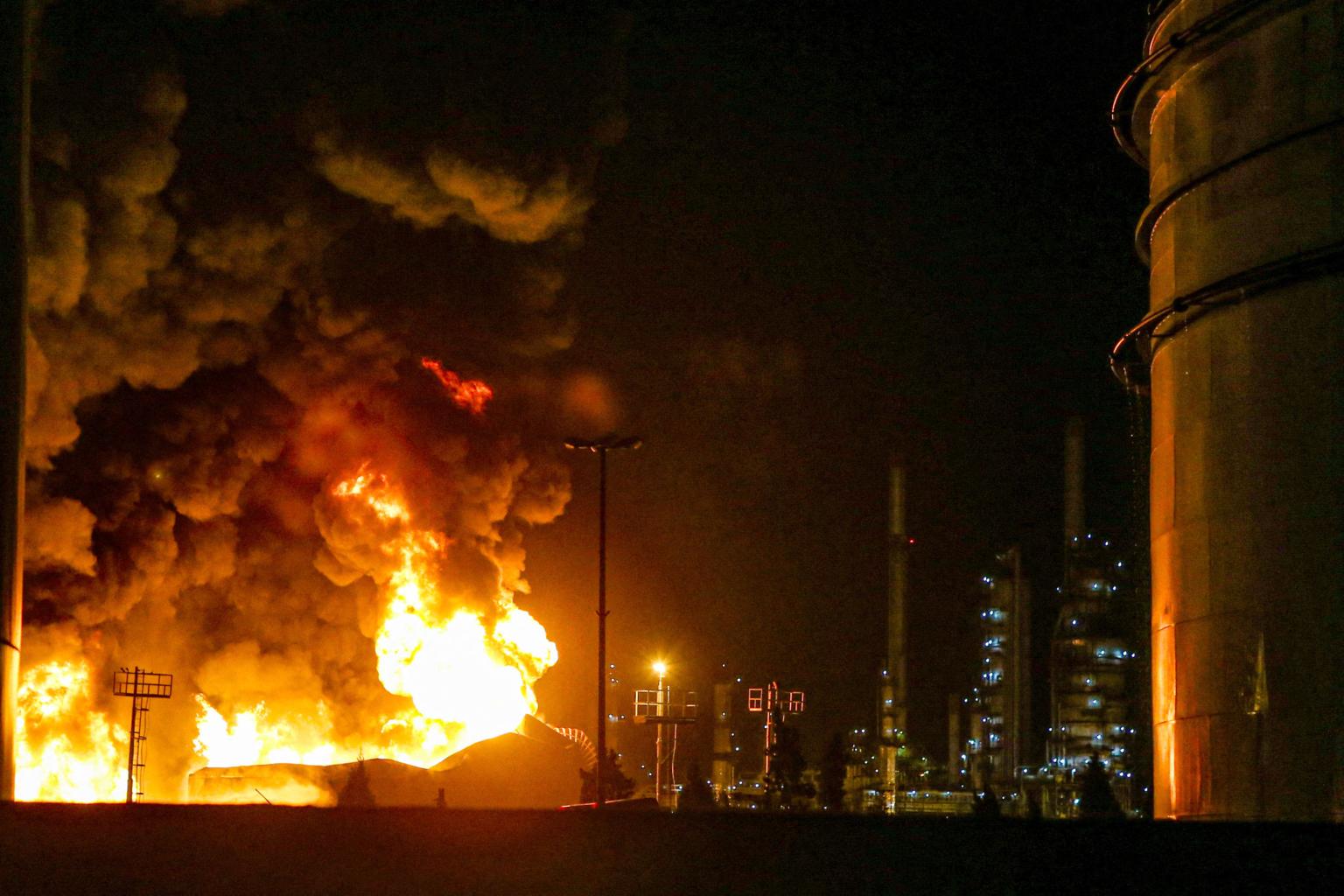
Shortly after the explosions were heard, firefighting units rushed to the scene to prevent the fire from spreading to neighboring tanks. Oil storage facilities are particularly dangerous during fires because fuel vapors can ignite rapidly.
Authorities deployed specialized equipment designed for petroleum fires. Teams sprayed cooling water on nearby tanks to prevent additional explosions while working to extinguish burning fuel.
Residents living near the affected area described seeing large flames and thick smoke rising above the storage facilities. Some neighborhoods were temporarily evacuated as a precaution.
The Tehran oil depots attack required coordinated emergency response efforts to stabilize the situation and protect surrounding communities from potential hazards.
Global Energy Markets React Quickly
Energy traders reacted rapidly as news of the Tehran oil depots attack spread through international markets. Oil prices experienced sharp fluctuations as investors evaluated possible impacts on supply and transportation routes.
The Middle East remains a critical hub for global energy production. Any disruption to infrastructure within the region often triggers immediate reactions from markets around the world.
Analysts noted that the Tehran oil depots attack added uncertainty to already sensitive energy markets. Traders closely monitor developments in the region because conflicts involving energy infrastructure can affect global supply expectations.
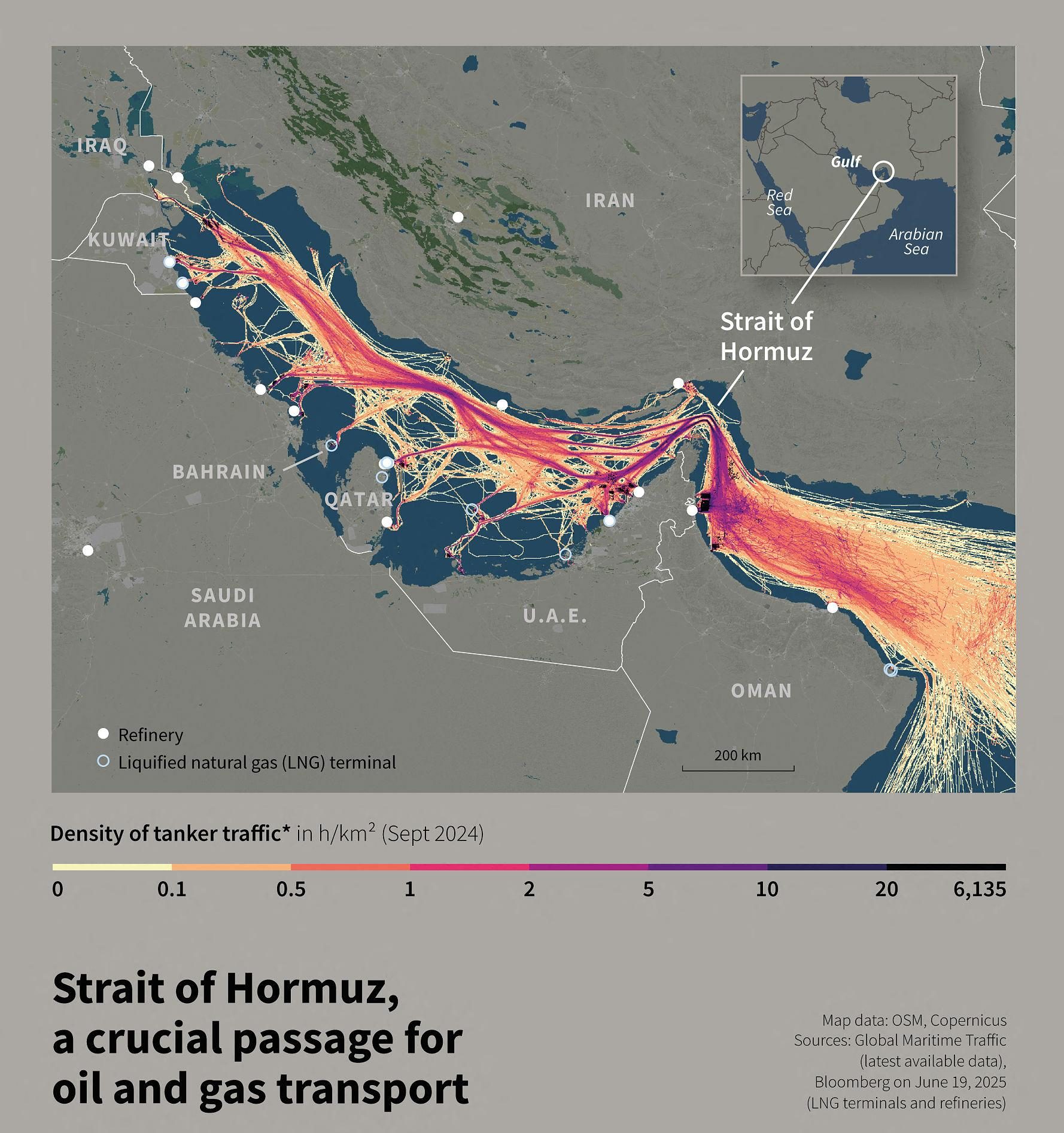
Shipping companies operating in the Persian Gulf also reviewed security protocols for vessels traveling through the Strait of Hormuz, a key shipping corridor for international oil exports.
Rising Regional Tensions and Security Concerns
The Tehran oil depots attack occurred against the backdrop of ongoing tensions involving several regional powers. Security experts say infrastructure strikes can significantly increase the risk of broader escalation.
Strategic facilities such as fuel depots, pipelines, and refineries often become targets during geopolitical disputes because they hold economic and symbolic value.
Regional governments are closely monitoring the situation while assessing possible implications for national security. The Tehran oil depots attack has intensified diplomatic discussions as leaders attempt to prevent further escalation.
One geopolitical analyst explained the seriousness of the situation by saying:
“The targeting of energy infrastructure introduces a new level of risk because it affects both economic stability and regional security simultaneously.”
Diplomatic Reactions From Around the World
International leaders have urged restraint following the Tehran oil depots attack. Governments across Europe, Asia, and North America expressed concern about the potential for further escalation.
Diplomatic channels are actively working to reduce tensions and prevent retaliatory actions that could expand the crisis.
One European policy advisor commented:
“Events like this remind the world how closely global energy security is tied to stability in the Middle East.”
Another regional analyst added that:
“Energy infrastructure attacks carry consequences far beyond the immediate area because they influence global markets and geopolitical relationships.”
The Tehran oil depots attack therefore represents not only a regional security incident but also a global economic concern.
Infrastructure Warfare in Modern Conflicts
Modern conflicts increasingly involve strategic infrastructure rather than traditional battlefield engagements. Energy facilities, transportation hubs, and communication networks are now considered high value targets.
The Tehran oil depots attack illustrates this evolving pattern of infrastructure warfare. Instead of focusing solely on military bases, operations sometimes target facilities that support economic stability.
Experts say such attacks are designed to apply pressure without triggering full scale conventional warfare.
However, targeting infrastructure can also create humanitarian risks if fuel shortages affect transportation, electricity generation, or essential services.
Historical Perspective on Energy Infrastructure Attacks
The Middle East has witnessed several historical conflicts in which oil infrastructure became a focal point. One of the most notable examples occurred during the Iran Iraq war in the 1980s.
During that period, both countries targeted oil tankers, pipelines, and storage facilities in what became known as the Tanker War. These attacks disrupted global shipping routes and significantly impacted energy markets.
The Tehran oil depots attack reflects the continued strategic importance of energy resources in regional geopolitics.
Energy infrastructure remains central to national economies across the Middle East, making it a sensitive and symbolic target during times of conflict.
Impact on Local Communities
Beyond geopolitical consequences, the Tehran oil depots attack also affected nearby communities. Residents living close to the storage facilities experienced disruptions as emergency crews responded to the fires.
Local authorities implemented safety measures including temporary evacuations and traffic restrictions around the affected area.
Air quality concerns also emerged due to smoke from burning petroleum products. Health officials advised residents to remain indoors until the fires were fully extinguished.
While the primary focus remains on stabilizing the situation, the Tehran oil depots attack highlights how infrastructure incidents can affect civilian populations living near strategic facilities.
Economic Implications for the Region
Energy infrastructure disruptions often produce economic ripple effects across entire regions. Fuel shortages, transportation delays, and increased insurance costs can follow such incidents.
The Tehran oil depots attack may influence global energy pricing if markets perceive ongoing instability in supply routes.
Countries that rely heavily on Middle Eastern oil exports are particularly sensitive to developments involving infrastructure attacks.
Investors and policymakers continue to monitor the situation closely as they evaluate potential economic impacts.
A Region on Edge
The broader Middle East remains one of the most strategically sensitive regions in the world. Political tensions, military rivalries, and economic interests intersect in complex ways.
The Tehran oil depots attack underscores how quickly localized incidents can become global concerns when energy infrastructure is involved.
Governments throughout the region are maintaining heightened security as they evaluate possible responses and protective measures for critical facilities.
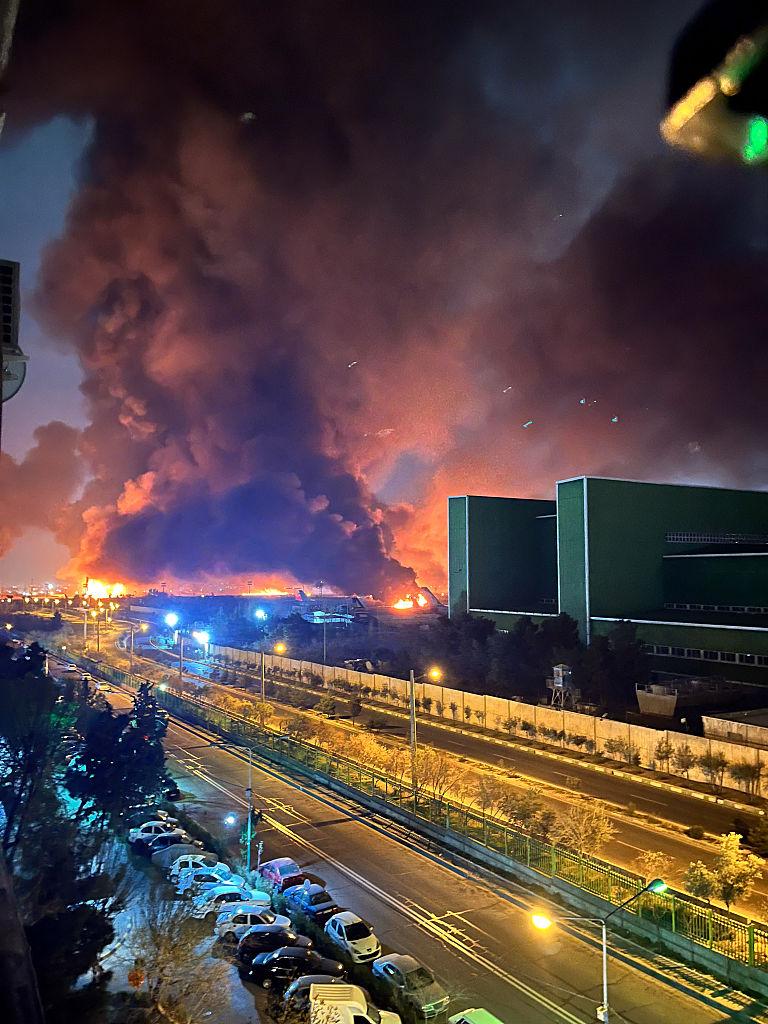
Flames Over Tehran Signal a Dangerous Turning Point
As investigators assess the aftermath, the Tehran oil depots attack may prove to be a defining moment in regional tensions during 2026. Infrastructure strikes carry both economic and symbolic consequences, often shaping the trajectory of geopolitical conflicts.
The fires that burned above Tehran’s oil storage facilities served as a stark reminder of how fragile energy security can be in times of political instability.
Whether the crisis expands or stabilizes will depend on diplomatic efforts, regional cooperation, and the strategic decisions made in the weeks ahead.
For now, the Tehran oil depots attack stands as a powerful signal that energy infrastructure remains at the center of modern geopolitical tensions.