
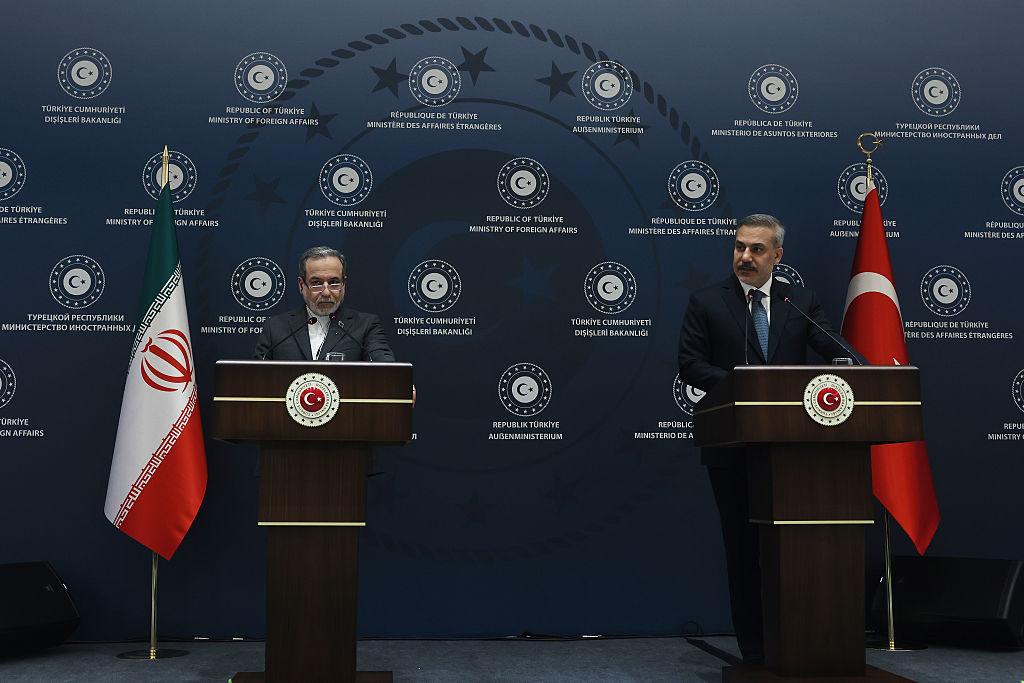
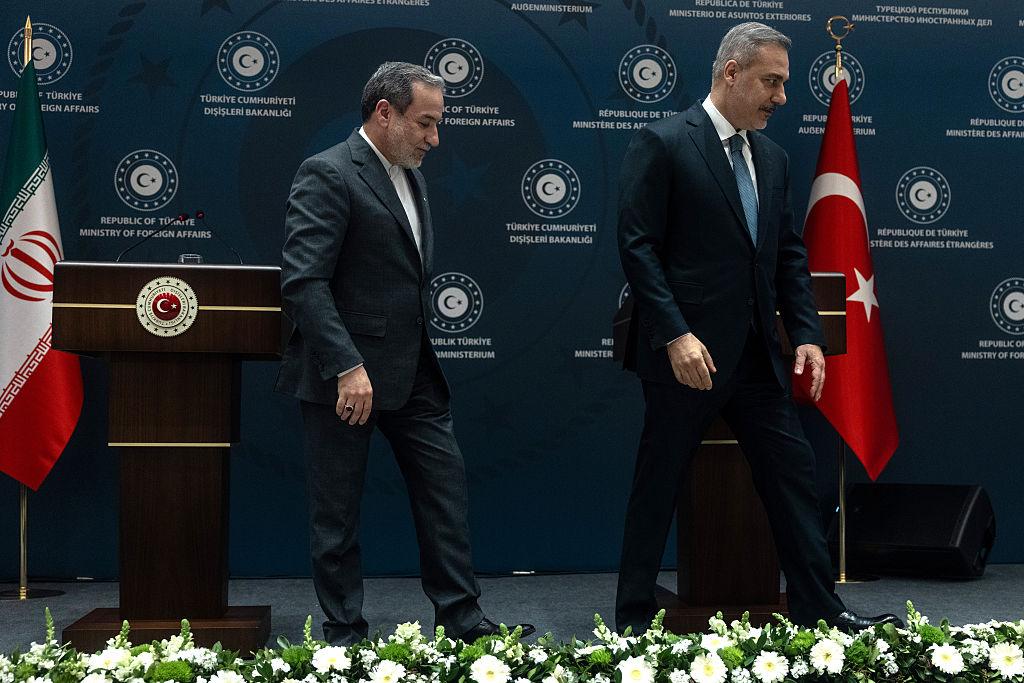
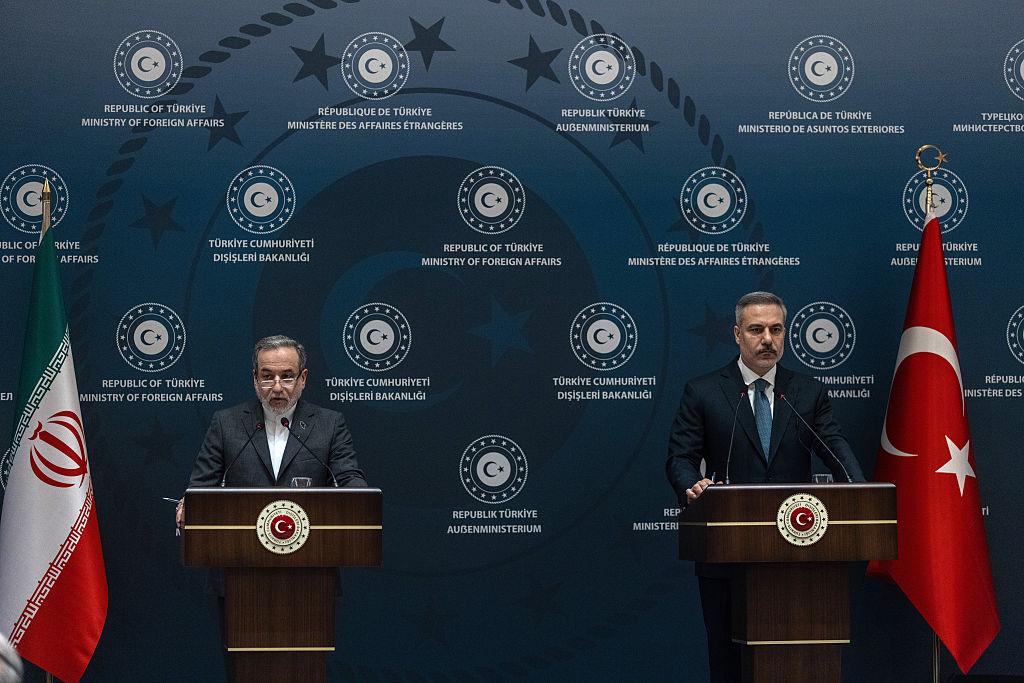
Istanbul, Turkey, January 30, 2026: Brussels Morning Newspaper highlighted a pivotal moment for Iran diplomacy as senior Iranian officials engaged regional counterparts in talks that reflected continuity, restraint, and strategic clarity. The meetings unfolded as global attention remained fixed on the Middle East, with European policymakers in Brussels closely following the discussions due to their potential implications for regional stability, energy security, and broader international relations. The timing, location, and diplomatic tone combined to elevate the significance of these engagements in the evolving geopolitical landscape of 2026.
A Diplomatic Year Defined by Caution and Calculation
The year 2026 has emerged as a defining period for international diplomacy. Governments across the world are navigating economic pressures, unresolved conflicts, and changing power alignments. Within this environment, Iran diplomacy has drawn particular interest for its emphasis on predictability rather than dramatic shifts. Analysts note that Tehran’s approach reflects an awareness that consistency can be a stabilizing force during periods of uncertainty.
Diplomatic observers suggest that the Istanbul talks were shaped by lessons learned from earlier negotiations, where unclear messaging often complicated outcomes. This time, Iranian representatives appeared determined to present a coherent and disciplined position.
Why Istanbul Matters in Regional Dialogue
Istanbul’s role as host city carries symbolic and practical importance. Situated at the crossroads of Europe and Asia, the city has become an increasingly favored venue for dialogue involving regional and international actors. Turkey’s ability to maintain working relationships with diverse stakeholders enhances its appeal as a diplomatic platform.
During the meetings, Iran diplomacy was articulated through carefully prepared statements, underscoring Tehran’s intent to engage without altering long standing policy foundations. The choice of Istanbul reinforced the message that dialogue remains possible even amid regional complexity.
Strategic Consistency as a Core Principle
A central theme of the talks was strategic consistency. Iranian officials reiterated established positions on sovereignty, regional cooperation, and adherence to international norms. This approach aligns with Tehran’s broader diplomatic philosophy, which prioritizes clarity over improvisation.
By emphasizing continuity, Iran diplomacy seeks to reduce uncertainty for both partners and rivals. Diplomats familiar with the discussions said this predictability allows other actors to calibrate their own policies with greater confidence.
Regional Reactions Across the Middle East
Governments across the Middle East monitored the Istanbul meetings closely. For many regional actors, Iran’s diplomatic posture plays a significant role in shaping security calculations and alliance dynamics.
The measured tone adopted during the talks signaled that Iran diplomacy remains focused on engagement rather than escalation. Analysts argue that this approach can help manage tensions in a region where misinterpretation often carries high costs.
Europe’s Stake in the Discussions
European policymakers followed developments attentively from Brussels. Europe’s economic ties to the Middle East, particularly in energy and trade, mean that regional stability directly affects European interests.
From a European perspective, Iran diplomacy represents an opportunity to encourage dialogue while addressing long standing concerns. The Istanbul talks were viewed as a constructive step toward maintaining communication channels during a fragile period.
Economic Context Influencing Diplomatic Choices
Economic considerations continue to shape foreign policy decisions worldwide. Iran faces persistent economic challenges that influence its diplomatic priorities, while regional partners seek predictability in trade and investment relations.
In this context, Iran diplomacy functions as a tool to manage expectations, signaling openness to engagement without committing to abrupt policy changes. Economists note that such predictability can ease market concerns even in the absence of concrete agreements.
Domestic Factors Behind External Messaging
Internal political dynamics also play a role in shaping diplomatic engagement. Iranian officials must align international messaging with domestic expectations, ensuring that dialogue abroad is perceived as safeguarding national interests.
The disciplined tone observed in Istanbul suggests that Iran diplomacy is calibrated to resonate both internationally and domestically, reinforcing perceptions of sovereignty and strategic autonomy.
Historical Patterns Informing Current Strategy
Iran’s diplomatic history reveals a preference for structured engagement within defined boundaries. Past negotiations often emphasized clear frameworks rather than open ended processes.
The Istanbul discussions followed this tradition, demonstrating how Iran diplomacy draws on historical experience to maintain leverage and avoid miscalculation during sensitive negotiations.
Legal Framing and International Norms
Legal considerations featured prominently in the talks. Iranian representatives framed their positions within established international norms, emphasizing respect for sovereignty and lawful conduct.
This approach illustrates how Iran diplomacy seeks legitimacy through law based arguments, particularly when addressing issues that attract global attention and scrutiny.
The Quote That Captured the Moment
One senior Iranian diplomat summarized the approach by stating,
“Dialogue succeeds when positions are clear and mutual respect guides the process.”
This single quote encapsulated the tone of the meetings and reflected the strategic intent behind Iran’s engagement.
Media Coverage and Public Interpretation
Media analysis across the region highlighted the absence of dramatic announcements, focusing instead on the importance of sustained dialogue. Commentators noted that consistency itself can serve as a stabilizing factor.
Such interpretations underscore how Iran diplomacy is increasingly assessed by its contribution to predictability rather than immediate breakthroughs.
Potential Pathways for Continued Engagement
Diplomats suggest that the Istanbul talks may lay groundwork for further meetings in similar formats. Incremental progress appears to be the preferred trajectory, with confidence building measures taking precedence over sweeping agreements.
Managing Iran diplomacy in this manner allows space for dialogue while acknowledging the complexity of unresolved issues.
Challenges That Persist
Despite the measured tone, significant challenges remain. Regional rivalries, economic pressures, and unresolved disputes continue to limit the scope of cooperation.
Nevertheless, the structured approach displayed in Istanbul indicates that Iran diplomacy aims to navigate these challenges through engagement rather than confrontation.
Broader Implications for Global Diplomacy
Beyond the Middle East, the talks offer insights into contemporary diplomacy. They demonstrate how clarity and consistency can reduce uncertainty even when disagreements persist.
As such, Iran diplomacy provides a case study in managing long standing disputes within an increasingly interconnected international system.
Energy Security and Strategic Calculations
Energy security remains a critical concern for regional and global actors. Stability in diplomatic relations directly affects energy markets and supply routes.
By maintaining a predictable posture, Iran diplomacy contributes to a degree of reassurance for stakeholders concerned about volatility in global energy flows.
Security Considerations in a Volatile Region
Security dynamics in the Middle East remain complex. Diplomatic engagement serves as one of the few tools available to manage risk without escalating tensions.
The Istanbul meetings highlighted how Iran diplomacy is used as a mechanism to signal intent, manage perceptions, and reduce the likelihood of miscalculation.
The Role of Turkey as Facilitator
Turkey’s facilitation of the talks underscores its ambition to act as a regional mediator. Ankara’s diplomatic outreach reflects a desire to remain relevant in regional affairs.
Within this framework, Iran diplomacy benefited from a setting that allowed engagement without the pressure of formal negotiations.
Signals to International Partners
International partners interpreted the talks as a signal of continuity rather than change. This perception allows governments to plan policies based on known parameters.
By reinforcing established positions, Iran diplomacy reduced speculation and contributed to a clearer understanding of Tehran’s strategic outlook.
Looking Ahead in 2026
As 2026 progresses, further diplomatic engagements are likely. Whether these lead to tangible outcomes will depend on regional dynamics and international coordination.
For now, Iran diplomacy remains focused on sustaining dialogue while preserving strategic boundaries.
A Unique Moment in Regional Engagement
The Istanbul talks stand out not for dramatic outcomes but for their disciplined tone. In a volatile environment, such restraint carries significance.
This moment illustrates how Iran diplomacy functions as a stabilizing element when exercised with clarity and consistency.
Strategic Signals at a Diplomatic Crossroads
The February 2026 meetings in Istanbul highlighted Iran’s commitment to a diplomatic approach grounded in continuity, legal framing, and strategic messaging. By emphasizing clarity over surprise, Tehran reinforced a predictable posture during a period of regional uncertainty.
As global attention remains fixed on the Middle East, the evolution of Iran diplomacy will continue to shape perceptions of stability, engagement, and the prospects for dialogue in an increasingly complex international landscape.