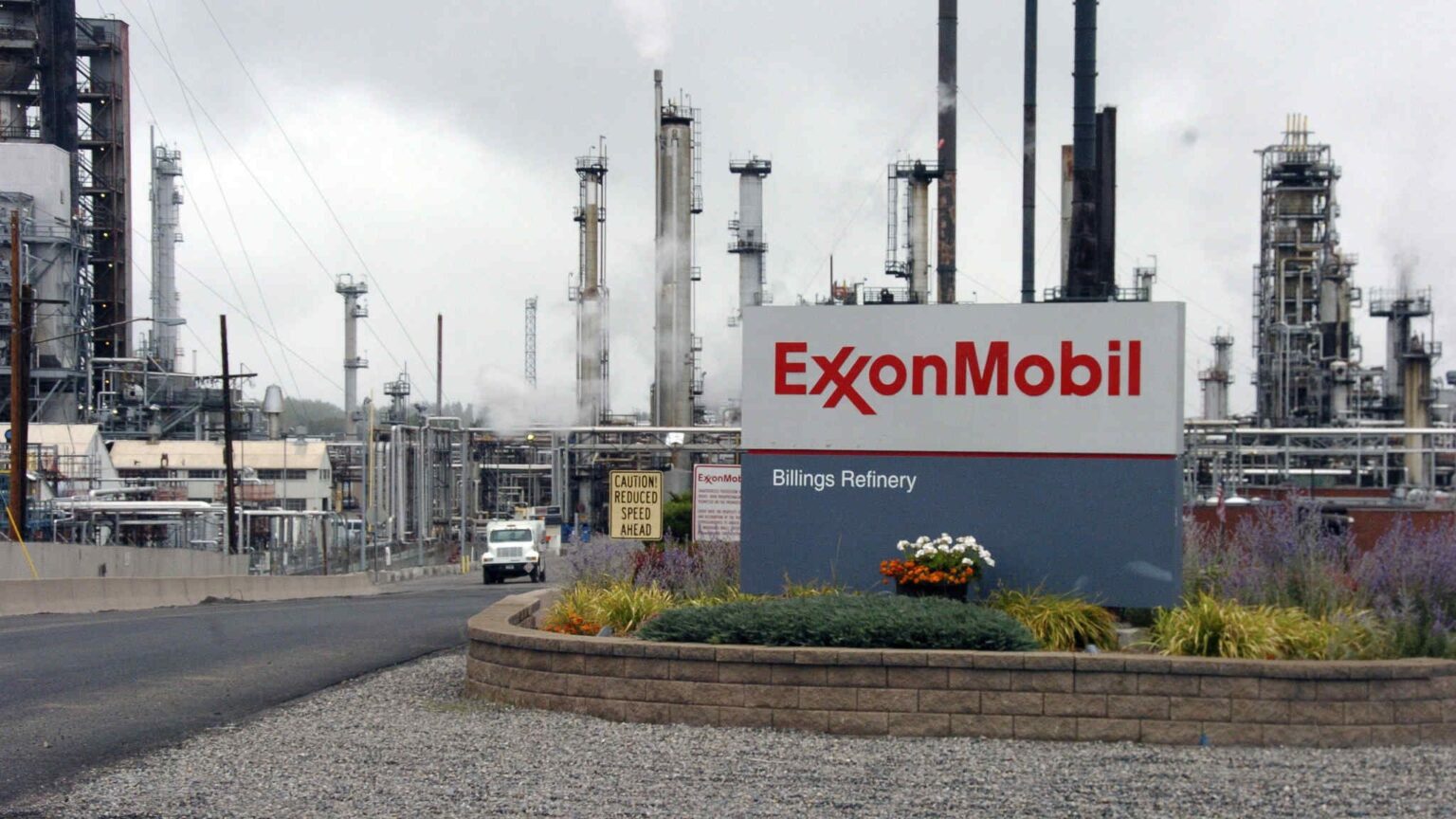
Texas, United States, January 30, 2026: Brussels Morning Newspaper highlighted a closely watched moment for global energy markets as Exxon earnings underscored the company’s ability to outperform expectations amid shifting economic and geopolitical conditions. The results released by Exxon Mobil reflected higher production volumes, steady refining performance, and disciplined cost management, factors that together reinforced confidence in one of the world’s largest integrated energy producers. Observers in Europe and North America examined the figures as a barometer for broader trends shaping the energy sector in 2026.
Setting the Stage for the 2026 Results
The lead up to the earnings release unfolded against a backdrop of mixed signals for the global economy. Energy prices fluctuated in response to demand uncertainty, while geopolitical developments continued to influence supply expectations. Within this environment, Exxon earnings attracted particular attention because of the company’s scale and its influence across upstream and downstream markets.
Analysts noted that investor focus has shifted toward operational resilience rather than short term commodity price movements, making Exxon’s performance especially relevant.

Production Expansion Anchors Performance
A major contributor to the quarter’s outcome was increased upstream production. Exxon benefited from higher output in several key regions, particularly North America, where investments in shale and offshore projects continued to mature. These assets, characterized by competitive cost structures, allowed production growth to translate into stronger margins.
The results showed how Exxon earnings have been supported by long term capital allocation decisions aimed at prioritizing efficiency and scalability.
Refining Strength Provides Balance
Exxon’s refining business played a stabilizing role during the quarter. Consistent demand for refined products, combined with efficient utilization of refining capacity, helped offset pressure from narrower margins in certain markets.
Industry analysts observed that Exxon earnings highlighted the advantages of an integrated business model, where downstream operations can smooth volatility arising from upstream price swings.
Cost Discipline and Operational Efficiency
Management’s emphasis on cost discipline remained evident throughout the reporting period. Streamlined operations, digital optimization, and careful spending decisions contributed to maintaining profitability despite external pressures.
These measures were reflected in Exxon earnings, demonstrating how operational efficiency continues to underpin financial performance across market cycles.
Market Reaction and Investor Confidence
Following the announcement, investor sentiment improved as markets absorbed the stronger than expected figures. Share performance reflected renewed confidence in Exxon’s ability to generate cash flow and sustain shareholder returns.
For many market participants, Exxon earnings reinforced the view that large scale energy producers with diversified portfolios remain well positioned despite ongoing uncertainty.

Comparison With Industry Peers
When compared with other major energy companies, Exxon’s performance stood out for its balance. Some peers faced challenges related to weaker refining margins or slower production growth, underscoring the benefits of Exxon’s geographic and operational diversity.
Analysts emphasized that Exxon earnings benefited from a portfolio spread across multiple regions and segments, reducing exposure to localized disruptions.
Shareholder Returns and Capital Allocation
Alongside earnings, Exxon reaffirmed its commitment to shareholder returns through dividends and share buybacks. Strong operating cash flow provided the flexibility to maintain these programs while continuing to invest in strategic projects.
This approach was evident as Exxon earnings supported both near term returns and longer term growth initiatives.
Macroeconomic Influences on the Quarter
Broader economic factors also shaped the operating environment. Inflation trends, interest rate dynamics, and currency movements influenced costs and demand patterns across markets.
Despite these headwinds, Exxon earnings illustrated how scale and disciplined management can help mitigate macroeconomic volatility.
Energy Demand Trends in 2026
Global energy demand presented a mixed picture during the period. While some regions experienced slower growth, others continued to see strong consumption driven by industrial activity and transportation needs.
Within this context, Exxon earnings benefited from exposure to markets where demand remained relatively resilient, reinforcing the value of a diversified global footprint.
Technology and Innovation as Performance Drivers
Technological innovation played an increasingly important role in supporting performance. Advanced analytics, automation, and digital monitoring enhanced efficiency across Exxon’s operations.
These innovations contributed to Exxon earnings, demonstrating how technology adoption can improve cost control and operational reliability.
Risk Management and Financial Resilience
Risk management remains central to Exxon’s strategy. Diversified assets, conservative financial planning, and robust risk controls help limit exposure to market volatility.
As reflected in Exxon earnings, these measures enhance resilience and support consistent performance even in uncertain conditions.
Regulatory and Policy Environment
Policy and regulatory frameworks continue to influence the energy sector. Environmental standards, fiscal policies, and permitting processes shape investment decisions and operating costs.
Analysts reviewing Exxon earnings noted that regulatory clarity in key regions supported planning and execution during the quarter.
Energy Transition Considerations
While oil and gas remain core to Exxon’s business, the company is also navigating the broader energy transition. Investments in emissions reduction and lower carbon technologies aim to align long term strategy with evolving expectations.
Even as Exxon earnings are driven by traditional energy activities, investors increasingly evaluate how companies balance near term performance with transition readiness.
A Single Management Perspective
One senior executive summarized the quarter by stating,
“Our performance reflects disciplined execution and the strength of our integrated operations in a complex market environment.”
This single quote captured management’s assessment of the results and the strategy behind them.
Global Implications for the Energy Sector
Exxon’s results carry implications beyond the company itself. As one of the largest energy producers globally, its performance often serves as a benchmark for the sector.
The latest Exxon earnings reinforced the view that integrated energy models continue to offer significant advantages amid market complexity.
Analyst Outlook for the Remainder of the Year
Looking ahead, analysts remain cautiously optimistic about Exxon’s prospects through the remainder of 2026. While commodity prices may fluctuate, production growth and refining stability are expected to support results.
Many forecasts suggest that Exxon earnings will continue to reflect disciplined execution and balanced portfolio management.
Strategic Investments Shaping the Future
Exxon continues to invest in projects designed to deliver high returns over the long term. Deep-water developments, advanced refining capacity, and digital infrastructure remain priorities.
These investments underpin expectations that Exxon earnings will remain resilient as market conditions evolve.
Signals for Long Term Investors
For long term investors, the earnings release offered reassurance about Exxon’s strategic direction. The combination of scale, diversification, and cost discipline supports sustained value creation.
In this sense, Exxon earnings provide insight into how major energy companies are positioning themselves for both current and future challenges.
Broader Market Lessons From the Results
Beyond the company itself, the results highlight broader lessons for the energy sector. Operational efficiency, disciplined capital allocation, and integration remain critical success factors.
The structure behind Exxon earnings demonstrates how strategic consistency can deliver stability even amid volatility.
A Distinctive Moment in 2026 Energy Markets
The 2026 earnings cycle underscores how major producers adapt to changing conditions. Exxon’s performance reflects a balance between growth and caution, shaped by years of strategic planning.
This moment adds depth to understanding how the energy sector is evolving in response to economic, technological, and policy pressures.
Beyond Numbers Strategic Execution
While headline figures attract attention, the underlying execution tells a deeper story. Exxon’s focus on efficiency, integration, and long term planning continues to shape outcomes.
The foundation supporting Exxon earnings highlights how decisions made over time influence present performance.
Operational Strength in a Changing Landscape
As 2026 progresses, Exxon’s latest results illustrate the company’s capacity to navigate uncertainty through disciplined execution and diversified operations. Higher production, stable refining, and careful cost management combined to exceed expectations.
The sustained strength reflected in Exxon earnings underscores why the company remains a key reference point for investors assessing resilience and performance across the global energy sector.