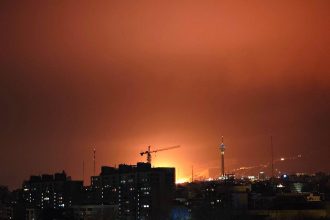
Washington, Middle East, March 22, 2026 (Brussels Morning Newspaper) Middle East drone attacks are intensifying across the region as a top counterterrorism official resigns in protest of the US war against Iran, signaling deep concern within national security leadership. The resignation comes just as Kuwait confirmed it intercepted four drones within the past 24 hours, highlighting the rapid escalation of threats across the Gulf.
- A Resignation That Reflects Rising Strategic Tensions
- Kuwait Intercepts Drones as Threat Level Rises
- Why Middle East Drone Attacks Are Increasing
- Internal Divisions Within National Security Leadership
- Regional Impact Expands Beyond Borders
- Security Risks and Counterterrorism Challenges
- Global Economic Concerns Begin to Surface
- Political Reactions and Public Debate Intensify
- A Critical Turning Point in the Conflict
- What This Means for the Future
The convergence of rising aerial threats and internal dissent suggests the conflict is entering a more dangerous and unpredictable phase.
A Resignation That Reflects Rising Strategic Tensions
The sudden departure of a senior counterterrorism leader is being viewed as a major warning sign inside the defense and intelligence community.
Officials familiar with the situation indicate that disagreements had been building for weeks, particularly over how to respond to growing instability linked to the US-Iran conflict. The official reportedly opposed certain military actions, warning they could trigger wider regional consequences.
A security analyst noted:
“This resignation is not isolated—it reflects broader concern about how escalating actions could spiral beyond control.”
Kuwait Intercepts Drones as Threat Level Rises
Kuwait’s announcement that it intercepted four drones in just one day underscores how serious the situation has become.
Authorities confirmed that the drones were neutralized before causing damage, but the incident has intensified fears about the frequency and coordination of such attacks.
Many experts believe these incidents are directly tied to increasing Middle East drone attacks, which have become a defining feature of the current conflict.
A regional defense expert explained:
“Drone warfare is reshaping modern conflict. The pace and volume of interceptions suggest a coordinated escalation.”
Why Middle East Drone Attacks Are Increasing
The rise in drone activity across the region is not accidental. Analysts point to several key factors driving the surge:
- Expanded use of low-cost unmanned systems by multiple actors
- Increased retaliation tactics tied to geopolitical tensions
- Strategic targeting of infrastructure and defense systems
- Difficulty in tracking and attributing drone launches
These elements have made Middle East drone attacks one of the most unpredictable and dangerous aspects of modern warfare.
Internal Divisions Within National Security Leadership
The resignation has exposed potential fractures within US leadership at a critical moment.
While officials publicly maintain unity, insiders suggest there are growing disagreements about:
- Escalation risks versus strategic gains
- Long-term stability in the region
- The effectiveness of current military tactics
Such divisions are not uncommon, but losing a key counterterrorism figure during a crisis amplifies concerns.
Regional Impact Expands Beyond Borders
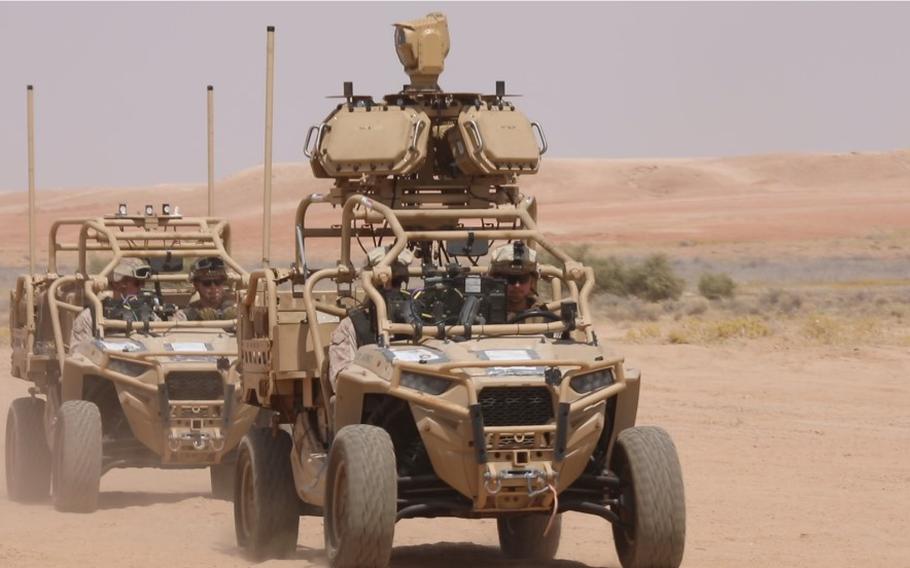
The ripple effects of escalating Middle East drone attacks are being felt far beyond the immediate conflict zone.
Neighboring countries, particularly in the Gulf, are now:
- Increasing air defense readiness
- Enhancing surveillance systems
- Coordinating with allies for rapid response
Kuwait’s interception of multiple drones in a short period is a clear indication that the conflict is no longer contained.
Security Risks and Counterterrorism Challenges
The resignation raises important questions about the future of counterterrorism strategy.
With a leadership gap at a critical time, experts warn that:
- Coordination between agencies may be disrupted
- Intelligence-sharing could face delays
- Non-state actors may exploit instability
The growing frequency of Middle East drone attacks adds another layer of complexity, requiring advanced defensive strategies and rapid adaptation.
Global Economic Concerns Begin to Surface
The impact of escalating tensions is not limited to security. Economic concerns are also emerging.
The Middle East plays a vital role in global energy supply, and instability in the region could disrupt production and transportation routes.
Investors are already reacting cautiously, with energy markets showing early signs of volatility as uncertainty increases.
Political Reactions and Public Debate Intensify
The resignation has sparked significant debate among policymakers and the public.
Some see the move as a principled stance against escalating conflict, while others interpret it as a sign of instability within leadership.
Calls for transparency are growing, with demands for clearer explanations of military objectives and long-term strategy.
A Critical Turning Point in the Conflict
The combination of increased Middle East drone attacks, leadership changes, and regional involvement suggests the conflict is entering a decisive stage.
Experts warn that decisions made now will shape the trajectory of the crisis for months, if not years.
A former defense official stated:
“When experienced leaders step down during escalation, it often signals deeper risks that are not fully visible to the public.”
What This Means for the Future
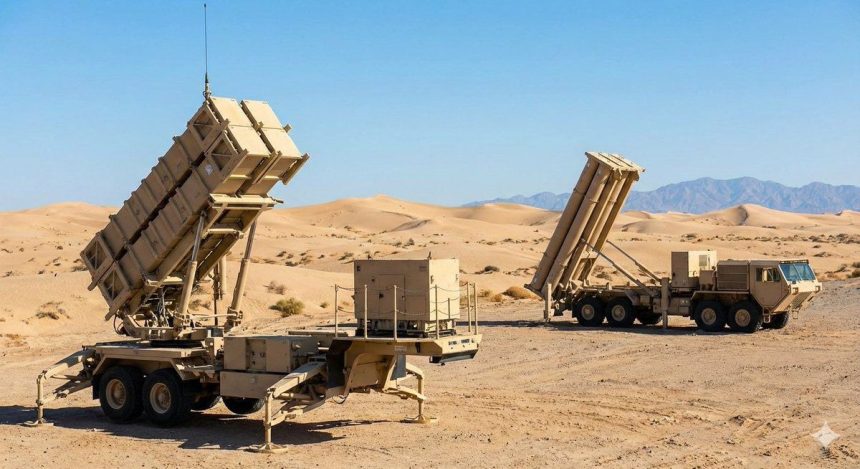
The resignation of a top counterterrorism official and the surge in Middle East drone attacks mark a pivotal moment in the ongoing conflict.
Key developments include:
- Rising drone threats across the region
- Increased involvement of neighboring countries like Kuwait
- Visible internal disagreements within leadership
- Growing economic and geopolitical risks
As tensions continue to rise, global attention remains fixed on the Middle East, with concerns that the situation could escalate further without clear resolution.