
Tehran, Washington, April 7, 2026 — Brussels Morning Newspaper — Iran sanctions impact is increasingly being felt across multiple layers of Iranian society, with analysts warning that ongoing pressure from the United States and Israel is extending beyond economics into culture, education, and daily life in Iran.
- A Shift From Economic Pressure to Social Impact
- Education Systems Under Strain
- Cultural Isolation and Global Perception
- Digital Restrictions and Knowledge Access
- Economic Pressure Driving Social Change
- Humanitarian and Healthcare Effects
- Youth and Brain Drain Concerns
- Official Positions and Global Debate
- Broader Geopolitical Context
- What Comes Next?
- A Crisis Beyond Economics
While sanctions are officially designed to target state capabilities, mounting evidence suggests their broader consequences are reshaping how Iranians learn, communicate, and preserve cultural identity.
A Shift From Economic Pressure to Social Impact
The growing narrative around Iran sanctions impact reflects a transformation in modern geopolitical strategy. What began as economic containment has evolved into what some experts describe as indirect societal pressure.
According to analysts, sanctions now influence:
- Access to education
- Cultural exchange opportunities
- Academic collaboration
- Information access
A regional policy expert stated:
“Sanctions are no longer just financial tools—they are shaping the intellectual and cultural environment of a nation.”
Education Systems Under Strain
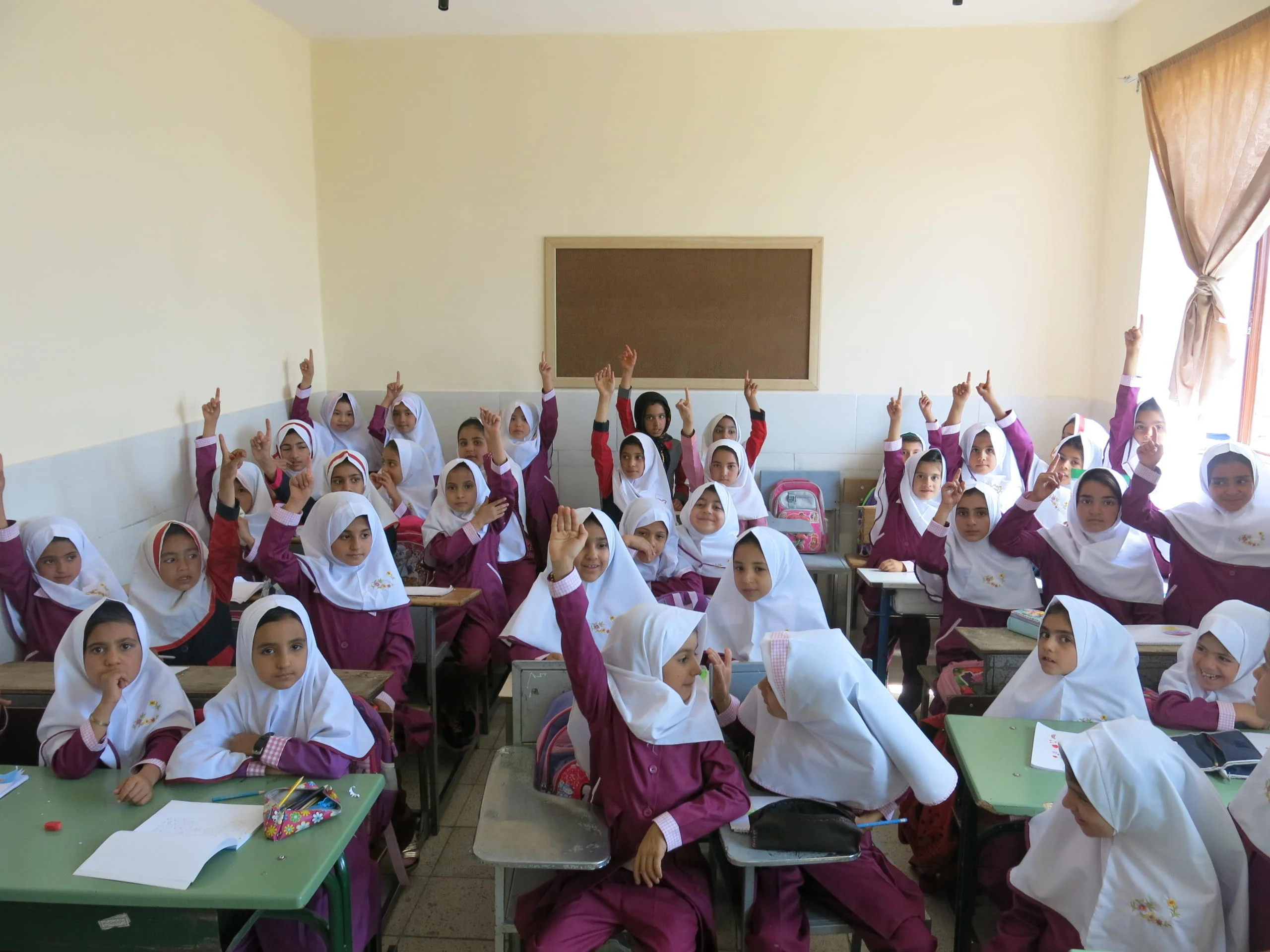
One of the most visible aspects of the Iran sanctions impact is the strain placed on educational institutions.
Restrictions tied to financial systems and global partnerships have resulted in:
- Reduced international academic collaborations
- Barriers to accessing global research databases
- Difficulty in funding educational programs
Research shows sanctions have also affected school participation and broader economic conditions tied to education outcomes.
Additionally, Iranian students studying abroad face payment challenges and financial restrictions, limiting global mobility and opportunity.
A university professor in Tehran explained:
“We are not lacking talent—we are lacking access.”
Cultural Isolation and Global Perception
The Iran sanctions impact is also being felt in the cultural sphere.
Observers note:
- Limited international exposure for Iranian artists and scholars
- Reduced cultural exchanges and collaborations
- Increased reliance on domestic cultural production
Media narratives and geopolitical tensions further shape global perceptions, often reinforcing isolation.
A cultural commentator noted:
“When a country is isolated economically, its culture often becomes isolated too.”
Digital Restrictions and Knowledge Access
Technology plays a critical role in modern education, yet sanctions have complicated digital access.
Challenges include:
- Limited access to international platforms and tools
- Restrictions on software, cloud services, and academic tools
- Barriers to online learning environments
These restrictions contribute to the broader Iran sanctions impact, particularly for younger generations dependent on digital connectivity.
Economic Pressure Driving Social Change
The economic dimension remains central to the Iran sanctions impact.
Studies indicate:
- Shrinking middle class and rising inequality
- Inflation and currency instability
- Reduced job opportunities for educated youth
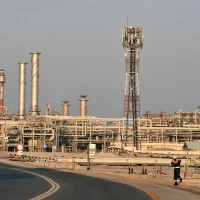
Sanctions have significantly reduced oil revenues and foreign investment, weakening the country’s economic foundation.
This economic strain directly influences education and cultural sectors by limiting funding and opportunity.
Humanitarian and Healthcare Effects
Sanctions have also had humanitarian consequences that indirectly affect education and culture.
Reports indicate:
- Reduced access to healthcare and medical supplies
- Impact on vulnerable populations, including students
- Increased pressure on public services
Even when exemptions exist, financial restrictions often limit their effectiveness.
“The ripple effects of sanctions extend far beyond their intended targets,”
one policy analyst noted.
Youth and Brain Drain Concerns
The younger generation is particularly affected by the Iran sanctions impact.
Key trends include:
- Increased desire to study or work abroad
- Limited domestic opportunities
- Growing uncertainty about the future
This has led to concerns about brain drain, where skilled individuals leave the country in search of better prospects.
A student shared:
“We want to contribute, but the system around us is closing doors.”
Official Positions and Global Debate
Iranian officials have criticized sanctions as a form of “economic warfare,” arguing that they disproportionately affect civilians rather than policymakers.
Meanwhile, officials in Washington and Tel Aviv maintain that sanctions are necessary to address security concerns and limit strategic threats.
This divide highlights a central debate:
- Are sanctions targeted tools or broad societal pressures?
- Do they achieve policy goals or create unintended consequences?
The Iran sanctions impact remains at the center of this global discussion.
Broader Geopolitical Context
The current situation is deeply rooted in long-standing tensions involving Iran, Israel, and the United States.
These tensions include:
- Nuclear program disputes
- Regional proxy conflicts
- Strategic influence in the Middle East
Recent developments suggest that the conflict is expanding into new domains, including economic and cultural influence.
What Comes Next?
The future trajectory of the Iran sanctions impact will depend on several factors:
- Diplomatic negotiations
- Policy adjustments
- Regional stability
Possible outcomes include easing restrictions through agreements or further tightening in response to escalating tensions.
A Crisis Beyond Economics
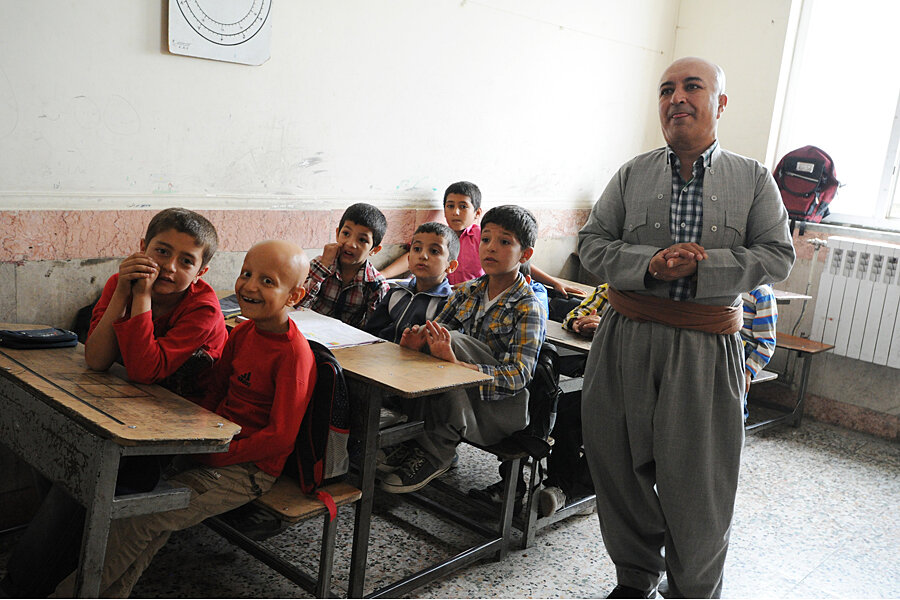
The Iran sanctions impact is no longer limited to financial systems—it is shaping education, culture, and daily life in Iran.
“This is not just about sanctions—it’s about the future of a generation,”
an analyst warned.
As global tensions persist, the consequences of these policies will likely continue to evolve, influencing not only Iran but also broader international relations and societal dynamics.