Washington / Beirut, March 26, 2026 (Brussels Morning Newspaper) Global security threat alert intensified sharply this week as a senior counterterrorism official resigned in protest over the United States’ escalating military posture toward Iran, while the Israeli army simultaneously issued new evacuation warnings to residents in southern Lebanon.
The convergence of these developments has sparked growing concern among analysts, diplomats, and defense insiders who warn that the region may be entering one of its most volatile periods in recent years.
Resignation Signals Deep Internal Divisions
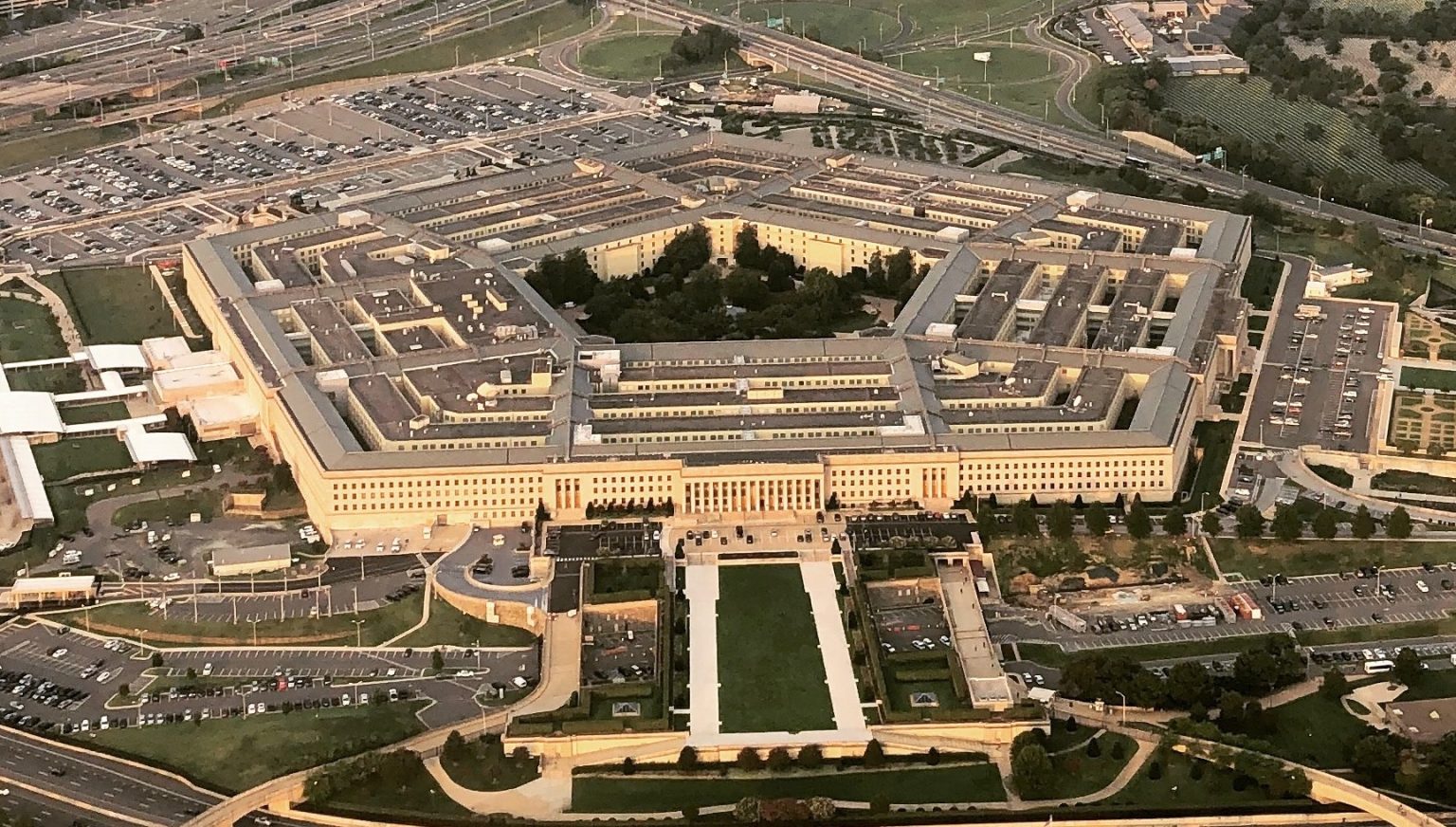
The resignation of a top-ranking counterterrorism official—whose identity remains closely guarded due to ongoing security sensitivities—has sent shockwaves through Washington’s intelligence and defense communities.
Sources familiar with the situation indicate the official stepped down in protest of what they described as a “rapid and dangerous escalation strategy” toward Iran. The official reportedly raised concerns that current actions could trigger unintended regional conflict.
A senior defense analyst summarized the gravity of the situation, stating:
“This is not just a resignation—it’s a warning from inside the system that the current path could spiral into a broader confrontation.”
The move highlights deepening divisions within U.S. leadership circles over how to handle rising tensions with Iran, particularly as military activity in the region intensifies.
Israeli Army Issues Urgent Evacuation Warnings
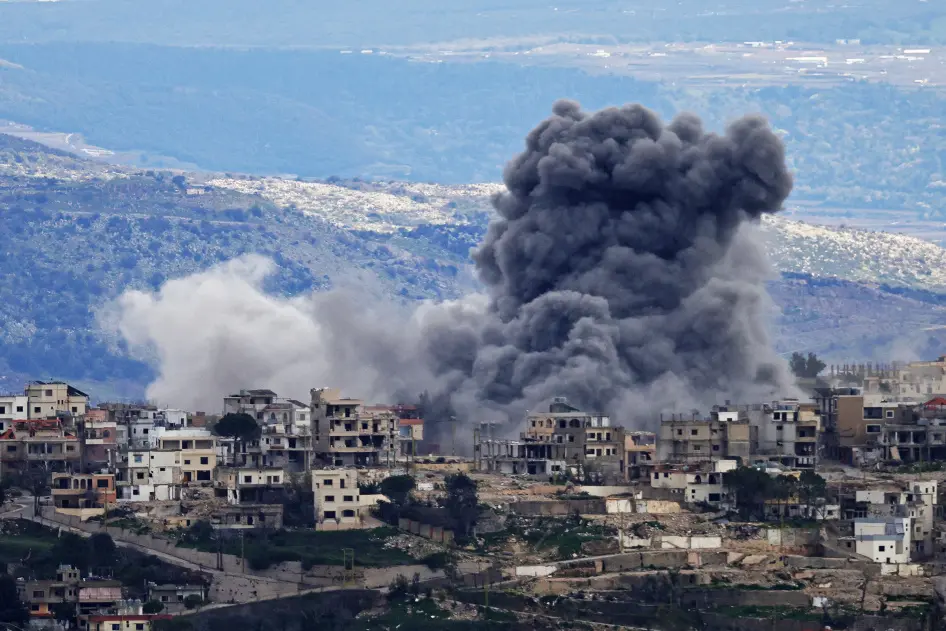
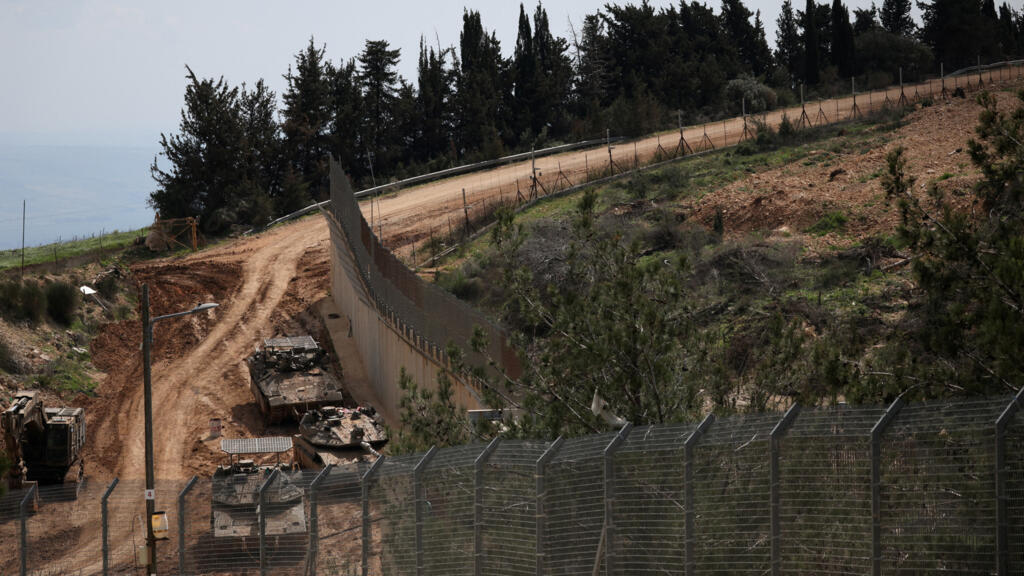
At the same time, the Israeli military issued new warnings urging residents in southern Lebanon to evacuate areas believed to be at risk of potential strikes. The warnings were reportedly directed at communities suspected of proximity to militant infrastructure.
These alerts have heightened fears of a wider cross-border escalation involving Hezbollah, the Iran-backed group operating in Lebanon.
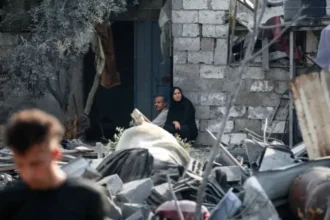
Eyewitness accounts from the region describe growing panic among civilians, with families scrambling to relocate amid uncertainty about the scale and timing of possible military operations.
A local resident reportedly said:
“We’ve seen warnings before, but this time feels different. People are afraid this could turn into something much bigger.”
Rising US-Iran Tensions Fuel Global Security Concerns
The resignation comes at a time when tensions between the United States and Iran have reached a critical point. Recent incidents involving drone interceptions, naval movements, and strategic deployments have increased the likelihood of direct confrontation.
Defense officials have emphasized that current operations are aimed at deterrence. However, critics argue that the buildup of military assets risks miscalculation.
The global security threat alert narrative is now gaining traction among international observers, with concerns that a single misstep could ignite a broader regional conflict involving multiple actors.
Regional Domino Effect: Lebanon at the Center
Lebanon has once again found itself at the center of geopolitical tensions. The Israeli evacuation warnings suggest that southern Lebanon may become a focal point in any expanded conflict scenario.
Experts warn that any escalation in this area could draw in Hezbollah, significantly increasing the scale and complexity of hostilities.
The region’s fragile stability, already strained by economic hardship and political instability, faces additional pressure as security risks mount.
Strategic Implications for Global Stability
The combination of a high-profile resignation and military escalation across multiple fronts is raising alarms beyond the Middle East.
Global markets, energy supply chains, and international security frameworks could all be impacted if tensions continue to rise.
Analysts note that the situation reflects a broader shift toward heightened geopolitical instability, where localized conflicts can quickly escalate into global crises.
Historic Context: A Familiar but Dangerous Pattern
This is not the first time internal dissent has surfaced during periods of escalating U.S. military engagement in the Middle East. Historically, such resignations have often preceded significant shifts in policy or major developments on the ground.
What makes the current situation particularly concerning is the simultaneous buildup of tensions across multiple regions, including the Persian Gulf and the Israel-Lebanon border.
The global security threat alert environment reflects a convergence of risks that could redefine the geopolitical landscape in the coming months.
Public Reaction and Political Fallout
The resignation has sparked debate among lawmakers and policy experts, with some calling for greater transparency regarding U.S. strategy in the region.
Others argue that the move underscores the need for a reassessment of current policies to prevent further escalation.
Public opinion appears divided, with some supporting a strong stance against Iran, while others fear the consequences of prolonged conflict.
What Happens Next?
Why This Matters Now
The resignation of a top counterterrorism official, combined with Israeli evacuation warnings in southern Lebanon, signals a dangerous escalation in an already tense geopolitical environment.
Key Takeaways
- Internal U.S. divisions are becoming more visible
- Israeli military warnings raise fears of cross-border conflict
- US-Iran tensions continue to intensify
- Lebanon may become a central flashpoint
- Global stability faces increasing risk
Final Insight
The global security threat alert is no longer a distant concern—it is an immediate reality shaping decisions at the highest levels of power.