Riyadh, Tehran, April 7, 2026 — Brussels Morning Newspaper — Middle East oil crisis is intensifying after the Islamic Revolutionary Guard Corps claimed responsibility for coordinated strikes targeting major petrochemical facilities in Saudi Arabia. The attacks were described as retaliation for recent strikes in Shiraz, pushing regional tensions into a dangerous new phase.
- Retaliation After Shiraz Strikes
- High-Value Targets: Petrochemical Facilities
- Saudi Arabia Condemns the Attacks
- Global Reaction and Diplomatic Pressure
- Energy Markets React Immediately
- Military Capabilities and Execution
- A Broader Pattern of Escalation
- Risk of Wider Conflict
- Impact on Global Economy
- Diplomatic Efforts Intensify
- Human and Regional Impact
- What Comes Next?
- A Crisis with Global Stakes
The developments are already impacting global markets, with analysts warning that the situation could evolve into a broader geopolitical and economic crisis.
Retaliation After Shiraz Strikes
Iranian officials linked the escalation directly to the Shiraz incident, where infrastructure damage and reported casualties triggered strong political and military reactions. The IRGC framed the operation as a calculated response rather than an act of escalation.
A senior IRGC spokesperson stated:
“This response is measured but decisive. Any aggression against Iran will be answered with force.”
The statement signals a continued willingness to retaliate, fueling concerns that the Middle East oil crisis may deepen further in the coming days.
High-Value Targets: Petrochemical Facilities
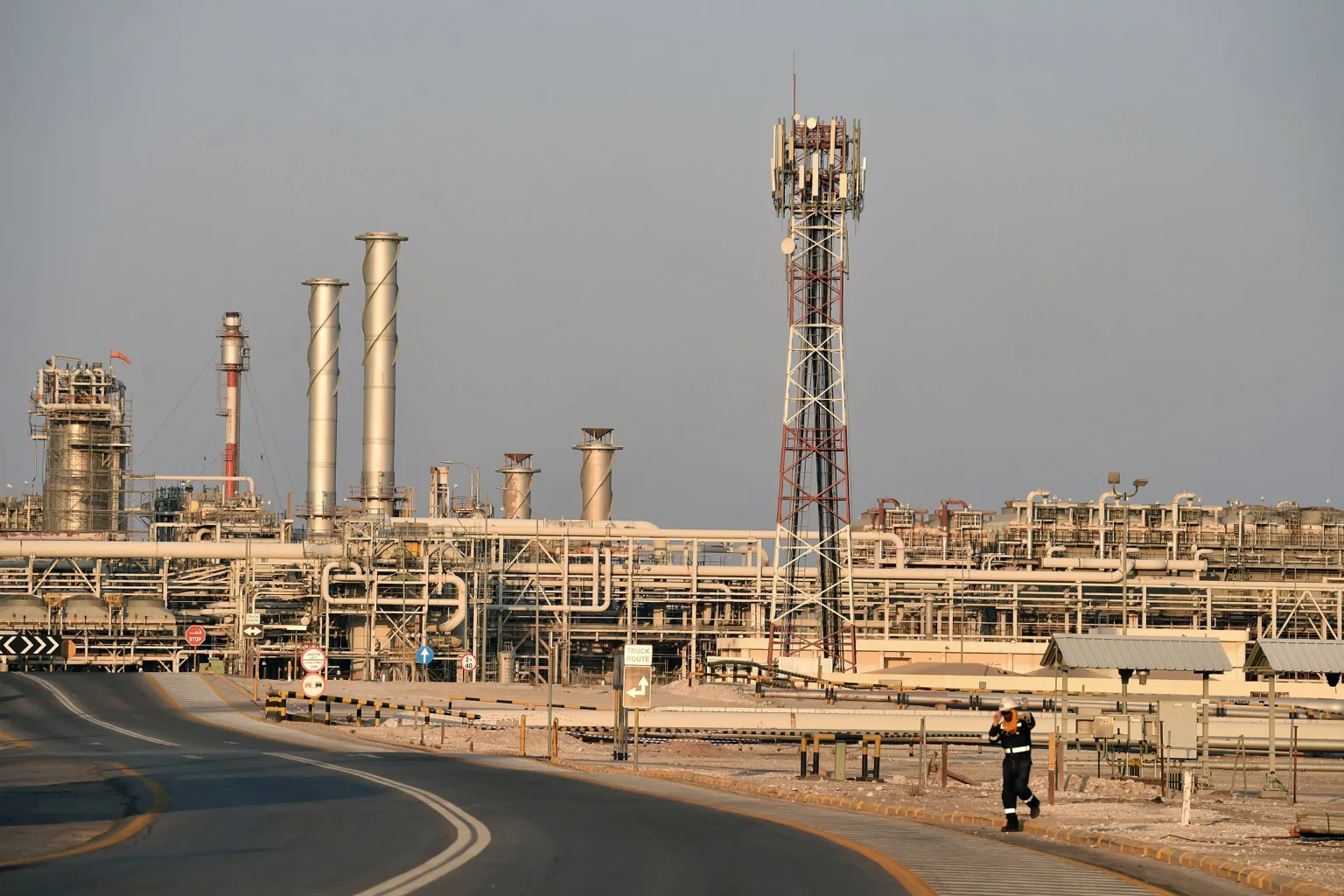
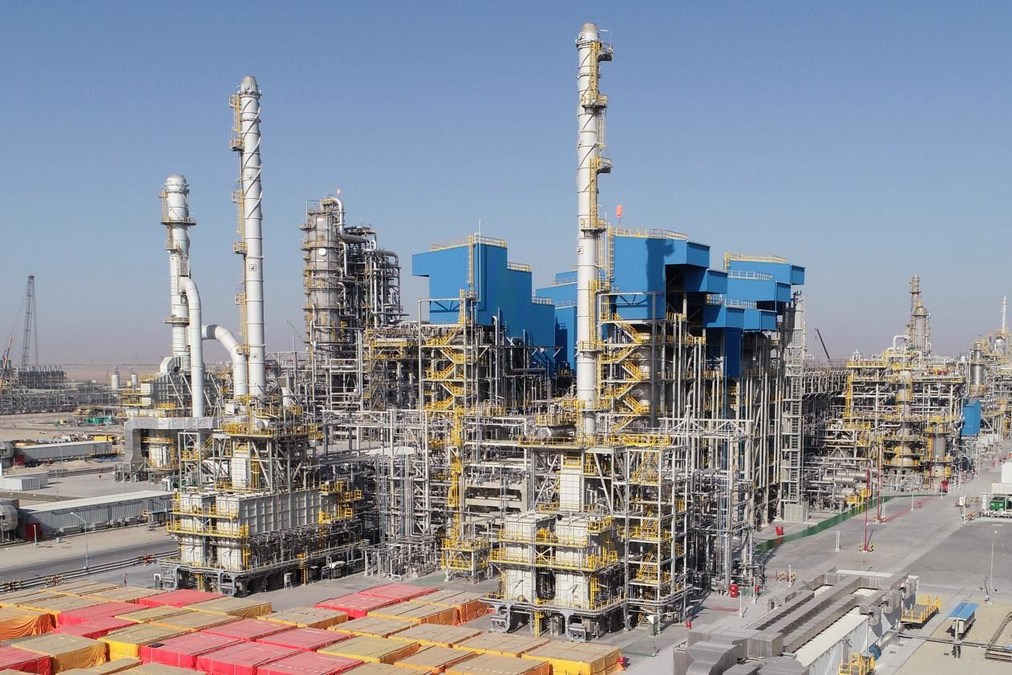
The attacks focused on Saudi Arabia’s petrochemical infrastructure—critical assets that support both domestic production and global energy supply.
Experts highlight why these facilities were targeted:
- Central to oil refining and export operations
- Essential to global supply chains
- Symbolically significant in economic warfare
A regional analyst explained:
“Targeting petrochemical facilities is not just about damage—it’s about disrupting confidence in global energy security.”
Saudi authorities confirmed that multiple sites were affected, though full damage assessments remain ongoing.
Saudi Arabia Condemns the Attacks
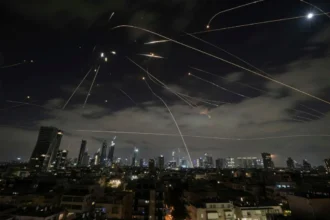
Saudi leadership issued a strong condemnation, labeling the strikes as a violation of sovereignty and international norms. Officials indicated that air defense systems intercepted several threats but acknowledged that some impacts occurred.
In an official response, Saudi officials stated:
“We will respond decisively to any act that threatens our national security and economic stability.”
This response raises the risk of retaliatory action, potentially intensifying the Middle East oil crisis.
Global Reaction and Diplomatic Pressure
The escalation has drawn immediate global attention.
- The United Nations called for restraint and dialogue
- The United States warned about risks to global energy markets
- European leaders urged de-escalation to avoid further instability
A U.S. official commented:
“The stability of global energy supply is directly linked to peace in this region.”
The international response underscores how the Middle East oil crisis extends far beyond regional boundaries.
Energy Markets React Immediately
Markets responded swiftly to the news, reflecting heightened uncertainty:
- Oil prices surged amid supply fears
- Shipping routes faced increased risk premiums
- Investors shifted toward safer assets
An energy strategist noted:
“Even limited disruptions in Saudi infrastructure can ripple across global markets within hours.”
The Middle East oil crisis is now influencing not just energy prices but broader economic sentiment.
Military Capabilities and Execution
The operation demonstrated the IRGC’s evolving capabilities, including:
- Long-range precision missiles
- Advanced drone technology
- Coordinated multi-site targeting
Defense experts believe the attack reflects a strategic approach designed to maximize impact while controlling escalation.
“This is calculated pressure, not random aggression,”
one analyst said.
A Broader Pattern of Escalation
The current situation reflects deeper geopolitical tensions that have been building over time.
Key contributing factors include:
- Long-standing rivalry between Iran and Saudi Arabia
- Ongoing regional proxy conflicts
- Increasing reliance on asymmetric warfare
The Middle East oil crisis is now part of a larger pattern of instability affecting multiple countries and alliances.
Risk of Wider Conflict
One of the most pressing concerns is whether the situation will escalate further.
Potential scenarios include:
- Direct military confrontation between regional powers
- Expanded attacks on energy infrastructure
- Involvement of global military alliances
Analysts warn that even a limited escalation could have far-reaching consequences.
Impact on Global Economy
The economic implications are significant:
- Rising fuel costs for consumers
- Increased inflationary pressure
- Supply chain disruptions
The Middle East oil crisis is not just a regional issue—it is a global economic concern affecting industries and households worldwide.
Diplomatic Efforts Intensify
Behind the scenes, diplomatic efforts are underway to prevent further escalation.
These include:
- Emergency consultations at the UN
- Backchannel negotiations
- Calls for immediate ceasefire
However, progress remains uncertain as tensions remain high.
Human and Regional Impact
Beyond economic and political implications, the crisis also affects people on the ground:
- Workers in energy facilities face increased risks
- Local communities experience uncertainty
- Regional stability continues to deteriorate
The human cost of the Middle East oil crisis is often overshadowed by its geopolitical significance.
What Comes Next?
The coming days will be critical in determining the trajectory of the crisis.
Key developments to watch include:
- Saudi Arabia’s potential response
- Further Iranian military or political actions
- International mediation efforts
Observers agree that the situation remains volatile and unpredictable.
A Crisis with Global Stakes
The Middle East oil crisis has entered a new and dangerous phase following IRGC claims of attacks on Saudi petrochemical facilities in retaliation for the Shiraz strikes.
“This moment could define the next chapter of regional conflict,” a geopolitical analyst warned.
With global energy markets already reacting and tensions continuing to rise, the world is watching closely. Whether diplomacy can contain the situation or whether it escalates further remains one of the most pressing questions facing the international community today.