Middle East — March 10, 2026 — Brussels Morning Newspaper — The Iran missile threat has become a central issue in international diplomacy as Tehran signaled it may rely on powerful missile capabilities while rejecting renewed political talks with former U.S. President Donald Trump.
The announcement has drawn significant attention from governments around the world as leaders attempt to evaluate the potential consequences of escalating military rhetoric. Analysts say the Iran missile threat reflects deeper geopolitical tensions that have been building for several years across the region.
The Middle East remains one of the most strategically sensitive regions on earth due to its energy resources, trade routes, and complex network of alliances. Because of this, developments involving Iran’s military capabilities often receive immediate global attention.
Diplomats are now urging restraint while emphasizing that dialogue remains the most effective way to prevent further escalation.
Tehran Rejects Political Negotiations
Iranian officials recently stated that the country would not participate in renewed negotiations under the current political circumstances. The rejection came alongside renewed emphasis on Iran’s missile capabilities.
For Tehran, missile forces represent a central pillar of national defense. Officials argue that maintaining strong deterrence capabilities is essential for protecting the country from external threats.
The Iran missile threat therefore serves not only as a military posture but also as a political signal intended to demonstrate that Iran will not compromise its security interests.
Political analysts believe the decision reflects ongoing mistrust between Iran and Western governments that has persisted since the collapse of previous diplomatic agreements.
Strategic Value of Iran’s Missile Arsenal
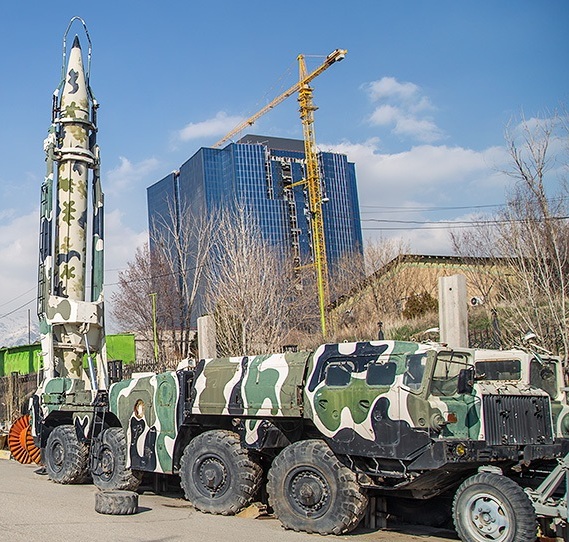
Iran has invested heavily in missile technology for decades. Military experts believe the country now possesses one of the largest missile arsenals in the Middle East.
These capabilities form the foundation of the Iran missile threat that many governments consider when evaluating regional security dynamics.
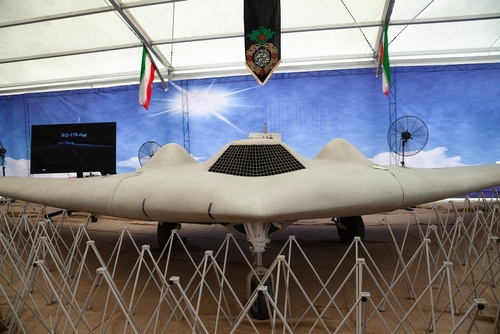
Iran’s missile systems include both short range and long range weapons designed for various strategic scenarios. Some missiles are capable of precision strikes while others are designed for broader deterrence.
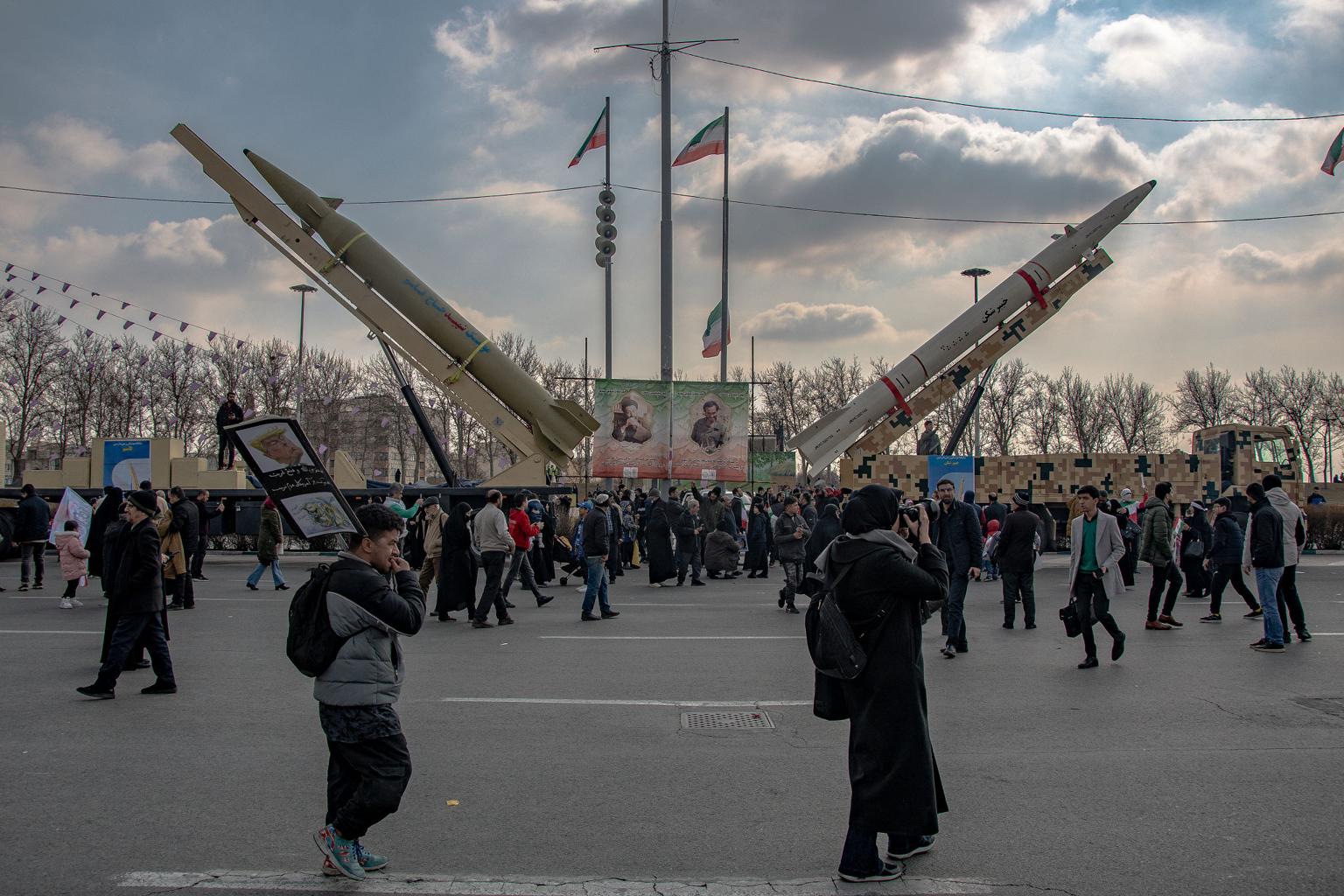
Tehran frequently conducts military exercises to demonstrate the readiness of its missile forces. These exercises often showcase new technological developments aimed at improving range, accuracy, and survivability.
Supporters of Iran’s defense strategy argue that missile development is necessary to maintain balance in a region characterized by complex military alliances.
Global Reaction to Tehran’s Statement
International reactions to the Iran missile threat have been cautious but concerned. Governments across Europe, Asia, and the Middle East have emphasized the importance of diplomacy in preventing further escalation.
Some countries have warned that increased military rhetoric could create additional instability in a region already facing numerous geopolitical challenges.
Others have pointed out that diplomatic engagement remains the most effective tool for resolving disputes between nations.
One European security official summarized the situation by saying:
“Diplomacy remains the only realistic path toward reducing tensions in such a sensitive region.”
Economic Implications for Global Markets
Developments surrounding the Iran missile threat are closely watched by financial markets and energy analysts.
The Middle East produces a large portion of the world’s oil supply, making the region extremely important for global economic stability.
Any escalation in military tensions could disrupt production or transportation routes, potentially affecting global energy prices.
Investors therefore pay close attention to diplomatic developments in the region.
Shipping lanes that pass through Middle Eastern waters are also critical to international trade. Even minor disruptions could have ripple effects across global supply chains.
Security Concerns Across the Region
Security analysts warn that prolonged geopolitical tension could increase the risk of accidental confrontation.
Military forces operating in close proximity sometimes face the danger of miscommunication or miscalculation.
The Iran missile threat has therefore become a major topic in international security discussions.
Governments are encouraging communication channels that could reduce misunderstandings and maintain regional stability.
Another security expert commented on the situation:
“Strong deterrence can prevent conflict, but diplomacy must guide how nations manage their differences.”
Historical Background of Iran’s Missile Development
The origins of Iran’s missile program can be traced back several decades to periods when the country faced international restrictions on military imports.
Unable to acquire certain advanced weapons systems from abroad, Iran invested heavily in domestic research and development programs.
Over time these initiatives produced a wide range of missile technologies designed for both defensive and strategic purposes.
Today the Iran missile threat is widely recognized as a significant factor shaping regional military balance.
Iranian engineers continue to develop new systems aimed at improving accuracy and operational capability.
The evolution of this program reflects how geopolitical pressure often drives technological innovation in national defense sectors.

Humanitarian Concerns Amid Rising Tensions
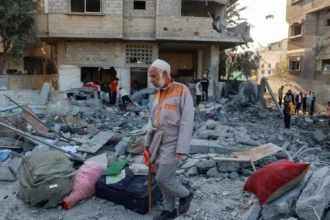
While geopolitical and economic considerations dominate headlines, humanitarian organizations warn that escalation could have serious consequences for civilian populations.
Military conflict often leads to displacement, infrastructure damage, and economic hardship for communities living in affected regions.
Reducing tensions related to the Iran missile threat is therefore considered a priority by many international organizations.
Diplomatic engagement can help prevent humanitarian crises while promoting stability.
International leaders frequently stress that dialogue should remain the first option whenever possible.
Diplomatic Efforts Continue Behind the Scenes
Despite the strong rhetoric from various parties, diplomatic discussions continue quietly behind the scenes.
Governments often pursue private negotiations aimed at reducing tensions and identifying potential compromises.
Many previous conflicts have eventually moved toward negotiation after periods of heightened rhetoric.
Diplomats believe maintaining communication channels is essential for preventing misunderstandings that could lead to unintended escalation.
The Iran missile threat therefore remains part of a broader diplomatic landscape where multiple governments are attempting to stabilize the situation.
Global Security at a Critical Crossroads
The evolving geopolitical situation surrounding Iran has placed the region at a critical crossroads.
Decisions made in the coming months could shape the future of regional stability for years to come.
Many experts believe diplomacy still has an opportunity to ease tensions if leaders are willing to engage in constructive dialogue.
However continued military signaling could increase uncertainty.
The Iran missile threat serves as a reminder of how quickly geopolitical dynamics can influence international security.
A Moment That Will Test International Diplomacy
As global leaders monitor developments, the international community faces a complex challenge balancing deterrence and diplomacy.
Iran’s emphasis on missile capabilities underscores the strategic calculations that shape national defense policies.
At the same time many governments continue to advocate for negotiation as the most effective way to prevent conflict.
The Iran missile threat therefore represents not only a military issue but also a diplomatic test for the global community.
Final Overview of the Developing Situation
The Iran missile threat has become one of the most closely watched geopolitical developments of the year. Tehran’s rejection of renewed talks combined with its emphasis on missile capabilities has intensified international attention.
Governments across the world are urging restraint while continuing diplomatic engagement aimed at reducing tensions.
The situation highlights the delicate balance between national security interests and the need for global stability.
While military preparedness remains an important aspect of defense strategy, long term peace in the region will likely depend on successful diplomacy and international cooperation.
For now global leaders continue to monitor developments carefully as the future of regional stability remains uncertain.