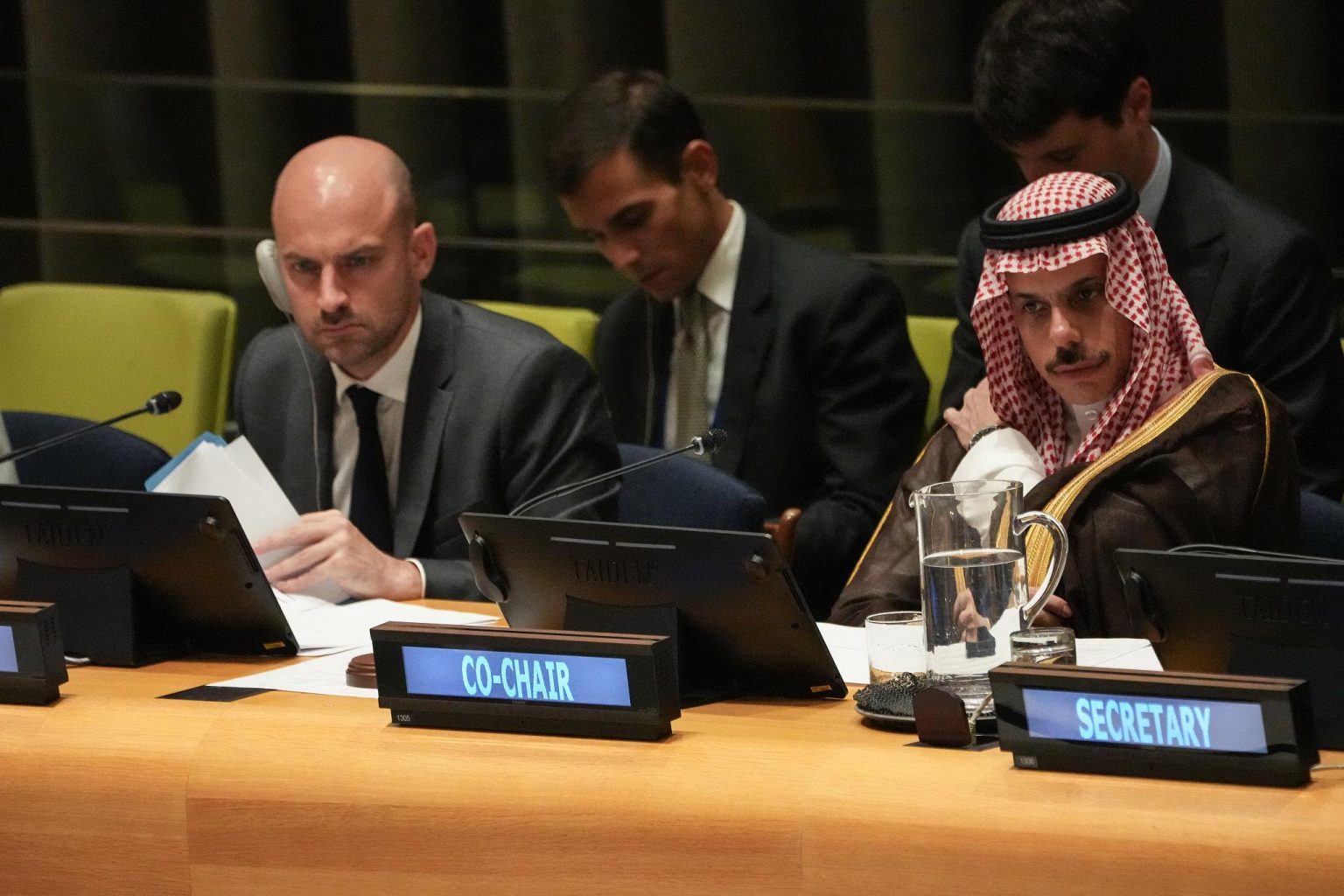
Middle East — March 10, 2026 — Brussels Morning Newspaper — As tensions continue to ripple across the region, Iran ceasefire talks have emerged as a central focus of international diplomacy. Governments from several major powers have reportedly reached out to Iranian officials urging restraint and negotiation.
The latest diplomatic activity highlights how seriously world leaders are treating the situation. Rising military tension in the region has sparked fears that localized conflict could expand into a broader confrontation affecting global security and economic stability.
China and Russia are among the nations actively communicating with Tehran. Their involvement reflects a shared concern among global powers that escalation could threaten international trade routes, energy supply chains, and geopolitical stability.
Diplomats believe early negotiation is the most effective method to prevent long term confrontation. For that reason Iran ceasefire talks have quickly moved to the center of global diplomatic discussions.
The coming weeks could determine whether diplomatic engagement succeeds in calming tensions or whether the region faces further uncertainty.
Global Leaders Seek Calm Through Negotiation
As international concern grows, Iran ceasefire talks have become a key priority for governments seeking stability. Diplomatic channels between several countries have intensified as leaders attempt to encourage dialogue rather than confrontation.
China’s outreach is particularly notable. Beijing has expanded its diplomatic presence in the Middle East over the past decade and increasingly positions itself as a mediator in complex international disputes.
Russia also maintains strong regional relationships and continues to encourage negotiation between involved parties. The country has historically played a role in several Middle Eastern diplomatic efforts.
Together these diplomatic initiatives signal a broader international effort aimed at reducing tensions before they escalate further.
One senior diplomat involved in regional discussions said:
“Diplomacy must remain the first option whenever tensions threaten regional stability.”
Strategic Importance of the Middle East
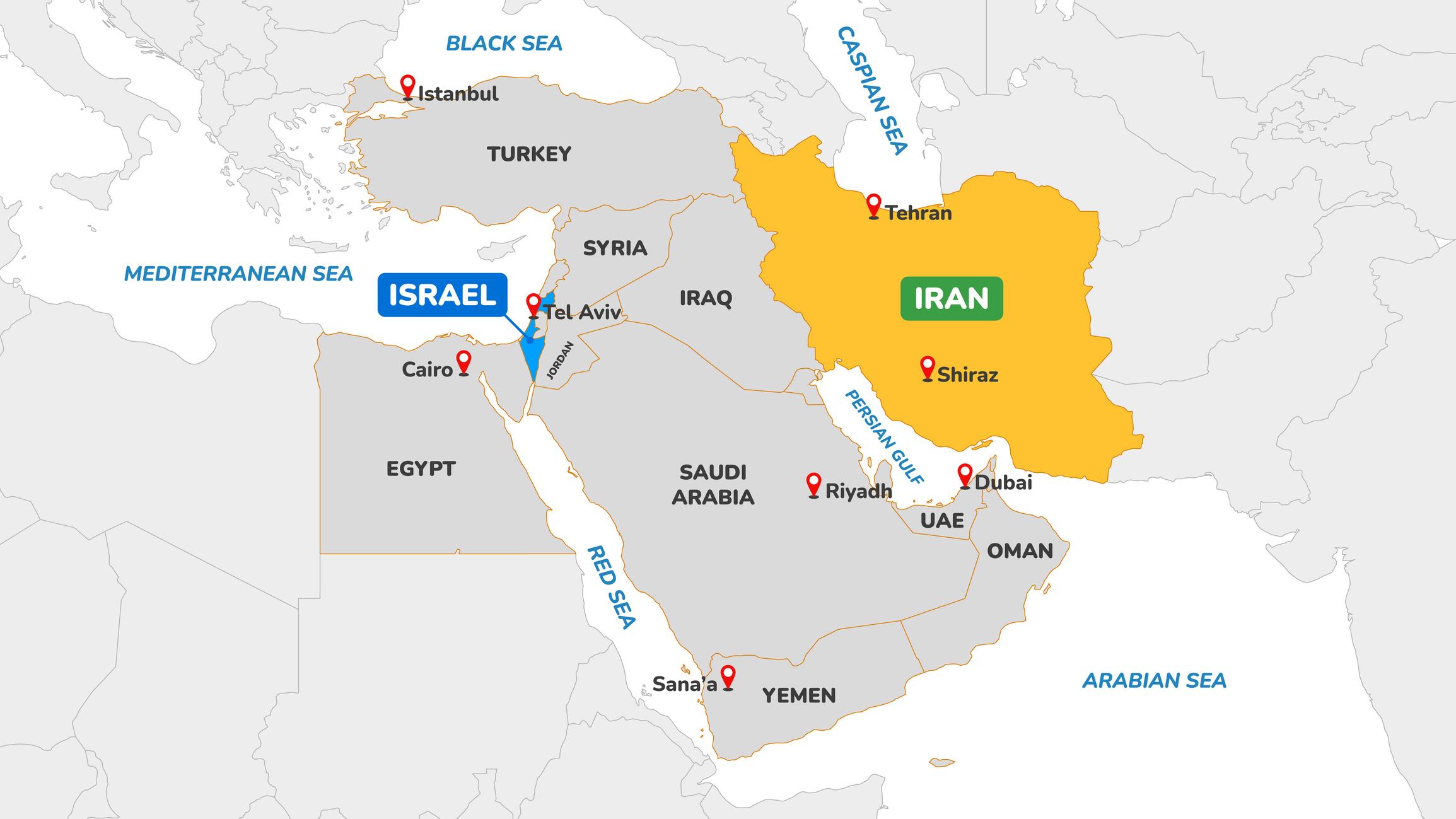
The urgency surrounding Iran ceasefire talks stems from the strategic importance of the Middle East in global politics and economics.
The region hosts critical energy infrastructure and some of the world’s most important shipping routes. Oil and natural gas production across the Middle East plays a major role in stabilizing global energy markets.
Any prolonged conflict could disrupt these supply chains and drive economic uncertainty worldwide. Because of this risk governments across Europe, Asia, and North America are closely monitoring developments.
Shipping lanes through the region carry enormous volumes of global trade. Even limited disruptions could cause ripple effects across supply chains that affect industries around the world.
These realities explain why diplomatic activity surrounding Iran ceasefire talks has intensified so quickly.
China’s Expanding Diplomatic Influence
China’s involvement in Iran ceasefire talks reflects its growing role in global diplomacy. Beijing has steadily increased its engagement across the Middle East through economic partnerships, infrastructure investments, and diplomatic initiatives.
Chinese leaders have emphasized stability as a priority for maintaining global economic growth. Because China relies heavily on imported energy resources, the country has a direct interest in preventing disruptions to regional supply chains.
In recent years China has also attempted to position itself as a mediator capable of facilitating dialogue between rival nations.
By encouraging negotiations through Iran ceasefire talks, Beijing is reinforcing its strategy of promoting diplomatic solutions while protecting its economic interests.
Russia’s Strategic Calculations
Russia’s outreach to Iran highlights Moscow’s continuing involvement in Middle Eastern geopolitics. Russia maintains longstanding partnerships with several governments in the region and has historically advocated diplomatic engagement as a path to stability.
Russian officials believe dialogue may help prevent escalation that could alter regional alliances and security dynamics.
A diplomatic source familiar with discussions explained:
“Preventing further escalation benefits every country that depends on stability in global energy markets.”
This perspective reflects broader concerns that conflict could disrupt global economic systems as well as political relationships.
Economic Implications of Rising Tensions
Financial markets tend to react quickly when geopolitical tensions emerge in key regions. The Middle East holds enormous influence over energy markets and transportation routes.
Investors therefore pay close attention to developments surrounding Iran ceasefire talks.
Oil prices often fluctuate in response to regional instability because even small disruptions can affect supply expectations. Energy analysts frequently view diplomatic progress as a signal that market volatility may ease.
Trade routes across the Middle East are also vital for global commerce. Shipping disruptions could influence everything from manufacturing costs to consumer prices.
These economic factors explain why diplomatic negotiations receive significant attention from governments and financial institutions alike.
Security Risks if Diplomacy Fails
Security analysts warn that the consequences of failed negotiations could be serious. Prolonged military tensions increase the likelihood of accidental confrontations or unintended escalation.
Strategic infrastructure including ports, pipelines, and military bases could become vulnerable targets if tensions intensify.
Iran ceasefire talks represent one of the most important opportunities to reduce those risks through dialogue.
Maintaining open communication channels between governments helps prevent misunderstandings that might otherwise trigger further confrontation.
For that reason diplomatic engagement remains a central strategy for many international leaders.
History of Ceasefire Diplomacy in the Region
The Middle East has experienced numerous periods of conflict over the past several decades. Many of those confrontations eventually shifted toward negotiated ceasefires facilitated by international mediation.
These agreements often required patience, compromise, and sustained diplomatic engagement.
Previous ceasefires sometimes served as temporary pauses allowing humanitarian assistance and further negotiation. In other cases they created the foundation for long term political settlements.
Iran ceasefire talks fit into this broader historical pattern where diplomacy attempts to prevent conflicts from expanding beyond their initial scope.
Understanding this history helps explain why many governments are emphasizing negotiation today.
Humanitarian Stakes of Regional Conflict
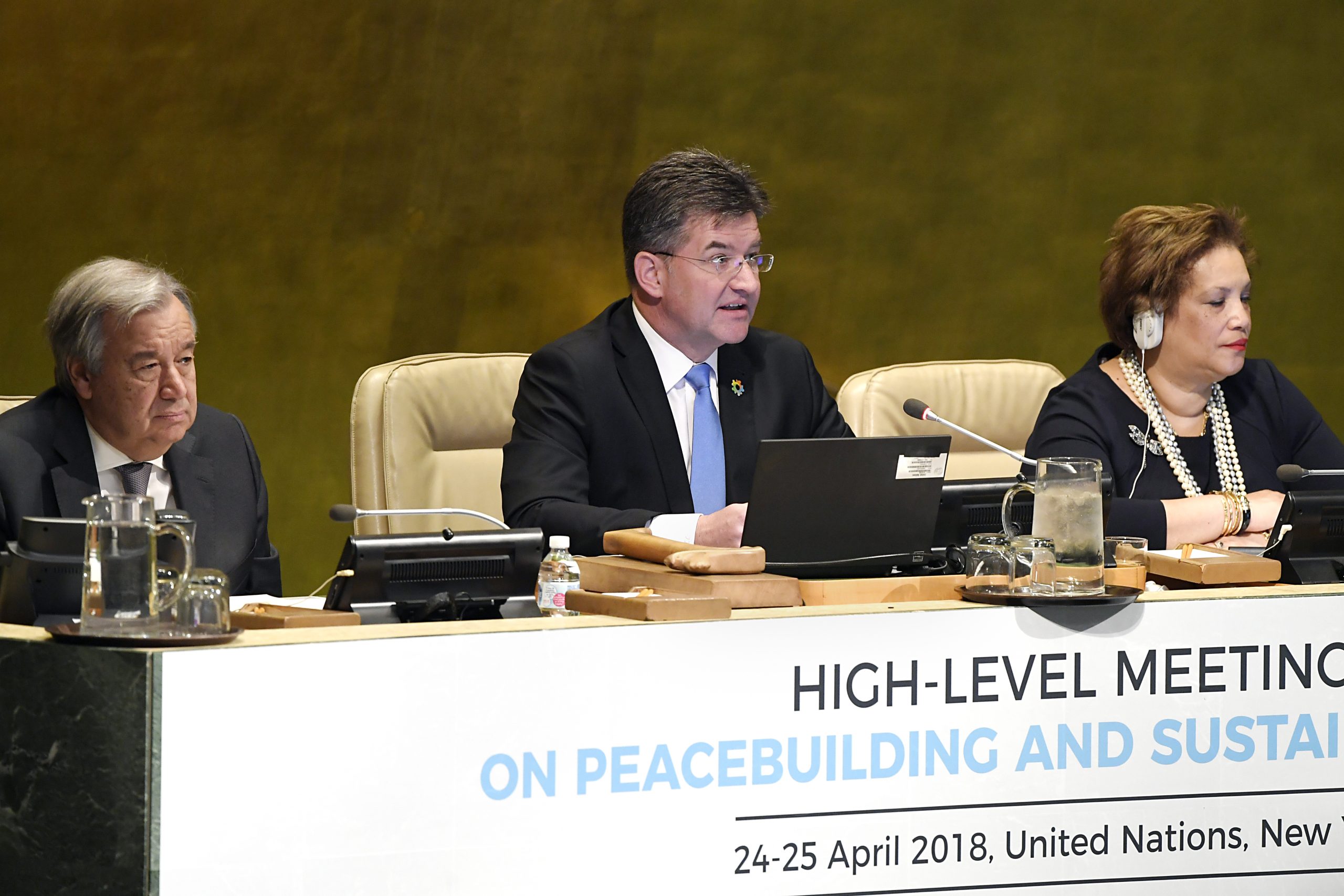
While geopolitical and economic considerations often dominate headlines, humanitarian concerns also play a critical role in diplomatic efforts.
Escalating tensions can lead to civilian displacement, infrastructure damage, and humanitarian crises affecting millions of people.
International organizations emphasize that diplomacy provides the best opportunity to protect civilian populations.
Iran ceasefire talks therefore represent not only a political effort but also a humanitarian priority.
Reducing the risk of conflict helps preserve stability for communities living across the region.
Diplomatic Signals From the International Community
Governments worldwide continue to send signals encouraging restraint and negotiation.
European leaders have echoed calls for diplomacy while urging all parties to avoid actions that could escalate tensions.
International organizations have also emphasized the importance of dialogue in maintaining global security.
Iran ceasefire talks are therefore receiving support from a wide range of governments and institutions.
This unified diplomatic approach reflects growing recognition that modern conflicts require coordinated international responses.
Global Markets Watch Developments Closely
Financial markets remain highly sensitive to geopolitical developments in energy producing regions.
Traders frequently adjust expectations based on diplomatic signals and security developments.
Progress in Iran ceasefire talks may help calm markets and restore investor confidence.
Conversely any signs of escalation could trigger volatility across energy and commodity markets.
Because of these economic implications investors and policymakers alike are closely monitoring diplomatic negotiations.
Quiet Diplomacy Behind Closed Doors
Much of the progress in international negotiations occurs away from public view.
Diplomats often work behind closed doors to build consensus and explore compromises before official announcements are made.
Iran ceasefire talks may follow this same pattern where initial discussions eventually lead to formal agreements.
History shows that quiet diplomacy can sometimes produce breakthroughs when public negotiations stall.
For global leaders seeking stability the priority remains preventing tensions from escalating into open conflict.
A Moment That Could Shape Regional Stability
The coming weeks may prove decisive for the future of the Middle East.
Iran ceasefire talks represent a crucial opportunity for diplomacy to reduce tensions and create space for broader negotiations.
If successful these diplomatic efforts could stabilize the region and prevent further military escalation.
Failure however could lead to continued uncertainty that affects international security and economic stability.
For now global leaders continue to prioritize negotiation as the most effective path toward peace.
The World Watches As Diplomacy Continues
International attention remains focused on the evolving diplomatic landscape.
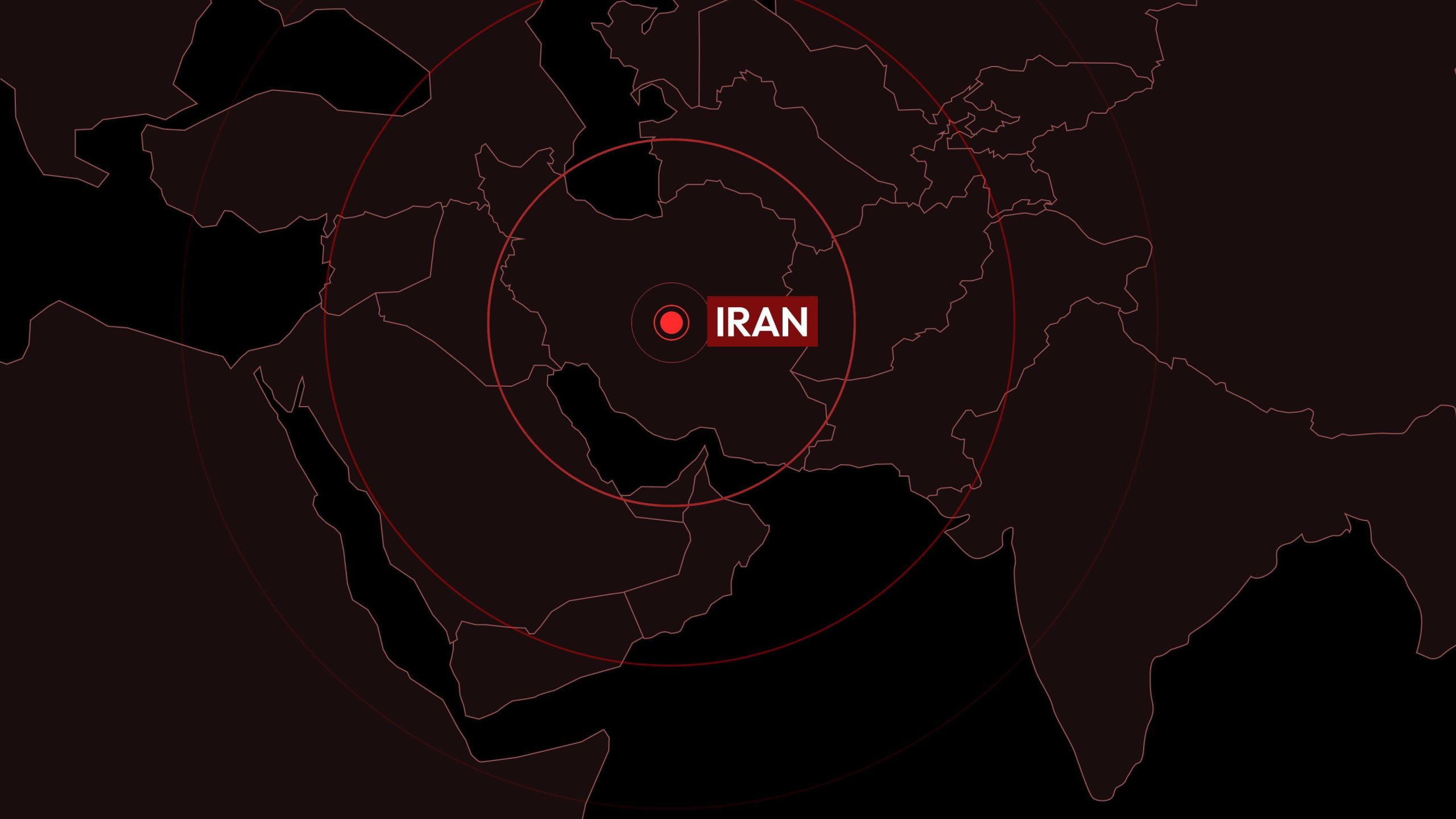
Iran ceasefire talks have become one of the most closely watched geopolitical developments of 2026.
Governments, markets, and humanitarian organizations all recognize the importance of maintaining stability in a region that influences global security and economic systems.
Whether diplomacy ultimately succeeds remains uncertain.
But the growing involvement of global powers suggests that many leaders are committed to preventing conflict through negotiation rather than confrontation.