Middle East — March 10, 2026 — Brussels Morning Newspaper — Azerbaijan sends aid to Iran as part of a significant humanitarian initiative aimed at delivering essential supplies to communities facing shortages of food and medicine. The aid shipment includes large quantities of food products, medical equipment, and pharmaceutical supplies intended to support healthcare services and vulnerable populations.
Officials involved in the operation confirmed that the humanitarian effort required extensive coordination between transportation authorities, medical organizations, and relief agencies. The decision by Azerbaijan sends aid to Iran reflects a broader commitment among regional governments to respond quickly to humanitarian challenges.
The Middle East has long relied on regional cooperation during times of crisis. When humanitarian needs arise, neighboring countries often mobilize resources and logistical support to ensure that relief supplies reach affected populations.
The aid delivery demonstrates how cooperation between governments can help address urgent needs while strengthening diplomatic relationships.
Food Supplies Form the Foundation of the Aid Shipment
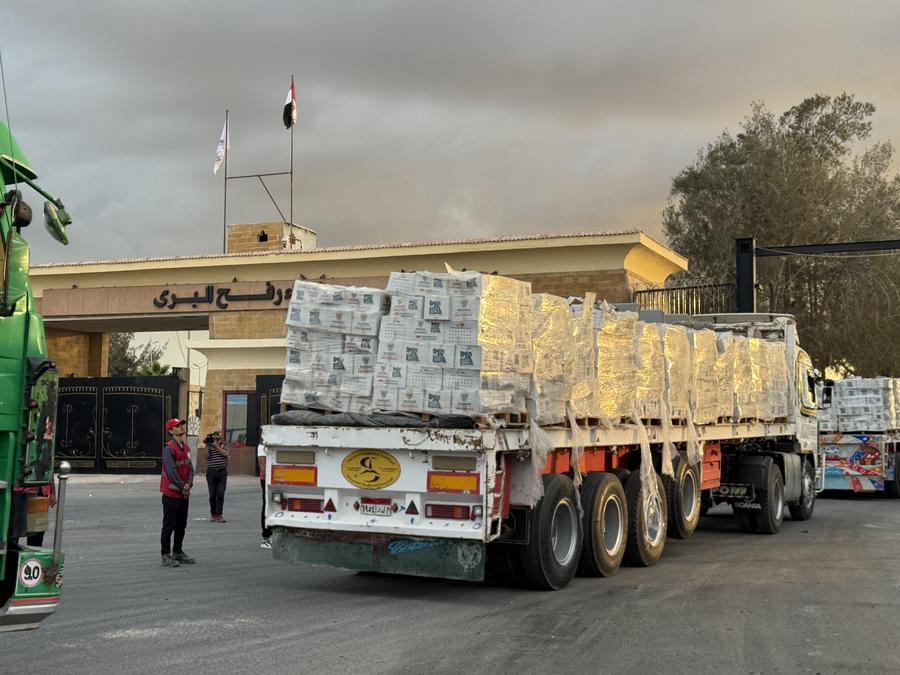
A major portion of the shipment consists of staple food products designed to support families and communities experiencing shortages. Ensuring access to basic nutrition is one of the first priorities during humanitarian relief efforts.
As Azerbaijan sends aid to Iran the food packages include essential items that can be distributed quickly to households and community centers. These supplies help maintain food security while stabilizing local supply chains.
Humanitarian organizations frequently emphasize that food assistance plays a critical role in preventing broader social and economic problems. When communities have access to essential nutrition they are better able to maintain stability during difficult circumstances.
The delivery of food supplies therefore represents one of the most important components of the relief operation.
Medical Supplies Strengthen Healthcare Capacity
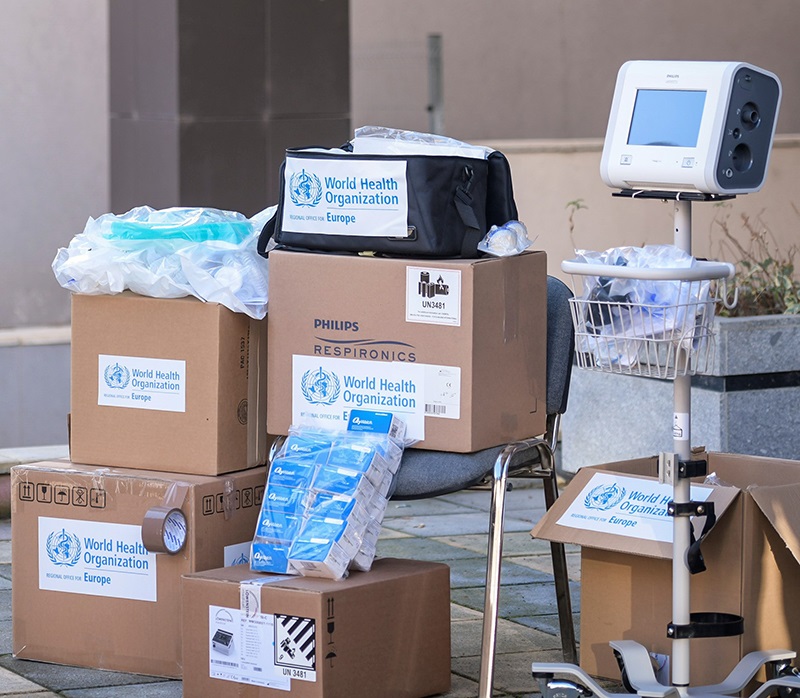
In addition to food relief the aid shipment includes medicines, medical equipment, and healthcare supplies. Hospitals and clinics rely heavily on consistent deliveries of medical resources in order to treat patients effectively.
By including these materials Azerbaijan sends aid to Iran that can directly support doctors, nurses, and healthcare professionals.
Medical supplies often include antibiotics, diagnostic equipment, and emergency treatment materials. These resources help healthcare providers maintain essential services during periods of increased demand.
Healthcare experts note that access to medicines can significantly improve outcomes for patients facing urgent medical needs.
The medical component of the shipment therefore plays a vital role in supporting public health.
Logistics Behind the Aid Operation
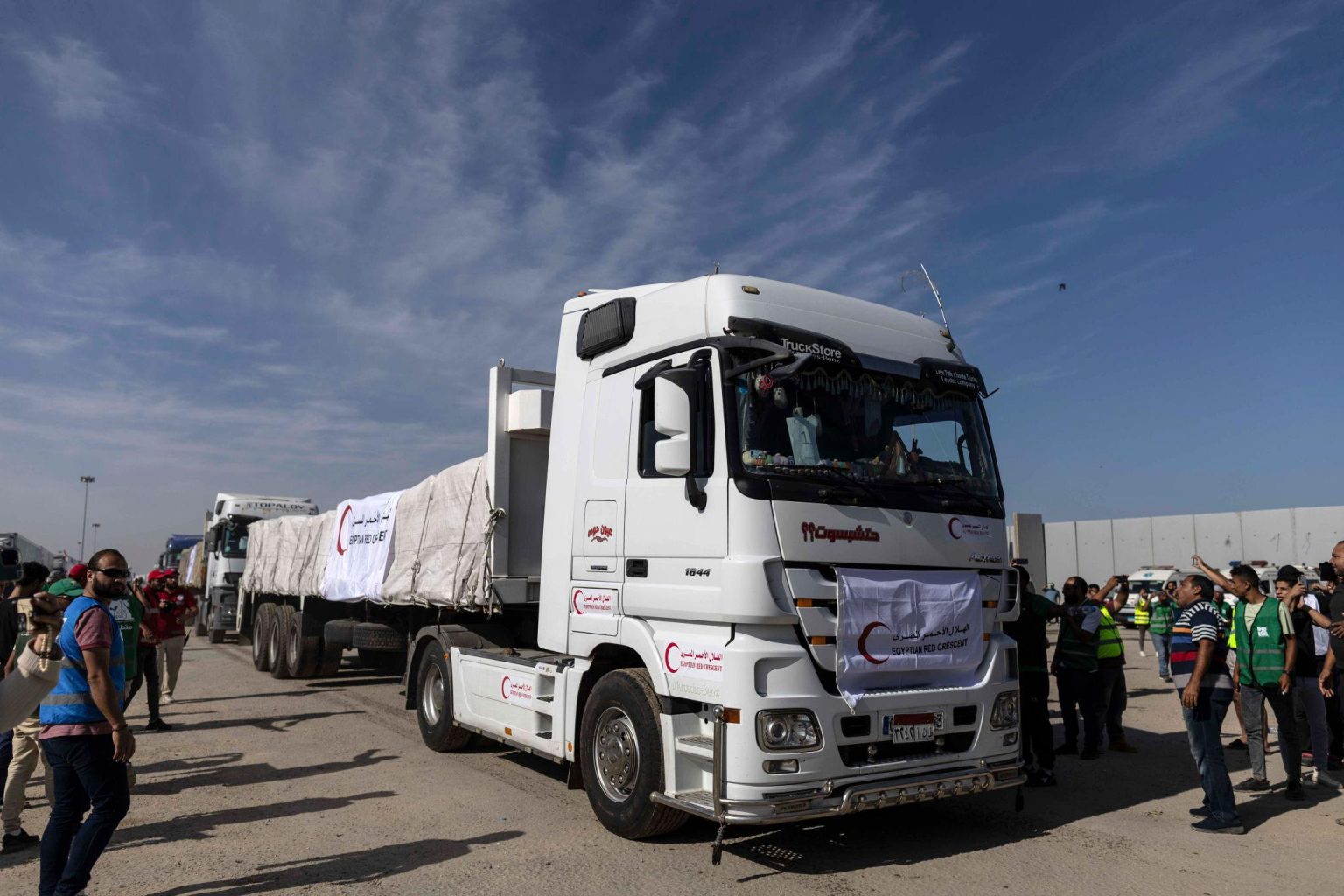
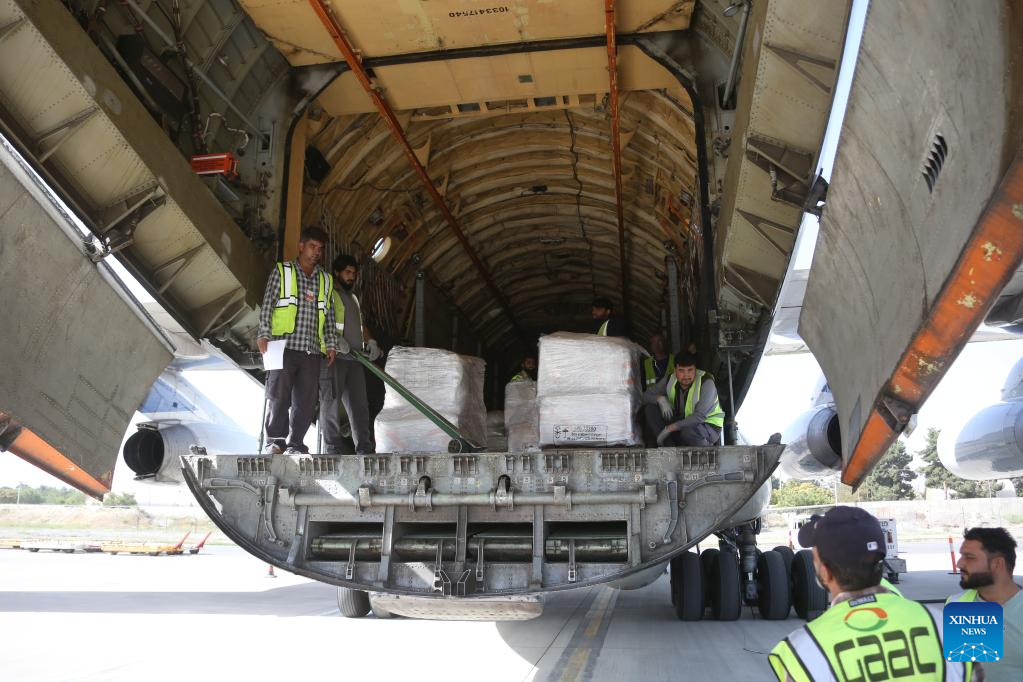
Delivering humanitarian supplies across international borders requires careful coordination and planning. Logistics teams must ensure that shipments are properly packaged, transported, and delivered without delay.
The initiative through which Azerbaijan sends aid to Iran involved multiple transportation methods including cargo trucks and coordinated distribution networks.
Relief teams also worked to ensure that temperature sensitive medical supplies were handled properly throughout the transportation process.
Border authorities coordinated closely to facilitate the movement of humanitarian shipments. Efficient logistics allowed the aid to reach its destination as quickly as possible.
These logistical efforts highlight the complexity involved in organizing large scale humanitarian relief.
Regional Diplomacy and Humanitarian Cooperation
Humanitarian initiatives often strengthen diplomatic ties between neighboring countries. The decision by Azerbaijan sends aid to Iran reflects a spirit of cooperation and solidarity during times of need.
Governments frequently use humanitarian assistance as a way to demonstrate goodwill and build stronger relationships. Such efforts can create opportunities for broader cooperation in areas such as trade, infrastructure development, and regional security.
Diplomatic observers note that humanitarian collaboration often leads to stronger long term partnerships.
One regional official involved in humanitarian coordination stated:
“Humanitarian cooperation between neighboring nations can strengthen both regional stability and international goodwill.”
This perspective reflects how aid operations can have diplomatic significance beyond their immediate humanitarian benefits.
International Organizations Welcome the Initiative
Several humanitarian organizations have welcomed the relief shipment and emphasized the importance of regional cooperation.
International aid groups often depend on partnerships with governments to deliver supplies efficiently. When Azerbaijan sends aid to Iran the assistance complements the work of global relief organizations.
Observers say initiatives like this demonstrate how governments can work alongside humanitarian agencies to address urgent needs.
International cooperation remains essential for ensuring that communities receive the support they require.
Aid operations frequently involve collaboration between multiple institutions including medical groups, logistics providers, and relief agencies.
Economic Stability and Community Support
Humanitarian assistance can also contribute to economic stability. When Azerbaijan sends aid to Iran the delivery of food and medicines helps reduce pressure on local markets.
Communities facing shortages may experience rising prices and limited access to essential goods. Relief shipments help stabilize supply chains and ensure that families can obtain basic necessities.
Economic stability plays a crucial role in maintaining social cohesion during difficult times.
The availability of humanitarian supplies can therefore prevent shortages from escalating into broader economic challenges.
History of Humanitarian Cooperation Between Azerbaijan and Iran
The relationship between Azerbaijan and Iran has included various forms of humanitarian cooperation over the years. Geographic proximity and shared regional interests have often encouraged collaboration during periods of need.
Historical examples demonstrate how neighboring countries frequently provide assistance during natural disasters, economic disruptions, or health emergencies.
The latest initiative in which Azerbaijan sends aid to Iran reflects this longstanding tradition of cooperation.
Regional partnerships have often proven effective because neighboring nations can mobilize resources quickly and deliver supplies efficiently.
This historical context helps explain why humanitarian collaboration remains an important aspect of regional diplomacy.
Broader Impact on Regional Stability
Humanitarian initiatives can contribute to broader regional stability. When Azerbaijan sends aid to Iran the effort demonstrates that cooperation is possible even in complex geopolitical environments.
Such actions help reinforce trust between governments and encourage constructive dialogue.
Regional stability often depends on strong relationships between neighboring countries. Humanitarian cooperation can strengthen these relationships while addressing immediate social needs.
Diplomats frequently highlight the importance of collaboration during times of crisis.
One international aid coordinator noted:
“Humanitarian assistance builds bridges between nations while helping communities overcome immediate challenges.”
This perspective reflects the broader impact humanitarian initiatives can have on regional diplomacy.
Future Prospects for Humanitarian Collaboration
The success of the aid operation may encourage additional cooperation between regional governments.
When Azerbaijan sends aid to Iran it establishes a framework for future relief initiatives that could address other humanitarian needs.
Countries that work together during crises often develop stronger logistical and diplomatic partnerships.
Future cooperation may include expanded medical programs, food security initiatives, and infrastructure support projects.
Regional collaboration will likely remain an important component of humanitarian response strategies.
A Defining Moment for Regional Solidarity
The humanitarian initiative demonstrates how cooperation between neighboring nations can address urgent challenges effectively.
By organizing relief shipments Azerbaijan sends aid to Iran in a way that highlights the value of solidarity and collaboration.
Humanitarian operations not only provide immediate assistance but also strengthen diplomatic relationships that can benefit the region over the long term.
Observers say the initiative represents an example of how countries can work together to support communities during times of need.
Key Takeaways From the Humanitarian Mission
The humanitarian effort in which Azerbaijan sends aid to Iran reflects the power of regional cooperation in addressing urgent challenges. Food supplies and medical equipment delivered through the initiative provide critical support to communities facing shortages.
The operation demonstrates how governments, humanitarian organizations, and logistics teams can collaborate to deliver relief quickly and efficiently. By strengthening partnerships and promoting goodwill, humanitarian initiatives also contribute to long term regional stability.
As global humanitarian needs continue to evolve, cooperation between neighboring nations will remain a vital tool for providing assistance and supporting vulnerable populations.