Middle East — March 10, 2026 — Brussels Morning Newspaper — The Strait of Hormuz oil route has once again become the center of international attention as geopolitical tensions across the Persian Gulf raise new concerns about global energy security.
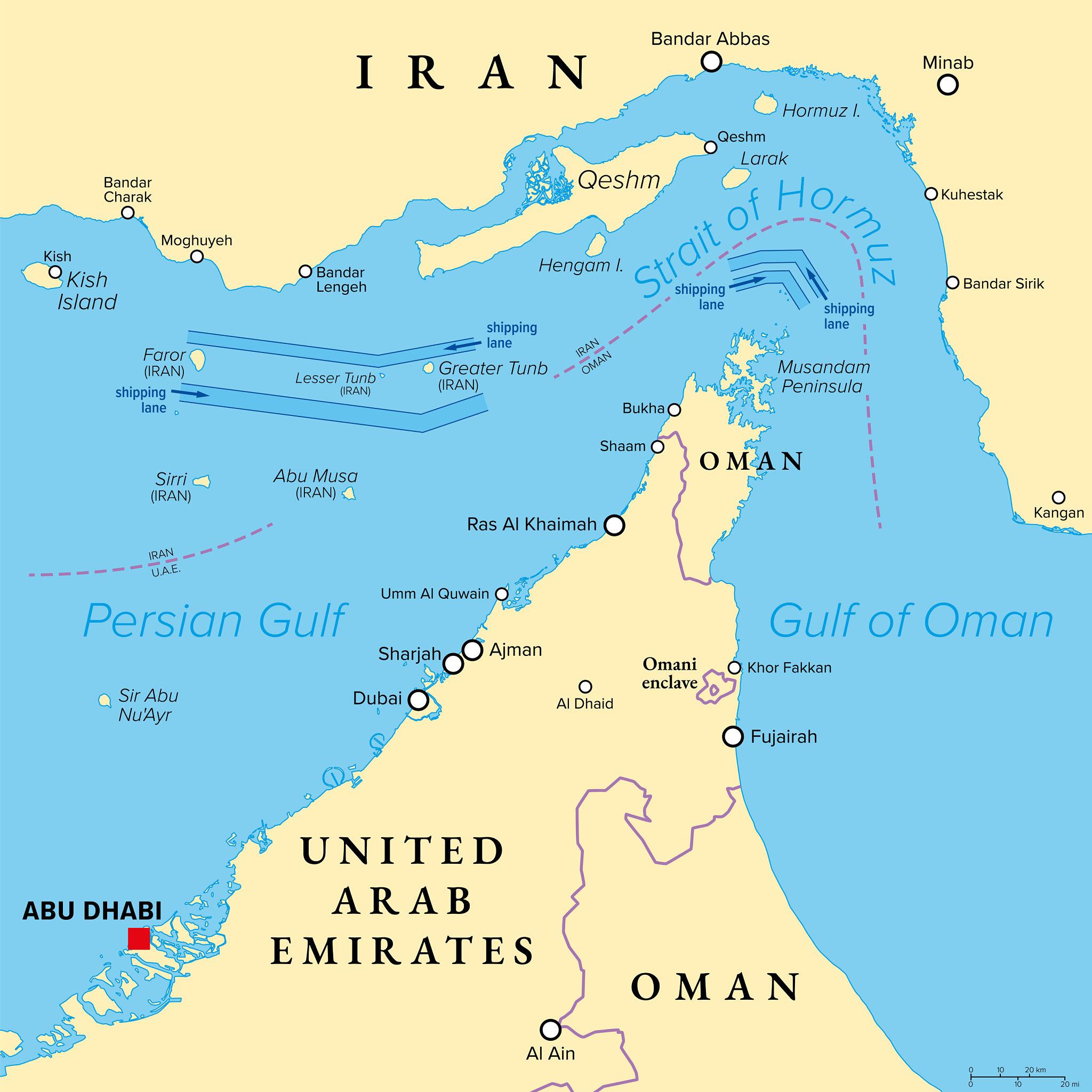
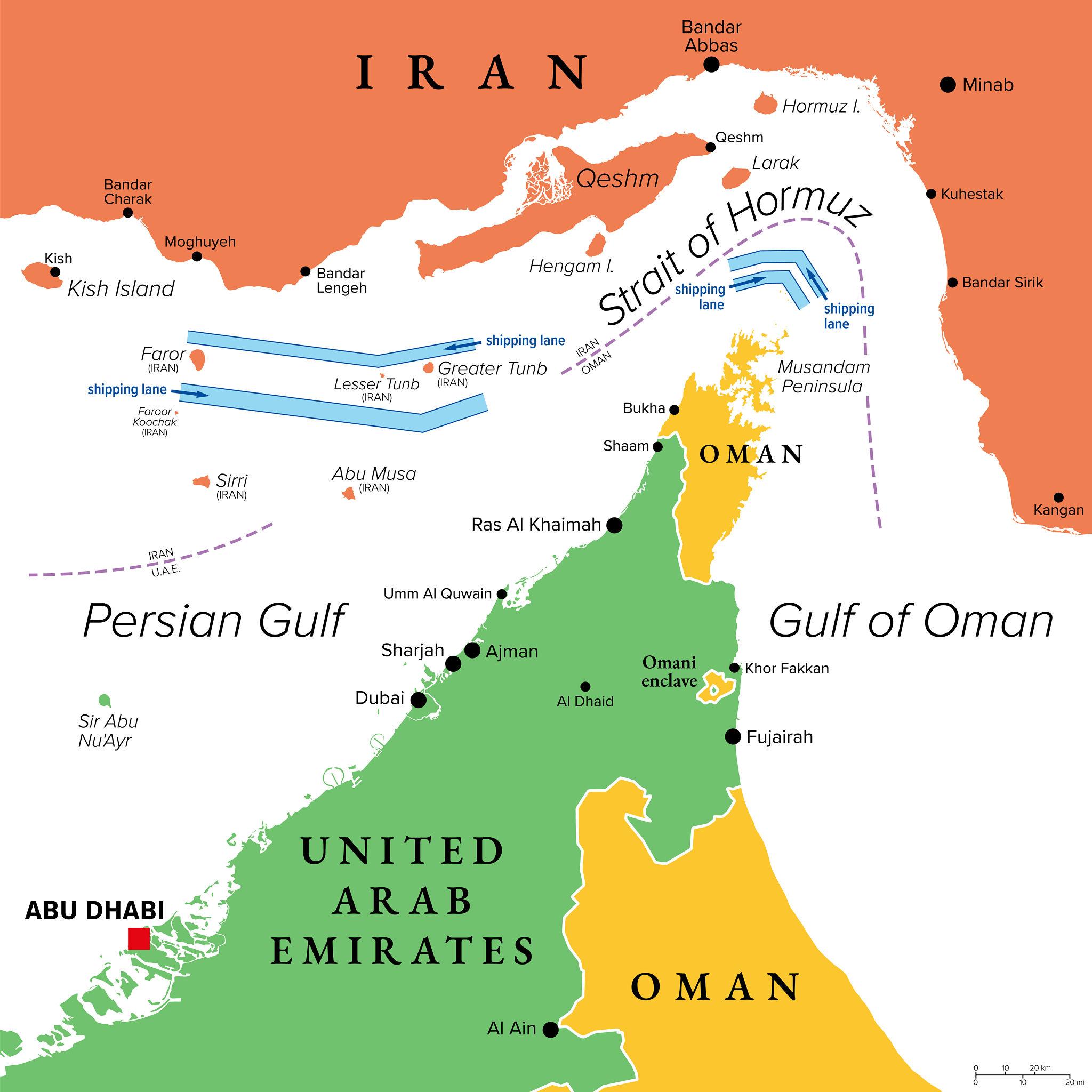
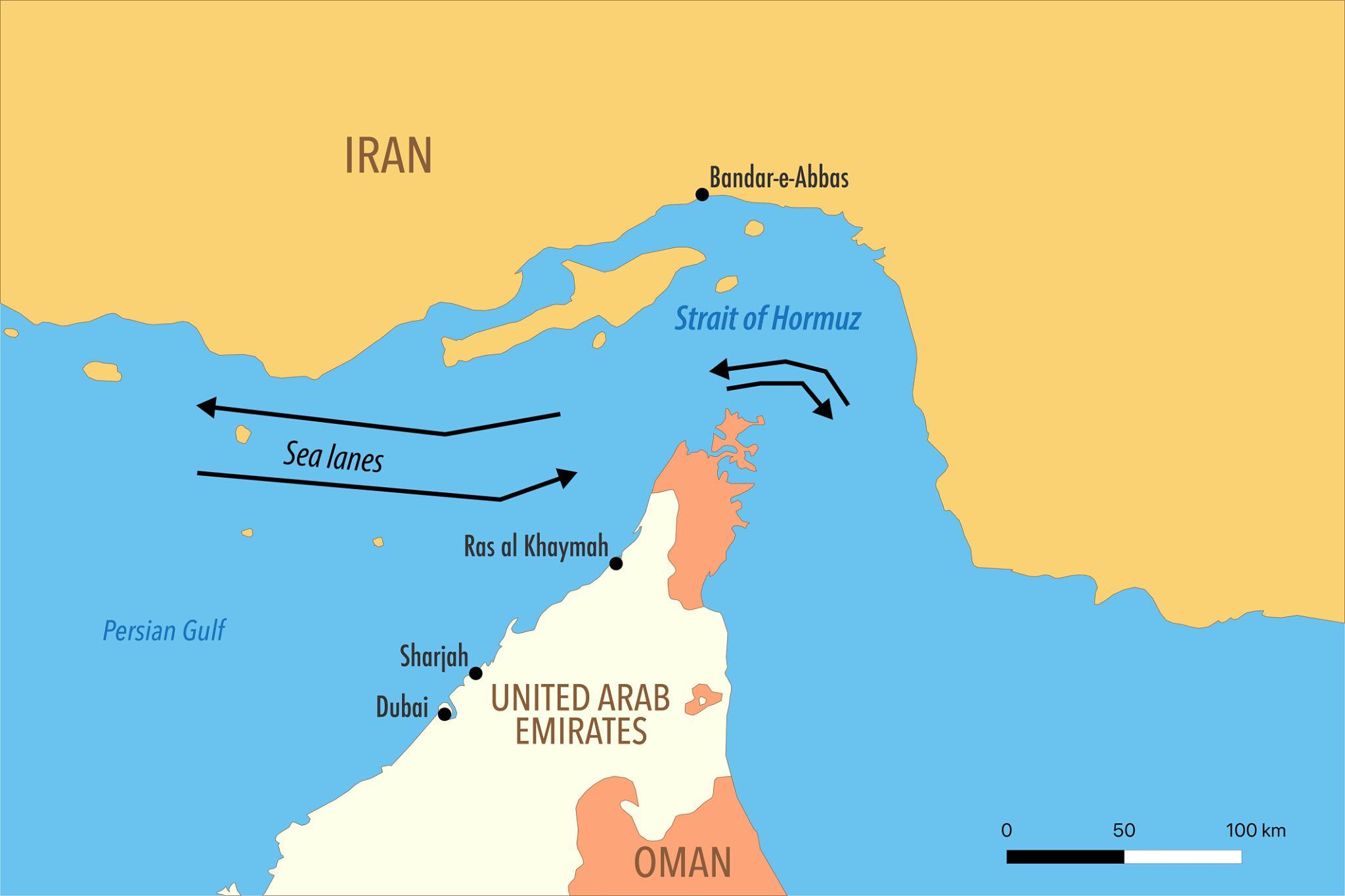
The narrow waterway linking the Persian Gulf to the Gulf of Oman is one of the most important shipping corridors in the world. Every day, millions of barrels of crude oil travel through this route on their way to markets across Asia, Europe, and North America.
Because so much of the world’s energy supply moves through this narrow passage, instability surrounding the Strait of Hormuz oil route immediately attracts the attention of governments, shipping companies, and financial markets.
In 2026, renewed regional tensions have prompted analysts to examine the potential consequences of disruptions in this vital maritime corridor.
Why the Strait of Hormuz Matters to the Global Economy
Few locations on Earth play a more significant role in the global energy system than the Strait of Hormuz oil route.
The passage serves as the primary export route for oil produced by several major energy suppliers, including Saudi Arabia, Iraq, Kuwait, and the United Arab Emirates. Tankers carrying crude oil travel through this corridor every day to reach international markets.
Because the waterway is relatively narrow, any disruption to shipping traffic could have immediate consequences for global energy prices.
The Strait of Hormuz oil route therefore represents a critical link in the international supply chain that fuels modern economies.
Energy analysts frequently emphasize that the stability of this maritime corridor is essential for maintaining predictable oil markets and stable economic growth.
Energy Markets Respond to Geopolitical Signals
Oil markets are highly sensitive to geopolitical developments, particularly those affecting major supply routes.
Whenever tensions rise in the Persian Gulf, investors and traders closely monitor the Strait of Hormuz oil route for signs of disruption.
Even the perception of increased risk can cause energy prices to move sharply. Traders often respond quickly to geopolitical signals by adjusting their expectations for future supply levels.
In 2026, the possibility of shipping disruptions has prompted renewed volatility in global energy markets.
Insurance companies that cover commercial shipping operations also monitor developments in the region. Increased risk in the Strait of Hormuz oil route can lead to higher insurance premiums for tankers traveling through the area.
These additional costs are often passed on to consumers through higher energy prices.
Shipping Security and Naval Presence
Maintaining safe shipping routes through the Persian Gulf is a priority for many governments.
Naval forces from multiple countries patrol the region to ensure that commercial vessels can travel safely through international waters.
These security operations are designed to protect the Strait of Hormuz oil route and deter potential threats to maritime traffic.
The United States maintains a strong naval presence in the area through the Fifth Fleet based in Bahrain. Other nations also participate in cooperative security efforts aimed at protecting tanker routes.
Despite these measures, the narrow geography of the Strait of Hormuz oil route means that even small incidents can create significant disruptions.
Security experts often emphasize the importance of international cooperation in maintaining stability in the region.
Economic Impact of Potential Disruptions
The global economy depends heavily on reliable energy supplies.
If shipping traffic through the Strait of Hormuz oil route were disrupted, the economic consequences could extend far beyond the Middle East.
Higher oil prices could increase transportation costs for airlines, shipping companies, and trucking fleets.
Manufacturers would also face higher production costs as energy prices rise.
Consumers around the world might experience higher gasoline prices, increased heating costs, and rising prices for everyday goods.
Because energy is a fundamental component of modern economies, instability in the Strait of Hormuz oil route could have widespread financial implications.
Regional Security and Strategic Interests
Countries located around the Persian Gulf have strong incentives to protect maritime trade routes.
Oil exporting nations rely on secure shipping corridors to deliver energy resources to international markets.
For this reason, regional governments cooperate with international partners to safeguard the Strait of Hormuz oil route.
Security initiatives often include naval patrols, intelligence sharing, and diplomatic engagement aimed at reducing tensions.
Maintaining stability in the region is essential for both economic prosperity and national security.
History of Strategic Conflict in the Strait of Hormuz
The Persian Gulf has experienced several periods of instability over the past decades.
One of the most significant events occurred during the 1980s Iran Iraq war, when attacks on commercial tankers threatened global oil shipments. This period became known as the Tanker War.
During this conflict, multiple vessels traveling through the Strait of Hormuz oil route were targeted, prompting international naval forces to escort tankers through the region.
The events demonstrated how quickly geopolitical tensions could affect global energy supply chains.
Although decades have passed since those incidents, the strategic importance of the Strait of Hormuz oil route continues to shape regional security dynamics.
Diplomatic Efforts to Reduce Regional Tension
Diplomacy plays an essential role in maintaining stability in the Persian Gulf.
International organizations and regional governments often work together to reduce tensions and ensure the continued flow of energy shipments.
Many world leaders emphasize the importance of keeping the Strait of Hormuz oil route open for international trade.
Energy security is a shared concern for producing and consuming nations alike.
A regional energy expert explained the importance of the waterway by stating:
“The Strait of Hormuz remains the most critical oil corridor in the global economy.”
Diplomatic engagement and security cooperation remain essential tools for preventing conflicts that could disrupt shipping routes.
The Strategic Importance of Energy Security
The stability of the Strait of Hormuz oil route is closely tied to the broader concept of global energy security.
Modern economies depend on reliable access to fuel for transportation, manufacturing, and electricity generation.
When geopolitical tensions threaten major supply routes, governments and industries must prepare for potential disruptions.
Energy analysts believe the Strait of Hormuz oil route will continue to play a central role in the global energy system for many years to come.
While some countries have invested in pipelines and alternative transportation routes, none currently match the capacity of this vital maritime corridor.
Global Energy Outlook and Future Stability
Looking ahead, the stability of the Strait of Hormuz oil route will remain a key factor influencing global energy markets.
As geopolitical dynamics evolve in the Middle East, governments and international organizations will continue working to protect shipping lanes and maintain stable energy supplies.
Energy demand continues to grow worldwide, increasing the importance of secure transportation routes.
The Strait of Hormuz oil route will therefore remain one of the most closely monitored maritime corridors in the world.
Understanding the Global Impact
The developments surrounding the Strait of Hormuz oil route highlight the interconnected nature of global energy markets.
A single shipping corridor carries a significant share of the world’s oil supply, making stability in the region essential for economic security.
Governments, financial markets, and energy companies will continue monitoring developments in the Persian Gulf carefully.
Ensuring that the Strait of Hormuz oil route remains open and secure is critical for maintaining stable energy prices and reliable global supply chains.
Global Impact Brief
The Strait of Hormuz oil route remains one of the most strategically important energy corridors in the world.
In 2026, renewed geopolitical tensions have once again drawn global attention to the security of this narrow maritime passage.
Because millions of barrels of oil pass through the corridor every day, any disruption could have far reaching consequences for energy markets, global trade, and economic stability.
Maintaining security and diplomatic engagement in the region will remain essential for ensuring that global energy supplies continue to move safely through the Strait of Hormuz oil route.