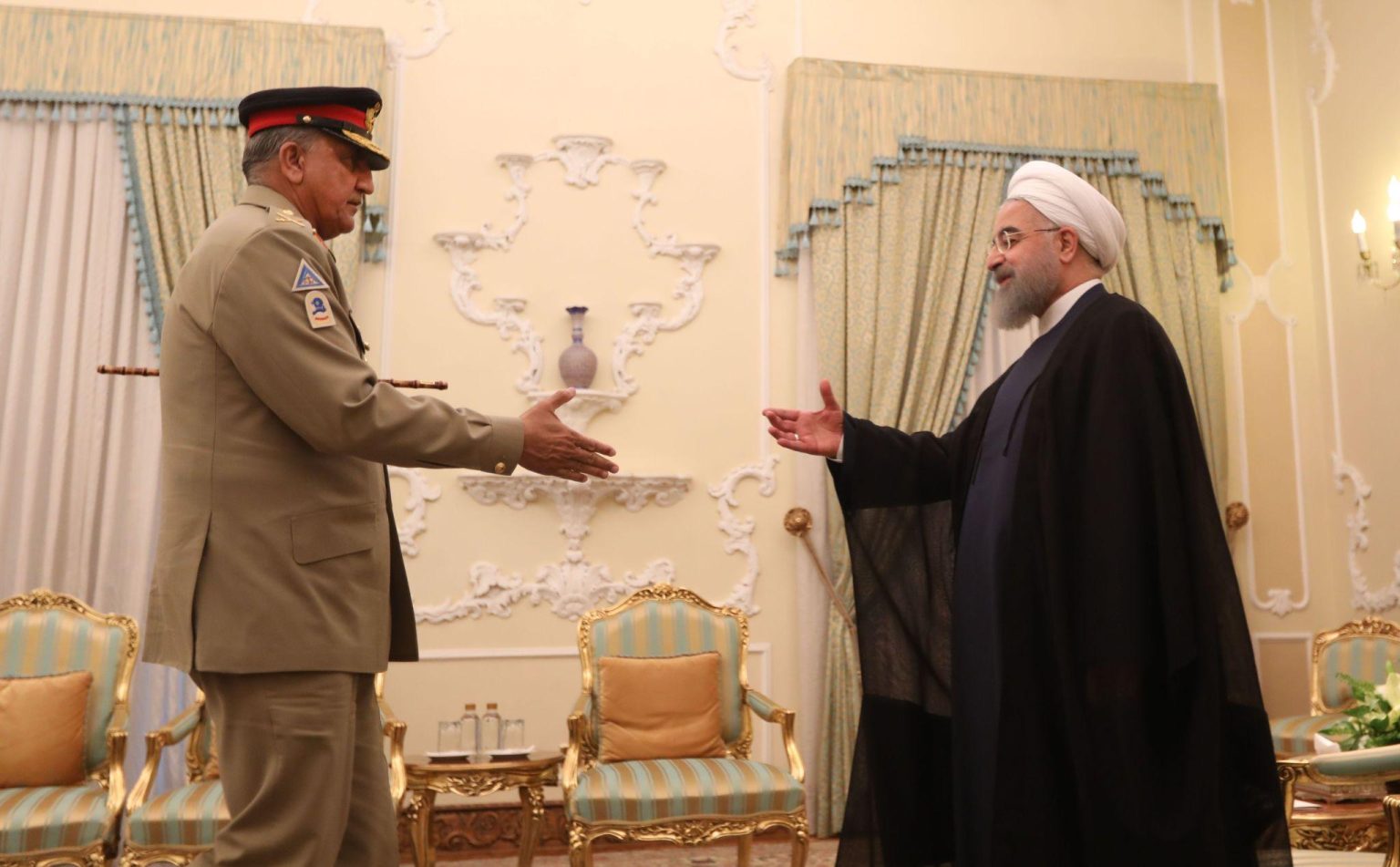
Tehran, April 15, 2026 — Brussels Morning Newspaper — Pakistan Iran military talks are emerging as a central development in ongoing efforts to manage the escalating regional crisis, following a high-level visit by Pakistan’s army chief to Tehran. According to multiple reports, the visit is part of intensified mediation efforts aimed at stabilizing tensions and potentially advancing negotiations tied to the broader conflict.
- Strategic Engagement Signals Regional Coordination
- Pakistan’s Expanding Role as Mediator
- Nuclear and Security Dimensions Add Complexity
- Ongoing Conflict Underscores Urgency
- Global Reactions and Diplomatic Pressure
- Economic and Energy Market Implications
- Humanitarian Concerns Remain Pressing
- What Comes Next: Key Developments to Watch
- Critical Insight From Pakistan Iran Military Talks
- Diplomatic Turning Point 2026
The timing of these discussions is critical, coming as ceasefire negotiations between global powers and Iran remain fragile. Pakistan’s increasing role as a mediator has positioned it at the center of diplomatic efforts to prevent further escalation.
Strategic Engagement Signals Regional Coordination
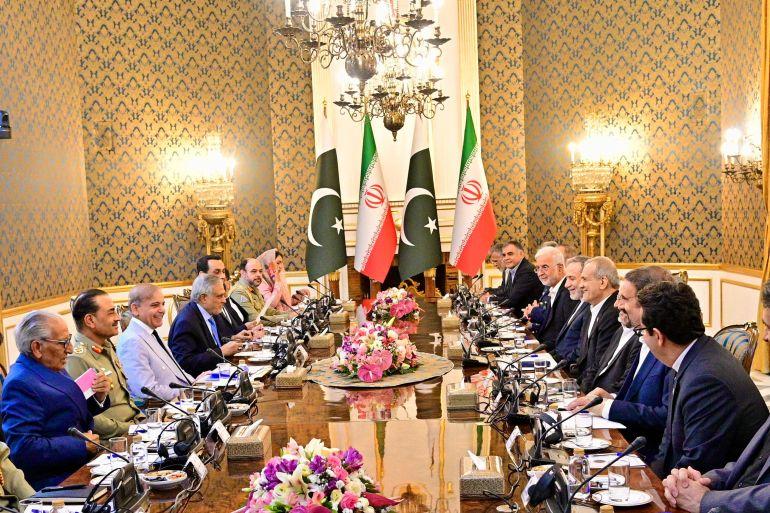
The latest Pakistan Iran military talks indicate a deeper level of coordination between the two nations, particularly on security and diplomatic fronts. Pakistan has already played a key role in facilitating negotiations between Iran and global stakeholders, hosting high-profile talks aimed at ending the conflict.
This growing engagement suggests that both countries are seeking to align their strategies in response to rapidly evolving geopolitical challenges. Analysts believe such coordination could be essential in maintaining stability across the region.
A regional analyst stated:
“Pakistan Iran military talks reflect a strategic necessity—without coordination, the risk of wider conflict increases significantly.”
Pakistan’s Expanding Role as Mediator
Pakistan’s involvement in the crisis has expanded significantly in recent weeks. Officials have confirmed ongoing efforts to mediate between Iran and other key players, including attempts to revive stalled negotiations.
The Pakistan Iran military talks are part of this broader diplomatic push, highlighting Pakistan’s unique position as a country with relationships across multiple sides of the conflict.
In recent developments, Pakistan has facilitated communication channels and proposed frameworks aimed at extending ceasefires and reducing tensions.
Nuclear and Security Dimensions Add Complexity
The Pakistan Iran military talks are not limited to immediate conflict management—they also touch on broader security concerns, including nuclear policy and regional deterrence strategies.
Given the sensitive nature of these issues, any progress in discussions could have far-reaching implications. Experts suggest that even indirect agreements or understandings could influence global security dynamics.
A geopolitical expert noted:
“Pakistan Iran military talks may involve more than diplomacy—they could shape long-term security architecture in the region.”
Ongoing Conflict Underscores Urgency
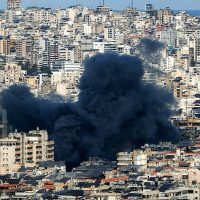
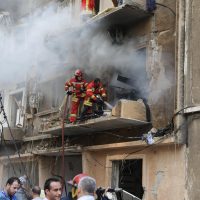
Despite the diplomatic momentum, the situation on the ground remains volatile. Military activity continues in multiple areas, underscoring the urgency of successful negotiations.
The Pakistan Iran military talks are therefore taking place under significant pressure, with all parties aware that delays or failures could lead to further escalation.
Reports indicate that ceasefire agreements remain fragile, with key issues still unresolved.
Global Reactions and Diplomatic Pressure
The international community has responded cautiously to the developments. Governments and organizations are closely monitoring the Pakistan Iran military talks, recognizing their potential to influence the broader conflict.
Global leaders have emphasized the importance of dialogue and restraint, urging all parties to prioritize diplomatic solutions over military action.
Recent statements from international officials suggest that renewed negotiations could be imminent, with Pakistan continuing to play a central role in facilitating discussions.
Economic and Energy Market Implications
The ongoing crisis has had a noticeable impact on global markets, particularly in the energy sector. Any progress in Pakistan Iran military talks is likely to influence market sentiment, with potential effects on oil prices and trade flows.
Stability in the region is critical for maintaining global economic balance, and investors are closely watching developments for signs of resolution.
Analysts warn that prolonged uncertainty could lead to increased volatility, affecting both businesses and consumers worldwide.
Humanitarian Concerns Remain Pressing
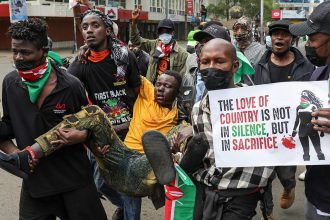
As diplomatic efforts continue, humanitarian concerns remain a key issue. Civilians in affected areas are experiencing significant challenges, including displacement and limited access to essential resources.
The Pakistan Iran military talks are seen as an important step toward reducing these impacts, but meaningful progress will require sustained commitment from all parties involved.
Aid organizations have called for immediate measures to protect civilians and ensure the delivery of assistance.
What Comes Next: Key Developments to Watch
The outcome of the Pakistan Iran military talks will depend on several critical factors:
- Progress in ongoing negotiations
- Official statements from involved parties
- Stability of existing ceasefire agreements
- Continued international engagement
These elements will determine whether current efforts lead to lasting peace or further escalation.
Critical Insight From Pakistan Iran Military Talks
“Pakistan Iran military talks may represent a decisive moment—success could stabilize the region, but failure risks a much broader conflict.”
Diplomatic Turning Point 2026
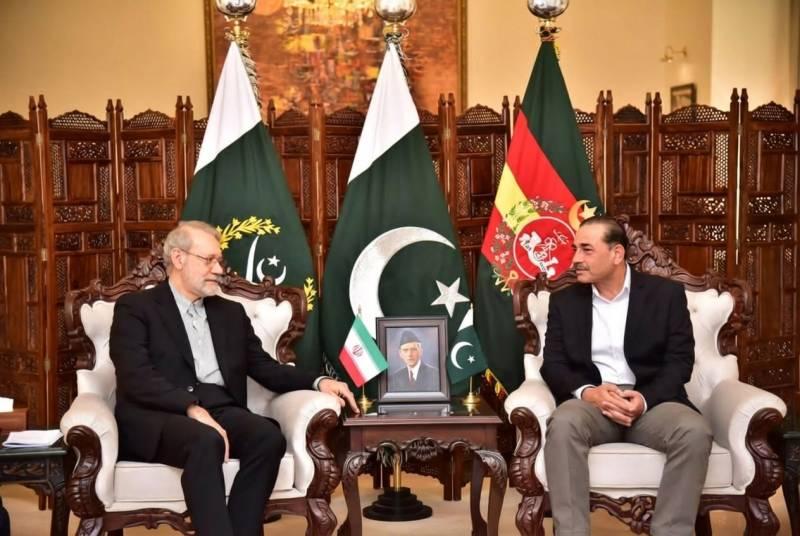
The Pakistan Iran military talks mark a significant moment in the evolving regional crisis. With Pakistan stepping into a key mediation role and high-level discussions underway in Tehran, there is cautious optimism that progress can be achieved.
However, the situation remains complex and uncertain. Ongoing conflict, unresolved issues, and competing interests continue to pose challenges.
As 2026 unfolds, the success or failure of these talks could shape the future of regional and global stability.