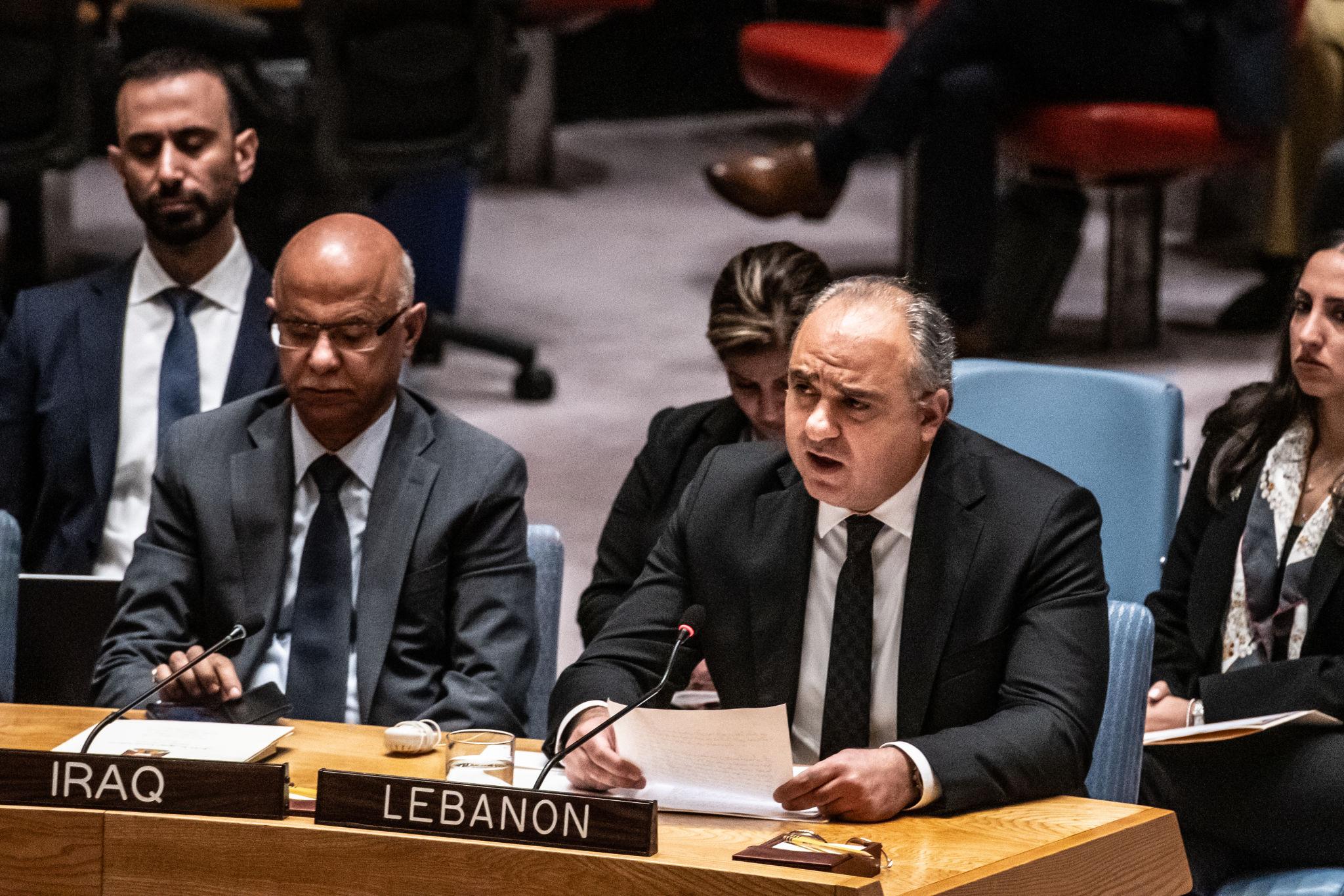
Beirut, April 15, 2026 — Brussels Morning Newspaper — Lebanon UN complaint has formally been submitted to the United Nations Security Council following Israel’s April 8 bombing, marking a significant escalation in diplomatic tensions. Lebanese officials argue that the attack violated international law and sovereignty, prompting urgent calls for global intervention.
- Details of the April 8 Bombing Incident
- Diplomatic Escalation at the United Nations
- Regional Tensions Continue to Rise
- International Reactions and Calls for Restraint
- Legal and Political Implications
- Economic and Security Impact
- Humanitarian Concerns and Civilian Impact
- What Happens Next: Key Developments to Watch
- Critical Insight From Lebanon UN Complaint
- UN Showdown 2026
The filing reflects growing frustration within Lebanon as military activity along its borders continues to intensify. By bringing the issue to the international stage, Lebanon is seeking accountability and a coordinated response from the global community.
Details of the April 8 Bombing Incident
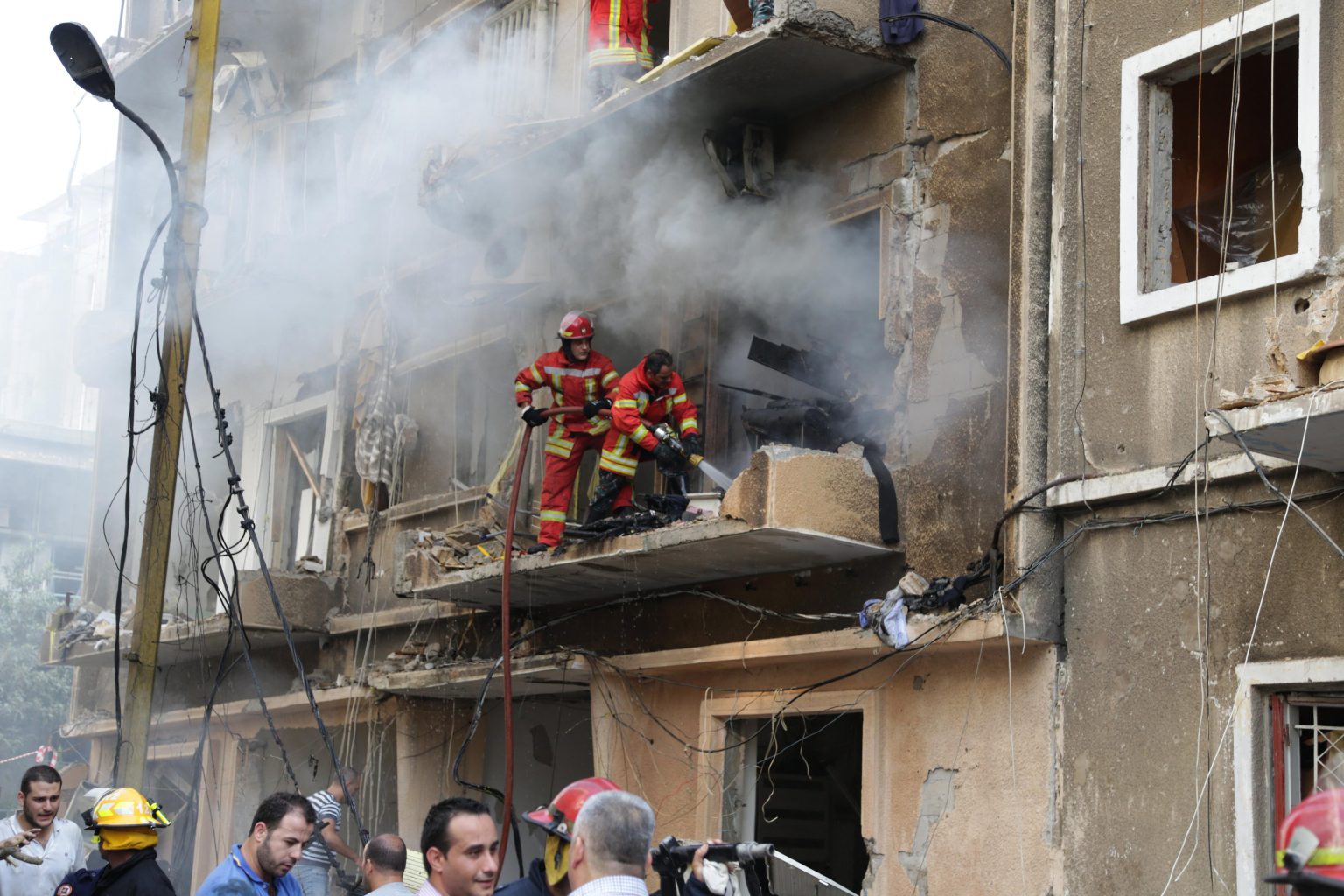
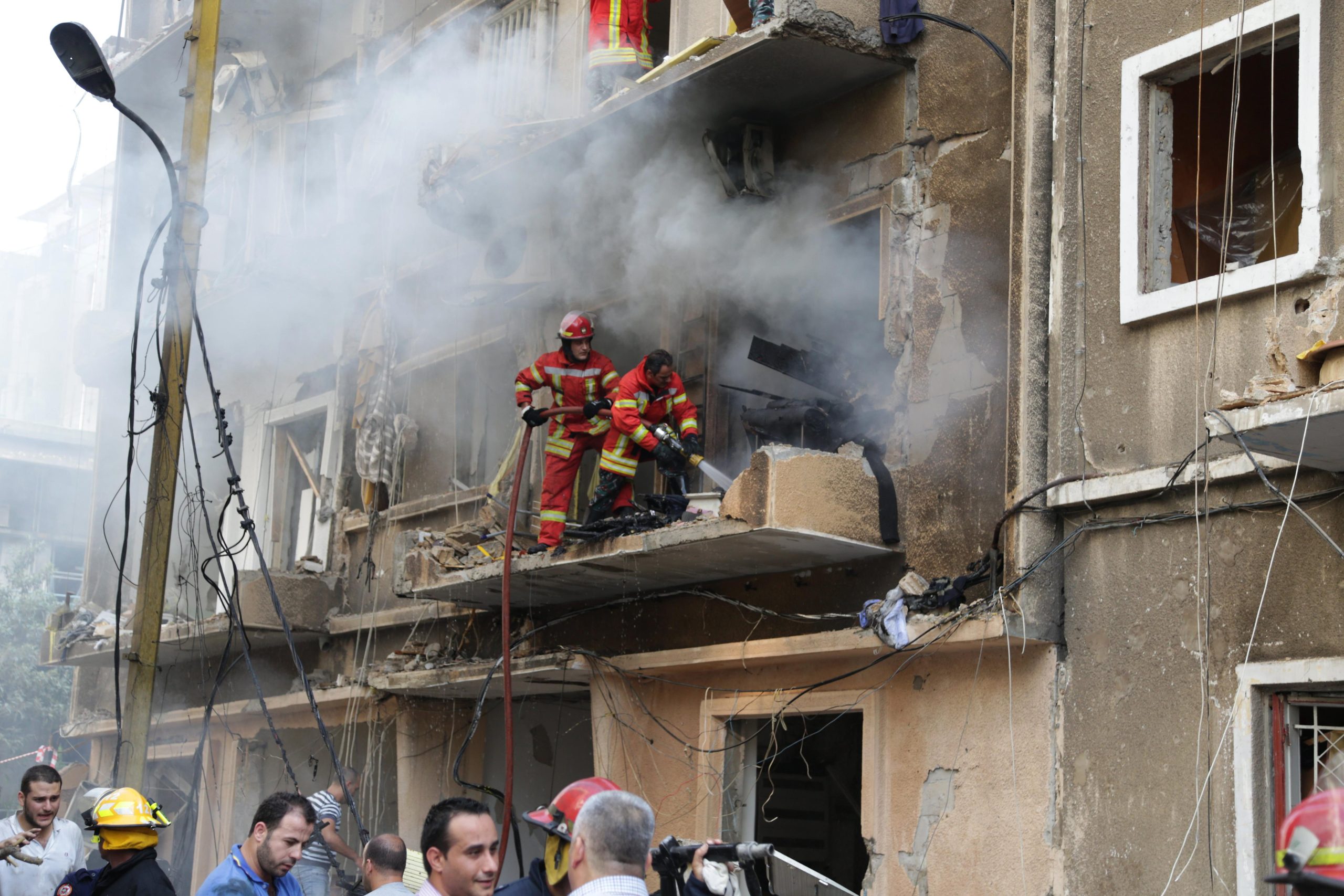
According to Lebanese authorities, the April 8 bombing caused damage in targeted areas and raised concerns about civilian safety. The Lebanon UN complaint outlines the sequence of events and alleges that the strike represents a breach of established international norms.
While Israeli officials have maintained that their operations are focused on security threats, the Lebanese government insists that such actions cannot be justified under international law. The Lebanon UN complaint emphasizes the need for an impartial investigation to determine the facts surrounding the incident.
A regional observer noted:
“The Lebanon UN complaint is not just about one strike—it reflects deeper concerns about ongoing military activity and its long-term consequences.”
Diplomatic Escalation at the United Nations
The submission of the Lebanon UN complaint has intensified diplomatic discussions within the United Nations framework. Members of the United Nations are now expected to review the claims and consider potential responses.
Diplomatic sources indicate that the issue could lead to emergency meetings or formal statements addressing the situation. The complaint also places additional pressure on global powers to take a position, potentially influencing broader geopolitical dynamics.
Analysts suggest that the outcome of these discussions could set a precedent for how similar incidents are handled in the future.
Regional Tensions Continue to Rise
The Lebanon UN complaint comes amid an already volatile environment in the Middle East. Ongoing hostilities and cross-border exchanges have heightened tensions, making the region increasingly unstable.
Lebanon’s decision to escalate the matter diplomatically highlights the seriousness of the situation. While military responses remain a possibility, the current approach signals a preference for international mediation.
Observers warn that without meaningful progress, the situation could deteriorate further, potentially leading to wider conflict.
International Reactions and Calls for Restraint
Global leaders have responded cautiously to the Lebanon UN complaint, emphasizing the importance of restraint and dialogue. Several countries have called for de-escalation, urging all parties to avoid actions that could exacerbate tensions.
The international community is also focusing on the protection of civilians, with humanitarian organizations expressing concern over the potential impact of continued hostilities.
A diplomatic expert commented:
“The Lebanon UN complaint underscores the urgency of diplomatic engagement—without it, the risk of escalation remains high.”
Legal and Political Implications
From a legal perspective, the Lebanon UN complaint raises questions about the application of international law in conflict situations. The case may involve discussions around sovereignty, proportionality, and the use of force.
Politically, the complaint could influence alliances and negotiations within the region. Countries may be compelled to clarify their positions, potentially reshaping diplomatic relationships.
The situation also highlights the role of international institutions in addressing complex security challenges.
Economic and Security Impact
The ongoing tensions reflected in the Lebanon UN complaint have broader implications for economic stability and security. Regional conflicts often affect trade routes, energy markets, and investor confidence.
Any escalation could lead to increased volatility, impacting both regional and global economies. Businesses and governments are closely monitoring developments, aware of the potential risks.
Humanitarian Concerns and Civilian Impact
The humanitarian dimension remains a critical aspect of the Lebanon UN complaint. Civilians in affected areas face uncertainty, with concerns about safety and access to essential services.
Aid organizations have called for immediate measures to protect vulnerable populations. Ensuring humanitarian access and support will be essential in addressing the consequences of the conflict.
What Happens Next: Key Developments to Watch
The trajectory of the Lebanon UN complaint will depend on several factors:
- Response from the United Nations Security Council
- Statements from involved parties
- Potential investigations into the incident
- Diplomatic efforts to reduce tensions
These developments will shape the outcome and determine whether the situation moves toward resolution or further escalation.
Critical Insight From Lebanon UN Complaint
“The Lebanon UN complaint could become a defining moment—either prompting accountability or deepening divisions in an already fragile region.”
UN Showdown 2026
The Lebanon UN complaint over Israel’s April 8 bombing marks a significant escalation in diplomatic efforts to address regional tensions. By bringing the issue to the United Nations, Lebanon is seeking accountability and international support.
As discussions unfold, the outcome could influence not only the immediate situation but also broader geopolitical dynamics. With tensions high and stakes even higher, the world is watching closely to see how this critical moment develops.