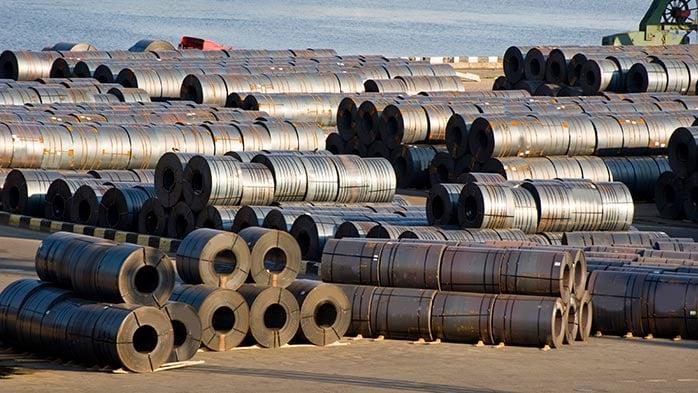

BEIJING, China – May 28 – Brussels Morning Newspaper — China trade dispute concerns are intensifying again as European officials continue negotiations with Beijing regarding steel import measures and broader industrial competition issues affecting global markets.
The latest discussions come during a fragile period for international manufacturing as governments attempt to balance economic growth, domestic industry protection, and geopolitical strategy. European policymakers remain concerned about rising imports and pricing pressure within critical industrial sectors, while China continues defending its export-driven manufacturing economy.
Trade analysts say the dispute has become increasingly important because it extends beyond steel and now reflects wider tensions surrounding industrial policy, economic security, and global supply chain control.
One market strategist stated,
“This is no longer just about steel pricing — it is becoming a broader battle over industrial influence and long-term economic leverage.”
Europe Pushes for Stronger Industrial Protection
European manufacturers have spent recent years facing rising energy costs, inflation pressures, and slowing industrial demand. Many companies argue that imported materials entering Europe at lower prices are creating severe competitive challenges for domestic producers.
EU officials continue reviewing safeguard measures designed to stabilize local markets and protect industrial employment. European steel producers in particular have pushed for stricter enforcement against what they describe as unfair pricing conditions linked to foreign oversupply.
The ongoing China trade dispute has therefore become politically important across Europe as governments seek to avoid deeper industrial decline while maintaining international trade relationships.
Several European business groups have warned that continued market pressure could reduce investment confidence within manufacturing sectors already facing economic uncertainty.
China Defends Export Market Access
Chinese officials continue emphasizing that international trade should remain open and rules-based. Beijing argues that global trade restrictions could damage manufacturing supply chains and increase costs for businesses and consumers worldwide.
China remains the world’s largest manufacturing economy and the biggest steel producer globally. As domestic growth slows and construction demand weakens, export markets have become increasingly important for industrial stability.
The latest China trade dispute negotiations are viewed as highly significant because Europe represents one of China’s largest trading partners.
Chinese authorities have repeatedly called for cooperation instead of escalating trade barriers, warning that rising protectionism could negatively impact global economic recovery efforts.
Global Markets React to Trade Uncertainty
Commodity markets and industrial investors are monitoring the negotiations closely because any escalation could affect steel prices, shipping activity, and manufacturing output across multiple regions.
The global industrial sector remains vulnerable to uncertainty linked to inflation, higher borrowing costs, and slowing economic growth in several major economies.
Automotive producers, construction companies, heavy equipment manufacturers, and infrastructure firms all depend heavily on stable commodity pricing and predictable trade conditions.
Analysts say the broader China trade dispute could influence investment decisions throughout 2026 if tensions continue expanding into additional sectors beyond steel.
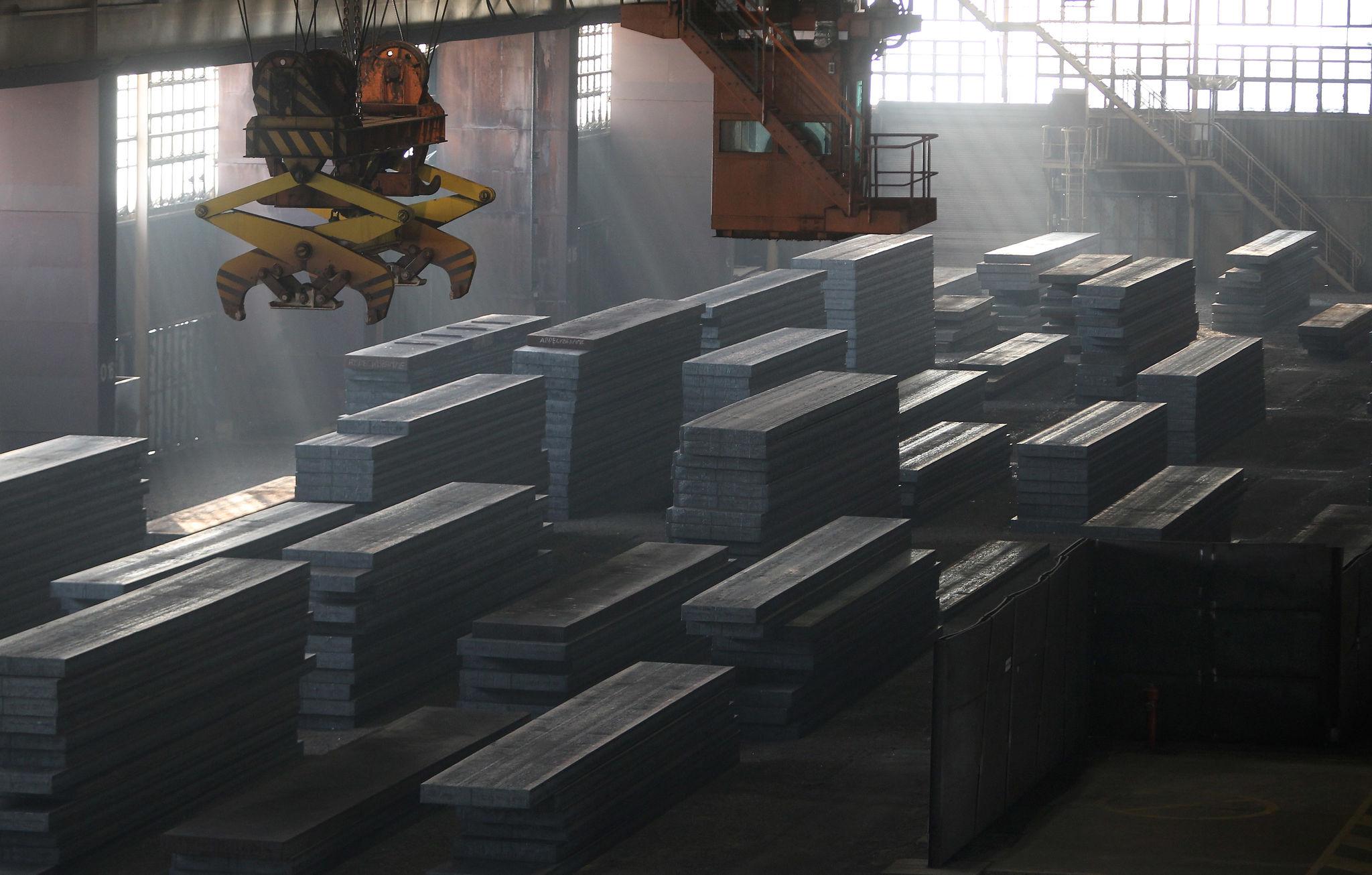
Energy Costs and Economic Slowdowns Increase Pressure
Europe’s industrial economy continues struggling with higher operating expenses tied to energy prices and environmental compliance requirements. Manufacturers say these costs make competition increasingly difficult against lower-cost imports entering regional markets.
At the same time, slower global demand has reduced profit margins across many industrial sectors.
Economic experts believe governments are becoming more protective of strategic industries due to concerns surrounding supply chain security and long-term economic resilience.
The latest China trade dispute discussions reflect a wider international trend in which countries are reassessing industrial dependence on overseas suppliers following years of geopolitical disruption.
Historical Trade Conflicts Continue to Shape Policy
History of Major Industrial Trade Tensions
Global trade disputes involving industrial materials have repeatedly emerged during periods of economic slowdown and geopolitical uncertainty.
| Year | Major Event | Global Impact |
|---|---|---|
| 2002 | U.S. steel tariffs introduced | International trade tensions increased |
| 2018 | Multiple economies imposed tariffs | Commodity markets became volatile |
| 2021 | EU safeguard measures extended | European import restrictions tightened |
| 2024 | Global oversupply fears intensified | Manufacturing investment slowed |
| 2026 | China and EU continue negotiations | Markets monitor industrial stability |
Analysts note that industrial protection measures often increase during uncertain economic conditions when governments prioritize domestic employment and manufacturing security.
Investors Watch Europe-China Relations Carefully
Financial markets remain highly sensitive to developments involving Europe and China because both economies play major roles in global manufacturing and commodity consumption.
Any major escalation within the China trade dispute could impact stock markets, industrial production forecasts, and international trade flows.
Several investment firms have warned that prolonged uncertainty may reduce business confidence across export-driven industries.
At the same time, some analysts believe both sides have strong incentives to eventually reach compromise solutions that avoid deeper economic disruption.
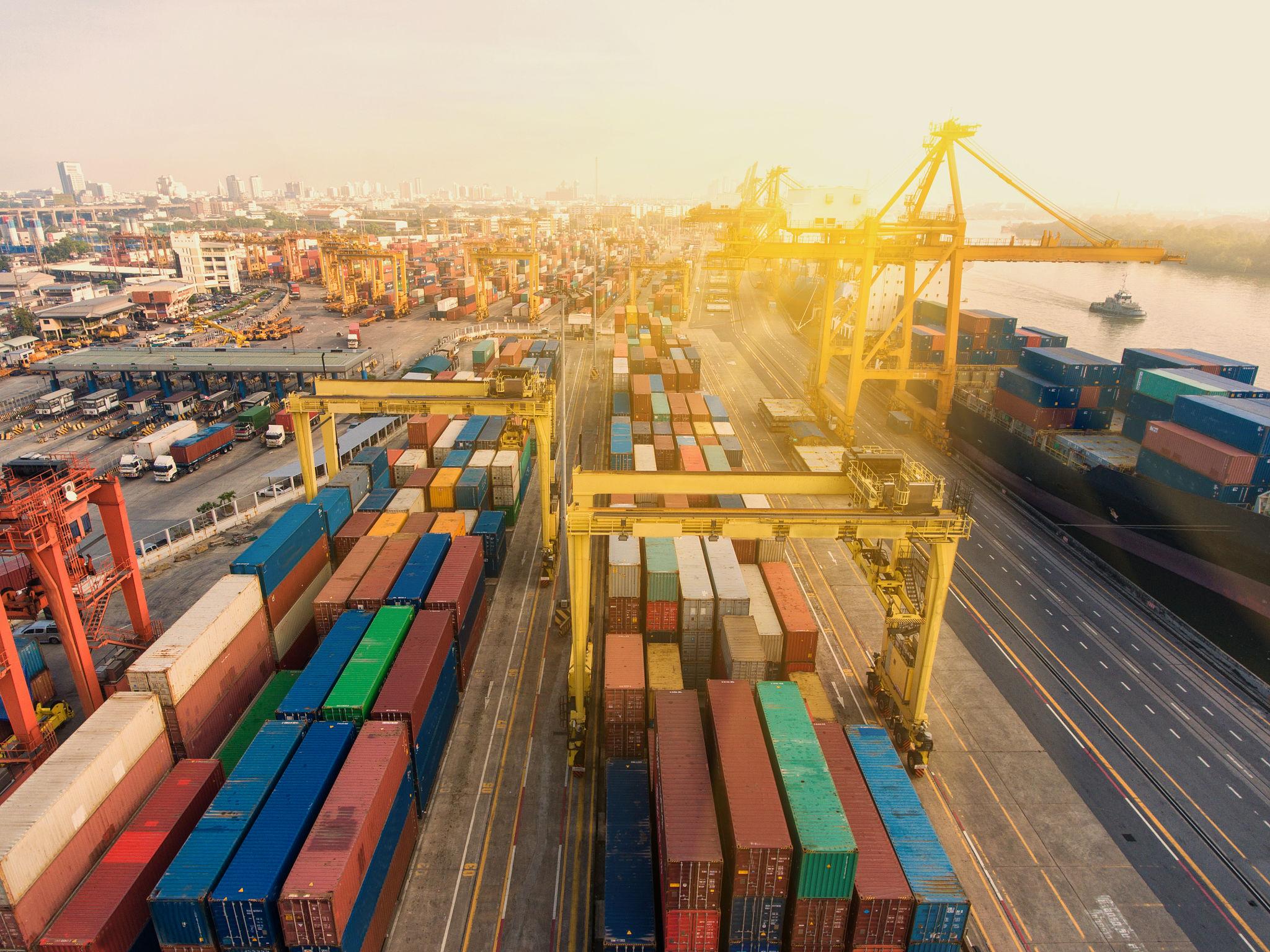
Industrial Competition Remains a Global Concern
The latest China trade dispute negotiations highlight the growing importance of industrial policy in shaping international economic relations. Europe is seeking stronger protections for domestic industries, while China continues defending its export-driven manufacturing model during a period of slowing growth.
As discussions continue, businesses and investors worldwide remain focused on whether negotiations can reduce uncertainty and stabilize global industrial markets.
The outcome could influence commodity pricing, manufacturing investment, and international trade strategy throughout 2026 and beyond.