KYIV, Ukraine – May 28 – Brussels Morning Newspaper — European economic assistance efforts moved into a new phase after Ukraine’s parliament ratified a major financial agreement with the European Union aimed at supporting economic recovery and infrastructure rebuilding.
The approval highlights Europe’s continuing commitment to stabilizing Ukraine’s economy during a period of geopolitical uncertainty and reconstruction challenges. Ukrainian officials stated that the agreement is expected to strengthen budget stability, maintain essential public services, and accelerate rebuilding projects damaged during years of conflict.
The latest financial support package is also viewed as a strategic step toward deeper economic integration between Ukraine and European institutions.
One economic analyst in Kyiv stated,
“European support is becoming essential not only for recovery, but also for long-term modernization and regional economic stability.”
EU Continues Expanding Financial Support Programs
European leaders have repeatedly emphasized the importance of maintaining strong financial backing for Ukraine as reconstruction efforts continue. The European Union has provided billions in aid, loans, and humanitarian support over recent years to help stabilize the Ukrainian economy.
The latest European economic assistance package reflects growing concern within Europe about maintaining long-term regional security and economic resilience.
Officials in Brussels say financial support programs are intended to help Ukraine preserve government operations while preparing for future infrastructure investment and modernization projects.
European policymakers also continue discussing expanded trade cooperation, transportation connectivity, and energy partnerships with Kyiv.
Ukraine Faces Long-Term Reconstruction Challenges
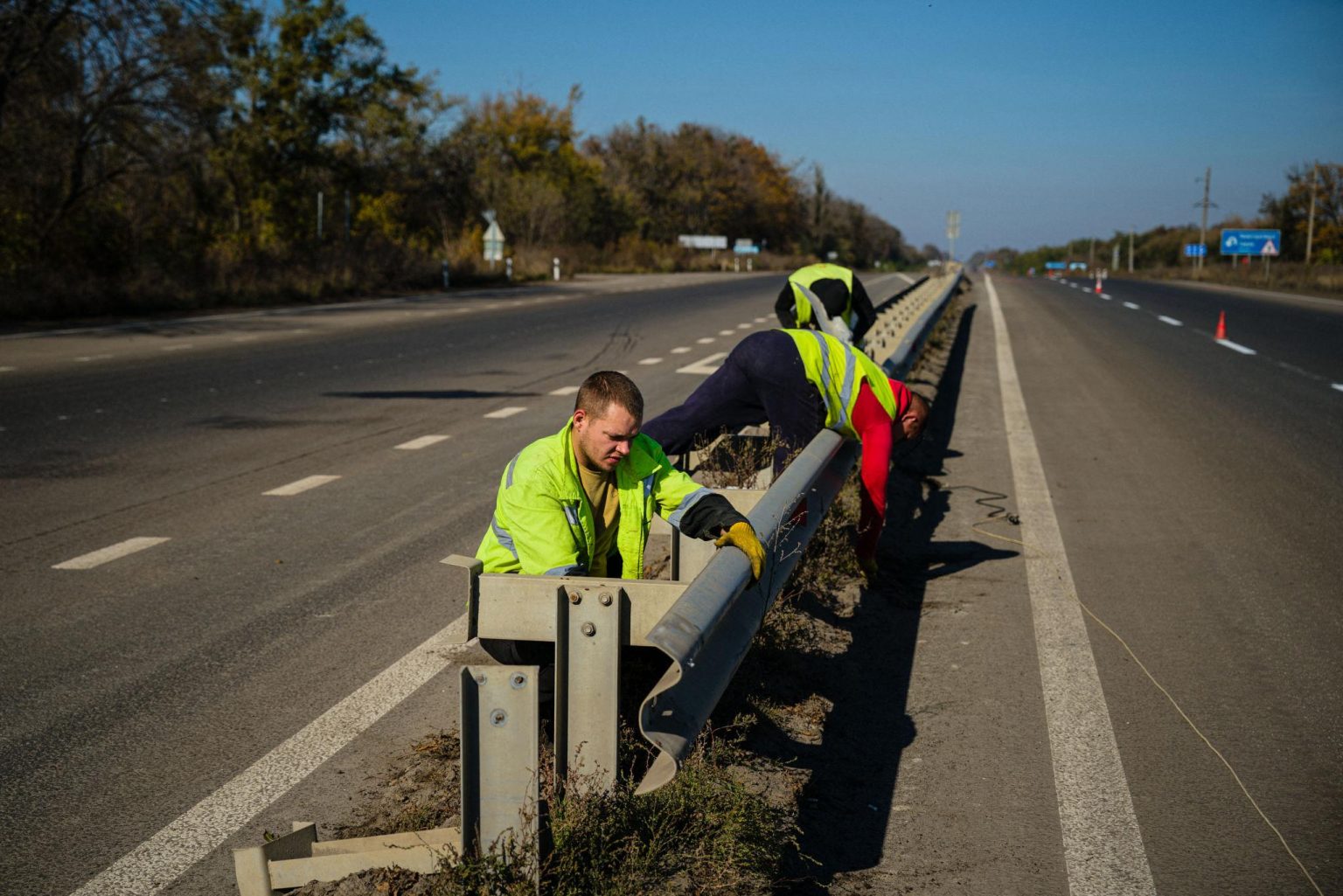
Ukraine continues facing significant economic and infrastructure challenges linked to damaged transportation networks, energy systems, industrial facilities, and public infrastructure.
Rebuilding efforts remain expensive and highly complex, requiring international financing and long-term planning.
The latest European economic assistance agreement is expected to help support critical sectors including transportation, healthcare, housing, and energy development.
Economists say reconstruction efforts may continue for years due to the scale of damage and the need for modernization across multiple industries.
Government officials have also stressed that attracting foreign investment remains essential for supporting long-term economic recovery.
Financial Markets Monitor Recovery Efforts Closely
International financial institutions and investors continue monitoring developments in Ukraine because successful recovery programs could reshape economic activity across Eastern Europe.
The approval of additional European economic assistance may improve investor confidence by demonstrating continued Western financial support for Ukraine’s rebuilding strategy.
Analysts believe infrastructure development projects could eventually create opportunities in construction, logistics, renewable energy, agriculture, and manufacturing.
However, economists continue warning that geopolitical uncertainty remains one of the largest risks facing long-term investment planning within the region.
Global institutions including the International Monetary Fund and World Bank have repeatedly highlighted the importance of sustained international cooperation.
Energy Infrastructure Remains a Major Priority
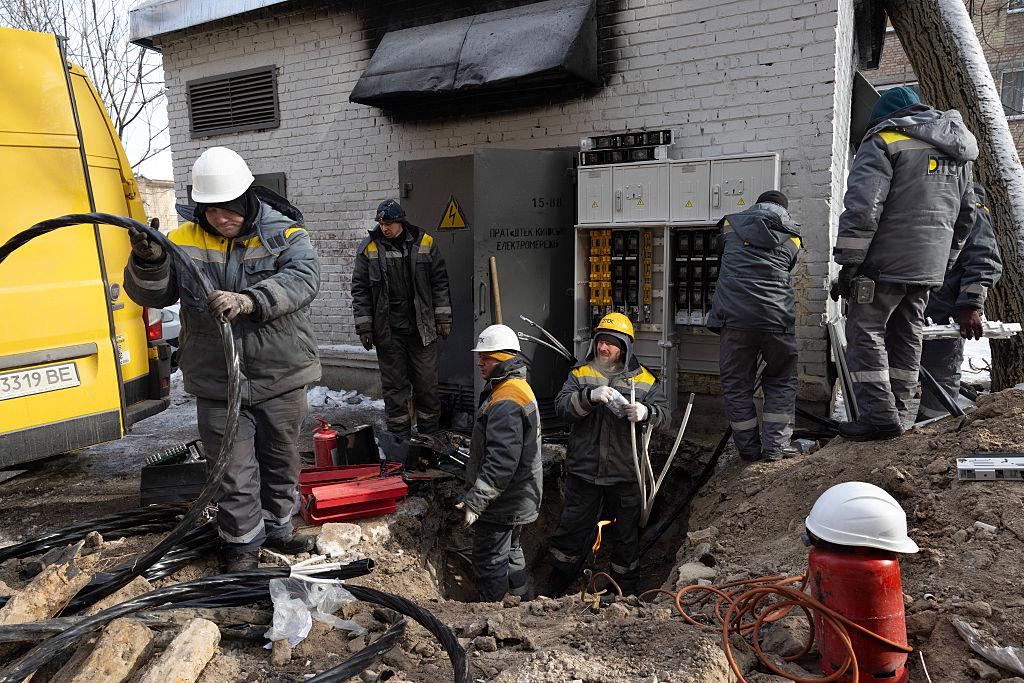
Ukraine’s government continues prioritizing repairs and modernization involving electricity generation, power distribution systems, and energy transportation infrastructure.
European officials view energy stability as one of the most important components of long-term recovery planning.
The latest European economic assistance program could help accelerate projects designed to strengthen energy resilience while improving regional infrastructure integration with European markets.
Several EU member states continue investing heavily in energy cooperation projects aimed at reducing long-term supply vulnerabilities across the region.
Energy experts say rebuilding modern infrastructure could eventually improve efficiency and attract additional industrial investment.
European Political Support Remains Strong
European governments continue presenting Ukraine’s economic recovery as strategically important for broader regional stability.
The latest European economic assistance agreement reflects continuing political alignment between Kyiv and Brussels on economic cooperation and reconstruction priorities.
European leaders have repeatedly stated that long-term recovery efforts are closely tied to future economic integration between Ukraine and European institutions.
Political analysts believe reconstruction funding will likely remain a major priority for European policymakers over the coming years.
The continued flow of financial assistance is also viewed as an important signal to global markets regarding long-term Western support for Ukraine.
History of European Financial Support for Ukraine
Timeline of Key Economic Support Programs
| Year | Major Development | Impact |
|---|---|---|
| 2014 | EU economic support programs expanded | Financial cooperation increased |
| 2020 | Infrastructure modernization planning accelerated | Investment activity grew |
| 2022 | Emergency financial aid expanded | Economic stabilization improved |
| 2024 | Reconstruction funding intensified | Recovery planning strengthened |
| 2026 | Parliament ratifies EU loan agreement | Long-term rebuilding support continues |
Experts say Europe’s growing involvement in Ukraine’s recovery may influence regional economic development for decades.
Economic Recovery Depends on Stability and Investment
While international aid packages provide important financial support, economists stress that sustainable recovery depends on long-term stability, infrastructure rebuilding, and successful institutional reforms.
The latest European economic assistance package may help strengthen short-term financial conditions, but major reconstruction challenges remain.
Analysts believe future growth opportunities could emerge in transportation, technology, renewable energy, agriculture, and manufacturing as rebuilding projects continue expanding.
At the same time, global investors remain cautious due to ongoing geopolitical uncertainty and security concerns.

Europe Deepens Commitment to Ukraine Recovery
The latest European economic assistance agreement demonstrates Europe’s continuing commitment to Ukraine’s economic recovery and reconstruction strategy. As rebuilding efforts continue, financial support from the European Union remains one of the most important pillars supporting stability and modernization.
For Ukraine, the agreement offers both immediate economic relief and long-term recovery potential. For Europe, it represents a strategic investment in regional stability, economic cooperation, and future growth across Eastern Europe.