
United States / Pakistan / Iran – April 22, 2026 — Brussels Morning Newspaper – US military readiness update is at the center of global attention as the United States extends a temporary ceasefire following a diplomatic request from Pakistan, while continuing its blockade of Iranian ports. The move reflects a strategic balance between de-escalation and sustained pressure, keeping military forces prepared amid uncertain negotiations.
The latest US military readiness update signals that while immediate conflict may be paused, underlying tensions remain unresolved.
Ceasefire Extension Approved After Diplomatic Engagement
The decision by Donald Trump to extend the ceasefire came after discussions with Pakistani officials, who sought to reduce the risk of further escalation. The US military readiness update confirms that the ceasefire is temporary and subject to ongoing negotiations.
Officials indicated that the extension provides a window for diplomatic progress, though no long-term agreement has been finalized. The situation remains fluid as all parties evaluate next steps.
Iranian Port Blockade Continues as Pressure Tool
Despite the ceasefire, the US military readiness update confirms that the blockade of Iranian ports remains firmly in place. This measure is designed to limit Iran’s ability to conduct international trade, particularly in energy exports.
Key impacts of the blockade include:
- Disruption of maritime trade routes
- Reduced oil export capacity
- Economic strain on Iran’s domestic industries
- Increased uncertainty in global shipping markets
The continued enforcement of the blockade underscores the strategic use of economic pressure alongside military readiness.
Military Forces Maintain High Alert Status
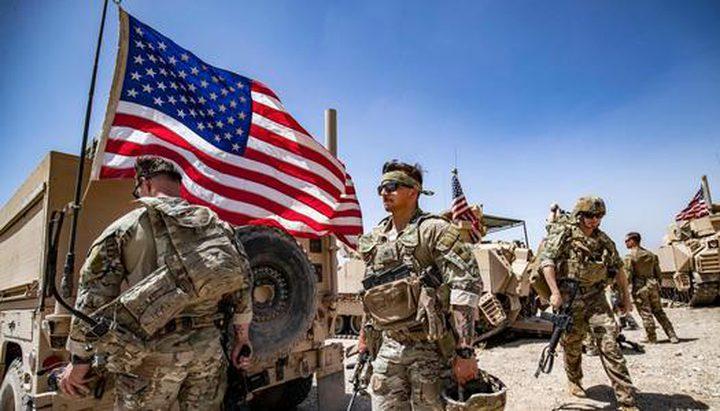
A central element of the US military readiness update is the confirmation that U.S. forces remain on high alert in the region. While the ceasefire reduces immediate conflict risk, military preparedness has not been scaled back.
A defense analyst noted:
“Maintaining readiness ensures that the U.S. can respond rapidly if conditions change. The ceasefire is a pause, not a resolution.”
This approach highlights the importance of preparedness in a volatile geopolitical environment.
Pakistan’s Role in Facilitating De-escalation
Pakistan has played a key role in securing the ceasefire extension, with its diplomatic efforts emphasized in the US military readiness update. Pakistan’s involvement reflects its strategic interest in preventing regional instability.
Analysts suggest that Pakistan’s mediation could influence future negotiations, although challenges remain in aligning the interests of all parties.
Iran’s Position Complicates Negotiations
Iran has expressed concerns about the continued blockade, which remains a significant obstacle in negotiations. The US military readiness update indicates that economic restrictions are a central point of contention.
Iran’s response will likely play a critical role in determining whether the ceasefire can be extended further or lead to a more permanent agreement.
Market Reactions Reflect Mixed Signals
The US military readiness update has influenced global markets, with investors reacting to both the ceasefire extension and the ongoing blockade. While the reduced risk of immediate conflict has provided some stability, uncertainty remains.
Market impacts include:
- Volatility in oil prices
- Shifts in investor sentiment
- Increased attention to geopolitical risks
- Fluctuations in shipping and logistics sectors
These reactions underscore the interconnected nature of global markets and geopolitical developments.
Strategic Balance Between Diplomacy and Force
The US military readiness update reflects a broader strategy that combines diplomatic engagement with sustained pressure. By extending the ceasefire while maintaining the blockade, the U.S. aims to encourage negotiations without reducing leverage.
This dual approach is increasingly seen as a way to manage complex international conflicts without immediate escalation.
Uncertainty Surrounds Duration of Ceasefire
One of the key questions raised by the US military readiness update is how long the ceasefire will last. Without clear timelines or conditions, the situation remains uncertain.
Negotiations could lead to a longer-term agreement, but the risk of renewed conflict persists if key issues are not resolved.
Preparedness Remains Key Amid Temporary Pause
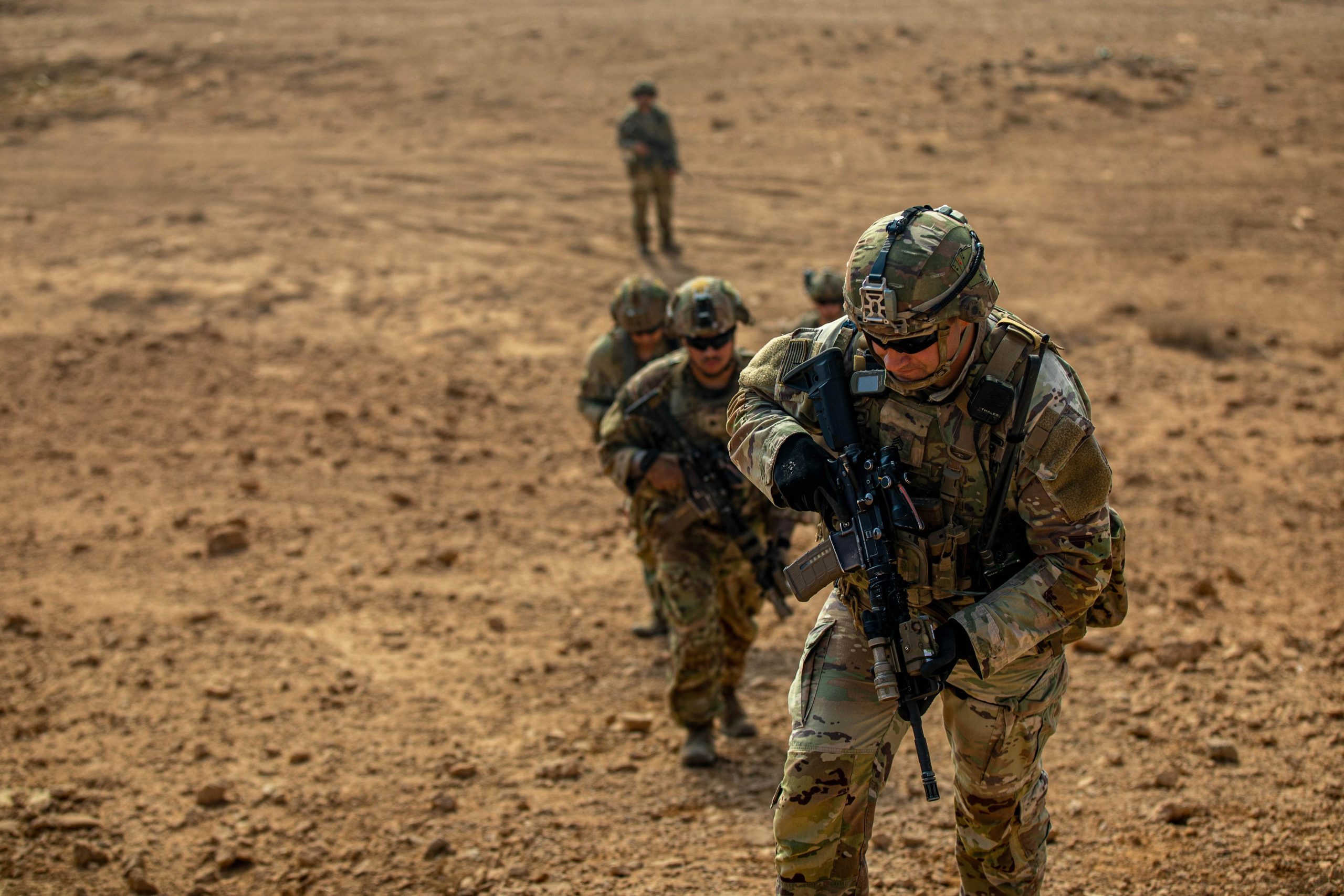
The US military readiness update highlights the delicate balance between de-escalation and preparedness. While the ceasefire extension reduces immediate tensions, the continued blockade and high alert status of military forces indicate that the situation remains fragile.
As diplomatic efforts continue, the effectiveness of this strategy will depend on whether it can lead to a sustainable resolution. For now, global attention remains focused on how events will unfold in the coming weeks.