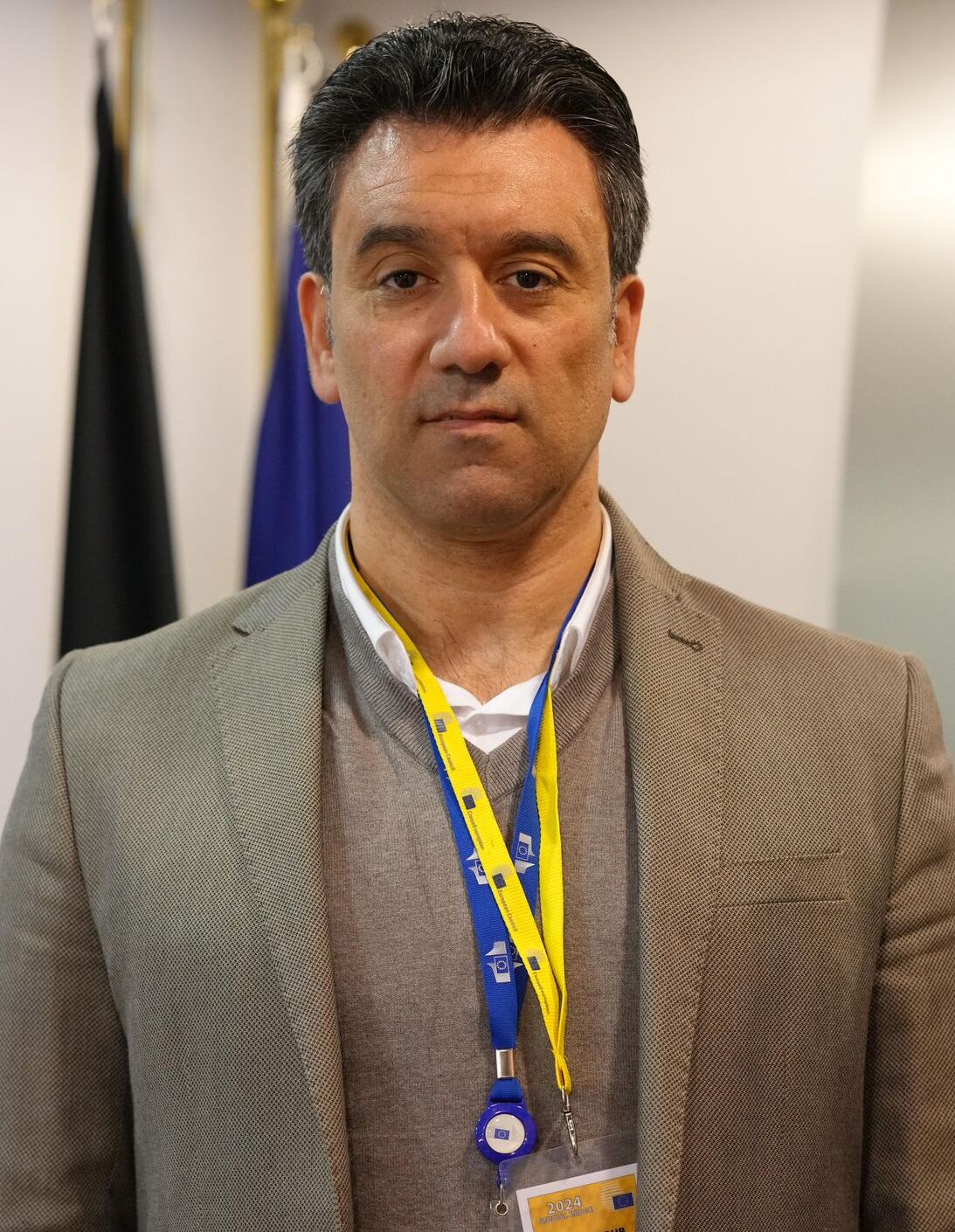

Southern Lebanon – April 18, 2026 — Brussels Morning Newspaper – UN peacekeeping challenges are increasingly visible in southern Lebanon in April 2026, where a ceasefire agreement has failed to translate into lasting calm. While international leaders continue to emphasize diplomatic progress, the situation on the ground reflects a volatile environment marked by repeated violations, rising tensions, and operational strain on peacekeeping forces.
- Ceasefire agreement under growing strain
- UNIFIL caught between conflicting forces
- Rising risks and operational limitations
- Civilian impact and local uncertainty
- Regional implications and geopolitical tensions
- Diplomatic efforts face ongoing hurdles
- Credibility concerns for UNIFIL
- What comes next?
- UN peacekeeping challenges reach a critical breaking point
- A fragile peace under pressure
The United Nations Interim Force in Lebanon (UNIFIL) is now operating in one of its most complex environments in recent years, caught between competing actors and limited authority to enforce stability.
Ceasefire agreement under growing strain
The ceasefire agreement was intended to halt hostilities and create a pathway toward stability. However, recent developments suggest that the agreement is under significant pressure. Incidents involving sporadic fire exchanges, localized clashes, and security breaches continue to challenge its effectiveness.
UN peacekeeping challenges are evident in the widening gap between diplomatic messaging and realities on the ground. While official statements highlight progress, the frequency of violations indicates a fragile and inconsistent commitment to peace.
A regional observer noted:
“Agreements alone cannot ensure stability. Without enforcement and accountability, they become temporary pauses rather than lasting solutions.”
UNIFIL caught between conflicting forces
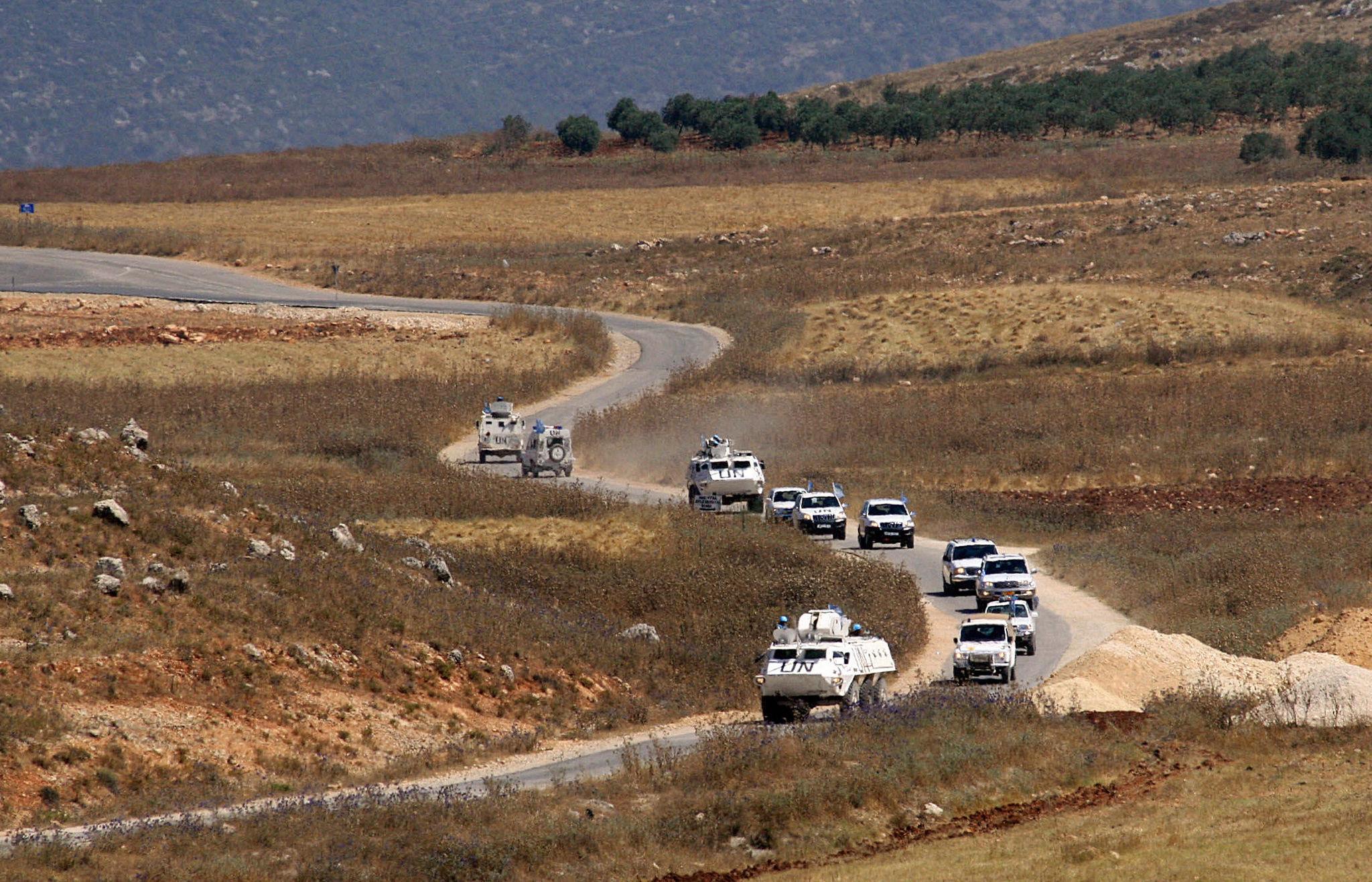
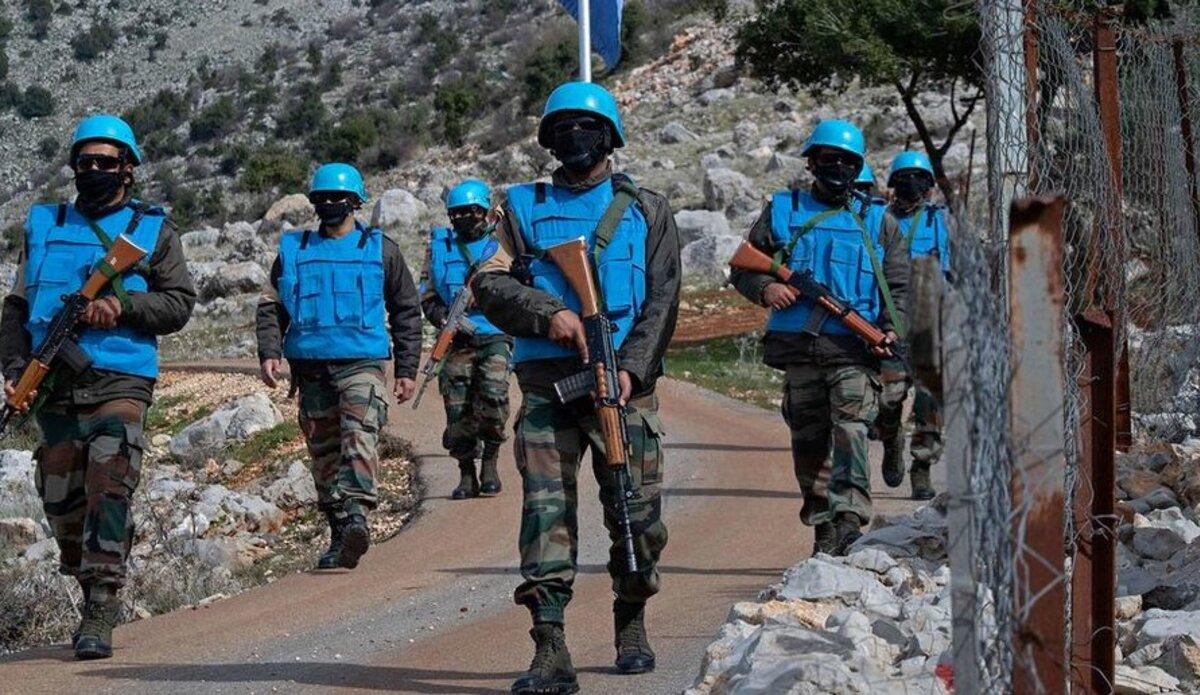
UNIFIL’s role has become increasingly complicated as it navigates a dynamic and unpredictable environment. Tasked with monitoring the ceasefire and supporting local security forces, peacekeepers face limitations that hinder their ability to respond effectively to violations.
UN peacekeeping challenges are particularly pronounced when peacekeepers are expected to maintain neutrality while operating in areas with active tensions. This balancing act often restricts their operational flexibility and reduces their capacity to intervene in critical situations.
Rising risks and operational limitations
The security landscape in southern Lebanon has grown more unpredictable, raising concerns about the safety of peacekeeping personnel. Movement restrictions, security threats, and reduced access to key areas have limited UNIFIL’s ability to monitor and respond to incidents.
These conditions highlight a broader issue: UN peacekeeping challenges intensify when missions are deployed in environments where ceasefire agreements lack full compliance from involved parties.
A senior official familiar with peacekeeping operations stated:
“Peacekeeping missions depend on cooperation. Without it, their ability to maintain stability is significantly weakened.”
Civilian impact and local uncertainty
For residents of southern Lebanon, the ongoing instability has direct and immediate consequences. Daily life is shaped by uncertainty, with disruptions affecting schools, businesses, and essential services.
UN peacekeeping challenges are not just operational—they also have humanitarian implications. Communities are left navigating the consequences of instability, often without clear assurances of safety or long-term security.
Economic disruptions have further compounded the situation, affecting livelihoods and contributing to broader regional concerns.
Regional implications and geopolitical tensions
The situation in southern Lebanon cannot be viewed in isolation. It is closely tied to broader regional dynamics, including tensions involving Iran, Israel, and other actors in the Middle East.
UN peacekeeping challenges in this context reflect the difficulty of maintaining localized stability amid wider geopolitical pressures. Each development on the ground has the potential to influence regional security and diplomatic relations.
Diplomatic efforts face ongoing hurdles
International stakeholders continue to advocate for de-escalation and adherence to the ceasefire agreement. However, the effectiveness of these efforts remains uncertain as violations persist.
UN peacekeeping challenges underscore the importance of sustained diplomatic engagement, verification mechanisms, and trust-building measures. Without these elements, ceasefire agreements risk losing credibility over time.
Credibility concerns for UNIFIL
As the situation evolves, questions are being raised about the credibility and effectiveness of UNIFIL. While the mission remains a key component of international efforts to maintain stability, its ability to adapt to changing conditions is under scrutiny.
UN peacekeeping challenges have highlighted the limitations of traditional peacekeeping models in modern conflict zones, where non-state actors and asymmetric threats complicate enforcement efforts.
Maintaining credibility will require not only operational adjustments but also stronger international support and clearer mandates.
What comes next?
The future of the ceasefire remains uncertain. While a full-scale escalation has not occurred, the persistence of violations suggests that the current situation is unsustainable without meaningful intervention.
Experts warn that UN peacekeeping challenges could intensify further if underlying issues are not addressed. Strengthening enforcement mechanisms and ensuring accountability will be critical to preventing further deterioration.
UN peacekeeping challenges reach a critical breaking point
“Peacekeeping without enforcement turns stability into an illusion.”
A fragile peace under pressure
UN peacekeeping challenges in southern Lebanon illustrate the complexities of maintaining stability in a volatile environment. Despite the presence of international forces and formal agreements, the gap between expectations and reality continues to widen.
UNIFIL remains an essential part of the peacekeeping framework, but its role is increasingly constrained by operational limitations and evolving threats. For local communities, the impact is immediate, reinforcing the urgent need for a more effective and sustainable approach to peace.
As April 2026 progresses, the situation serves as a reminder that peace requires more than agreements—it demands commitment, cooperation, and consistent enforcement.