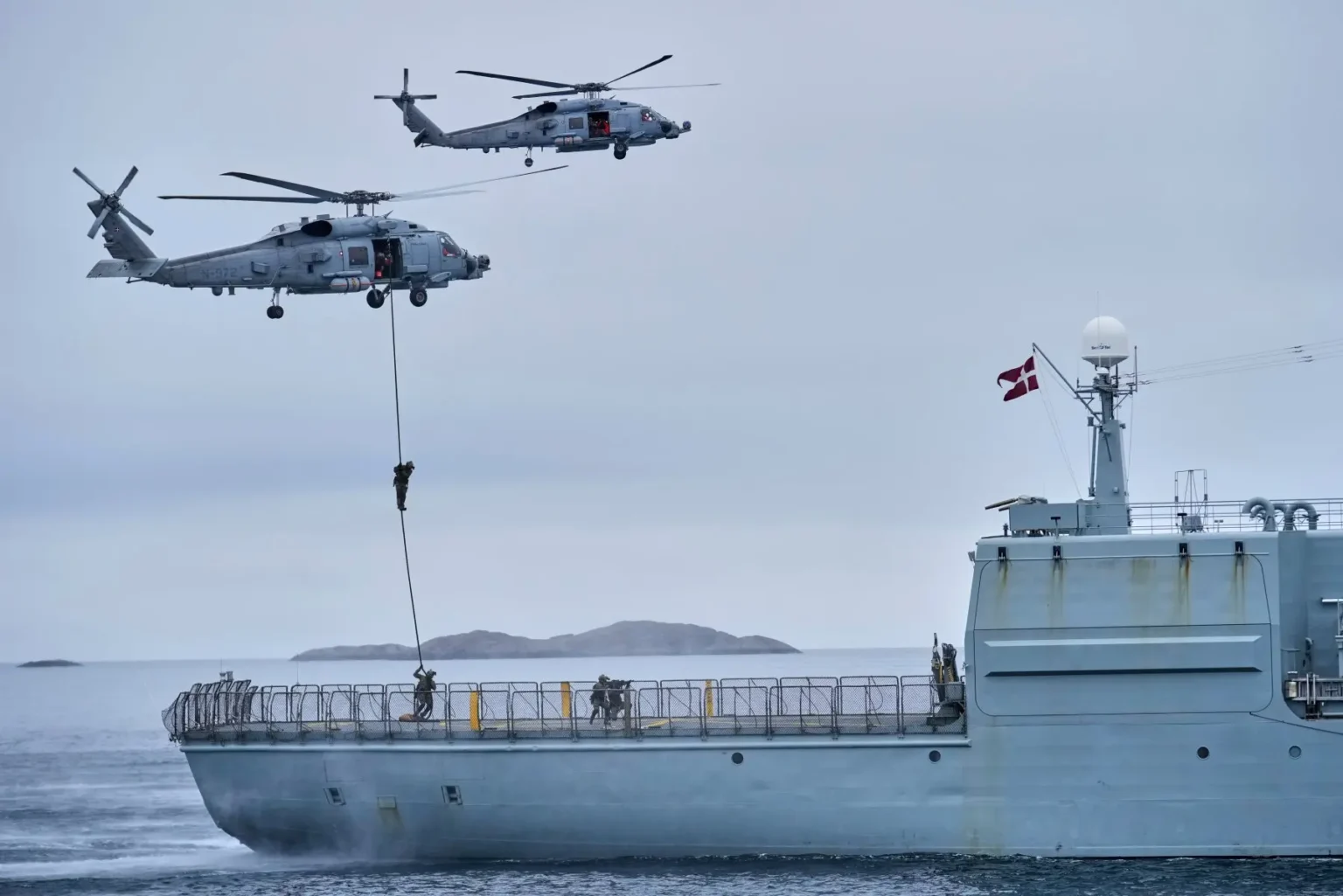
Nuuk, Greenland – January, 2026 — At the beginning of the year, Brussels Morning Newspaper draws attention to a decisive shift unfolding in the High North, where Greenland has emerged as a focal point of strategic re-calibration. The evolving Arctic environment, shaped by climate change and geopolitical competition, has prompted the European military to reassess how the region fits into long-term security thinking.
Once viewed as distant and insulated by geography, Greenland is now widely understood as a strategic connector linking Europe, North America, and the Arctic Ocean. This reassessment reflects broader changes in how global security planners interpret risk, access, and stability in a rapidly transforming environment.
Greenland’s Geographic Weight in Global Strategy
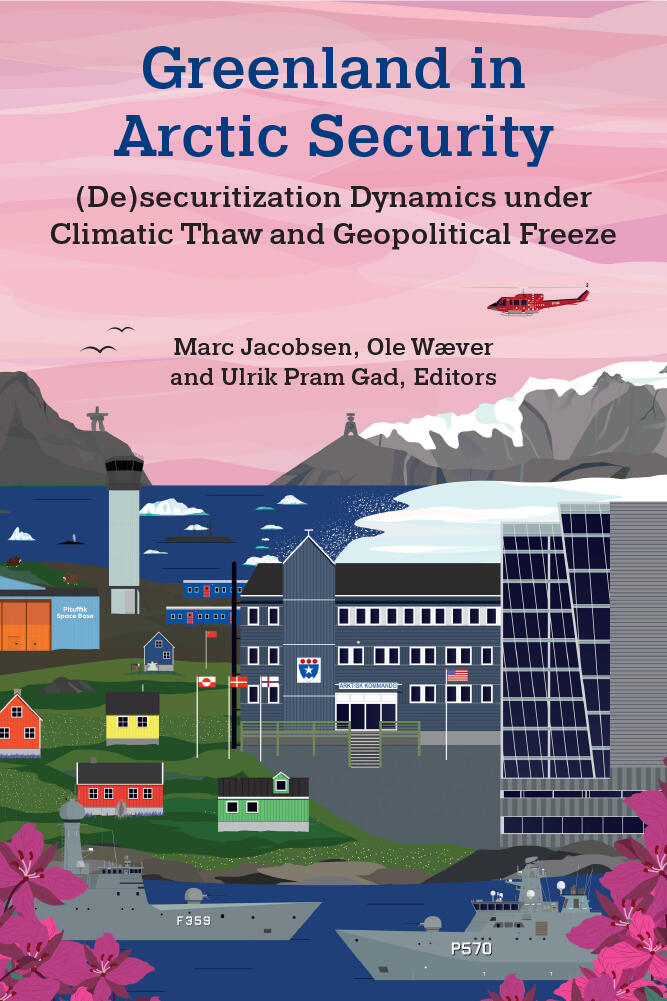
Greenland’s strategic relevance is rooted in its position rather than its population or industrial capacity. The island sits astride key air and maritime corridors that link continents and oceans, offering unique access to airspace monitoring and early-warning capabilities.
As polar ice retreats, surrounding waters are becoming increasingly navigable, shortening shipping routes and expanding commercial interest. These shifts have transformed Greenland from a peripheral concern into a central consideration for policymakers, reinforcing why the European military now places greater emphasis on Arctic geography in strategic planning.

Climate Change as a Force Multiplier
The Arctic is warming at more than twice the global average, reshaping coastlines, ecosystems, and infrastructure. Melting ice exposes natural resources while destabilizing permafrost foundations that support existing facilities.
These environmental changes carry strategic consequences. Climate dynamics introduce uncertainty and risk, requiring preparedness that spans environmental monitoring, civil protection, and security coordination. For the European military, climate adaptation has become inseparable from long-term Arctic planning.
Transatlantic Context and Strategic Memory
Greenland’s rising profile has revived memories of past diplomatic moments that underscored its value. Former US President Donald Trump once proposed acquiring the island, a suggestion that was dismissed but lingered as a reminder of Greenland’s strategic appeal.
While current transatlantic relations emphasize cooperation, European policymakers remain aware that strategic competition can intensify quickly in regions undergoing transformation. This awareness informs how the European military approaches engagement, emphasizing balance and predictability.
From Observation to Operational Readiness
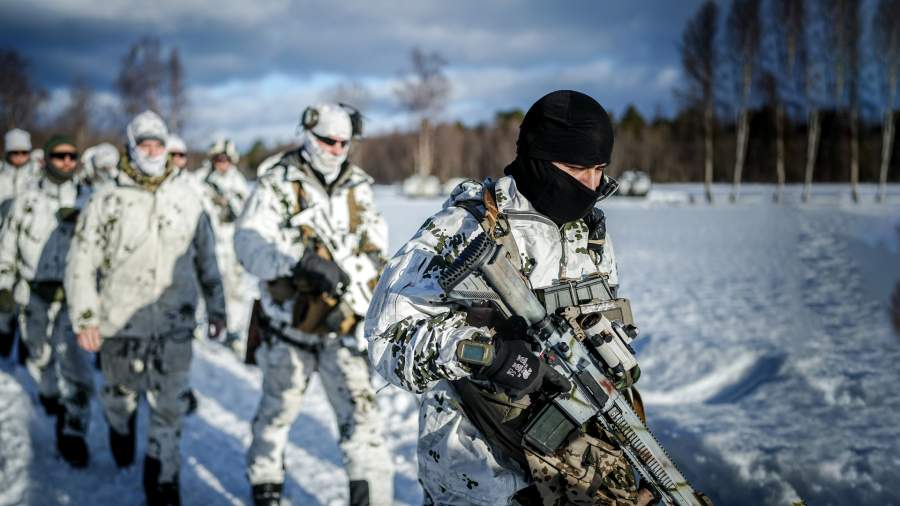
For decades, Arctic engagement focused largely on observation and scientific research. Today, readiness has become a defining theme. Training increasingly emphasizes cold-weather operations, logistics resilience, and emergency response capabilities suited to extreme conditions.
These measures are framed as precautionary rather than confrontational. Officials argue that readiness reduces the likelihood of crises by ensuring capabilities are in place before emergencies arise, a logic that underpins the evolving posture of the European military.

Denmark’s Coordinating Role
Denmark retains responsibility for Greenland’s external defense, placing Copenhagen at the center of Arctic coordination. Danish authorities have encouraged cooperative approaches that align European partners while respecting Greenland’s political autonomy.
For Greenlandic leaders, engagement with external partners is balanced against local priorities such as economic development, education, and environmental protection. This balance shapes how the European military integrates its planning with regional governance structures.
Alliance Thinking in the High North
Within broader alliance frameworks, the Arctic has gained recognition as a distinct strategic domain. Surveillance systems, satellite coverage, and communications resilience now occupy a more prominent place in planning discussions.
This evolution reflects how European military coordination has matured, driven by shared assessments of risk rather than reaction to isolated events. Transparency and information-sharing are emphasized as stabilizing tools.
Environmental Limits on Activity
Operating in the Arctic imposes constraints unlike those in other regions. Extreme cold affects equipment reliability, while melting permafrost undermines infrastructure stability. Construction and maintenance require specialized methods adapted to fragile ecosystems.
Environmental responsibility has become a central consideration. Strict standards aim to minimize ecological impact, reinforcing the view within the European military that long-term security depends on environmental stewardship.
Strategic Signaling Beyond the Arctic
Actions taken in Greenland resonate far beyond the polar circle. Strategic adjustments send signals about unity, preparedness, and intent, shaping perceptions among global actors.
By coordinating approaches, the European military seeks to reinforce norms of responsible behavior in regions experiencing heightened interest. The emphasis remains on clarity rather than dominance.
Measured International Reactions
Responses from other Arctic stakeholders have been cautious. The Arctic Council continues to prioritize cooperation, scientific collaboration, and dialogue as foundations of regional stability.
Observers note that transparency surrounding European military engagement contributes to predictability, reducing the risk of miscalculation in an increasingly active environment.
Security, Economy, and Arctic Opportunity
Greenland’s transformation is not solely a security story. Increased access to resources and shipping routes has sparked economic interest, creating opportunities alongside new vulnerabilities.
European policymakers increasingly frame security in holistic terms, recognizing that the European military operates within a broader context that includes economic resilience and sustainable development.
Technology and Situational Awareness
Advances in satellite imagery, data analytics, and communications technology have reshaped Arctic awareness. Real-time information supports decision-making across vast distances and challenging terrain.
These tools enhance coordination while highlighting the need for interoperability, a priority that continues to shape planning within the European military.
Public Understanding and Strategic Communication
As Arctic issues gain prominence, public awareness has grown. Media coverage, academic research, and policy debate have helped explain why Greenland matters in global affairs.
Clear communication remains essential. Officials stress that transparency builds trust and counters speculation, reinforcing the legitimacy of European military engagement.
Law, Governance, and Stability
International legal frameworks govern maritime boundaries, resource access, and environmental protection in the Arctic. Adherence to these norms is widely viewed as essential to stability.
European policymakers emphasize that respect for law underpins credibility, ensuring that the European military operates within established rules that support cooperative governance.
Balancing Presence With Restraint
Visibility does not equate to escalation. Activities emphasize coordination, training, and resilience rather than permanent deployment.
One senior defense official said,
“Preparedness in the Arctic is about preventing crises, not provoking them.”
This single remark encapsulates the guiding philosophy behind current engagement.
Greenland and the Future of Arctic Stability
Greenland now stands at the intersection of climate transformation and geopolitical evolution. Decisions made in 2026 will shape not only Arctic stability but also broader norms of international cooperation. As the European military refines its approach, the emphasis remains on foresight, dialogue, and responsibility in a region whose importance continues to grow.