
Brussels (Brussels Morning Newspaper) January 15, 2026 – Negotiations on the European Union’s next multiannual financial framework (MFF) have progressed to a more political phase following discussions at the December European Council. Emerging horizontal budget choices across internal priorities influence the context for the Global Europe instrument. Connecting internal and external action priorities becomes decisive as talks extend into 2026.
- December Council Discussions Set Negotiation Tone
- Horizontal Budget Choices Reshaping Priorities
- Global Europe Instrument Under Negotiation Spotlight
- Internal Priorities Driving External Action Context
- 2026 Negotiation Timeline and Milestones
- Stakeholder Positions on Key Trade-Offs
- Historical Context of MFF Negotiations
- Implications for External Action Instruments
- Expert Commentary by Alexei Jones
- Technical Preparatory Work Underway
- ctuBroader EU Budget Architere Evolution
The MFF sets the EU’s budgetary framework for seven years, determining funding allocations for policy areas including cohesion, agriculture, and external action. December Council conclusions highlighted tensions between member states on expenditure ceilings and new priorities such as defence and green transition. Diplomats report intensified trilogue meetings between the Council, Parliament, and Commission.
Alexei Jones, in a published commentary, details how these dynamics affect Global Europe, the EU’s primary external financing instrument. Horizontal choices refer to cross-cutting decisions impacting multiple budget lines simultaneously.
December Council Discussions Set Negotiation Tone

European Council President Charles Michel convened leaders on December 12-13 to address MFF outlines for 2028-2034. Leaders debated raising the expenditure ceiling from 1.2% to 1.5% of GNI amid demands for increased defence spending. Germany and Netherlands advocated fiscal discipline, while France and Poland pushed for higher external action envelopes.
The Council tasked the General Affairs formation with advancing technical work by March 2026. Presidency progress reports noted progress on 70% of headings but stalemates on migration and neighbourhood funding. Global Europe faced scrutiny as internal security budgets expanded.
Jones observes that Council statements linked internal resilience to external partnerships, influencing instrument design.
Horizontal Budget Choices Reshaping Priorities
Horizontal choices encompass decisions affecting cohesion funds, recovery instruments, and external action simultaneously. Member states agreed to ring-fence green and digital transition allocations at 45% of commitments. Defence initiatives, including the European Defence Industry Programme, claim €100 billion over the MFF period.
These shifts pressure Global Europe, which funds neighbourhood, development, and global projection under Heading 6. Budgetary trade-offs emerged between enlargement support and sub-Saharan Africa partnerships. Jones highlights trade-offs in Eastern Partnership versus Indo-Pacific allocations.
Commission proposals maintain Global Europe at €80 billion in 2021 prices, but Council amendments cap growth at 2% annually.
Global Europe Instrument Under Negotiation Spotlight
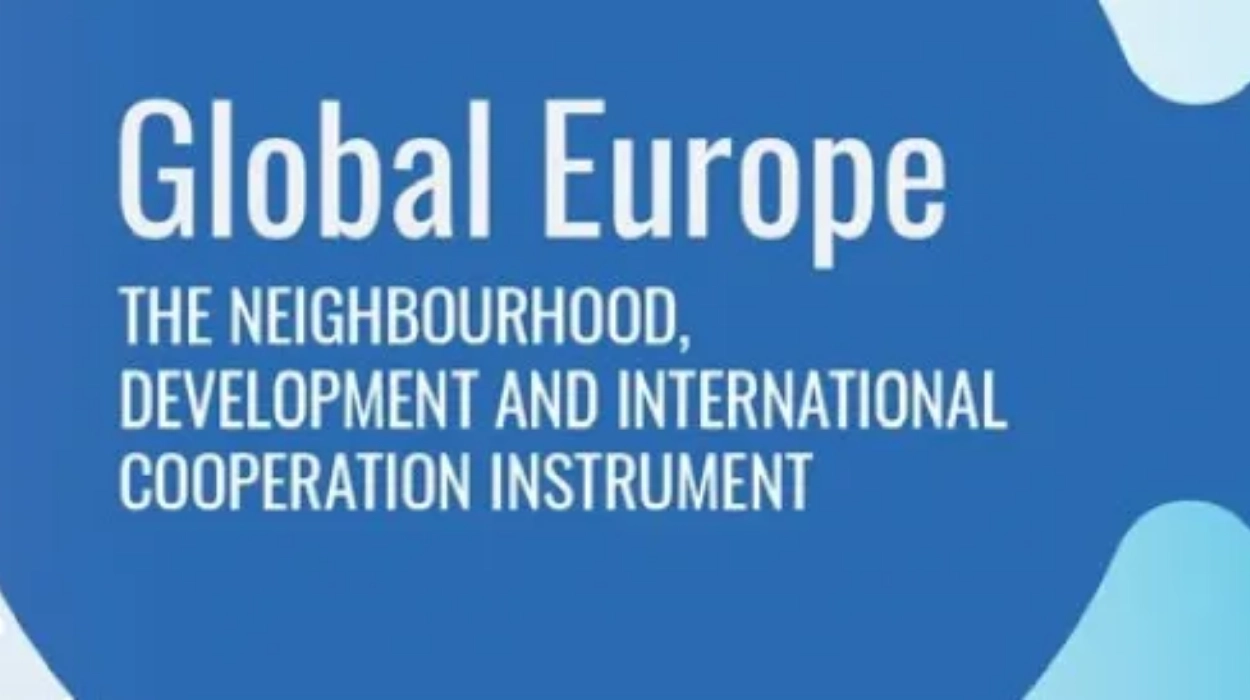
Global Europe consolidates previous instruments like the Neighbourhood, Development and International Cooperation Instrument (NDICI). It supports 150 partner countries through blended finance, guarantees, and grants. 2025 implementation reports show €15 billion disbursed, with 60% to Africa and the Neighbourhood.
Negotiators debate flexibility clauses allowing reprogramming between crises. Parliament insists on 30% humanitarian ring-fence, while Council favours geographic flexibility. Jones notes reprogramming debates link to internal migration management funds.
Performance-based allocations tie funding to partner reforms, mirroring internal cohesion criteria.
Internal Priorities Driving External Action Context
MFF talks integrate internal priorities like NextGenerationEU extensions and Cohesion Policy reform. Cohesion funds rise to €400 billion, competing with external envelopes. Defence spending emerges as new horizontal priority post-Ukraine invasion support.
Single Market programme expands to €20 billion, influencing trade-related external action. Just Transition Fund reaches €25 billion, paralleling climate finance in Global Europe. Jones connects these dots, showing internal conditionality models applied externally.
Migration Pact implementation requires €10 billion, drawing from external asylum partnerships.
2026 Negotiation Timeline and Milestones

General Affairs Council schedules MFF stocktake on February 24. Parliament’s budget committee targets first reading by April. Trilogue calendar foresees eight sessions through June, aiming for partial agreement by summer.
Eurogroup discussions on own resources reform synchronise with MFF. New revenues from carbon border adjustment and financial transaction tax earmarked for external action. Jones predicts a decisive Council in October 2026 for the final framework.
Technical working parties finalise 1,200 legislative acts underpinning MFF.
Stakeholder Positions on Key Trade-Offs
European Parliament rapporteur David McAllister emphasises Global Europe’s role in strategic autonomy. Council Presidency progress report balances enlargement funding at €30 billion against Africa investments. Commission Vice-President Šefčovič advocates blended finance scaling to €90 billion.
Development NGOs lobby for 0.7% GNI target maintenance. Enlargement countries seek pre-accession funds doubling. Jones maps these positions against horizontal constraints.
Historical Context of MFF Negotiations
Previous MFF 2021-2027 required 18 months negotiation, resolved by extraordinary own resources agreement. COVID-19 Recovery Fund added €750 billion, setting precedent for crisis flexibility. Current talks occur amid €100 billion Ukraine Facility extension debates.
Council legal service opinions clarify MFF unity principle, limiting annual budget flexibility.
Implications for External Action Instruments

Global Europe successor design incorporates lessons from 2021-2027 cycle. Enhanced private sector instruments target €40 billion mobilisation. Crisis Response Corridor activates €5 billion for rapid disbursements.
Parliament amendments strengthen human rights conditionality. Council insists on strategic like-minded partnerships prioritisation.
Expert Commentary by Alexei Jones
Jones, European Policy Centre senior fellow, published analysis post-December Council. He argues horizontal choices force Global Europe reprogramming towards hybrid threats. Internal priorities like defence condition external security partnerships.
Commentary details budgetary simulations showing 10% Global Europe cut under defence ceiling scenarios. Jones forecasts 2026 political bargains linking MFF to enlargement calendar.
Technical Preparatory Work Underway
Budgetary Authority prepares 2,000 amendments across 40 regulations. Impact assessments quantify trade-offs, projecting €50 billion leverage from guarantees. Own resources technical file compiles 12 new revenue streams. Council Working Party on MFF advances 80% technical provisions.
ctuBroader EU Budget Architere Evolution
MFF integrates the Ukraine Facility at €54 billion, with annual top-ups. NextGenerationEU repayment schedule spans 45 years from 2028. Flexibility instrument doubles to €20 billion for unforeseen crises. Own resources share rises to 25% non-reimbursable expenditure.