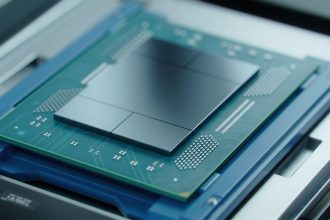
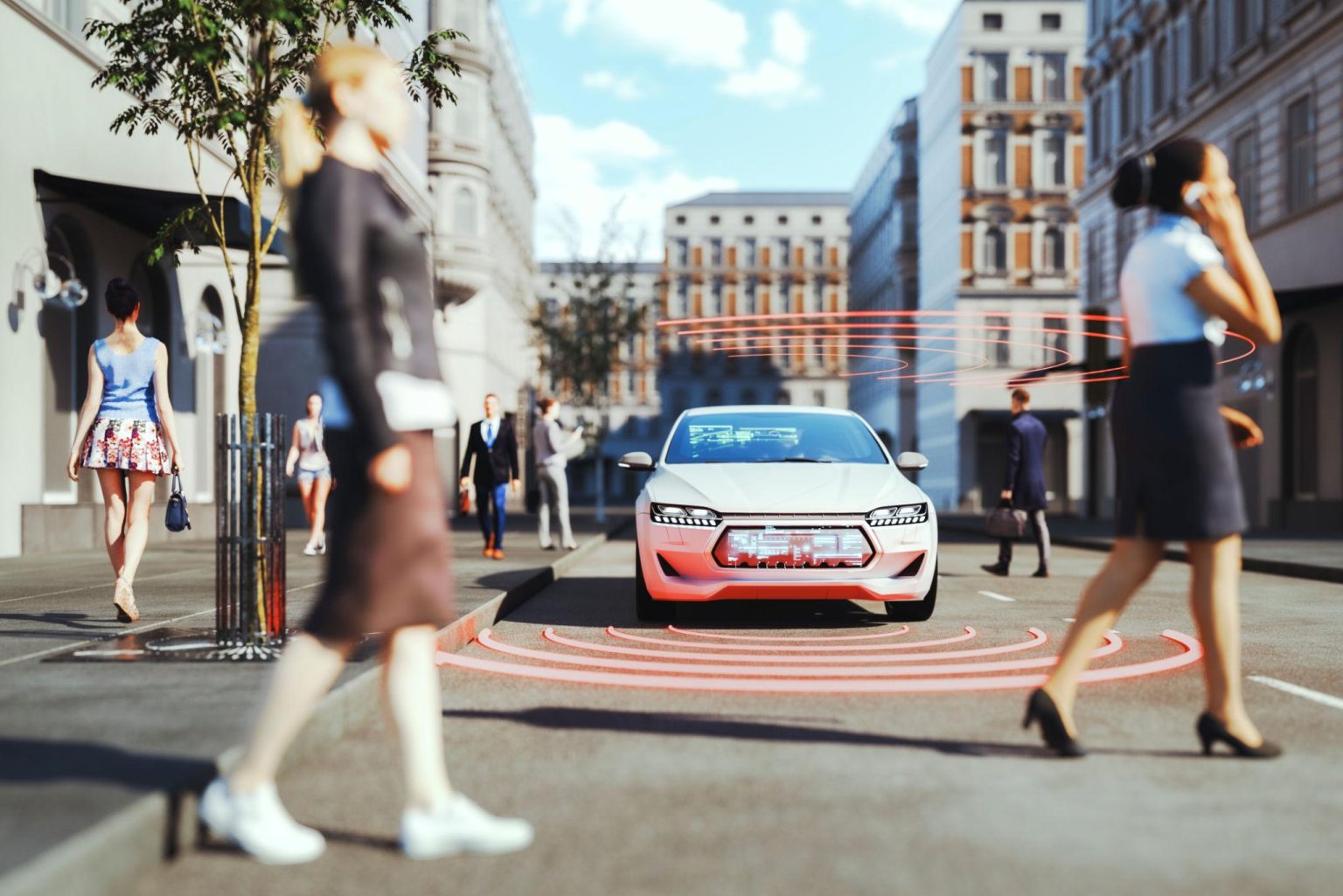
SHANGHAI, China – April 17, 2026 — Brussels Morning Newspaper – EV safety technology is rapidly evolving after Chinese sensor maker Hesai announced a next-generation lidar system capable of detecting color, a major development that could improve autonomous driving systems and vehicle awareness on modern roads.
- Why EV Safety Technology Matters More Than Ever
- Hesai’s New Lidar Could Change the Industry
- Powerful Breakthroughs Driving EV Safety Technology
- Why Consumers Will Notice the Difference
- Global Competition Is Heating Up
- Could Insurance Costs Eventually Fall?
- Challenges Still Ahead
- Why 2026 Could Be a Turning Point
- EV Safety Technology Gains Momentum
The global electric vehicle market has focused heavily on battery range, charging speed, and affordability. However, safety is becoming one of the most important selling points for consumers. As EV adoption rises, buyers increasingly want advanced systems that help prevent accidents, reduce driver stress, and improve road confidence.
The Hesai announcement highlights how the future of transportation may be defined not only by cleaner energy, but by smarter protection systems.
“Consumers may buy an EV for savings, but they stay loyal for safety,”
one industry analyst said.
Why EV Safety Technology Matters More Than Ever
Electric vehicles are becoming mainstream in many countries. With millions of EVs now on roads globally, expectations are changing quickly.
Modern buyers want more than basic airbags and seatbelts. They now expect:
- Collision warning systems
- Blind spot monitoring
- Lane keeping assistance
- Emergency braking
- Smart parking tools
- Adaptive cruise control
- Autonomous driving readiness
This is where EV safety technology becomes critical. Vehicles equipped with advanced sensors and intelligent software can help reduce human error, which remains a leading cause of accidents.
Hesai’s New Lidar Could Change the Industry
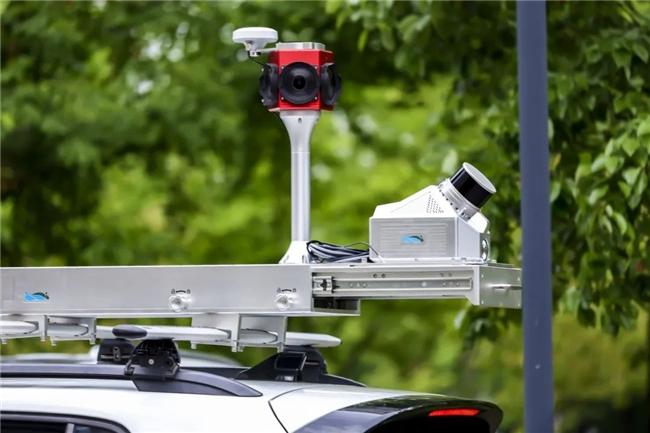
Traditional lidar sensors use lasers to map distance, shapes, and movement around a vehicle. They are highly useful in poor lighting or fog, but many systems cannot identify color.
Hesai’s newly announced sensor adds color recognition, giving autonomous systems another layer of understanding.
That means vehicles may better identify:
- Red, yellow, and green traffic lights
- Colored lane markings
- Brake lights
- Road cones and warning signs
- Emergency vehicles with flashing lights
- Pedestrians in bright clothing
For autonomous systems, this may create faster and safer decision-making.
Powerful Breakthroughs Driving EV Safety Technology
1. Color-Sensitive Lidar
The ability to detect color may improve navigation and hazard recognition.
2. AI Collision Prevention
Artificial intelligence can predict risky movements from nearby vehicles or pedestrians.
3. Driver Monitoring Cameras
Systems can detect fatigue, distraction, or medical distress.
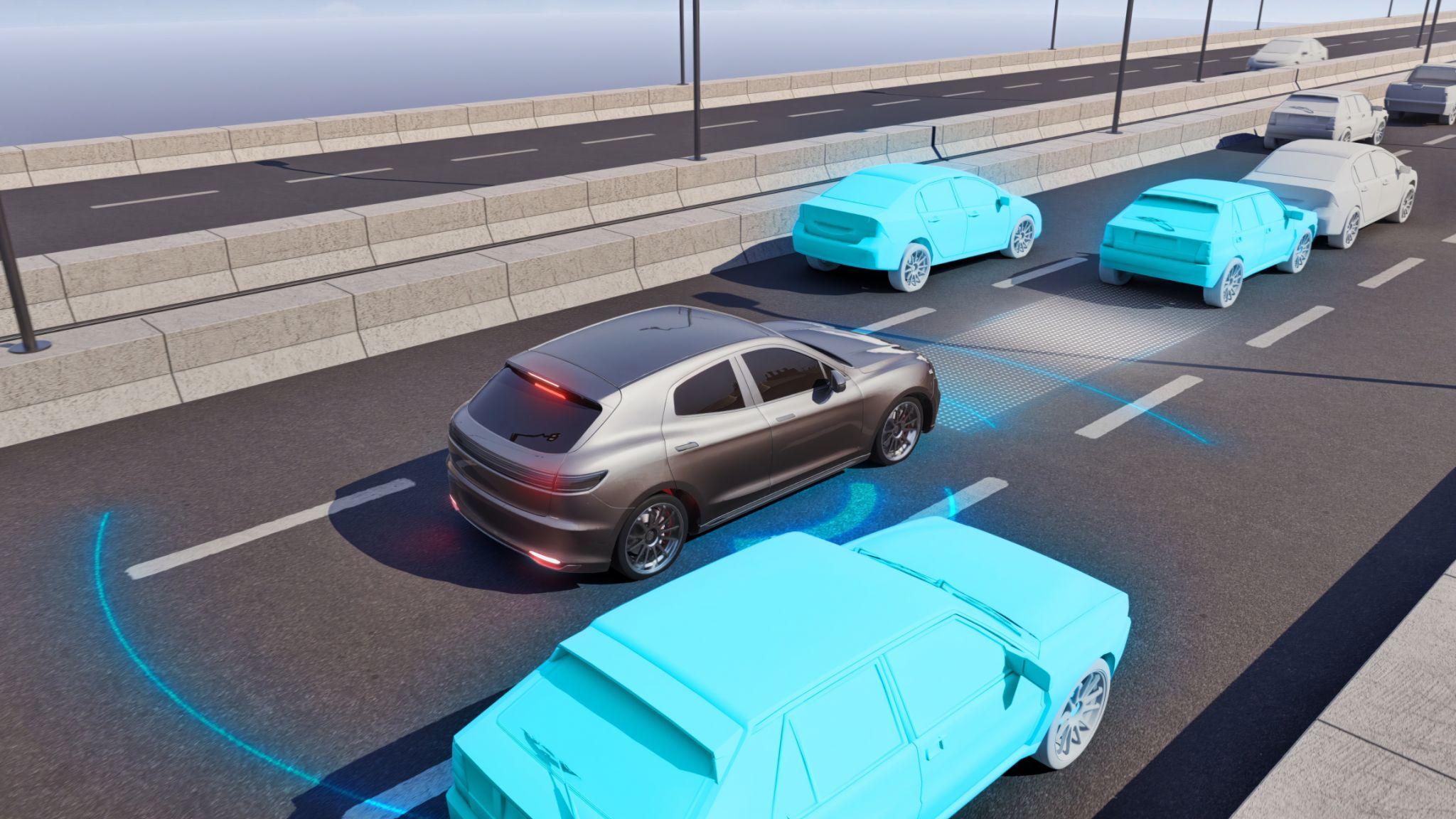
4. Smarter Emergency Braking
Vehicles can react faster than human drivers in many situations.
5. Battery Fire Protection
Improved thermal management reduces overheating risks.
6. Advanced Lane Assistance
Cars can maintain safer lane positioning on highways and city roads.
7. Connected Road Awareness
Vehicles may soon communicate with traffic systems and nearby cars.
Together, these advances are redefining EV safety technology in 2026.
Why Consumers Will Notice the Difference
Many drivers still worry about EV ownership because of unfamiliar technology. Safety improvements can help remove hesitation.
Consumers often ask:
- Is the battery safe?
- Can the car prevent accidents?
- Does automation work reliably?
- Is it safer than gasoline vehicles?
As manufacturers improve software and sensors, confidence may rise significantly.
The next generation of EVs could become known not only for efficiency—but for superior protection
Global Competition Is Heating Up
China, the United States, Europe, Japan, and South Korea are all investing heavily in automotive technology.
Whoever leads EV safety technology may gain a powerful market advantage.
Automakers that deliver better safety scores, lower accident rates, and smarter assistance systems may win more buyers in an increasingly crowded market.
That could lead to:
- Faster innovation cycles
- Lower sensor prices
- Better safety features in lower-cost EVs
- Stronger consumer trust
- Higher resale values
Could Insurance Costs Eventually Fall?
Insurance companies closely watch vehicle safety trends. If EVs with advanced sensors reduce crash frequency and severity, some owners could eventually benefit from lower premiums.
While pricing depends on many factors, insurers often reward vehicles with:
- Automatic braking
- Theft tracking
- Collision alerts
- Driver assistance systems
- Proven safety records
That means future EV safety technology may save owners money beyond fuel costs.
Challenges Still Ahead
Even with rapid progress, several obstacles remain.
Cost
High-end sensors still add expense to vehicle production.
Regulations
Governments must approve advanced autonomous systems.
Consumer Education
Many drivers do not fully understand modern safety features.
Reliability
Systems must perform in rain, snow, dust, darkness, and crowded cities.
The companies that solve these problems may dominate the next decade.
Why 2026 Could Be a Turning Point
The EV market is moving beyond early adoption. Buyers are now comparing features, trust, long-term value, and everyday usability.
That puts EV safety technology at the center of purchasing decisions.
Instead of asking only about charging range, more consumers may soon ask:
- How safe is it?
- What can it prevent?
- How smart is the system?
- Can it protect my family?
That shift could reshape the global auto industry.
EV Safety Technology Gains Momentum
The launch of Hesai’s color-detecting lidar sensor shows how quickly modern vehicles are becoming smarter and safer. New systems powered by AI, lidar, cameras, and predictive software are helping electric vehicles evolve into intelligent transportation platforms.
As prices improve and technology spreads, EV safety technology may become one of the biggest reasons consumers choose electric vehicles in the years ahead.
For drivers, investors, and automakers, 2026 may be remembered as a major turning point.