- Robot brain breakthrough could arrive by mid-2027, according to Spirit AI, marking a major milestone for humanoid robot intelligence.
- The Chinese startup says its robots already achieve about a 90% success rate on simple tasks in structured environments.
- Spirit AI has deployed dozens of Moz1 robots at CATL and JD.com production facilities, while widespread household adoption could remain years away.
Beijing, China, 18 September, (Brussels Morning Newspaper) – Chinese embodied artificial intelligence startup Spirit AI says a robot brain breakthrough comparable in significance to the advance represented by OpenAI’s GPT-3 could arrive around mid-2027, potentially enabling humanoid robots to carry out a wider range of general-purpose tasks from verbal instructions.
Robot Brain Breakthrough Could Advance Humanoid Tasks
Spirit AI co-founder and chief scientist Gao Yang told Reuters that intelligence remains a significant constraint on humanoid robots despite rapid improvements in their physical capabilities.
“The brain is indeed the weakest link in the complete robotics stack,” Gao said during an interview at Spirit AI’s Beijing offices.
Spirit AI’s robots currently achieve about a 90% success rate when carrying out simple tasks in structured living-room environments. Gao said the industry could reach a technological milestone comparable with GPT-3 around the middle of 2027.
Spirit AI Targets Industrial Robot Deployment
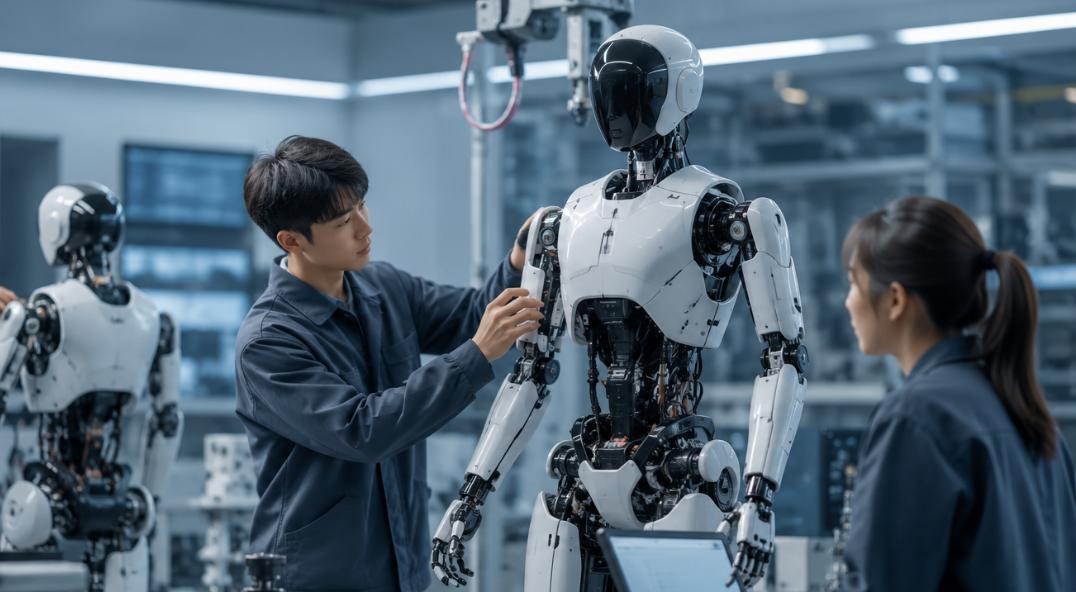
Spirit AI already has dozens of its Moz1 wheeled humanoid robots operating on production lines at battery manufacturer CATL and retailer JD.com, which is also an investor in the company.
“The next one to two years mark the initial window for industrial applications,” Gao said. He added that robots could move into simpler commercial service roles within about two years, while deployment inside homes would be considerably harder.
Spirit AI was founded in 2024 and employs about 300 people. The company has raised more than $670 million and is valued at approximately 20 billion yuan, or $2.9 billion, according to Reuters.
Real-World Data Remains a Major Challenge
Training data is one of the biggest obstacles facing developers of embodied AI. Spirit AI relies heavily on real-world information rather than virtual simulations.
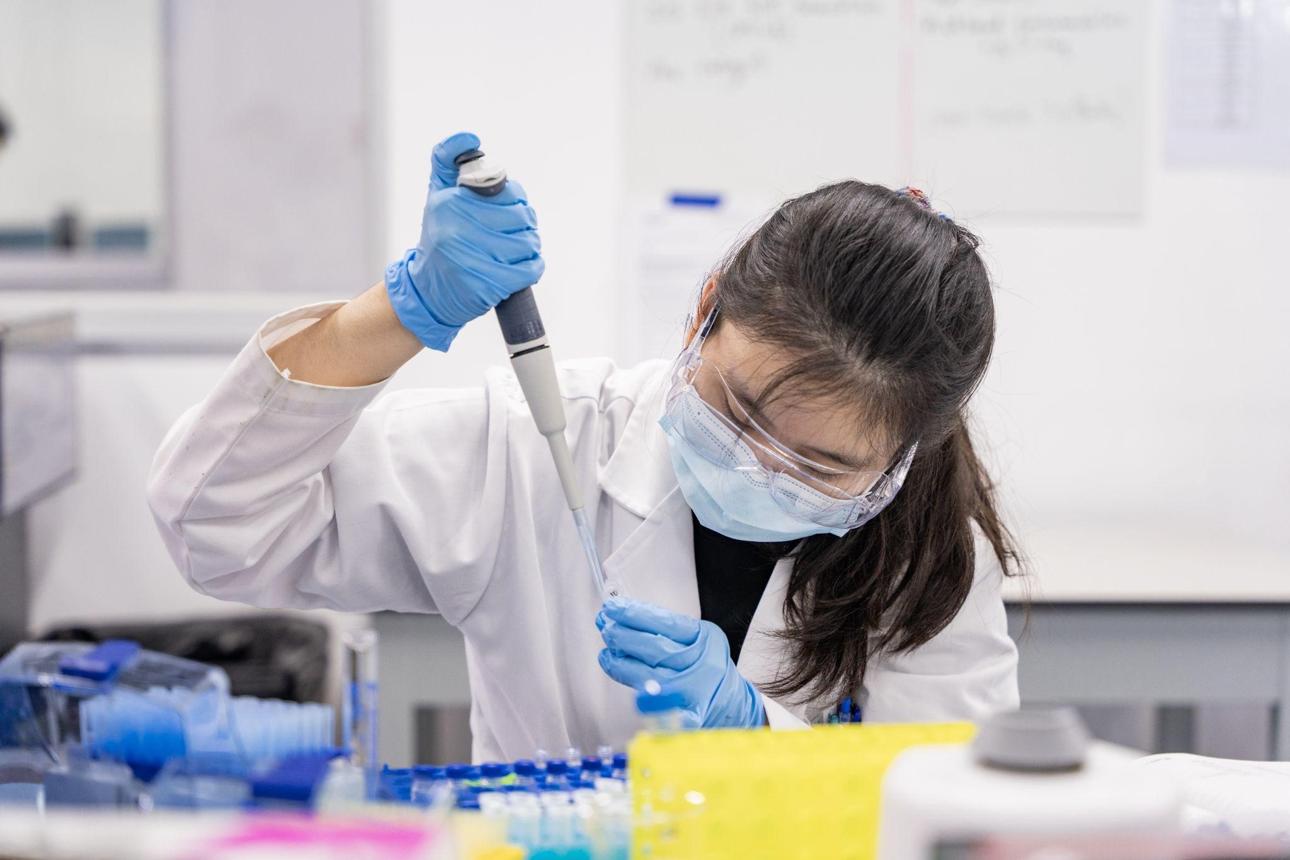
The company uses about 1,000 contractors across China to collect physical training data in homes and production environments. Reuters reported seeing workers wearing sensors while repeatedly performing activities including opening refrigerators, unlocking safes and cutting vegetables.
“Simulators handle rigid bodies well, but flexible objects, like deformable electrical cables, remain a problem,” Gao said.
Spirit AI says its approach uses varied real-world data to help its models improve their ability to handle different situations.
Household Humanoid Robots Could Take Longer
Despite the expected advances, Gao said useful humanoid robots in ordinary homes could remain at least eight years away. Domestic environments present substantially greater challenges because robots must deal safely with unpredictable objects, people and unfamiliar tasks.
Spirit AI’s near-term focus therefore remains industrial and commercial applications. The company’s forecast makes mid-2027 an important potential milestone for determining whether advances in embodied AI can turn increasingly capable humanoid hardware into machines able to perform useful general-purpose work.