
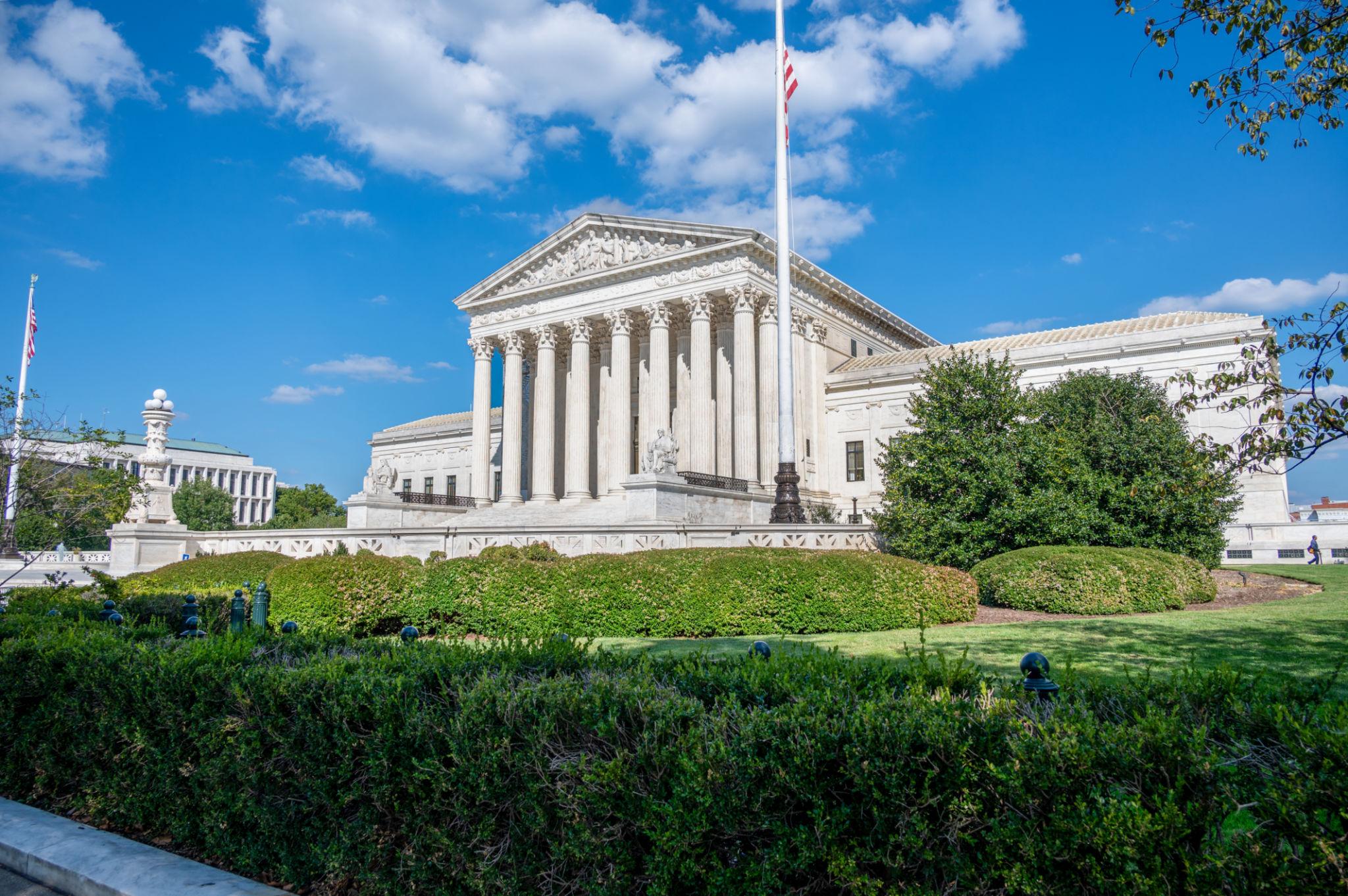
WASHINGTON, United States — May 6, 2026 — Brussels Morning Newspaper — Mobile app competition returned to the center of the technology industry this week after the US Supreme Court declined Apple’s request to pause a lower court order holding the company in contempt in its ongoing legal battle with Epic Games.
- Supreme Court Declines to Intervene in Apple Dispute
- App Store Policies Remain at the Center of Industry Debate
- Technology Companies Closely Monitor the Legal Battle
- Financial Markets Evaluate Potential Industry Changes
- History of the Apple and Epic Games Conflict
- Regulators Increase Scrutiny of Digital Platforms
- Developers Continue Demanding Marketplace Flexibility
- Legal Dispute Could Reshape Digital Commerce
The decision marks another major development in one of the world’s most closely watched technology disputes involving digital marketplaces, developer payment systems, and App Store policies. Industry experts believe the ruling could influence the future structure of mobile ecosystems and app distribution platforms globally.
“This case is reshaping the balance of power between app developers and technology platforms,”
one legal analyst stated after the decision.
Supreme Court Declines to Intervene in Apple Dispute
Apple asked the Supreme Court to temporarily block a lower court ruling connected to compliance issues involving previous court orders in the case.
However, the nation’s highest court declined the request, allowing the lower court’s contempt order to remain active while the broader litigation continues.
The latest development significantly increases attention surrounding Mobile app competition and the growing legal pressure facing major technology platforms.
Epic Games originally challenged Apple’s App Store policies after attempting to bypass Apple-controlled payment systems within the popular game Fortnite.
Apple later removed Fortnite from the App Store, triggering a legal conflict that quickly evolved into a global debate about digital marketplace control and platform competition.
App Store Policies Remain at the Center of Industry Debate
The legal battle has focused heavily on Apple’s control over payment systems and app distribution inside the iPhone ecosystem.
Critics argue Apple’s policies limit developer flexibility and reduce competition by requiring companies to use Apple-controlled payment systems that include commission fees.
Supporters of Apple’s approach argue centralized rules help improve security, privacy, and user protection across the App Store ecosystem.
Experts believe Mobile app competition discussions could have long-term consequences for developers, consumers, and the broader technology industry.
The case has also increased pressure on regulators examining the market power of large digital platforms.
“Digital marketplaces are becoming one of the biggest antitrust issues in modern technology,”
one industry attorney explained.
Technology Companies Closely Monitor the Legal Battle
Major technology firms, gaming companies, streaming platforms, and software developers continue monitoring the dispute closely.
Many companies depend heavily on mobile applications for customer engagement, digital sales, and subscription services.
Analysts say Mobile app competition could become a defining issue for the future of digital commerce as governments increase scrutiny of dominant technology platforms.
Several companies have publicly supported efforts to loosen restrictions surrounding digital payment systems and app marketplace operations.
The outcome of the Apple-Epic Games conflict could influence future policies affecting app distribution, commission structures, and mobile commerce worldwide.
Financial Markets Evaluate Potential Industry Changes
Investors continue analyzing how the legal dispute could affect Apple’s services business and broader digital marketplace operations.
App Store revenue remains an important part of Apple’s long-term financial strategy, particularly as the company continues expanding subscription and digital services.
Experts believe Mobile app competition concerns may increase pressure on large technology firms to adjust business models tied to digital payments and app ecosystems.
Although Apple shares remained relatively stable following the latest court action, analysts noted that ongoing regulatory and legal risks surrounding technology platforms remain significant.
Some investors also believe future marketplace reforms could create opportunities for smaller developers and alternative payment providers.
History of the Apple and Epic Games Conflict
The dispute between Apple and Epic Games began after Epic introduced an alternative payment option inside Fortnite that bypassed Apple’s payment system.
Apple responded by removing the game from the App Store, leading Epic Games to file a lawsuit challenging Apple’s marketplace rules.
Over time, the case expanded into a much broader legal and political debate involving antitrust concerns, digital marketplace fairness, and developer rights.
Experts say Mobile app competition has become one of the most important issues tied to the future regulation of digital platforms.
The legal battle has also influenced discussions in Europe, Asia, and other global markets where regulators continue examining technology industry practices.
Regulators Increase Scrutiny of Digital Platforms
Governments worldwide are increasing attention on how major technology companies manage digital ecosystems and online marketplaces.
Lawmakers and regulators have raised concerns regarding platform dominance, app distribution restrictions, and payment processing systems controlled by large technology firms.
Analysts believe Mobile app competition discussions could eventually lead to broader regulatory reforms affecting app marketplaces globally.
Several governments are already considering new legislation designed to strengthen developer rights and increase competition within mobile ecosystems.
Industry experts say the Apple-Epic Games conflict may ultimately shape future legal standards surrounding digital platform governance.
“This legal fight could influence technology regulation for many years,”
one policy analyst stated following the ruling.
Developers Continue Demanding Marketplace Flexibility
Many developers argue that current App Store structures reduce profitability by imposing commission fees and limiting alternative payment systems.
Smaller app companies in particular say greater flexibility could improve innovation and create more competitive pricing for consumers.
Others continue supporting Apple’s position, arguing centralized control improves security and reduces risks involving fraud and malicious software.
Still, experts say Mobile app competition debates are likely to intensify as digital commerce continues expanding globally.
The growing importance of smartphone applications in modern business operations has transformed app marketplaces into critical economic infrastructure.

Legal Dispute Could Reshape Digital Commerce
The Supreme Court’s latest decision represents another major moment in the continuing legal battle between Apple and Epic Games.
Although the broader case remains unresolved, the ruling reinforces increasing scrutiny surrounding App Store policies and technology platform governance.
Experts believe the ongoing legal conflict could significantly reshape the future of digital payments, app marketplace operations, and developer competition.
The latest court action also demonstrates how Mobile app competition continues influencing global debates surrounding antitrust law, digital commerce, and the power of major technology companies in 2026.