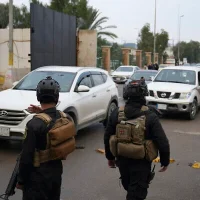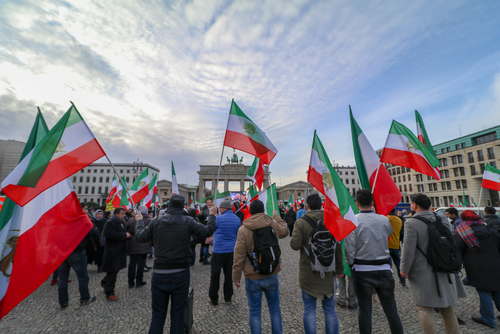

BEIRUT, Lebanon— March 14, 2026 — Brussels Morning Newspaper — The Lebanon war displacement crisis has reached a dramatic level as more than 831000 civilians have been forced to flee their homes following intensified Israeli strikes across southern Lebanon. Authorities and humanitarian organizations say the growing Lebanon war displacement emergency is one of the largest population movements in the country in recent years.
Entire communities have begun leaving towns near the southern border as bombardments increased in recent weeks. Families packed belongings quickly and moved toward northern regions and Beirut where temporary shelters have been opened. Aid agencies say the Lebanon war displacement situation continues to evolve as new evacuations occur almost daily.
Escalating Conflict Forces Civilians to Leave
The current wave of displacement began as military activity increased along the Israel Lebanon border. Israeli strikes targeting militant positions also caused damage in nearby residential areas which forced civilians to evacuate rapidly.
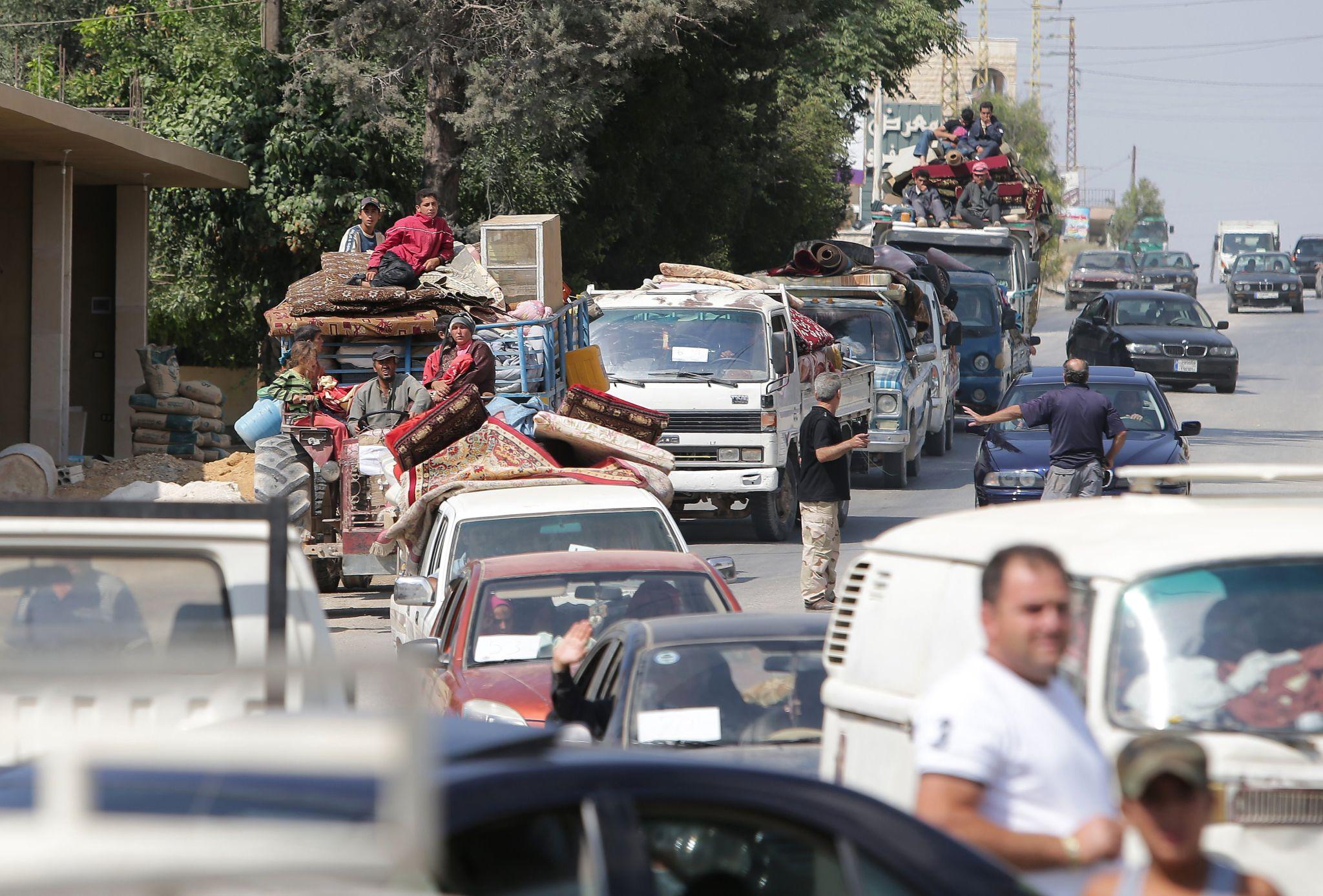
Residents described chaotic scenes as explosions echoed across villages and families rushed to leave. Roads leading north were crowded with vehicles transporting families seeking safety. Officials say the Lebanon war displacement emergency grew rapidly once entire towns began evacuating due to security fears.
Local authorities have tried to organize evacuation routes and temporary housing facilities but the pace of the Lebanon war displacement crisis has made coordination extremely difficult.
Southern Lebanon Faces Severe Damage
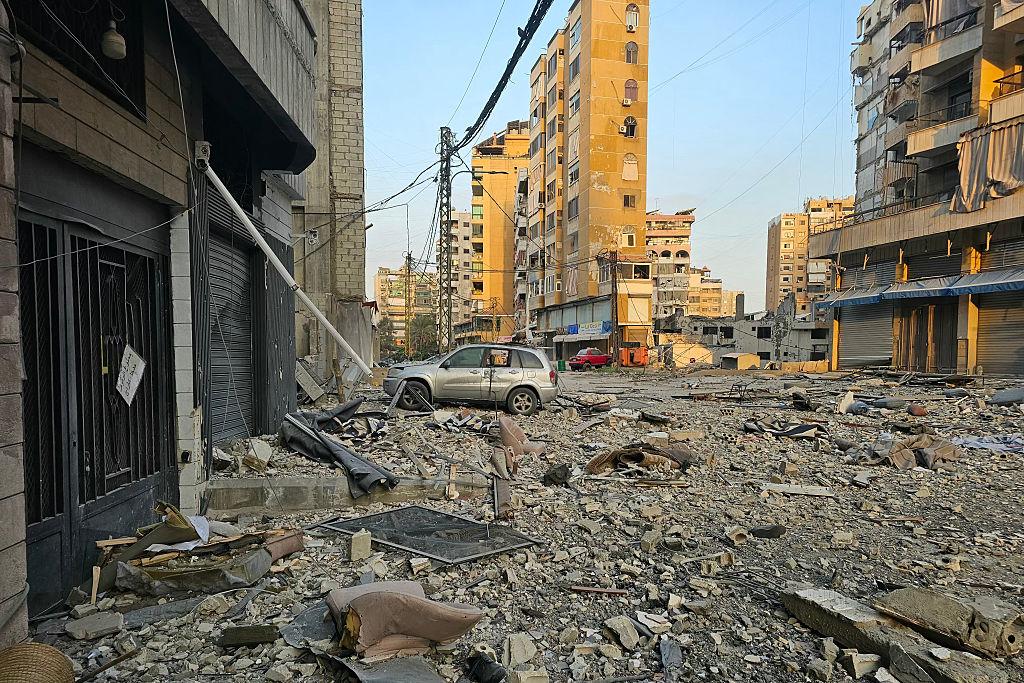
Southern Lebanon has experienced the greatest destruction since the conflict intensified. Towns close to the border have suffered repeated strikes which damaged homes public buildings and roads.
Humanitarian workers say the Lebanon war displacement crisis has affected rural communities especially hard because agriculture and local markets are the main sources of income. With farmland abandoned and businesses closed many families have lost their livelihoods.
Thousands of displaced civilians arriving in northern regions report leaving behind homes farmland and personal belongings during the rapid evacuations triggered by the Lebanon war displacement emergency.
Humanitarian Aid Efforts Expand
International aid organizations have launched emergency relief operations to assist displaced civilians across Lebanon. Food supplies medical services and temporary housing have been provided through coordinated humanitarian programs.
Despite these efforts relief agencies warn that the Lebanon war displacement crisis is placing enormous pressure on humanitarian systems. Shelters in schools community centers and religious buildings are reaching capacity as new displaced families arrive.
Healthcare teams are treating civilians suffering from injuries trauma and exhaustion after long journeys away from conflict zones. Children and elderly residents remain particularly vulnerable during the Lebanon war displacement emergency.
Economic Pressure on Lebanon Increases
Lebanon was already facing a severe economic crisis before the recent escalation of violence. Inflation unemployment and financial instability had weakened national institutions for years.
The Lebanon war displacement crisis has intensified economic pressure as businesses close in affected areas and agricultural production declines. Families who relied on farming or local trade have suddenly lost their income.
Economists warn that long term economic consequences may follow if the Lebanon war displacement emergency continues. Housing healthcare and infrastructure systems are already under strain in cities receiving displaced populations.
International Community Responds
Global attention has turned toward Lebanon as the humanitarian impact of the conflict grows. Several governments and international organizations have pledged financial assistance to support displaced civilians.
Emergency aid shipments containing food medical supplies and shelter equipment are being delivered through international humanitarian programs. Relief agencies continue working with Lebanese authorities to distribute these resources to communities hosting displaced families.
Diplomatic discussions have also intensified as world leaders attempt to reduce tensions and address the Lebanon war displacement crisis.
Historical Comparison With Previous Conflict
The current Lebanon war displacement crisis reminds many observers of the 2006 war between Israel and Hezbollah when nearly one million Lebanese civilians were temporarily displaced.
During that conflict entire villages were evacuated while families sought refuge in northern cities. Although many eventually returned home the rebuilding process took years and required major international support.
Analysts say the present Lebanon war displacement emergency reflects how quickly modern conflicts can produce large humanitarian crises. Experts warn that reconstruction after the conflict may again take years depending on the scale of damage.
Voices From Displaced Civilians
Behind the statistics are thousands of personal stories showing the human impact of conflict. Families forced to leave their homes often face uncertainty about their future while adjusting to life in temporary shelters.
One displaced resident from southern Lebanon described the moment his family decided to flee their village.
“We left our home in minutes because the airstrikes were getting closer and we had no choice but to protect our children.”
Stories like this illustrate the emotional toll of the Lebanon war displacement crisis and the resilience of families coping with sudden upheaval.
Regional Stability Concerns
Security analysts say the Lebanon war displacement crisis highlights broader geopolitical tensions across the Middle East. Continued military escalation could increase instability in neighboring countries.
Diplomatic efforts remain focused on preventing further escalation while ensuring humanitarian assistance reaches displaced civilians. Observers warn that preventing the expansion of the Lebanon war displacement emergency is essential for regional stability.
Communities Show Solidarity
Cities receiving displaced families have adapted quickly to the sudden increase in population. Volunteers and community organizations are providing food clothing and shelter to families arriving from conflict areas.
Public buildings schools and community halls have been converted into temporary shelters. While resources remain limited many communities are working together to support those affected by the Lebanon war displacement crisis.
Aid groups say this local solidarity has played an important role in helping displaced families adjust to their new temporary environment.
The Road Ahead for Lebanon
The Lebanon war displacement crisis represents a major humanitarian challenge that will likely require long term recovery efforts. Rebuilding damaged homes restoring infrastructure and reviving local economies may take years.
For displaced families the hope of returning home remains uncertain until the security situation improves. Many communities remain unsafe due to damaged infrastructure and ongoing military activity.
The Lebanon war displacement emergency stands as a reminder of the human cost of conflict and the resilience required for communities to rebuild their lives after war.