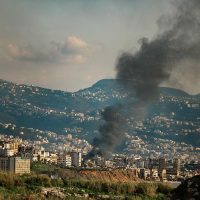
Baghdad, Iraq — March 14, 2026 — Brussels Morning Newspaper — Iraq security concerns intensified across the Iraqi capital following heightened security activity near Baghdad’s fortified Green Zone. Authorities quickly deployed additional patrols and tightened checkpoints throughout central Baghdad while security forces investigated the situation surrounding the alert. The Green Zone contains Iraq’s parliament, government ministries, and several foreign embassies, making it one of the most strategically important districts in the country. Officials emphasized that maintaining order in the capital remains a national priority as Iraq continues strengthening its internal security systems.
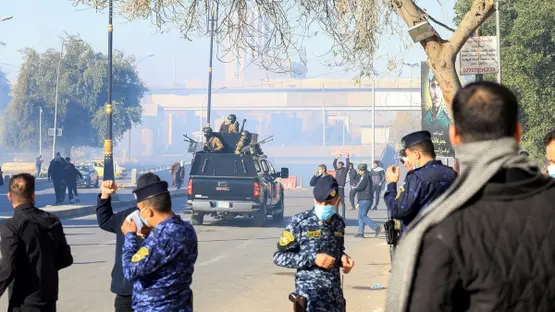
Security units immediately moved into surrounding neighborhoods while monitoring systems were activated to track possible threats. Residents reported seeing armored vehicles and security teams inspecting nearby roads shortly after the alert was triggered. Although there were no confirmed casualties, the situation renewed attention toward Iraq security concerns and the country’s efforts to protect diplomatic missions and government institutions.
Government officials said investigators are examining surveillance footage and electronic monitoring data to determine the origin of the alert. Authorities stressed that the incident demonstrates how quickly security forces must react when potential threats appear near sensitive political locations.
Baghdad’s Diplomatic District Faces Increased Protection
The Green Zone has long served as the center of Iraq’s political and diplomatic operations. The heavily fortified district hosts embassies, international organizations, and many of Iraq’s government offices.
Because of its importance, security around the area remains extremely tight. Multiple checkpoints control access into the district while surveillance cameras and monitoring systems track activity around its perimeter. The latest alert has reinforced discussions about Iraq security concerns related to protecting international diplomats and Iraqi government leaders.
Officials confirmed that patrols will remain heightened for the foreseeable future as investigators continue examining what caused the security alert.
Iraqi Authorities Launch Coordinated Investigation
Iraq’s Interior Ministry confirmed that security agencies launched a full investigation within hours of the incident. Intelligence officers are reviewing security footage, radar monitoring data, and witness statements in order to determine whether rockets or other threats were involved.
Authorities explained that addressing Iraq security concerns requires detailed analysis of every security alert. Investigators are also examining whether suspicious activity occurred outside the Green Zone perimeter before the alert was triggered.
Security forces have asked residents in nearby districts to report any unusual activity that might help investigators identify potential threats.
Diplomatic Missions Increase Security Measures
Foreign embassies located inside Baghdad’s Green Zone operate under strict safety procedures. Following the alert, several diplomatic missions temporarily limited staff movement while conducting internal security assessments.
Embassy compounds are protected by reinforced walls, surveillance cameras, and emergency protection systems designed to safeguard personnel during security incidents. These precautions are necessary because Iraq security concerns have historically shaped diplomatic operations within the capital.
International officials expressed confidence in Iraqi security forces and acknowledged that the rapid response helped stabilize the situation quickly.
Regional Tensions Shape Iraq’s Security Climate
Security experts say Iraq security concerns are often influenced by broader geopolitical tensions across the Middle East. Rivalries between regional powers and political factions sometimes create indirect pressures that affect Iraq’s internal stability.
Because Iraq lies between several major geopolitical actors, developments in neighboring countries can influence security conditions inside the country. Analysts believe maintaining diplomatic balance remains essential for protecting Iraq’s sovereignty and preventing regional conflicts from spreading into its territory.
Government leaders have repeatedly emphasized their commitment to strengthening regional cooperation while maintaining domestic security.
Economic Growth Linked to Stability
Economic recovery in Iraq depends heavily on perceptions of stability. In recent years the government has worked to rebuild infrastructure and attract foreign investment in sectors such as energy, construction, and transportation.
However Iraq security concerns sometimes influence investor confidence when incidents occur near government or diplomatic areas. Officials say improvements in security over the past decade have helped restore confidence among international partners.
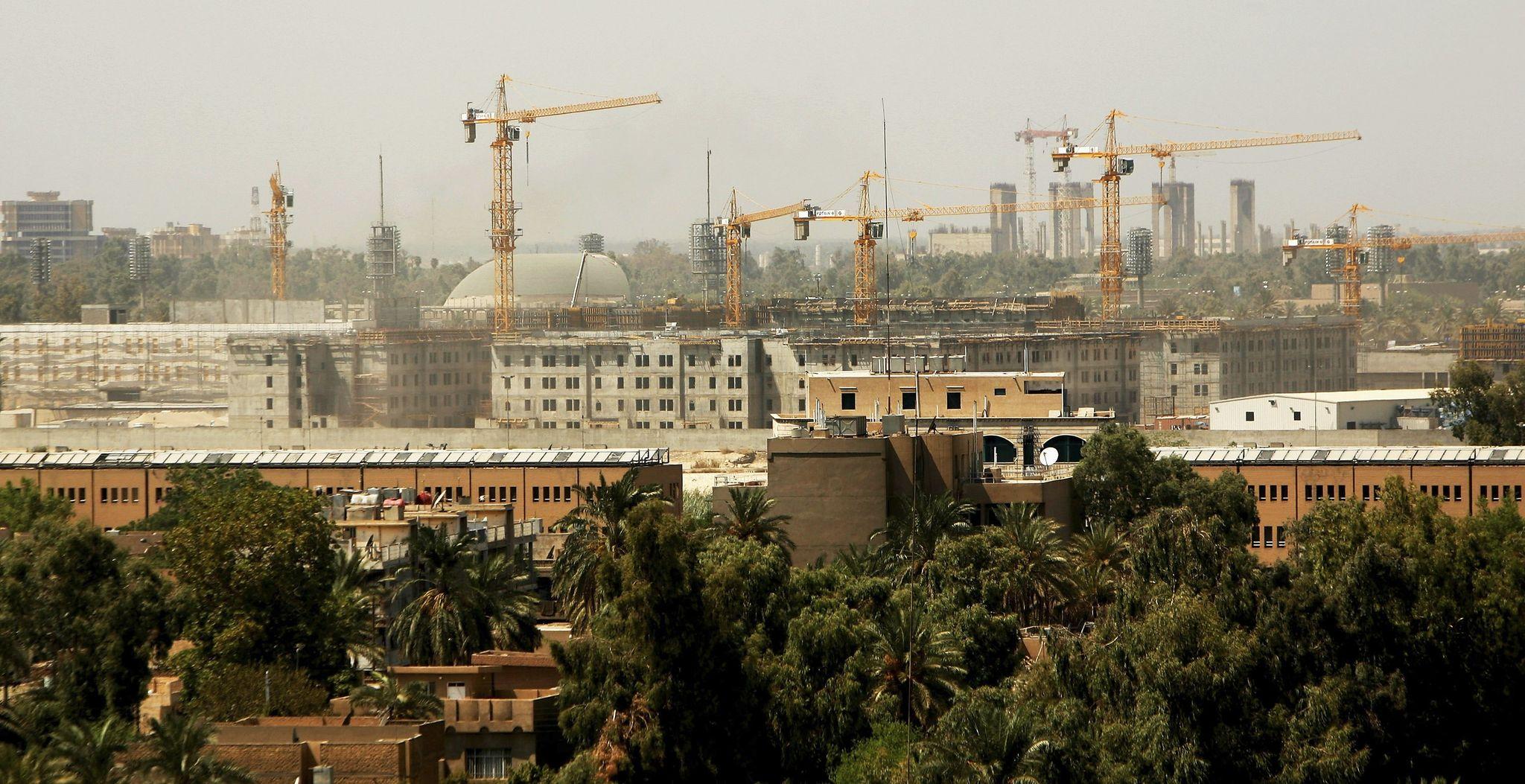
Reconstruction projects across several Iraqi cities demonstrate the country’s progress in rebuilding its economy despite ongoing challenges.
Historical Context of Baghdad Security Challenges
Baghdad’s security landscape has evolved significantly over the past two decades. During the years following the 2003 conflict the city experienced frequent rocket and mortar attacks targeting coalition forces and government facilities located inside the Green Zone.
Security infrastructure during that period was still developing and lacked many of the advanced monitoring technologies used today. Over time Iraqi authorities strengthened surveillance systems, reinforced security barriers, and improved coordination between intelligence agencies and military units.
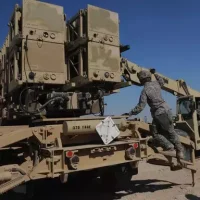
These improvements dramatically reduced the frequency of attacks, yet Iraq security concerns remain a central part of national security planning because modern threats can involve mobile launch systems that are harder to detect quickly.
Quote from Regional Security Analyst
A regional security analyst explained that Iraq has made considerable progress in improving stability.
the analyst said.
“But the improvements in intelligence coordination and surveillance technology have significantly strengthened Iraq’s defensive capabilities.”
Expanding Security Technology Across Baghdad
Modern security operations in Baghdad increasingly rely on advanced monitoring technology. Surveillance networks, radar systems, and digital intelligence platforms help authorities detect suspicious activity before it escalates into major threats.
These technologies play a crucial role in addressing Iraq security concerns. Officials say the integration of advanced monitoring systems has improved the ability of Iraqi forces to identify threats quickly.
Authorities continue investing in equipment upgrades and specialized training programs designed to strengthen the country’s security infrastructure.
International Partnerships Strengthen Defense
Iraq maintains security partnerships with several countries that provide training, intelligence sharing, and technical support to Iraqi forces.
International cooperation is considered essential for addressing Iraq security concerns because many threats involve cross border networks or regional tensions.
Officials believe maintaining strong diplomatic relationships will help Iraq continue strengthening its defense systems and security institutions.
Future Outlook for Iraq’s Security Environment
Although the recent alert renewed attention toward Iraq security concerns, Iraqi leaders emphasize that the country has made substantial progress in rebuilding its security institutions over the past decade.
Security forces continue modernizing equipment while intelligence agencies expand coordination between military and law enforcement units.
Authorities believe these improvements will reduce the likelihood of future incidents and strengthen stability throughout Baghdad.
Toward Long Term Stability
The recent security alert serves as a reminder that Iraq’s path toward lasting stability remains complex. Despite improvements in governance and infrastructure, occasional incidents still attract global attention.
Government leaders believe sustained investment in intelligence systems, infrastructure protection, and diplomatic partnerships will help Iraq address Iraq security concerns while continuing to rebuild its economy.
Maintaining stability in Baghdad remains essential for protecting citizens, strengthening international cooperation, and supporting Iraq’s long term recovery.