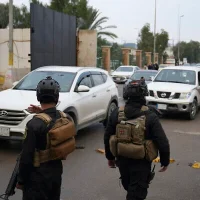
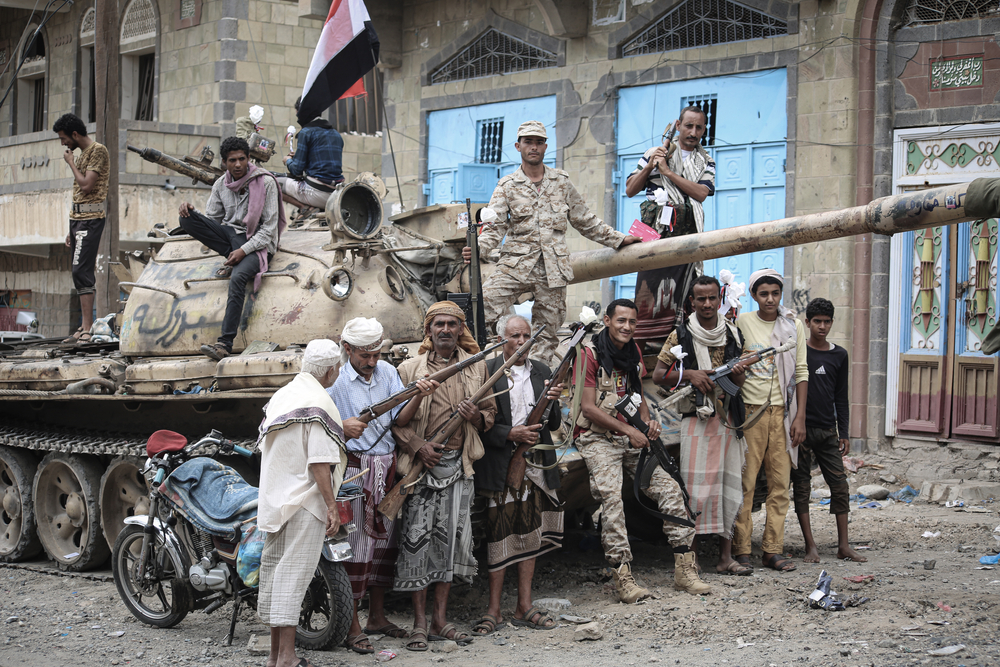
Manama, Bahrain — March 14, 2026 — Brussels Morning Newspaper — As geopolitical tensions continue to shape security policies across the Middle East, the Bahrain Missile Defense System has become a focal point of regional defense strategy. Bahrain, a small island nation in the Persian Gulf but a key strategic partner of Western allies, has invested heavily in missile defense technologies designed to protect its territory, infrastructure, and population from growing ballistic and drone threats. Defense analysts say these developments represent a significant evolution in Gulf security cooperation and technological capability.
Rising Security Concerns Drive Defense Upgrades
The Middle East has witnessed increasing missile and drone activity in recent years. Conflicts across the region have demonstrated how rapidly evolving weapons technologies can threaten cities, oil infrastructure, and military installations.
To address these concerns, the Bahrain Missile Defense System has been expanded and modernized through partnerships with international defense manufacturers and allied military forces. Bahrain’s defense planners have emphasized the importance of layered missile defense, combining early detection radar, interception systems, and command-and-control coordination.
Military officials state that the goal is to create a defensive shield capable of responding to ballistic missiles, cruise missiles, and unmanned aerial threats.
Strategic Importance of Bahrain in the Gulf
Bahrain occupies a critical geographic position in the Gulf region. The island nation sits near vital shipping lanes used for global oil and commercial trade, and it also hosts the headquarters of the United States Fifth Fleet.
Because of this strategic location, the Bahrain Missile Defense System is considered an essential part of regional security architecture. Defense experts believe that strengthening Bahrain’s air and missile defenses contributes not only to national protection but also to the stability of neighboring Gulf states.
The system also supports integrated regional security frameworks that involve several Gulf Cooperation Council (GCC) members working together to detect and intercept potential threats.
Advanced Technologies Behind the System
Modern missile defense relies on sophisticated technologies that combine detection, tracking, and interception capabilities. The Bahrain Missile Defense System integrates several of these advanced components.
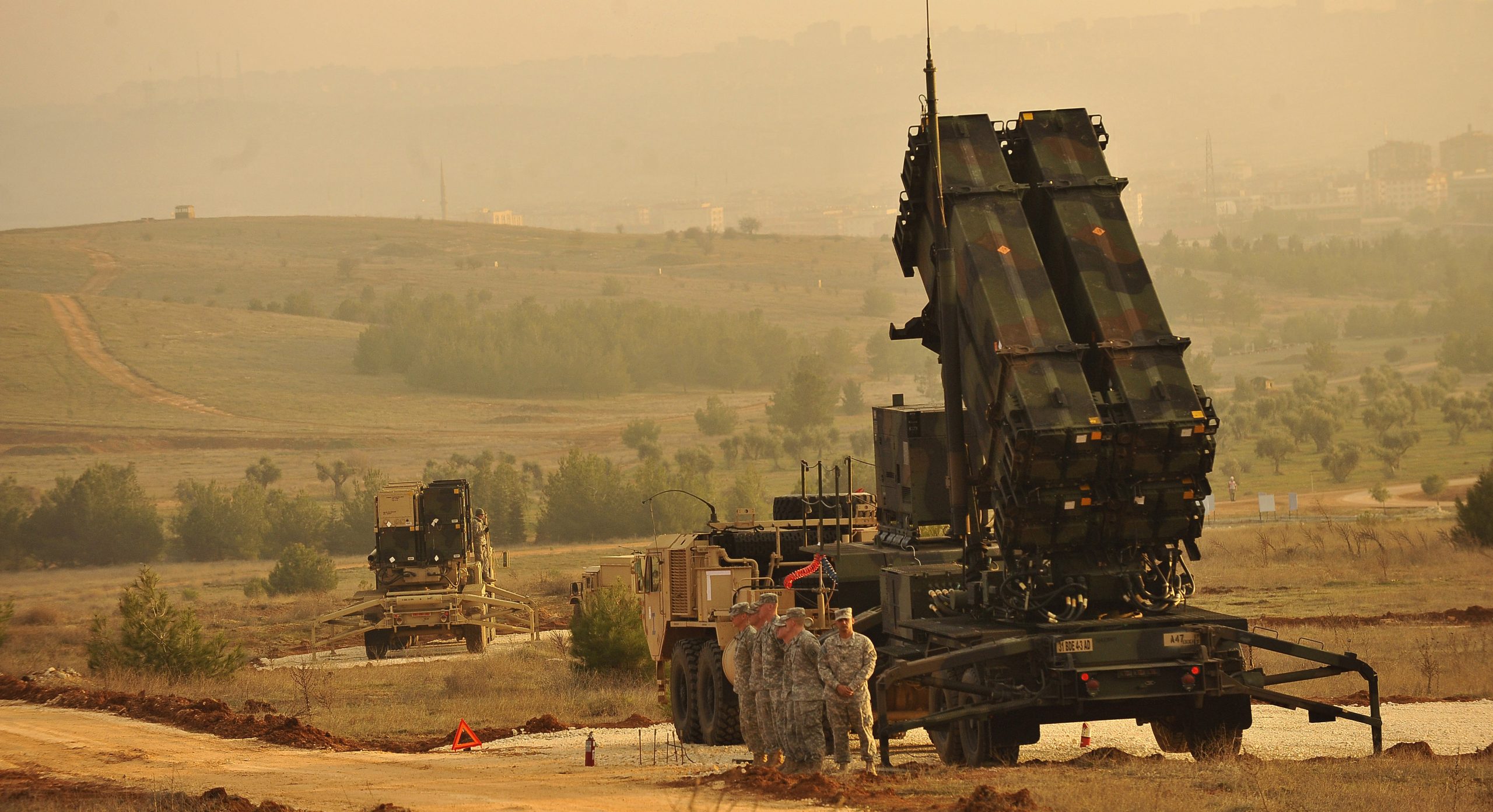
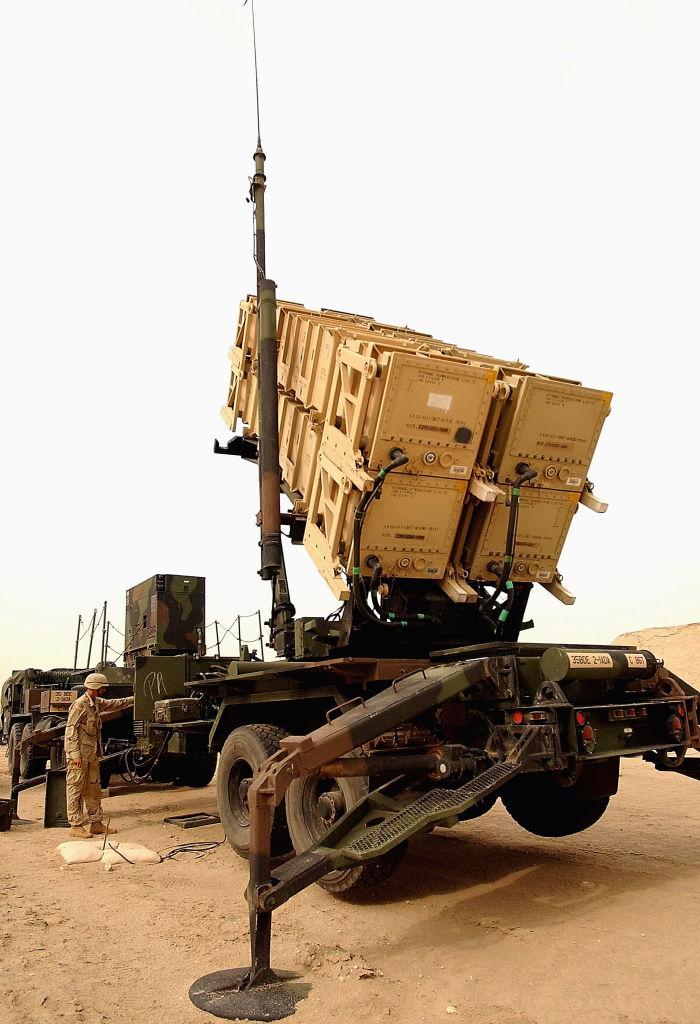
Early warning radar systems can detect incoming threats from long distances, providing crucial time for defensive responses. Once a threat is identified, interception systems are activated to neutralize the missile before it reaches its intended target.
These defensive platforms typically rely on precision-guided interceptors capable of striking incoming projectiles mid-flight. Defense analysts say layered systems dramatically increase interception success rates because multiple defensive measures operate simultaneously.
Regional Cooperation and Military Alliances
Bahrain has long maintained strong defense ties with Western nations, particularly the United States. Military cooperation has expanded significantly in the last decade as security concerns across the region intensified.
Through joint exercises, intelligence sharing, and defense technology transfers, the Bahrain Missile Defense System benefits from integration with allied surveillance networks. This cooperative structure allows Bahrain to receive early warning information from regional monitoring systems and satellite tracking technologies.
Joint training exercises have also helped Bahraini defense personnel refine their response procedures to missile threats, ensuring rapid decision-making in high-pressure scenarios.
Protecting Critical Infrastructure
One of the primary motivations behind strengthening missile defense is the protection of critical national infrastructure. Bahrain’s economy depends heavily on financial services, transportation networks, and energy facilities.
Security planners say the Bahrain Missile Defense System plays a key role in safeguarding these assets. Ports, oil terminals, and communication hubs represent potential targets in times of conflict.
By establishing a reliable defensive shield, Bahraini authorities aim to deter potential attacks and reassure both citizens and international investors that essential infrastructure remains protected.
Historical Comparison: Lessons from Past Missile Conflicts
Missile defense has evolved significantly over the past several decades. During the Gulf War in 1991, coalition forces relied heavily on early versions of missile interception systems such as the Patriot missile batteries to defend against incoming Scud missiles.
Those systems were effective but limited by the technology of the time. Radar detection capabilities were less precise, and interception success rates were lower compared to modern standards.
In contrast, today’s Bahrain Missile Defense System reflects decades of technological advancement. Modern radar arrays can detect threats far earlier, and interceptors are far more accurate. These improvements illustrate how missile defense strategies have adapted in response to changing warfare technologies and lessons learned from previous conflicts.
Growing Threat of Drone Warfare
Another factor influencing Bahrain’s defense strategy is the rapid rise of drone warfare. Armed drones have become increasingly common in regional conflicts, offering adversaries a low-cost method of launching attacks.
The Bahrain Missile Defense System has been designed to address these evolving threats by incorporating detection technologies capable of identifying small aerial targets.
Military planners say this capability is essential because drones often fly at lower altitudes and can be difficult to track using traditional radar systems.
Defensive networks must therefore combine radar, electronic warfare tools, and rapid-response interceptors to counter these emerging threats effectively.
Economic and Political Implications
Beyond security concerns, missile defense investments also carry economic and political implications. Defense contracts related to the Bahrain Missile Defense System involve major international defense companies and contribute to broader security cooperation agreements.
Such partnerships can strengthen diplomatic ties while also ensuring that Bahrain remains aligned with international defense standards.
Additionally, maintaining a robust defense infrastructure signals to potential adversaries that Bahrain possesses credible deterrent capabilities.
This deterrence factor is considered one of the most important strategic benefits of modern missile defense systems.
Quote from Defense Analysts
Regional security experts emphasize that missile defense plays a critical role in maintaining stability across the Gulf.
one defense analyst explained.
“Systems like the Bahrain Missile Defense System serve as a deterrent by demonstrating that attacks will likely fail, which reduces the incentive for aggression in the first place.”
Analysts say the psychological and strategic value of deterrence often proves just as important as the technical capabilities of interception systems.
Future Expansion and Technological Development
Looking ahead, Bahrain is expected to continue investing in advanced defense technologies. Military modernization programs often involve upgrades to radar systems, improved command-and-control platforms, and more advanced interceptor missiles.
The Bahrain Missile Defense System may also become more integrated with regional defense initiatives involving neighboring Gulf states. Such collaboration could allow for shared radar coverage and coordinated defensive responses across multiple countries.
Defense planners say the ultimate goal is to establish a comprehensive regional defense network capable of responding to a wide range of aerial threats.
A Key Pillar of Regional Stability
As tensions across the Middle East continue to influence defense planning, Bahrain’s commitment to advanced missile defense highlights the strategic importance of preparedness.
The Bahrain Missile Defense System represents more than a national security measure; it is part of a broader effort to maintain stability in one of the world’s most geopolitically sensitive regions.
With continued technological upgrades and international cooperation, Bahrain aims to strengthen its defensive posture while contributing to the wider security architecture of the Gulf.
In an era where missile and drone technologies are rapidly evolving, robust defensive systems remain an essential safeguard for both national sovereignty and regional peace.