WASHINGTON, United States — March 13, 2026 — Brussels Morning Newspaper — The global policy debate surrounding the US Iran conflict strategy has intensified in Washington as American policymakers evaluate diplomatic options, military posture, and economic pressure aimed at shaping relations with Tehran. With tensions continuing across the Middle East, the issue has emerged as one of the most significant foreign policy challenges facing U.S. leadership in 2026.
Officials, policy advisers, and international partners are examining how the US Iran conflict strategy should evolve in response to changing geopolitical realities. Analysts say the United States must balance deterrence, diplomacy, and regional cooperation while avoiding actions that could escalate into a broader conflict.
The situation has drawn international attention because decisions made in Washington could influence global energy markets, security alliances, and diplomatic relations across the Middle East.
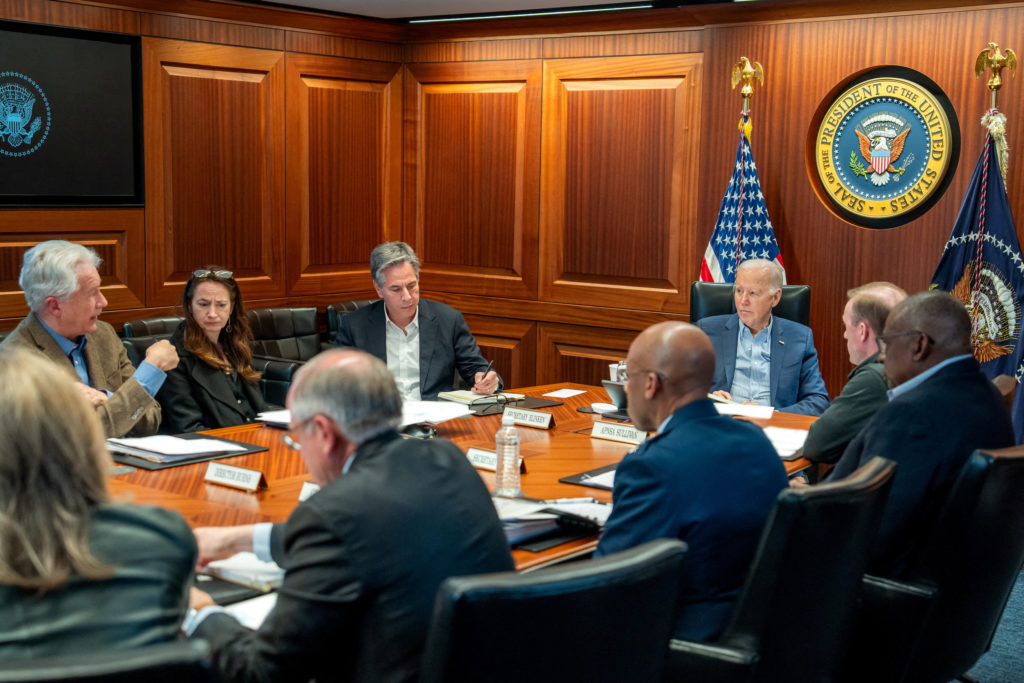
Strategic Debate Expands Across Washington Policy Circles
The discussion surrounding the US Iran conflict strategy has grown more complex as policymakers debate the effectiveness of existing measures. Economic sanctions, diplomatic negotiations, and military presence have long been central components of American policy toward Tehran.
Some officials argue that maintaining pressure remains necessary to discourage Iran from expanding its influence in the region. Others believe diplomatic engagement could offer a pathway toward reducing tensions.
Think tanks, research institutions, and policy conferences across Washington have hosted extensive discussions examining the future of U.S. engagement with Iran. These conversations highlight how multiple perspectives are shaping the national debate.
The policy environment reflects a broader question about the role the United States should play in maintaining stability across the Middle East.
Influence of Political Advisers and Strategic Planners
Political advisers connected to both current and former administrations have become influential voices in shaping the US Iran conflict strategy conversation. Their proposals often combine economic pressure with diplomatic initiatives designed to create leverage during negotiations.
Supporters of a firm approach believe that sanctions and international pressure are necessary tools for influencing Tehran’s policies. Advocates of diplomacy emphasize that negotiations could reduce long term tensions if conducted under the right conditions.
This mixture of perspectives demonstrates how foreign policy debates often extend beyond official government channels.
Experts say that reaching consensus will require careful consideration of both security risks and diplomatic opportunities.
Regional Allies Evaluate Security Implications
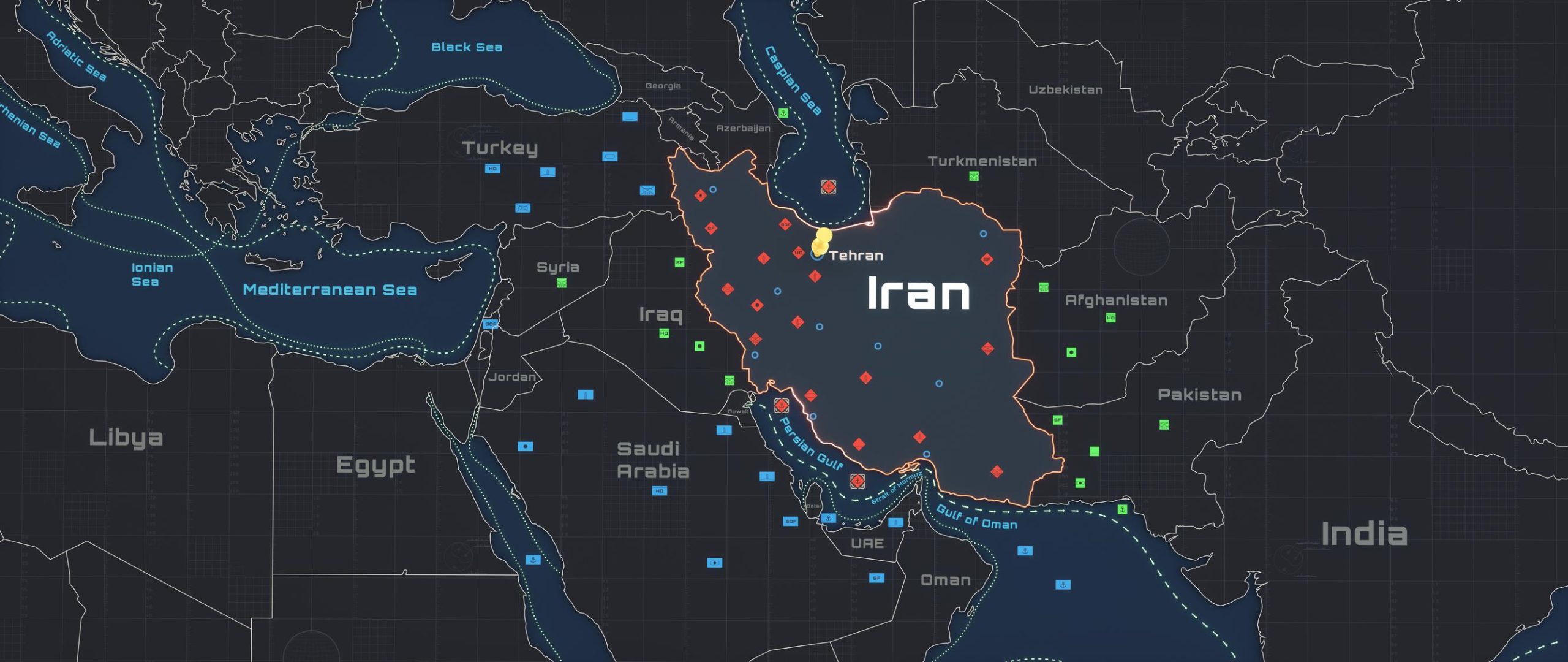
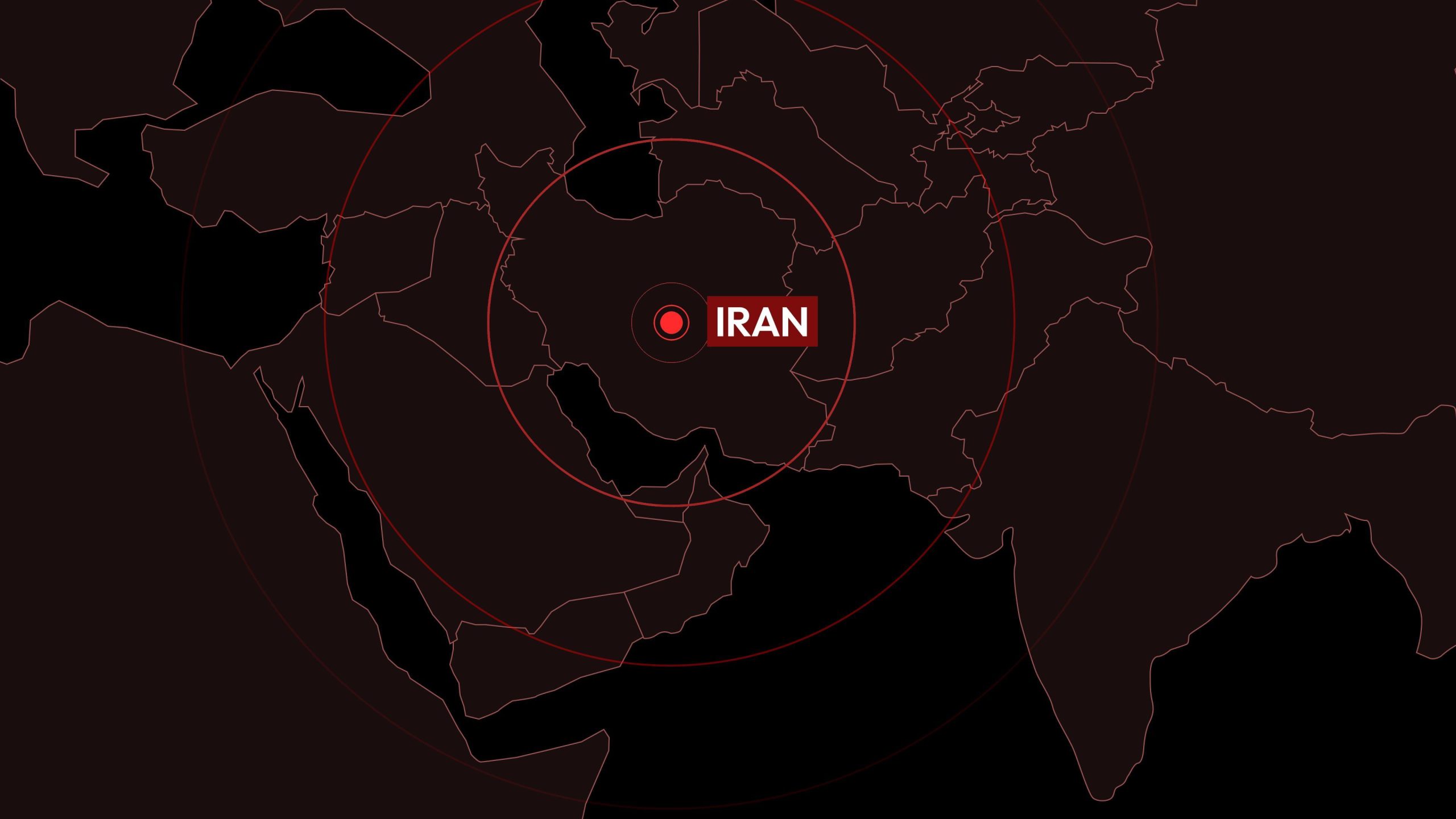
Across the Middle East, governments are closely monitoring developments related to the US Iran conflict strategy because any shift in American policy could significantly affect regional security.
Israel and several Gulf nations have consistently expressed concerns about Iran’s influence across the region. These countries maintain strong security partnerships with Washington and rely on American leadership to help maintain stability.
At the same time, some regional governments have explored diplomatic engagement with Tehran in an effort to ease tensions. These initiatives reflect the complex diplomatic landscape shaping Middle Eastern geopolitics.
Balancing the concerns of regional allies while pursuing broader strategic goals remains one of Washington’s most difficult diplomatic challenges.
Military Deterrence and Security Planning
Military planning continues to play a central role in the US Iran conflict strategy as defense officials assess how best to deter potential escalation.
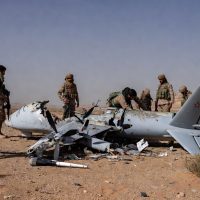
The United States maintains naval and air capabilities across the Middle East, including operations designed to protect international shipping routes and energy infrastructure. These deployments serve as both deterrence and reassurance to regional partners.
However, maintaining a large military presence carries financial and political implications. Some policymakers argue that the United States should reduce its footprint in the region, while others insist that doing so could weaken deterrence.
Finding the right balance between security commitments and diplomatic flexibility remains an ongoing challenge.
Diplomatic Channels Remain Open
Despite persistent tensions, diplomatic engagement remains a critical component of the US Iran conflict strategy.
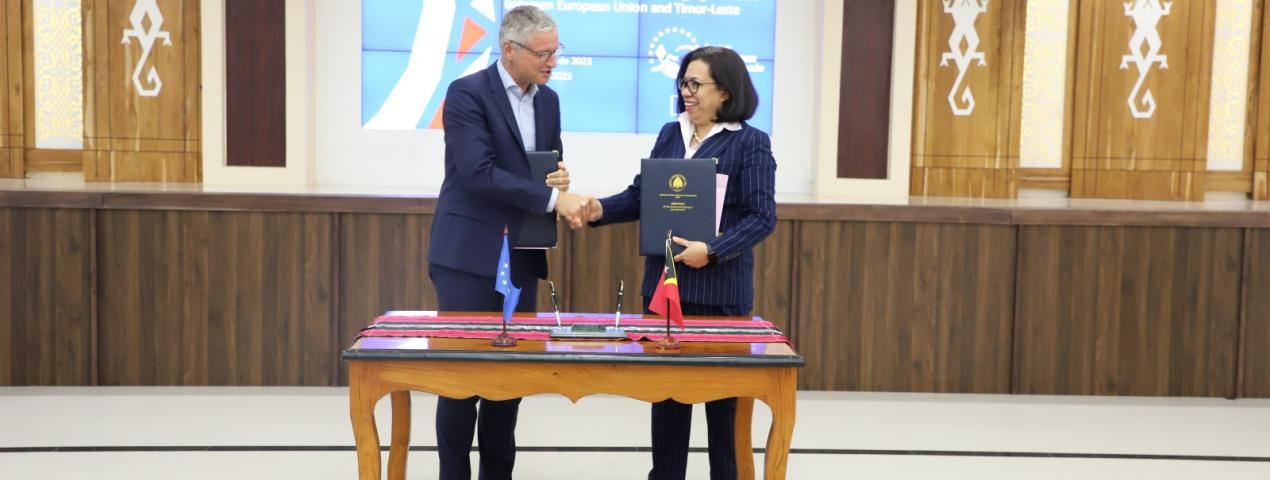
International partners continue encouraging dialogue between Washington and Tehran to address nuclear concerns, regional conflicts, and economic issues.
Diplomats emphasize that communication channels are essential for preventing misunderstandings that could escalate into confrontation.
A senior policy expert in Washington noted,
“The United States must combine deterrence with diplomacy if it hopes to stabilize relations with Iran while protecting regional security.”
This perspective reflects the widely held belief that diplomacy and strategic pressure must operate together.
Economic Consequences and Global Market Reactions
The global economic impact of the US Iran conflict strategy is significant because tensions involving Iran often influence energy markets and international trade.
Iran plays an important role in the global oil supply, and instability in the region can lead to fluctuations in energy prices. Investors around the world closely monitor developments related to diplomatic negotiations and military activity.
Economic analysts also note that geopolitical uncertainty can affect international investment patterns and financial markets.
These economic considerations add another layer of complexity to Washington’s decision making process.
Historical Background of U.S.–Iran Relations
The origins of the US Iran conflict strategy can be traced back decades to a period when relations between Washington and Tehran dramatically shifted.
Following the Iranian Revolution in 1979, diplomatic relations between the two countries deteriorated, leading to a prolonged period of mistrust and political confrontation.
Over the years, disputes surrounding nuclear development, regional influence, and security concerns have defined the relationship.
Several diplomatic initiatives attempted to address these issues, but many faced political resistance and strategic disagreements.
Understanding this historical context is essential for explaining why current tensions remain difficult to resolve.
International Diplomacy and Global Power Dynamics
The US Iran conflict strategy also plays a role in broader international diplomacy. Global powers including European nations, Russia, and China have their own interests in Middle Eastern stability.
European leaders often advocate diplomatic engagement aimed at preserving regional stability and preventing nuclear proliferation.
Meanwhile, other major powers evaluate the situation through the lens of economic and geopolitical influence.
These international dynamics demonstrate how the issue extends beyond bilateral relations between Washington and Tehran.
Political Debate Within the United States
Domestic political debate also shapes the US Iran conflict strategy discussion. Different political groups emphasize varying approaches to managing relations with Tehran.
Some lawmakers advocate a stronger diplomatic approach focused on negotiations and economic incentives. Others believe sustained pressure remains the most effective way to influence Iranian policy.
These differences reflect broader disagreements about American foreign policy priorities.
As elections and political transitions occur, shifts in leadership can also influence the direction of foreign policy.
Security Risks and Strategic Calculations
Security experts warn that miscalculations could increase regional instability. The US Iran conflict strategy must therefore carefully consider the potential consequences of each policy decision.
Military confrontations in the Middle East have historically had far reaching implications, affecting global trade routes, energy supplies, and international alliances.
Strategic planners in Washington must assess these risks while attempting to maintain stability.
Careful coordination with allies and international partners is often viewed as essential to preventing escalation.
A Defining Challenge for Global Diplomacy
The future of the US Iran conflict strategy will likely remain a central issue in global politics for years to come. As tensions continue and diplomatic discussions evolve, policymakers face the challenge of balancing competing priorities.
Maintaining regional stability, protecting global energy markets, and preventing military escalation are all critical objectives.
International observers believe that sustained diplomatic engagement combined with strategic planning could eventually reduce tensions.
However, achieving a durable resolution will require cooperation from multiple governments and institutions.
Looking Ahead: What Comes Next
As Washington continues evaluating its options, the US Iran conflict strategy debate reflects the complexity of modern geopolitics.
Decisions made in the coming months could shape the future of Middle Eastern diplomacy and international security.
Policymakers, diplomats, and military leaders will continue examining potential pathways forward.
The outcome of these discussions could influence global politics, economic stability, and regional security throughout the decade.