JAKARTA, Indonesia – May 19, 2026 – Brussels Morning Newspaper — Indonesia cyber crackdown concerns intensified this week after Amnesty International released a report alleging that coordinated online disinformation campaigns were used to target critics, activists, journalists, and political opponents. The allegations have triggered renewed international debate over internet freedom, digital surveillance, and online political influence operations across Southeast Asia.
- Amnesty International Report Sparks International Attention
- Indonesian Authorities Defend Cyber Policies
- Digital Freedom Debate Expands Across Southeast Asia
- Social Media Platforms Face Renewed Pressure
- Indonesia Cyber Concerns 2026
- Online Influence Campaigns Becoming More Advanced
- Human Rights Groups Call for Greater Transparency
- Indonesia’s Digital Economy Adds Complexity
- International Community Monitoring Developments
- Historical Growth of Online Disinformation
The report claims that organized digital activity involving manipulated narratives, coordinated social media messaging, and online intimidation tactics may have been used to suppress dissent and shape public perception. Amnesty International warned that such operations could undermine democratic discussion and increase fear among independent voices operating online.
Indonesian authorities continue defending cybersecurity and digital monitoring efforts as necessary measures aimed at maintaining national stability, reducing harmful misinformation, and protecting public order. However, the accusations have raised broader questions about the balance between national security and freedom of expression in one of Asia’s fastest-growing digital economies.
“Control over online information is becoming one of the defining political battles of the digital age,”
a regional cybersecurity analyst stated.
Amnesty International Report Sparks International Attention
The latest Indonesia cyber crackdown allegations stem from a report released by Amnesty International outlining what researchers described as coordinated online campaigns targeting critics of government policies.
According to the organization, the alleged activities included:
- Coordinated social media narratives
- Online harassment campaigns
- Anonymous digital intimidation
- Manipulation of online discussions
- Artificial amplification of political content
- False accusations against activists
Researchers argue that such tactics create an environment where individuals become increasingly hesitant to express political opinions publicly.
The report quickly gained international attention as global concerns surrounding digital influence operations continue growing worldwide.
Indonesian Authorities Defend Cyber Policies
Government officials in Indonesia have strongly defended the country’s cybersecurity efforts, emphasizing that online regulation remains necessary to combat misinformation, hate speech, cybercrime, and online extremism.
Officials argue that social media platforms can rapidly spread false information capable of damaging public trust and national stability. Authorities also maintain that digital oversight measures are designed to protect citizens rather than silence criticism.
The debate surrounding the Indonesia cyber crackdown reflects a larger international struggle over how governments should regulate digital spaces without infringing upon civil liberties.
Some officials have questioned Amnesty International’s conclusions, arguing that the report does not fully account for the complexity of online security challenges facing modern governments.
Digital Freedom Debate Expands Across Southeast Asia
The controversy involving the Indonesia cyber crackdown is part of a broader regional debate regarding online censorship, internet regulation, and political influence operations.
Across Southeast Asia, governments have introduced increasingly strict cyber laws aimed at:
- Fighting fake news
- Reducing online extremism
- Controlling hate speech
- Preventing cybercrime
- Protecting elections
Critics, however, argue that some regulations risk expanding state control over online political discussion and independent journalism.
Human rights organizations warn that excessive digital monitoring may contribute to:
- Self-censorship
- Political intimidation
- Reduced press freedom
- Public distrust
- Democratic instability
The issue has become increasingly important as millions of citizens across the region rely on social media platforms as primary sources of news and communication.

Social Media Platforms Face Renewed Pressure
Major technology companies are also facing growing scrutiny following the allegations connected to the Indonesia cyber crackdown.
Global platforms including:
- X
- TikTok
- YouTube
have repeatedly been criticized for failing to prevent manipulated political campaigns and coordinated misinformation efforts.
Experts say social media algorithms often prioritize highly emotional or divisive content because such material generates stronger user engagement. This can unintentionally amplify misleading narratives and increase political polarization.
Some cybersecurity analysts believe digital influence campaigns are evolving rapidly due to advancements in artificial intelligence and automated engagement systems.
“Disinformation campaigns are becoming more sophisticated, more targeted, and harder to detect,”
one digital security expert explained.
Indonesia Cyber Concerns 2026
| Category | Current Situation |
|---|---|
| Main Issue | Alleged online disinformation campaigns |
| Reporting Group | Amnesty International |
| Region | Indonesia |
| Key Concern | Targeting critics and activists |
| Digital Platforms | Social media networks |
| Government Position | Defending cyber oversight |
| Human Rights Focus | Freedom of expression |
| International Reaction | Growing global scrutiny |
Online Influence Campaigns Becoming More Advanced
The concerns surrounding the Indonesia cyber crackdown reflect a wider global trend involving increasingly advanced online influence operations.
Modern digital campaigns now often involve:
- Coordinated bot accounts
- Artificial engagement systems
- Deepfake content
- Manipulated videos
- False online identities
- AI-generated messaging
Experts warn that artificial intelligence technologies may dramatically increase the speed and effectiveness of future disinformation campaigns.
Countries worldwide have already reported incidents involving coordinated online influence efforts targeting elections, political movements, and public opinion.
Analysts say digital manipulation is no longer limited to international conflicts but has increasingly become part of domestic political competition.
Human Rights Groups Call for Greater Transparency
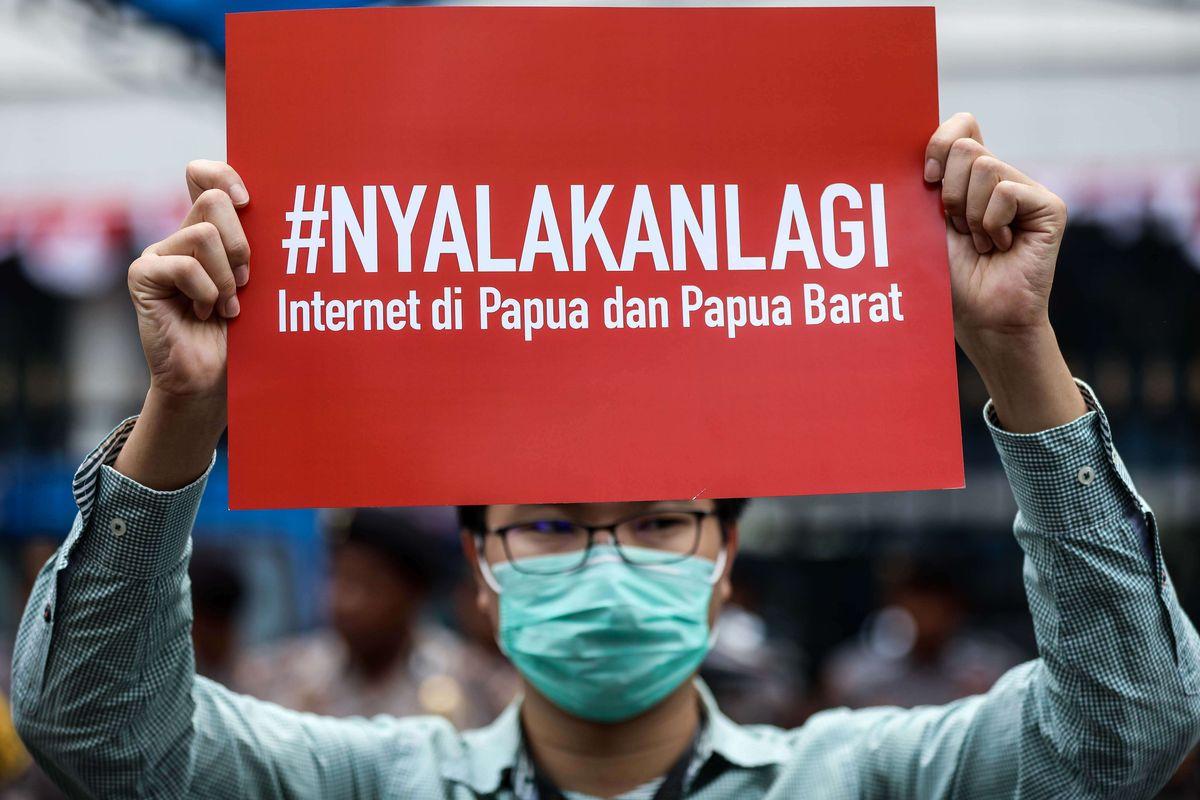
Human rights organizations are now calling for greater transparency regarding how governments monitor online activity and regulate digital spaces.
Advocates say governments should focus on:
- Protecting free speech
- Preventing online intimidation
- Increasing accountability
- Supporting independent journalism
- Strengthening digital rights protections
- Improving oversight systems
The growing debate surrounding the Indonesia cyber crackdown highlights how internet governance is becoming one of the most politically sensitive issues in modern democracies.
Many experts argue that public trust in digital information systems may become increasingly difficult to maintain if transparency concerns continue expanding.
Indonesia’s Digital Economy Adds Complexity
Indonesia’s rapidly expanding digital economy has made the country one of Southeast Asia’s most important technology markets.
Millions of Indonesians rely on online platforms for:
- News consumption
- Social interaction
- Business activity
- Political discussion
- Financial transactions
- Entertainment
The government has invested heavily in digital infrastructure, cybersecurity development, and technology modernization initiatives.
However, critics argue that stronger digital control measures risk creating tension between economic modernization and democratic freedoms.
The debate involving the Indonesia cyber crackdown therefore extends beyond politics and into broader discussions about the future structure of digital societies.
International Community Monitoring Developments
International organizations, cybersecurity researchers, and human rights observers continue monitoring developments involving online freedoms in Indonesia.
Growing global concerns include:
- Internet censorship
- Digital surveillance
- Political manipulation
- Press freedom restrictions
- Online intimidation campaigns
Some analysts believe Southeast Asia may become one of the world’s most important battlegrounds regarding future internet governance policies.
As governments expand cybersecurity capabilities, debates surrounding privacy, transparency, and digital rights are expected to intensify globally.
Historical Growth of Online Disinformation
Digital disinformation campaigns have evolved significantly over the past decade alongside the rise of social media and algorithm-driven content distribution.
| Period | Major Development |
|---|---|
| Early 2010s | Expansion of social media influence |
| Mid-2010s | Coordinated political bot campaigns |
| 2020 Pandemic Era | Surge in misinformation concerns |
| 2026 Current Cycle | AI-enhanced digital influence operations |
Experts say the rapid evolution of artificial intelligence could reshape online political communication even further in coming years.