

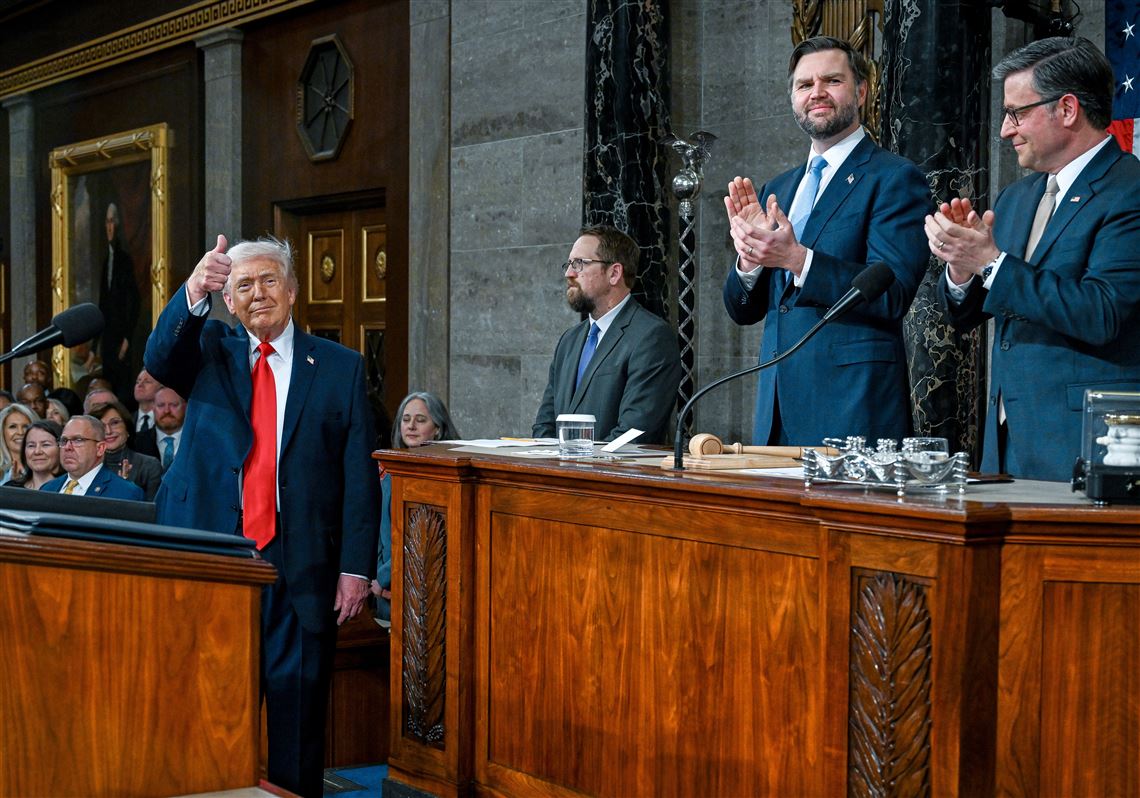
Washington, United States – February 25, 2026 — Brussels Morning Newspaper — President Donald Trump addressed a joint session of Congress at the United States Capitol on Tuesday evening, placing State of the Union foreign policy at the forefront of his national agenda. Delivered amid evolving geopolitical tensions and economic competition, the speech outlined strategic priorities for 2026 while signaling continuity in America’s global posture.
The annual address, watched domestically and internationally, devoted substantial time to defense strategy, alliance management, trade leverage, and energy security. Observers described the foreign policy section as structured, deliberate, and calibrated for both domestic reassurance and international signaling.
Strategic Direction for 2026
The president opened his international remarks by linking domestic economic growth with global influence. He argued that fiscal stability, job creation, and manufacturing expansion provide the foundation for diplomatic credibility abroad.
Within that framework, State of the Union foreign policy was presented not as a reactive posture but as a forward looking doctrine designed to preserve stability in an increasingly competitive global environment.
Lawmakers from both parties listened closely as the administration outlined its strategic calculus. Analysts in Washington noted that the tone was firm yet measured, emphasizing preparedness without announcing abrupt policy shifts.
Middle East Stability and Deterrence
A significant portion of the speech addressed ongoing tensions in the Middle East. The president reaffirmed commitments to regional allies and warned adversaries against actions that could destabilize the area.
He stated,
“America will always defend its interests and protect our partners from aggression.”
That single line became one of the defining moments of the evening, reinforcing deterrence while avoiding specific operational declarations. Market analysts observed limited volatility following the remarks, suggesting investors interpreted the language as strategic signaling rather than immediate escalation.
In presenting State of the Union foreign policy in this context, the administration emphasized intelligence coordination, naval readiness, and diplomatic engagement as complementary tools.
Economic Leverage and Trade Architecture
Trade policy was framed as an instrument of strategic influence. The president highlighted tariff negotiations, bilateral agreements, and supply chain resilience as key pillars of American leverage.
The address underscored that economic security is inseparable from national security. Semiconductor production, critical minerals, and energy exports were described as strategic assets in global competition.
By incorporating these themes into State of the Union foreign policy, the administration portrayed commerce as a diplomatic extension rather than a separate domain.
Financial markets responded calmly, with moderate movements in energy and defense sectors.
Strategic Competition With China
Relations with China remain central to American foreign engagement. The president acknowledged ongoing diplomatic channels while emphasizing the need to safeguard intellectual property and technological leadership.
Defense cooperation with Indo Pacific partners was cited as evidence of sustained regional engagement. Analysts described the approach as disciplined competition rather than overt confrontation.
Within the broader outline of State of the Union foreign policy, rivalry with Beijing was presented as structural and long term, requiring sustained vigilance.
NATO and Transatlantic Commitments
The speech reaffirmed commitments to NATO while encouraging European allies to enhance defense spending. European diplomats monitored the address closely for signals of continuity.
Observers described the remarks as steady and consistent with prior alliance commitments. The administration emphasized that shared responsibility strengthens collective deterrence.
Embedding NATO priorities within State of the Union foreign policy reinforced the importance of transatlantic cohesion.
Border Security and Regional Diplomacy
The president linked border security to broader hemispheric stability. Cooperation with Latin American governments was framed as essential to managing migration pressures and combating transnational crime.
By including these themes, State of the Union foreign policy expanded beyond distant regions to encompass the Western Hemisphere.
Lawmakers expressed varied reactions, with some calling for additional humanitarian initiatives and others focusing on enforcement mechanisms.
Congressional Reaction and Institutional Balance
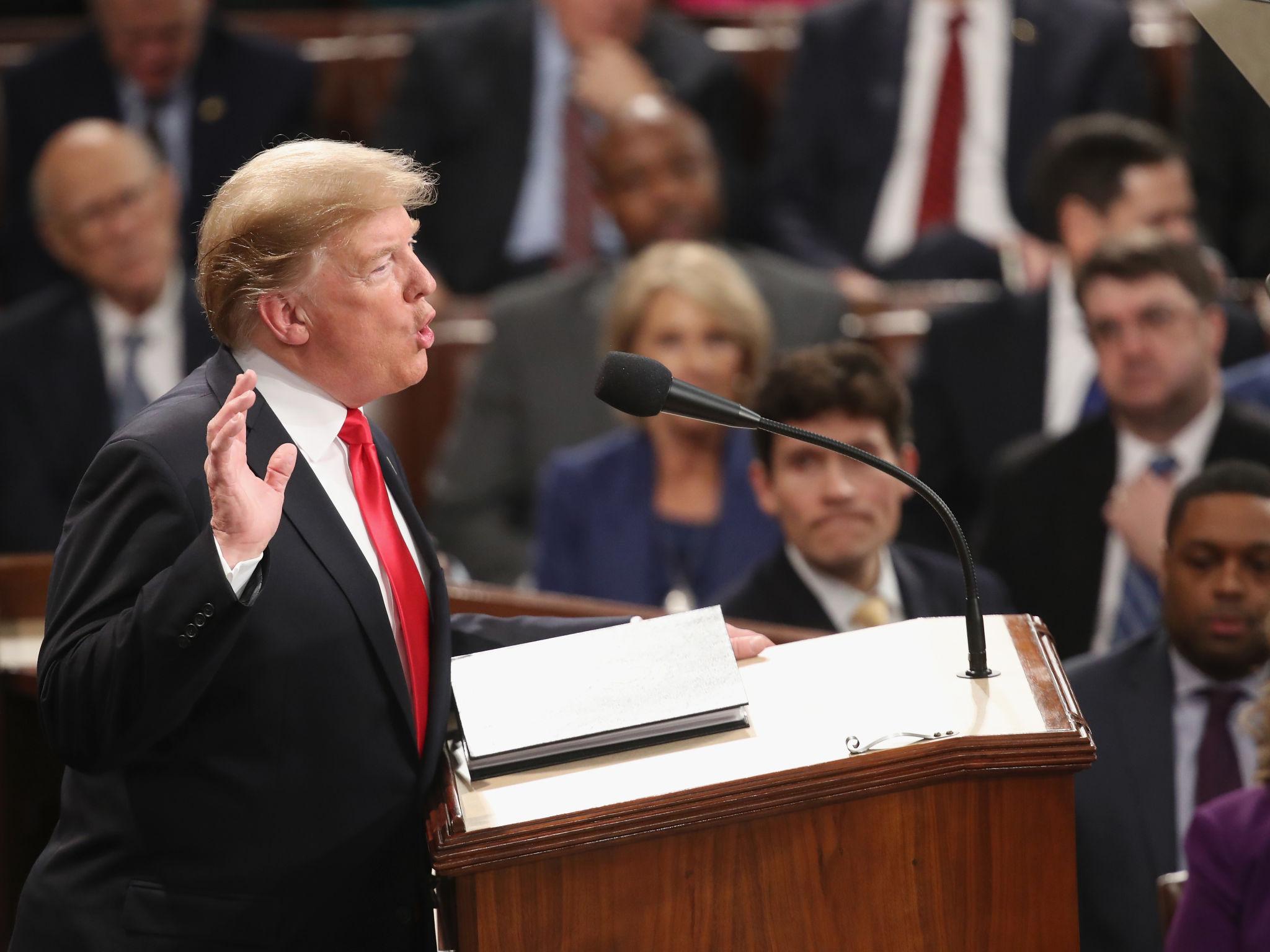
Reaction within Congress reflected partisan divisions. Supporters praised the clarity of deterrence messaging. Critics emphasized the need for consultation on potential military decisions.
Several lawmakers reiterated Congress’s constitutional authority regarding declarations of war.
Despite disagreements, there was consensus that State of the Union foreign policy occupied a central role in this year’s address.
Global Market and Diplomatic Response
International markets showed modest movement following the speech. Energy prices fluctuated slightly, while defense equities experienced minor gains.
Diplomatic sources in Europe and Asia described the address as measured. The administration appeared to balance strength with restraint, signaling predictability amid uncertainty.
The articulation of State of the Union foreign policy was interpreted as reinforcing continuity rather than introducing abrupt transformation.
Historical Context of Presidential Foreign Policy Addresses
Presidents have long used annual addresses to define America’s international posture. During the Cold War, speeches emphasized containment. After the attacks of September 11, security frameworks shifted toward counterterrorism.
The 2026 emphasis on deterrence and economic resilience aligns with this historical pattern. By highlighting alliances and trade architecture, State of the Union foreign policy reflects continuity within evolving global conditions.
This historical perspective underscores how presidential messaging shapes international expectations.
Energy Security and Strategic Autonomy
Energy independence was presented as a cornerstone of diplomatic leverage. The president referenced increased production and export capacity as tools to reduce reliance on adversarial suppliers.
Experts noted that energy policy now intersects with geopolitical influence more directly than in prior decades.
By integrating energy strategy into State of the Union foreign policy, the administration underscored the link between domestic resources and global positioning.
Defense Modernization and Technological Investment
Modernization initiatives were outlined, including cybersecurity enhancements and advanced defense capabilities.
Defense analysts interpreted these commitments as preventive measures designed to deter aggression through technological superiority.
Within the structure of State of the Union foreign policy, modernization was portrayed as essential to sustaining long term stability.
Public Opinion and Media Interpretation
Media outlets across the political spectrum analyzed tone and delivery. Public surveys indicated mixed reactions, largely reflecting partisan alignment.
Supporters cited decisive leadership. Critics called for expanded diplomatic engagement.
The debate highlighted how State of the Union foreign policy resonates beyond legislative chambers.
Diplomatic Signaling and Strategic Messaging
Policy experts noted that annual addresses serve dual audiences domestic voters and international governments. Careful phrasing can reassure allies while warning adversaries.
The 2026 address illustrated this balance. By avoiding operational specifics, the administration maintained flexibility while projecting resolve.
The structure of State of the Union foreign policy emphasized coherence across military, economic, and diplomatic domains.
Looking Ahead in 2026
Analysts suggest the long term impact of the address will depend on implementation. Speeches set tone, but policy execution shapes outcomes.
Alliance durability, trade negotiations, and regional conflicts will test the effectiveness of the outlined strategy.
As Washington advances through 2026, the trajectory of State of the Union foreign policy will be measured by tangible diplomatic and security developments.
The Quiet Weight of Presidential Words
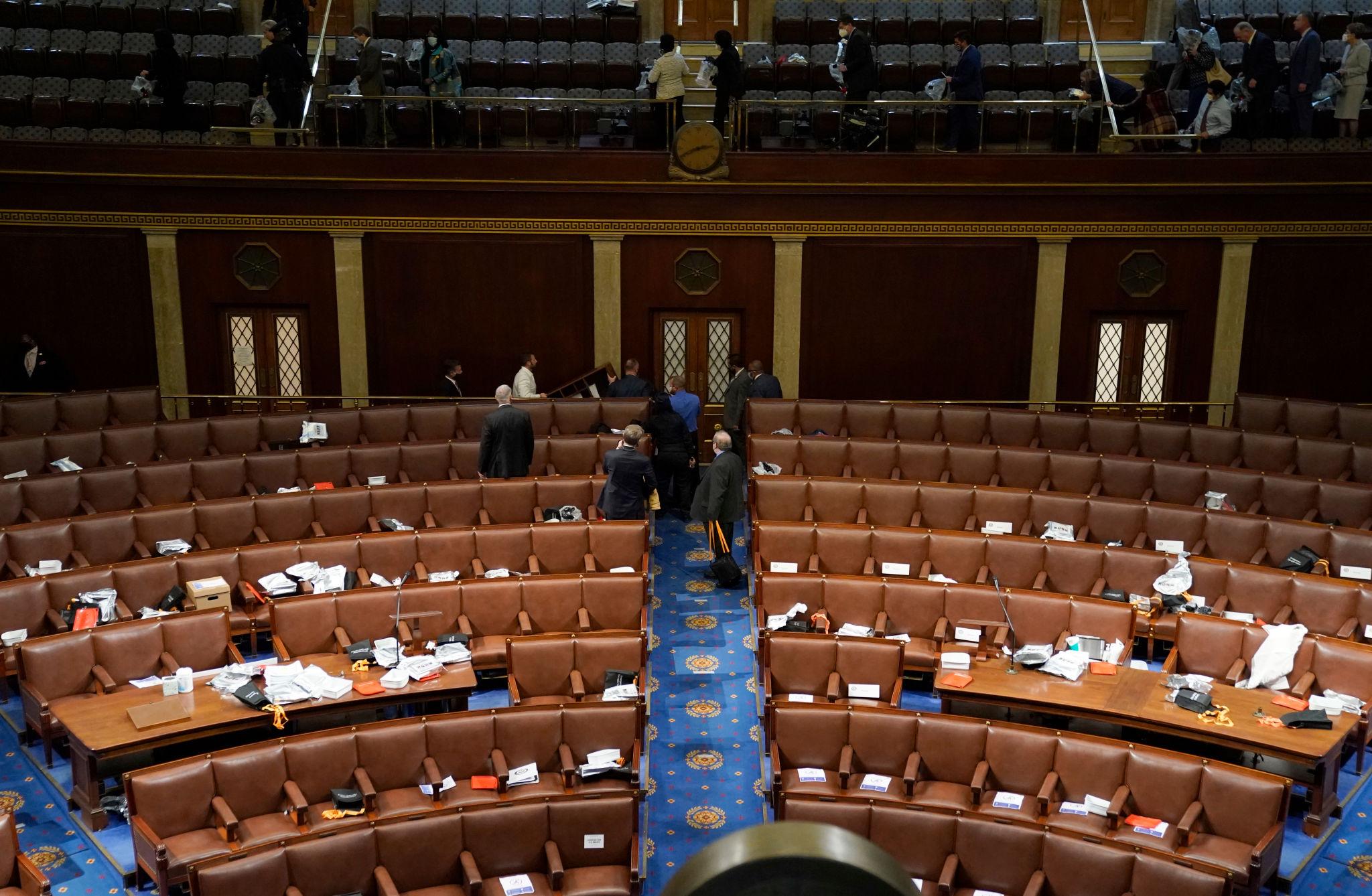
Inside the Capitol chamber, presidential statements carry symbolic and strategic resonance. The 2026 address demonstrated how language can convey determination without escalation.
Ultimately, the success of State of the Union foreign policy will rest not only on rhetoric but on sustained engagement, alliance management, and measurable global stability in the months ahead.