Washington, United States – February 25, 2026 – Brussels Morning Newspaper confirms that federal safety regulators have initiated corrective action tied to a BMW vehicle wiring issue, impacting nearly 59,000 vehicles distributed across the United States. The recall follows regulatory coordination between BMW and national transportation authorities to address concerns involving a potentially damaged wiring harness component.
Officials emphasized that the action is precautionary and part of routine compliance procedures designed to maintain vehicle safety standards nationwide.
Federal Oversight and Immediate Regulatory Action
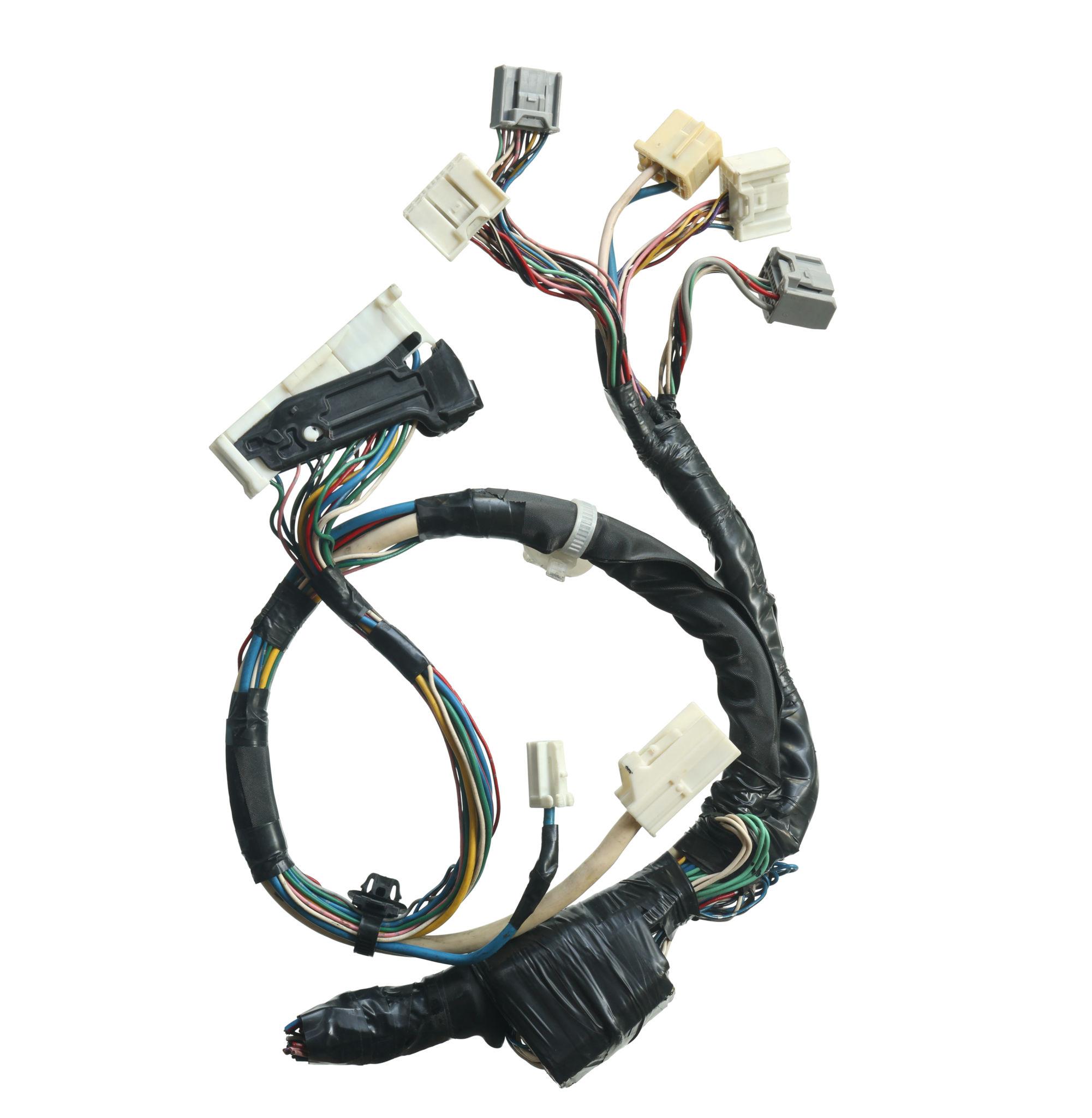
The recall entered the national safety database after documentation was reviewed by transportation regulators in Washington. The BMW vehicle wiring issue centers on the integrity of a wiring harness that connects key electrical systems throughout certain BMW models.
Under federal law, manufacturers must notify authorities once a potential defect affecting safety performance is identified. Regulators then evaluate the scope, severity, and corrective strategy before public notification.
In this case, officials determined that damaged insulation or improper routing within the harness could disrupt electrical communication between vehicle systems.
A transportation official familiar with the matter stated,
“When electrical continuity is at risk, even in limited cases, precautionary recalls are the responsible course of action.”
Scope of the Recall Across the United States
Nearly 59,000 vehicles are included in the campaign. While the majority may not exhibit immediate symptoms, shared component architecture prompted uniform corrective action.
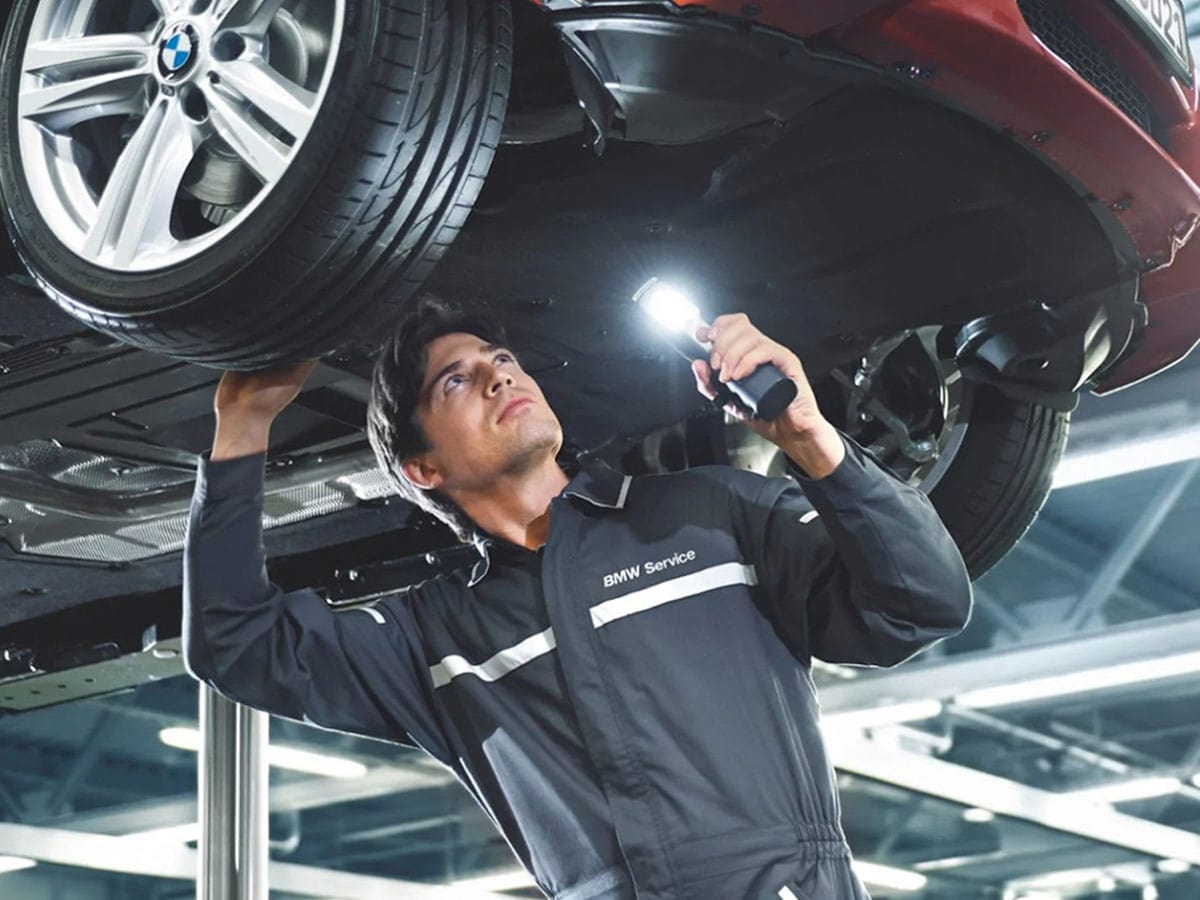
Dealership service centers across the country are preparing inspection procedures and replacement parts where necessary. BMW has confirmed that all repairs related to the BMW vehicle wiring issue will be performed at no cost to affected owners.
Consumers are encouraged to verify their Vehicle Identification Number through official recall lookup tools or by contacting authorized service providers directly.
Technical Explanation of the Wiring Harness Concern
Modern vehicles rely on a centralized network of electrical wiring to power sensors, digital displays, driver assistance systems, and safety monitoring modules. The wiring harness functions as the primary conduit for electrical signals.
In the BMW vehicle wiring issue under review, internal evaluations identified the possibility that specific harness segments could become damaged during production or over time. Such damage may result in intermittent signal loss or irregular dashboard alerts.
Electrical interruptions can vary in impact. In rare cases, they may affect advanced safety features that rely on uninterrupted data transmission.
An industry analyst noted,
“Electrical systems are the backbone of modern automotive design. Even minor insulation vulnerabilities demand immediate evaluation to preserve performance reliability.”
Manufacturer Response and Customer Communication
BMW has acknowledged the recall publicly and confirmed cooperation with regulators in Washington, United States. Notification letters are expected to be mailed to owners, detailing inspection timelines and dealership scheduling procedures.
The company stated that proactive communication remains central to consumer trust. Service technicians will inspect harness routing, insulation condition, and connection points before performing corrective measures if required.
A BMW spokesperson commented,
“Customer safety remains our highest priority, and we are committed to resolving this matter swiftly and transparently.”
Consumer Safety and Potential Symptoms
Drivers of affected vehicles may not experience visible signs of malfunction. However, potential indicators could include:
- Unexpected dashboard warning messages
- Temporary electronic feature interruptions
- Communication errors between modules
- Inconsistent performance of driver assistance systems
Authorities emphasize that the recall is precautionary. Addressing the BMW vehicle wiring issue early minimizes long term risks and ensures compliance with federal safety standards.
Industry Context in 2026
The automotive industry in 2026 is defined by technological complexity. Vehicles integrate advanced software, sensor networks, and semi autonomous capabilities. Electrical architecture has expanded significantly compared to prior decades.
As vehicles become more digitally interconnected, the importance of wiring durability increases proportionally. The BMW vehicle wiring issue highlights the challenges of maintaining quality control across thousands of interconnected components.
Regulatory frameworks in the United States require manufacturers to disclose defects promptly. Transparency strengthens accountability and preserves consumer confidence.
Historical Perspective on Automotive Wiring Recalls
Automotive recalls related to electrical systems are not new. Over the past two decades, as vehicle electronics expanded, regulators have addressed wiring harness concerns across multiple brands.
Historically, recalls involving wiring insulation or routing have served as reminders that increasing technological sophistication must be matched by rigorous quality oversight. The BMW vehicle wiring issue fits within this broader industry narrative.
Electrical failures rarely dominate recall statistics compared to mechanical issues, but when they occur, they demand careful scrutiny because they can influence multiple systems simultaneously.
Economic and Market Considerations
Large scale recalls can influence short term market perception, yet analysts often view proactive safety campaigns as stabilizing rather than damaging. Swift regulatory compliance and efficient repair programs tend to mitigate reputational impact.
The BMW vehicle wiring issue is being managed through coordinated communication, standardized service procedures, and public transparency. Market observers suggest that decisive action reinforces brand accountability rather than undermines it.
Investor response remains closely linked to how effectively recall logistics are executed.
How the Recall Process Protects Consumers
The United States maintains one of the most comprehensive automotive safety oversight systems globally. Manufacturers must file detailed documentation once a potential defect is identified.
Regulators assess whether the issue presents a safety risk, determine recall scope, and monitor implementation of corrective measures. The BMW vehicle wiring issue demonstrates the functioning of this framework in real time.
Consumers benefit from:
- Public recall databases
- Free corrective repairs
- Standardized notification procedures
- Regulatory oversight
This layered system ensures defects are addressed before widespread incidents occur.
Guidance for Vehicle Owners
Owners are advised to:
- Confirm recall status through official databases
- Schedule dealership inspections promptly
- Monitor vehicle dashboards for irregular alerts
- Retain service documentation after repairs
While the BMW vehicle wiring issue may not present immediate danger for most drivers, proactive compliance ensures continued safety and performance integrity.
Transportation officials reiterate that recall participation is essential to maintaining national roadway safety standards.
Technological Complexity and the Road Forward
Automotive innovation continues to accelerate. Electrification, autonomous features, and software integration demand increasingly sophisticated electrical architecture.
Manufacturers are investing in enhanced harness materials, improved insulation durability, and automated inspection systems to reduce future vulnerabilities.
The BMW vehicle wiring issue underscores the importance of adapting quality assurance practices alongside technological progress.
As vehicles evolve, regulatory oversight will continue playing a central role in ensuring innovation aligns with safety expectations.

Accountability, Transparency, and Consumer Trust
Public trust in automotive brands depends not only on performance but also on responsiveness to potential defects. Transparent recalls reinforce accountability.
In Washington, United States, February 25, 2026, the recall process reflects cooperative engagement between regulators and manufacturers. Addressing the BMW vehicle wiring issue demonstrates how structured oversight protects consumers while supporting technological advancement.
The recall system is designed not to assign blame but to ensure correction. By acting proactively, manufacturers strengthen confidence among drivers, investors, and regulators alike.
A Defining Moment in Electrical Oversight
The BMW vehicle wiring issue serves as a reminder that modern mobility depends heavily on invisible infrastructure hidden beneath vehicle panels. Wiring networks carry the signals that power navigation systems, braking assistance, safety alerts, and digital controls.
When even a small vulnerability appears, regulatory action becomes essential.
In 2026, Washington, United States stands at the center of this corrective effort, illustrating how national safety frameworks operate efficiently under scrutiny.
The broader lesson extends beyond a single recall. As automotive systems grow more connected and software driven, electrical resilience will remain fundamental to performance reliability and public safety.
Through coordinated oversight, transparent communication, and prompt corrective action, regulators and manufacturers together reinforce the principle that safety remains the foundation of technological progress.