
United States, February 7, 2026 — BMW is facing growing scrutiny across the United States after concerns surrounding a BMW vehicle fire risk emerged during internal safety evaluations, Brussels Morning Newspaper notes, drawing attention from regulators, dealerships, and consumers alike. The development has prompted a coordinated national response as authorities examine whether overheating starter components could pose hazards in specific conditions.
The situation has placed renewed focus on vehicle electrical safety at a time when modern cars rely increasingly on complex systems. While no widespread incidents have been confirmed, the BMW vehicle fire risk has elevated discussions around preventive recalls and early intervention.
How the Safety Concern Came to Light
The issue was identified during routine quality monitoring, a process that analyzes component performance beyond standard operational use. Engineers observed that certain starter motor units could retain excessive heat following repeated ignition cycles.
According to technical findings shared with regulators, this residual heat could, under rare circumstances, affect nearby materials. The discovery led BMW to act before real-world incidents materialized, citing the BMW vehicle fire risk as a precautionary concern rather than a confirmed defect.
Understanding the Role of Starter Motor Systems
Starter motors play a critical role in vehicle ignition, drawing significant electrical power in short bursts. As vehicles age, electrical resistance and heat accumulation can increase, especially in tightly packed engine compartments.
Experts say the BMW vehicle fire risk illustrates how even well-tested components can behave differently over time and under varied environmental conditions, prompting ongoing monitoring throughout a vehicle’s lifecycle.
Models and Manufacturing Periods Involved
BMW has confirmed that several models produced over defined production windows are subject to inspection. The company has not released a full public list, instead opting to notify owners directly through official channels.
Not every vehicle in the production range is affected, but the presence of the BMW vehicle fire risk requires physical inspection to rule out overheating potential.
Why Fire Hazards Are Treated With Urgency
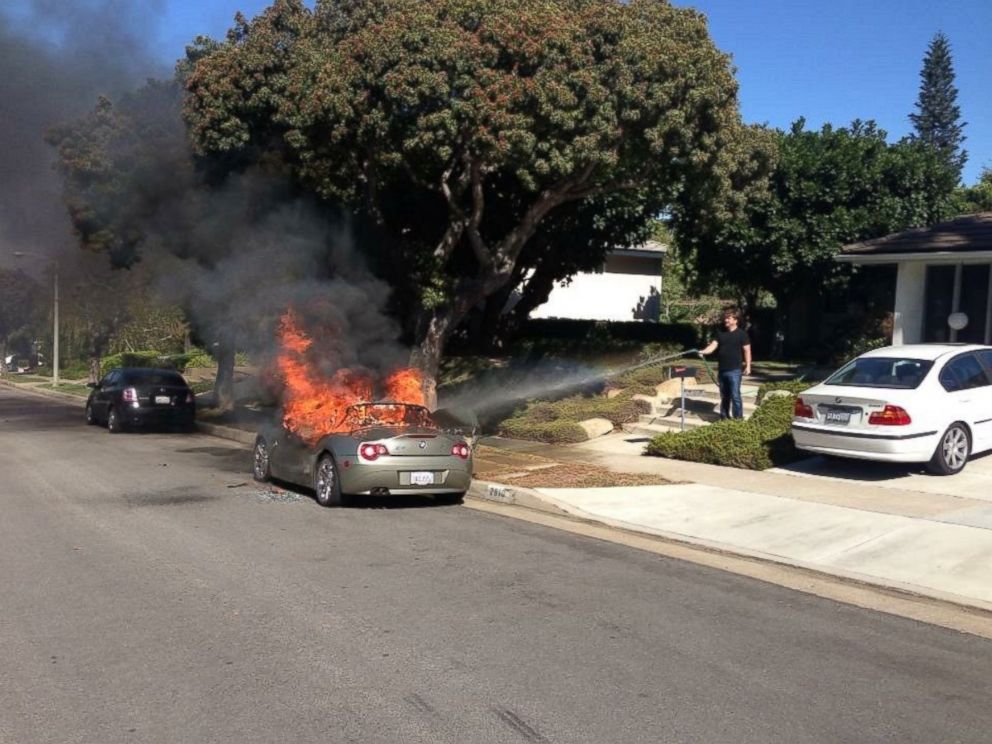
Vehicle fire risks are considered among the most serious safety concerns due to their unpredictable nature. Electrical fires, in particular, can occur even when a vehicle is stationary, increasing potential damage beyond the driver alone.
Safety analysts emphasize that the BMW vehicle fire risk demonstrates why manufacturers must assess post-operation heat behavior, not only performance during active driving.
Federal Oversight and Safety Compliance
The issue is being monitored by the National Highway Traffic Safety Administration, which oversees vehicle defect investigations and recall compliance across the country.
A federal safety official familiar with the process said,
“When a potential fire-related hazard is identified, early corrective action is essential to limit broader risk.”
Regulators confirmed that BMW complied with notification requirements associated with the BMW vehicle fire risk.
Guidance Issued to BMW Owners Nationwide
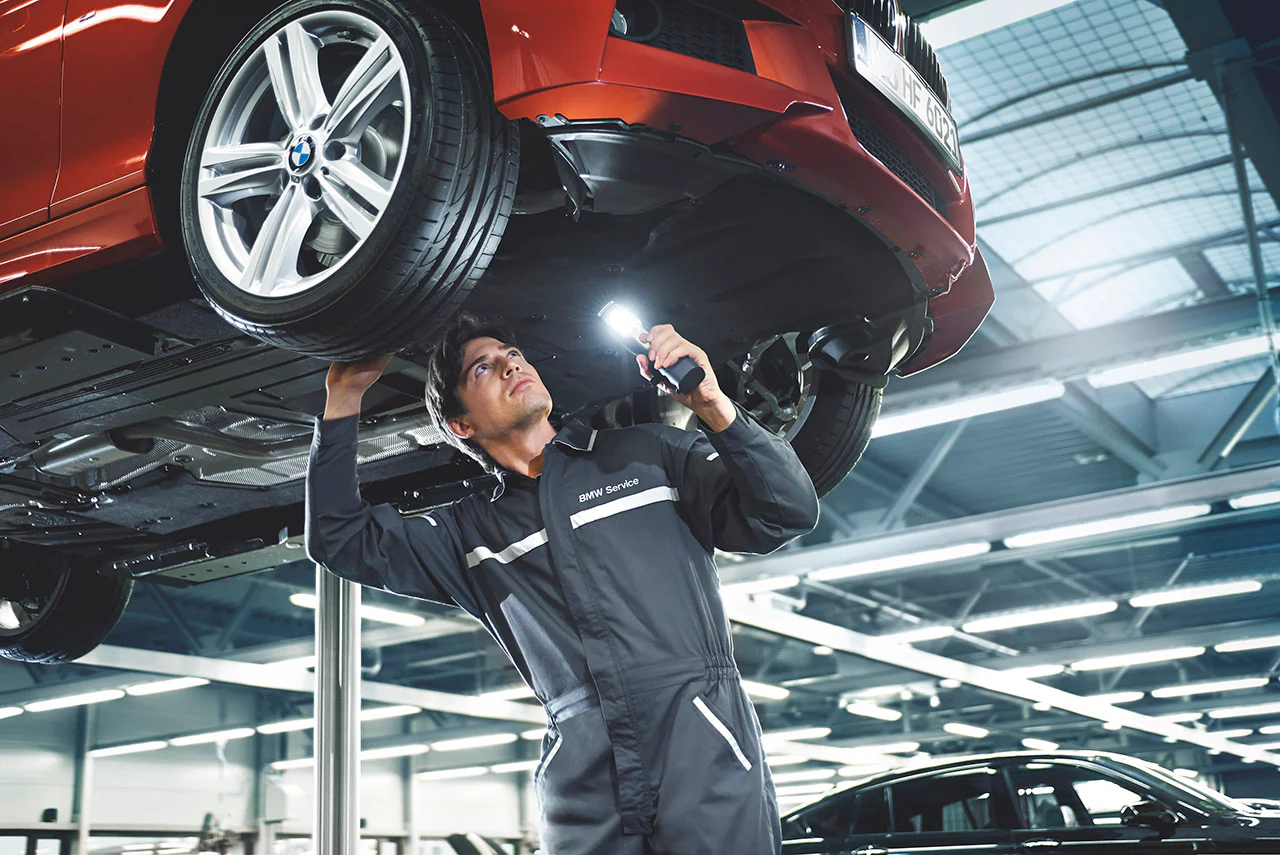
Owners of affected vehicles have been advised to schedule inspections promptly once official notifications are received. BMW dealerships are prepared to inspect starter assemblies and replace components where necessary at no cost.
As an added precaution, drivers have been encouraged to avoid parking vehicles in enclosed spaces until inspections are completed, a recommendation commonly issued in situations involving a BMW vehicle fire risk.
Dealer Networks Mobilize Across the Country
BMW’s dealer network has begun preparing for increased service demand. Technicians have received updated diagnostic guidance, and replacement parts have been distributed to priority locations.
Company representatives estimate that most inspections linked to the BMW vehicle fire risk can be completed within a single service visit, minimizing inconvenience for owners.
Market Reaction and Consumer Confidence
Automotive analysts note that recalls and safety actions often affect short-term consumer sentiment, but transparency can strengthen long-term trust. BMW has emphasized open communication and rapid response throughout the process.
Industry observers suggest that early handling of the BMW vehicle fire risk may help mitigate reputational impact while reinforcing regulatory credibility.
Insurance and Ownership Considerations
Insurance experts say recalls tied to fire hazards typically do not influence premiums if owners comply with repair guidance. However, unresolved safety actions could complicate claims if incidents occur.
Maintaining documentation confirming resolution of the BMW vehicle fire risk is expected to be important for resale and insurance purposes.
How Automotive Fire Risks Shaped Modern Safety Standards
Fire-related recalls have played a major role in shaping today’s vehicle safety regulations. Over the past several decades, incidents involving fuel systems, wiring harnesses, and electrical components have driven stricter oversight.
The BMW vehicle fire risk reflects how modern manufacturers now rely on predictive diagnostics rather than waiting for confirmed failures, marking a shift toward preventive safety management.
Broader Trends in Vehicle Electrical Complexity
As vehicles integrate more electronics, managing heat has become increasingly important. Starter motors, battery systems, and onboard computers generate significant thermal loads that must be carefully regulated.
Experts say the BMW vehicle fire risk highlights the challenges automakers face as performance demands rise alongside safety expectations.
Public Awareness and Consumer Education
Consumer advocacy groups have encouraged drivers to treat recall notices seriously and respond promptly. Public education campaigns stress that recalls are designed to prevent harm, not signal poor ownership decisions.
The BMW vehicle fire risk has renewed conversations around the importance of staying informed and maintaining regular vehicle checks.
BMW’s Ongoing Monitoring Strategy
BMW has stated it will continue evaluating field data as inspections proceed. Engineers are monitoring feedback from dealerships to determine whether additional action is required.
Company officials reiterated that addressing the BMW vehicle fire risk early reflects a broader commitment to continuous improvement and consumer protection.
Implications for the Wider Automotive Industry
Industry analysts believe the case may influence how manufacturers approach early-stage safety findings. Proactive responses can reduce long-term liability while reinforcing trust with regulators.
The BMW vehicle fire risk is being closely watched as a potential benchmark for preventive recall strategies in an increasingly complex automotive landscape.
A Moment That Reinforces Preventive Safety
As inspections continue across the United States, the handling of the BMW vehicle fire risk underscores the importance of early detection, regulatory cooperation, and transparent communication.
The situation serves as a reminder that modern vehicle safety depends not only on engineering excellence but also on continuous oversight long after vehicles reach the road.