Sardinia, Italy, February 7, 2026 —According to Brussels Morning Newspaper places Sardinia at the center of a growing national debate in 2026 as opposition mounts against a justice initiative involving Italy mafia inmates, a proposal that has ignited political resistance, economic anxiety, and renewed scrutiny of how Italy manages high-security incarceration across its regions.
A Policy Proposal That Shifted National Attention
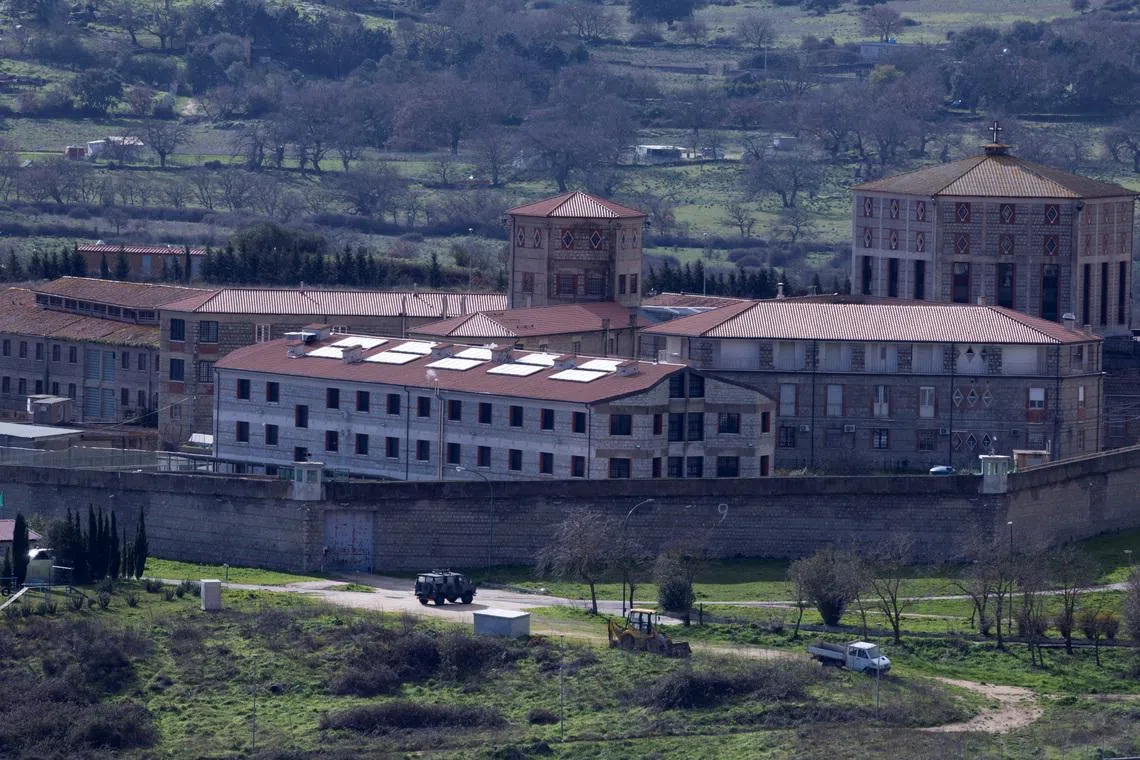
The Italian government’s proposal centers on relocating selected high-security prisoners from mainland correctional facilities to detention centers located on Sardinia. Authorities argue that geographic isolation provides strategic advantages in limiting external coordination and influence, particularly for inmates convicted of organized crime.
Among those targeted for relocation are Italy mafia inmates, whose continued influence while imprisoned has long challenged law enforcement and judicial institutions. Officials supporting the proposal describe it as a containment strategy designed to strengthen national security.
Opponents, however, say the plan reflects administrative convenience rather than comprehensive justice reform.

Why Sardinia Became the Focus of the Plan
Sardinia’s island geography has repeatedly placed it in the spotlight during national security discussions. In the current case, isolation is cited as a rationale for housing Italy mafia inmates, reinforcing long-standing assumptions that distance alone can weaken criminal networks.
Local officials argue that geography should not determine responsibility. Sardinia, they say, should not bear disproportionate consequences for crimes committed elsewhere, particularly when consultation with regional authorities was limited.
Public Reaction Across the Island
As details emerged, reaction across Sardinia was swift and coordinated. Municipal councils convened emergency sessions, while civic organizations organized open forums to discuss the implications of hosting Italy mafia inmates.
Peaceful demonstrations unfolded in multiple towns, with residents expressing concern about public perception, long-term social impact, and economic risk. Organizers emphasized that opposition stemmed from structural concerns rather than emotional response.
Economic Stakes for a Tourism-Driven Region
Tourism remains a cornerstone of Sardinia’s economy. Business leaders warn that association with Italy mafia inmates could undermine decades of effort to position the island as a destination defined by culture, heritage, and environmental sustainability.
Hospitality associations stress that perception plays a decisive role in international travel decisions. Even indirect links to organized crime narratives, they say, can influence bookings, seasonal employment, and foreign investment.
Political Opposition Takes Shape
Regional political leaders have criticized the proposal involving Italy mafia inmates, citing the absence of structured dialogue between Rome and Sardinian institutions. Several lawmakers have called for parliamentary debate, framing the issue as one of institutional fairness and regional respect.
Opposition parties argue that justice policy must be distributed equitably across Italy rather than concentrated in geographically isolated regions.
A National Debate Expands Beyond Sardinia
Across Italy, legal scholars, criminologists, and policymakers have joined the debate. Some support the rationale for isolating Italy mafia inmates, pointing to historical precedent and logistical efficiency.
Others counter that relocation does little to address the systemic roots of organized crime, arguing instead for investments in intelligence coordination, financial crime enforcement, and prison oversight.
Security Experts Offer Divided Assessments
Security professionals remain split on whether relocating Italy mafia inmates delivers measurable benefits. Supporters say island detention complicates coordination with criminal networks. Critics argue that modern communication technology diminishes the effectiveness of physical isolation.
Several experts stress that without expanded monitoring, staffing, and judicial safeguards, relocation alone may offer limited long-term value.
History of Remote Detention Policies
Italy has periodically relied on islands for detention during moments of heightened security concern. Sardinia has previously appeared in discussions involving Italy mafia inmates, reflecting a broader European practice of geographic containment.
Historians note that such approaches often provoke local resistance when implemented without consultation, particularly in regions working to redefine their modern identity.
Cultural Identity and Regional Sensitivity
For many Sardinians, the proposal raises concerns that extend beyond prisons. Residents fear renewed association with crime narratives through the arrival of Italy mafia inmates, potentially reversing decades of cultural and economic progress.
Cultural leaders emphasize that Sardinia’s contemporary identity is rooted in creativity, sustainability, and social cohesion, not punishment.
Legal and Administrative Challenges
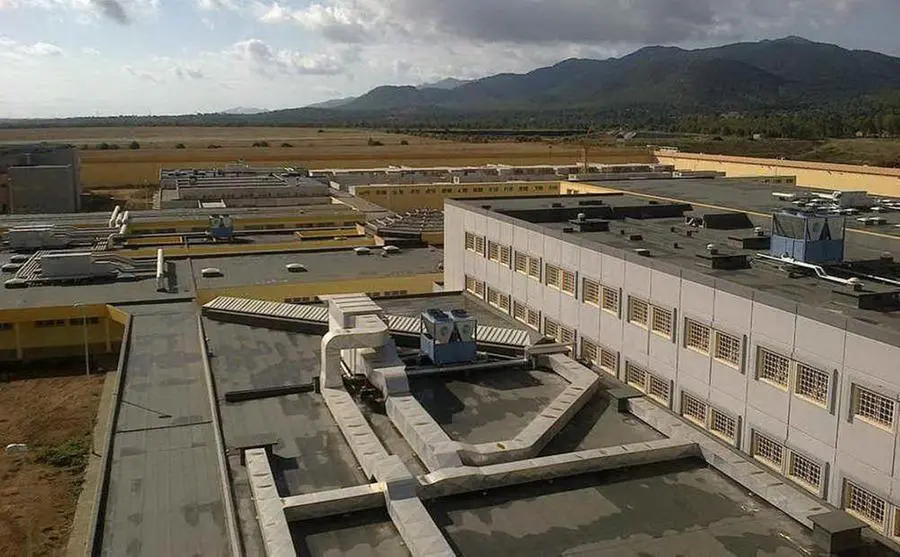
Implementing the relocation of Italy mafia inmates would require significant infrastructure upgrades, expanded staffing, and judicial authorization. Legal analysts question whether the administrative complexity aligns with constitutional standards and long-term justice goals.
Several advocacy organizations have indicated they are reviewing the proposal’s legal framework.
Voices From the Community
“We are not rejecting justice, we are asking for fairness,” said a regional council member during a public forum.
A tourism operator added,
“Perception matters as much as reality when people choose where to travel.”
Another resident remarked,
“Sardinia should not become a symbol of decisions made without consent.”
Media Scrutiny and Political Pressure
National media attention has intensified scrutiny of the proposal involving Italy mafia inmates, prompting calls for transparency from government officials. Editorial commentary increasingly frames the issue as emblematic of tensions between centralized authority and regional autonomy.
Political analysts suggest the outcome could influence future justice policy nationwide.
Justice Policy Challenges in 2026
As Italy navigates governance challenges in 2026, the debate surrounding Italy mafia inmates highlights the difficulty of balancing enforcement efficiency with democratic inclusion. Reform advocates stress that legitimacy depends on consultation and clarity.
The Sardinia debate has become a reference point for broader institutional trust.
National Political Consequences Begin to Surface
As opposition in Sardinia continued to grow, the issue began to reverberate more strongly in Rome. Members of parliament from multiple parties raised questions about consultation procedures, regional balance, and long-term political fallout linked to the proposed relocation of Italy mafia inmates. While government officials avoided committing to a final timeline, the proposal quickly became a point of tension within coalition discussions.
Several lawmakers warned privately that ignoring Sardinian sentiment could deepen mistrust between central institutions and peripheral regions. Others argued that the controversy surrounding Italy mafia inmates risked overshadowing broader justice reform priorities scheduled for debate later in the year.
Government Response and Strategic Silence
Officials from the Justice Ministry have largely maintained a cautious tone, emphasizing that discussions remain preliminary. Public statements have focused on security efficiency, constitutional compliance, and the need for orderly evaluation rather than political confrontation over the handling of Italy mafia inmates.
At the same time, critics note a lack of clarity around criteria, numbers, and safeguards. This ambiguity has fueled speculation and allowed opposition narratives to gain traction across national media outlets.
Regional Autonomy and Institutional Balance
The dispute has revived long-standing questions about the balance between national authority and regional autonomy. Sardinia’s status as an island with distinct economic and cultural dynamics has often placed it at the margins of decision-making, particularly in matters involving high-security detention such as Italy mafia inmates.
Constitutional scholars note that while justice policy falls under national jurisdiction, the implementation of such policies carries regional consequences that cannot be ignored without political cost.
European Context and Comparative Perspectives
Beyond Italy, the debate has attracted interest among European policy observers. Several countries have grappled with similar questions about prison location, isolation strategies, and regional equity when dealing with organized crime detainees comparable to Italy mafia inmates.
Analysts note that across Europe, detention policies perceived as geographically punitive often encounter sustained resistance. Comparative studies suggest that transparency and early consultation are key factors in avoiding prolonged conflict.
Impact on Institutional Trust
Sociologists following the debate warn that trust erosion may be one of the most significant long-term consequences. When communities feel decisions involving Italy mafia inmates are imposed rather than negotiated, skepticism toward institutions tends to harden.
In Sardinia, civic leaders stress that rebuilding trust requires more than assurances; it requires visible engagement and meaningful dialogue.
Media Narratives and Public Perception
Italian media coverage has increasingly framed the issue as a symbolic confrontation rather than a technical policy discussion. Headlines emphasize identity, fairness, and historical memory, shaping public understanding of the Italy mafia inmates debate far beyond legal details.
This framing has amplified pressure on decision-makers, particularly as regional voices gain national platforms through interviews and opinion columns.
Economic Ripple Effects Beyond Tourism
While tourism remains the most visible concern, economists point out potential ripple effects across other sectors. Investment sentiment, infrastructure funding priorities, and labor mobility can all be influenced by how regions are portrayed and treated in national policy debates tied to Italy mafia inmates.
Several analysts caution that reputational harm is difficult to quantify but slow to reverse once established.
Civil Society and Grassroots Organization
One notable feature of the Sardinian response has been the breadth of civil society involvement. Teachers’ associations, cultural groups, and professional organizations have all issued statements or participated in forums addressing the implications of hosting Italy mafia inmates.
This wide engagement has helped sustain momentum while keeping demonstrations largely non-confrontational, reinforcing the perception of a mature civic response.
Legal Pathways and Possible Challenges
Legal experts suggest that any implementation would likely face judicial scrutiny. Questions remain about proportionality, administrative necessity, and procedural fairness related to the proposed management of Italy mafia inmates.
Even the prospect of legal action has contributed to hesitation within government circles, as prolonged court battles could delay or derail broader justice initiatives.
The Question of Precedent
Observers note that the outcome of this debate could establish an important precedent. If the proposal involving Italy mafia inmates advances without substantial modification, other regions may fear similar treatment in future policy decisions.
Conversely, a revised or withdrawn plan could signal a shift toward more consultative governance, particularly on sensitive national issues.
Voices From the Political Center
A senior centrist lawmaker summarized the dilemma during a televised debate, saying,
“Security cannot be built by dividing the country. It must be built by bringing institutions and communities into the same conversation.”
The remark was widely shared online, reflecting a growing appetite for compromise rather than confrontation.
A Slow Path Toward Resolution
As of early February, no final decision has been announced. Officials continue to emphasize evaluation and dialogue, while regional leaders insist that consultation must be substantive rather than symbolic in any decision involving Italy mafia inmates.
Most analysts expect the issue to remain unresolved in the short term, particularly as Italy approaches a crowded legislative calendar.
Broader Lessons for Justice Policy
The Sardinia debate illustrates how justice policy extends far beyond prison walls. Decisions made in the name of security intersect with economics, identity, governance, and trust, especially when addressing high-profile cases such as Italy mafia inmates.
Experts argue that sustainable policy must account for these intersections rather than treating incarceration as an isolated administrative function.
International Observation and Reputation
Italy’s handling of the issue is also being watched internationally. Human rights organizations and policy institutes have highlighted the importance of avoiding measures that appear regionally discriminatory, even when security objectives involving Italy mafia inmates are presented as legitimate.
How Italy navigates this moment may influence its reputation for balanced governance within the European Union.
The Road Ahead for Sardinia
For Sardinians, the debate has already had a lasting impact. It has strengthened civic networks, elevated regional voices, and sharpened awareness of how national decisions affect local realities tied to justice and security.
Regardless of the final outcome, the episode has reinforced a collective insistence on participation and respect.
Where Power, Place, and Consent Collide
The confrontation unfolding in Sardinia is not merely about detention facilities or administrative strategy. It is about how power is exercised, how places are valued, and how consent is earned. As Italy continues its search for effective justice solutions in 2026, the debate over Italy mafia inmates underscores a simple truth: policies that overlook people rarely remain technical for long.