

Washington / Global South, March 26, 2026 (Brussels Morning Newspaper) Energy price surge is accelerating global concerns as a senior counterterrorism official resigned in protest of the escalating U.S. stance toward Iran, while new economic warnings suggest that the world’s poorest nations will bear the heaviest burden from the unfolding crisis.
- Resignation Highlights Strategic Divide
- Energy Price Surge Hits Vulnerable Nations Hardest
- Global Markets React to Instability
- Inflation Pressures Intensify Worldwide
- Global Institutions Sound the Alarm
- Widening Economic Inequality
- Historical Patterns Repeating
- Public Reaction and Political Pressure
- What Comes Next?
- A Defining Economic Moment
The combination of geopolitical tension and rising energy costs is creating a powerful ripple effect across global economies, intensifying fears of widening inequality and long-term instability.
Resignation Highlights Strategic Divide
The unexpected resignation of a high-level counterterrorism official has drawn attention to growing divisions within U.S. leadership. Sources indicate the decision was driven by concerns over escalating military tensions and the broader consequences of conflict.
Insiders suggest the official feared that continued escalation would not only destabilize the region but also trigger significant global economic consequences.
A senior analyst stated:
“This resignation is a warning sign. When security decisions begin to impact global markets this quickly, the risks extend far beyond the battlefield.”
The move has intensified scrutiny of current strategies and raised questions about long-term policy direction.
Energy Price Surge Hits Vulnerable Nations Hardest
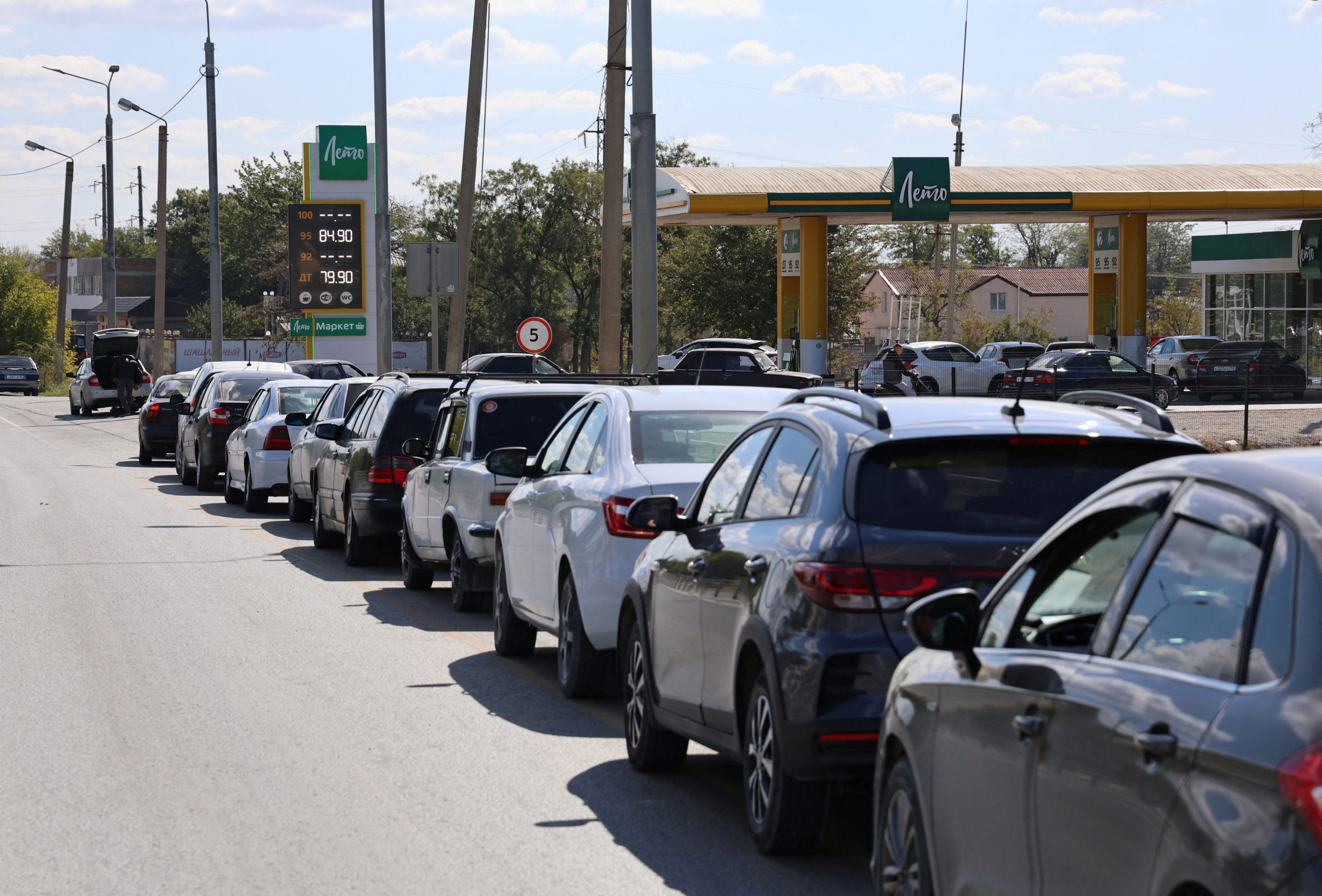
The energy price surge is emerging as one of the most immediate and impactful consequences of rising tensions. For developing nations, the increase in fuel and energy costs is already placing immense strain on fragile economies.
Countries that rely heavily on imports are facing:
- Rising transportation and food costs
- Increased inflation pressures
- Currency instability
- Growing risk of economic unrest
Experts warn that the energy price surge could reverse years of progress in poverty reduction, pushing millions back into financial hardship.
Global Markets React to Instability
Financial markets have responded quickly to the evolving situation. Oil and energy prices have risen sharply, reflecting fears of supply disruptions and prolonged geopolitical uncertainty.
The energy price surge has become a central concern for investors, as volatility continues to dominate trading activity.
Market analysts point to key risk factors:
- Potential disruptions in major oil transit routes
- Increased military activity near strategic regions
- Uncertainty surrounding diplomatic negotiations
- Heightened perception of long-term instability
These factors are contributing to a fragile market environment where confidence can shift rapidly.
Inflation Pressures Intensify Worldwide
The impact of the energy price surge is not limited to fuel costs alone. Higher energy prices are driving broader inflation, affecting everything from manufacturing to food production.
Consumers around the world are beginning to feel the effects, with rising prices impacting daily life and reducing purchasing power.
Economists warn that sustained increases could lead to prolonged economic challenges, particularly in regions already struggling with financial instability.

Global Institutions Sound the Alarm
International organizations are increasingly concerned about the potential consequences of the current situation. Emergency discussions are reportedly underway to assess how best to support countries most at risk.
However, the scale of the challenge is significant. The energy price surge is affecting multiple sectors simultaneously, making coordinated responses more complex.
A global policy expert noted:
“We are entering a period where economic pressure could become a destabilizing force on its own.”
Widening Economic Inequality
One of the most troubling outcomes of the crisis is the widening gap between wealthy and poorer nations. While advanced economies may have the resources to absorb higher costs, developing countries often lack the same level of resilience.
The energy price surge is amplifying these disparities, creating a scenario where the most vulnerable populations face the greatest risks.
This imbalance could have long-term implications for global stability, affecting migration, trade, and political dynamics.
Historical Patterns Repeating
History shows that energy shocks often accompany periods of geopolitical conflict. From past oil crises to recent tensions, the pattern is clear: rising energy costs tend to hit the most vulnerable populations hardest.
The current energy price surge appears to be following a similar trajectory, though the scale and speed of modern markets may amplify its impact.
Public Reaction and Political Pressure
As costs rise, public frustration is growing in many parts of the world. Governments are facing increasing pressure to respond, particularly in regions where economic stability is closely tied to global energy prices.
The energy price surge is quickly becoming a political issue, influencing policy decisions and shaping public discourse.
What Comes Next?
The immediate future remains uncertain as the energy price surge continues to evolve. Key questions include whether diplomatic efforts can reduce tensions or if further escalation will drive prices even higher.
International cooperation will be critical, though challenges remain in aligning global priorities.
Analysts warn that if current trends continue, the energy price surge could lead to long-term structural changes in the global economy.
A Defining Economic Moment
Why This Matters
The resignation of a senior counterterrorism official and the escalating US-Iran tensions are not isolated events—they are catalysts for a broader economic shift driven by rising energy costs.
Key Takeaways
- A top official resigned over concerns about escalation
- Energy price surge is driving global inflation
- Poor nations face the highest economic burden
- Markets are reacting with increased volatility
- Global inequality risks are growing
Final Insight
The energy price surge represents more than a temporary market reaction—it is a warning sign of deeper structural challenges that could reshape the global economic landscape.