Argentina Expels Iranian Envoy in Buenos Aires
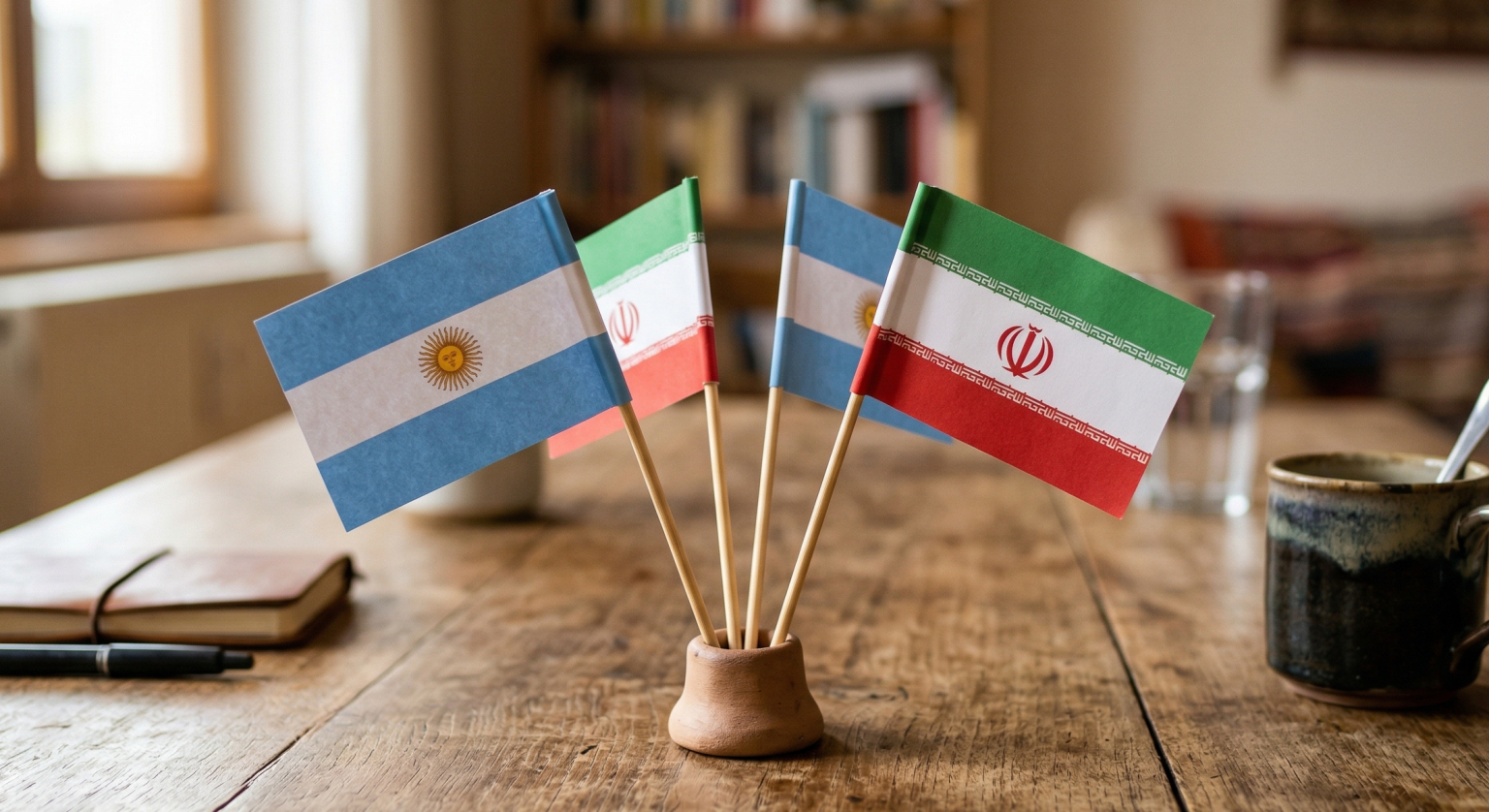
Argentina has expelled Iran’s top diplomat in a dramatic escalation of diplomatic tensions. Iranian charge d’affaires Mohsen Soltani Tehrani was given 48 hours to leave the country following what Argentina’s foreign ministry described as
“false, offensive, and baseless accusations”
by Tehran. This decisive move comes just days after Argentina labeled Iran’s Islamic Revolutionary Guard Corps (IRGC) a terrorist organization. The expulsion marks a clear shift in Argentina’s foreign policy under President Javier Milei, aligning the nation more closely with the United States and Israel.
The action has stirred immediate reactions in the region, drawing attention to unresolved terrorist attacks in Buenos Aires and broader geopolitical dynamics. Analysts note that Argentina expels Iranian envoy as a statement of zero tolerance for state-sponsored terrorism and a reaffirmation of its commitment to justice for victims of past attacks.
Terrorist Designation Triggers Diplomatic Clash
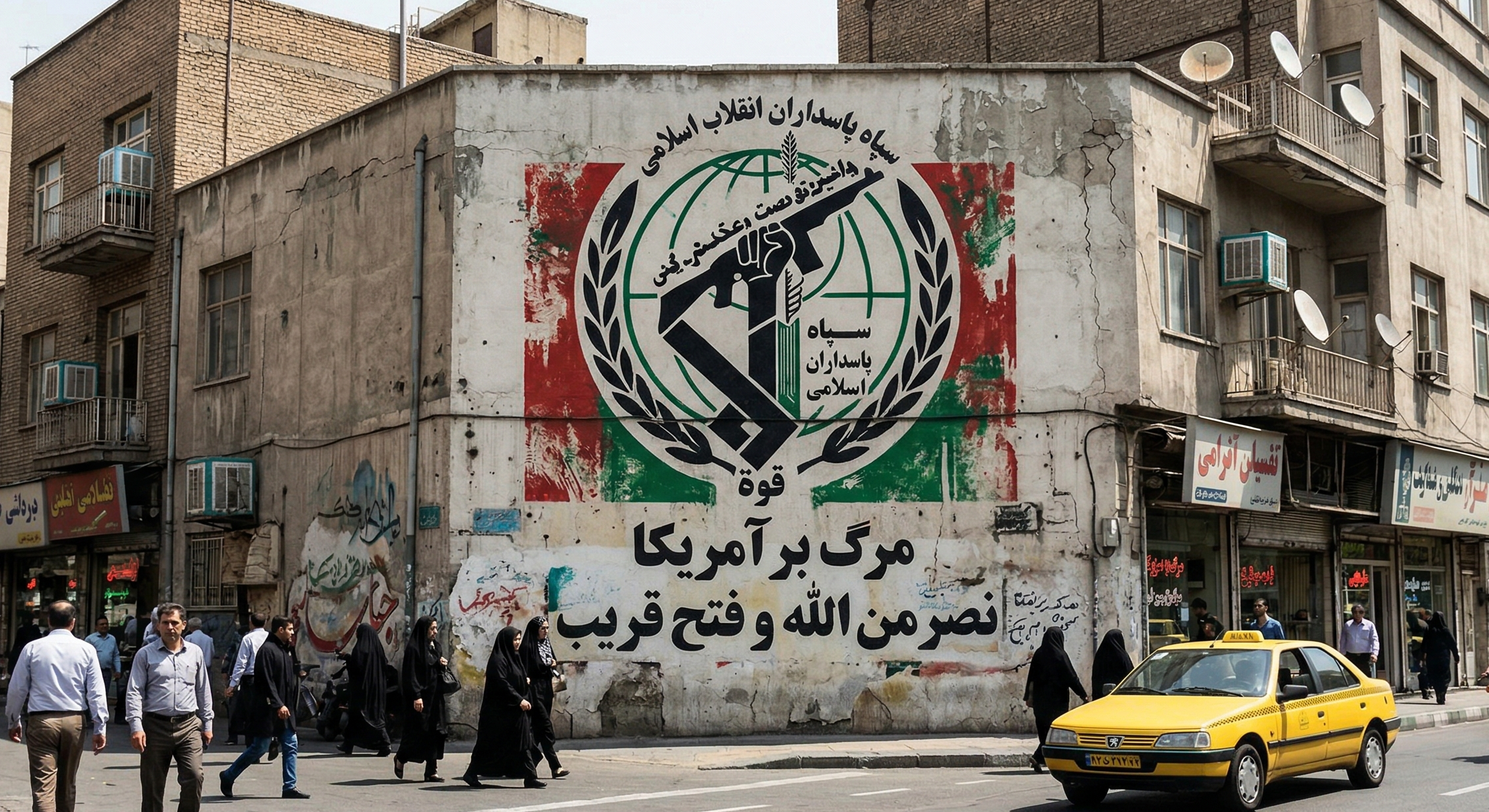
Argentina’s designation of the IRGC as a terrorist organization is central to the diplomatic row. Officials cited the IRGC’s alleged involvement in the 1992 Israeli Embassy bombing, which killed 29 people, and the 1994 AMIA Jewish community center bombing that claimed 85 lives and injured more than 300. By branding the IRGC as a terrorist entity, Argentina has frozen any assets linked to the organization and blocked financial cooperation, a move Tehran strongly condemns.
The expulsion highlights the growing tension between Argentina and Iran. Tehran called the designation a “strategic mistake” and accused Buenos Aires of siding with aggressors, claiming the action violates international law. Despite these statements, Argentina maintains that Iran’s persistent refusal to cooperate with investigations into past terrorist attacks justified the diplomatic severance.
Historical and Legal Context
The row over Argentina expels Iranian envoy is deeply rooted in unresolved crimes from the 1990s. Argentina has long sought cooperation from Iran in investigating the AMIA bombing and other terrorist attacks, issuing Interpol red notices for Iranian officials linked to the incidents. The refusal of Tehran to engage in these investigations has fueled anger in Buenos Aires, culminating in the expulsion.
The Milei government also rejected the 2013 Memorandum of Understanding, initially intended to facilitate a joint investigation of the AMIA bombing. Officials now describe the agreement as ineffective and protective of Iranian suspects. Legal experts suggest that the expulsion underscores Argentina’s renewed commitment to pursuing accountability for terrorist acts on its soil.
Implications for Global Diplomacy and Security
Argentina’s decision to expel the Iranian envoy reverberates far beyond South America, signaling a willingness among U.S. allies to confront Tehran more directly. For Europe, this could complicate diplomatic negotiations over nuclear and regional security, as Latin American nations historically maintained a neutral stance. The move may also embolden Washington’s strategy of isolating the IRGC, creating pressure on other countries to reconsider their diplomatic ties with Iran. Analysts suggest that if more nations follow Buenos Aires’ lead, Tehran could face heightened economic and political isolation, potentially reshaping global alliances and intensifying tensions in both the Middle East and transatlantic relations over the coming months.
A War of Words
The April 2 expulsion followed a sharp statement from Iran’s Foreign Ministry accusing Argentina’s leaders of aligning with U.S. and Israeli military actions. Argentina dismissed these claims as “false, offensive, and baseless,” leading to the formal persona non grata designation for Tehrani. This official declaration allowed Argentina to demand that the diplomat leave the country within 48 hours.
President Javier Milei has framed the expulsion as part of a broader foreign policy shift. By aligning Argentina with the United States and Israel, Milei positions the country at the “forefront of the free world,” signaling a departure from decades of relative neutrality. Argentina expels Iranian envoy is thus both a legal and political maneuver, reflecting its stance on terrorism and international security.
Regional and Geopolitical Implications
Argentina’s decisive move sends ripples across Latin America. Analysts note that the expulsion signals the end of Latin America as a perceived safe zone for Iranian operations. By confronting Tehran openly, Buenos Aires aligns with a growing international coalition isolating the IRGC, following similar actions by the European Union.
The decision also underscores the influence of U.S. foreign policy in the region. With Argentina now openly siding with Washington and Tel Aviv on security issues, it joins a network of countries promoting stricter sanctions and diplomatic pressure against Iran. Observers suggest that Argentina expels Iranian envoy as a clear message to both regional allies and adversaries that terrorism on its soil will not be tolerated.
Domestic Reactions and Political Messaging
Within Argentina, the expulsion has garnered both support and criticism. Supporters argue that President Milei is taking a firm stance to protect national security and honor victims of past attacks. Critics caution that the move may escalate tensions and complicate Argentina’s relations with other Latin American nations that maintain neutral or cooperative ties with Tehran.
One Argentine official commented, “Argentina will not tolerate baseless accusations while pursuing justice for victims of terrorism.” The statement highlights the government’s determination to confront Iran openly while maintaining legal and moral justification for its actions. Argentina expels Iranian envoy has become a symbol of this broader strategy.