
Washington, April 1, 2026 — Brussels Morning Newspaper — US Iran negotiations are reportedly underway, focusing on a potential ceasefire that could reopen the Strait of Hormuz, a vital passage for global oil and LNG shipments. Officials indicate uncertainty over whether a deal can be finalized, and it remains unclear if discussions are direct or mediated by regional actors like Pakistan and Oman. President Trump has insisted the waterway must be fully open for commerce, while Iran denies formal talks are happening. The ongoing conflict has escalated militarily and economically, pressuring both sides to consider urgent resolutions. Analysts warn US Iran negotiations will have lasting regional and global implications.
Ceasefire Talks Gain Attention in Washington
Senior officials have confirmed that US Iran negotiations are underway regarding a possible ceasefire that could reopen the Strait of Hormuz, a vital global trade route. The discussions come at a critical moment as tensions remain high and the conflict continues to disrupt energy markets worldwide.
According to multiple sources familiar with the matter, the talks are still in early stages and may involve intermediaries rather than direct engagement. While the possibility of progress has raised cautious optimism, officials stress that significant obstacles remain before any agreement can be reached.
Conflicting Narratives Complicate Diplomacy
Public statements from both sides reveal deep divisions that continue to shape US Iran negotiations. American leadership has indicated that Iran may be seeking a ceasefire, while Iranian officials have firmly denied these claims, calling them inaccurate and politically motivated.
This gap in messaging highlights the fragile nature of the situation. Analysts note that such contradictions often signal ongoing backchannel communication, but they also underline the lack of mutual trust that complicates US Iran negotiations at every stage.
Strategic Role of the Strait of Hormuz
The Strait of Hormuz lies at the center of US Iran negotiations due to its importance in global energy supply chains. Nearly a fifth of the world’s oil shipments pass through this narrow waterway, making any disruption a major concern for international markets and governments alike.
Iran has imposed restrictions on access, citing security concerns and political considerations. Meanwhile, the United States insists that any ceasefire agreement must guarantee unrestricted passage for all commercial vessels. This disagreement remains one of the most critical challenges in US Iran negotiations.
Key Issues Blocking Progress
Several major sticking points continue to hinder progress in US Iran negotiations. Among the most significant is the question of control over the Strait of Hormuz and the conditions under which it would be reopened.
In addition, disputes over Iran’s nuclear program and economic sanctions remain unresolved. The United States has pushed for stricter limitations, while Iran has demanded relief from sanctions and guarantees against future military actions. These competing priorities have slowed momentum in US Iran negotiations and made compromise difficult.
Ongoing Conflict Raises Stakes
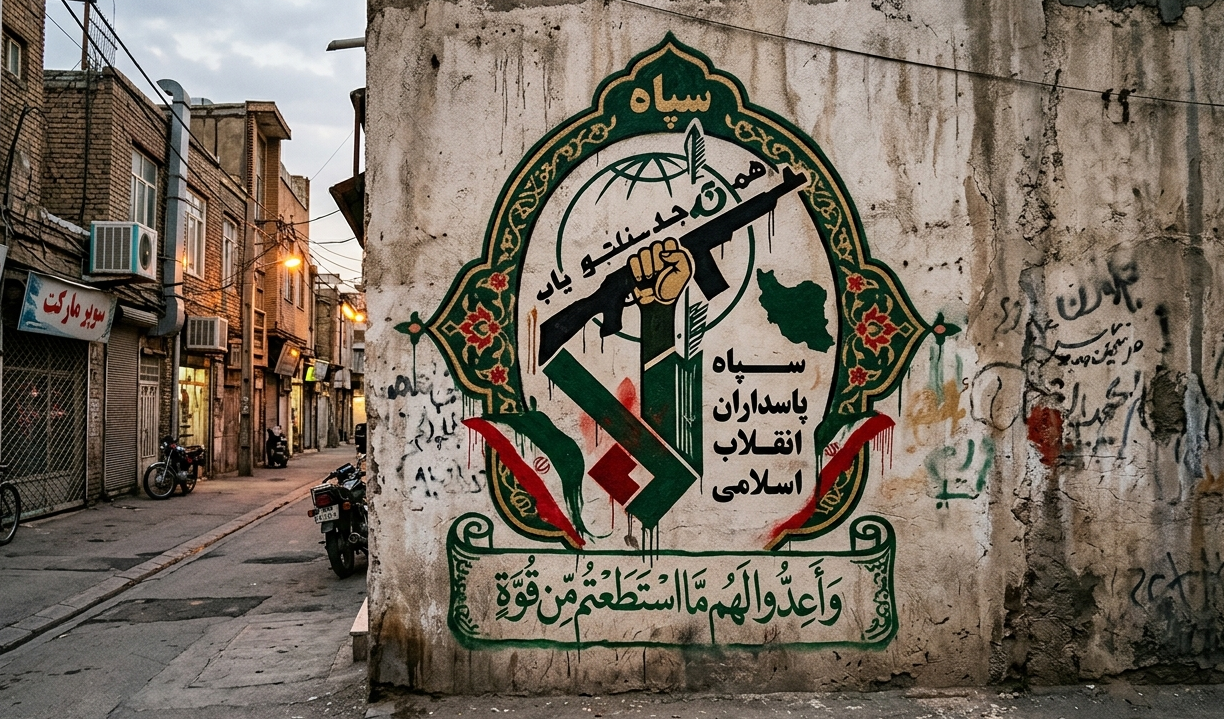
Despite ongoing diplomatic efforts, the broader conflict continues to escalate, adding urgency to US Iran negotiations. Military activity has intensified across the region, with both sides demonstrating their capabilities and signaling readiness for further action if necessary.
The humanitarian impact has also grown, with rising casualties and widespread displacement reported in affected areas. At the same time, global oil prices have surged, reflecting concerns about prolonged instability in the Strait of Hormuz and its implications for international trade.
Mediation Efforts Expand Across Region
Regional and global actors have stepped in to support US Iran negotiations, offering mediation and facilitating communication between the two sides. Countries such as Pakistan, Qatar, and Oman are believed to be playing key roles in relaying proposals and exploring possible compromises.
These efforts have helped keep diplomatic channels open, even as public rhetoric remains confrontational. Experts suggest that third party involvement may be essential for advancing US Iran negotiations, particularly given the lack of direct trust between Washington and Tehran.
Economic Impact Drives Urgency
The economic consequences of the ongoing crisis have further intensified US Iran negotiations. Disruptions in oil shipments through the Strait of Hormuz have contributed to rising energy prices, affecting economies around the world.
Shipping companies have been forced to reroute vessels, increasing costs and delays in global supply chains. Governments are closely monitoring the situation, aware that prolonged instability could have lasting effects on economic growth and energy security. These pressures have added urgency to US Iran negotiations and increased the stakes for all parties involved.
Uncertain Future for Peace
Despite ongoing discussions, the outcome of US Iran negotiations remains highly uncertain. Officials caution that while progress is possible, there is no guarantee that a ceasefire agreement will be reached in the near future.
Deep rooted mistrust, ongoing military activity, and complex political considerations continue to pose significant challenges. While some observers remain hopeful that diplomacy can prevail, others warn that failure to reach an agreement could lead to further escalation.
For now, the world watches closely as US Iran negotiations continue, with the potential to shape not only the future of the conflict but also the stability of global energy markets.