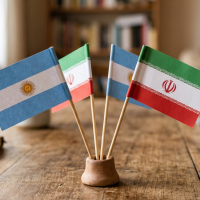

Washington, April 2, 2026, Brussels Morning Newspaper — US war motives have become a focal point of global political discussion in Washington. The issue has intensified following strong international statements urging citizens to question government decisions tied to military strategy and foreign intervention. As geopolitical tensions continue to evolve, the growing scrutiny of US war motives is shaping public discourse and influencing how global audiences interpret policy actions.
The renewed attention to US war motives comes at a time when information flows faster than ever before. Citizens across the world are no longer passive observers but active participants in discussions about international relations. This shift has transformed how foreign policy decisions are evaluated and understood.
A Global Conversation Reaches Washington
The debate over US war motives is no longer limited to diplomatic circles or academic institutions. It has entered mainstream discussion, reaching citizens, media outlets, and policymakers alike. Washington has become a central stage where these conversations are unfolding, reflecting the broader significance of the issue.
As leaders and analysts weigh in, the focus remains on transparency and accountability. The ability of citizens to access information and engage in dialogue has amplified the importance of public opinion in shaping policy outcomes.
The Message Driving Public Awareness
The growing attention surrounding US war motives is largely driven by calls for increased awareness. Leaders who have addressed this issue emphasize that informed citizens are essential for maintaining a balanced and accountable political system.
By encouraging people to examine policies more closely, these voices are fostering a culture of critical thinking. This shift highlights the importance of questioning narratives and understanding the broader implications of government actions.
One policy analyst stated,
“The conversation about US war motives reflects a turning point where public awareness is becoming just as important as political strategy.”
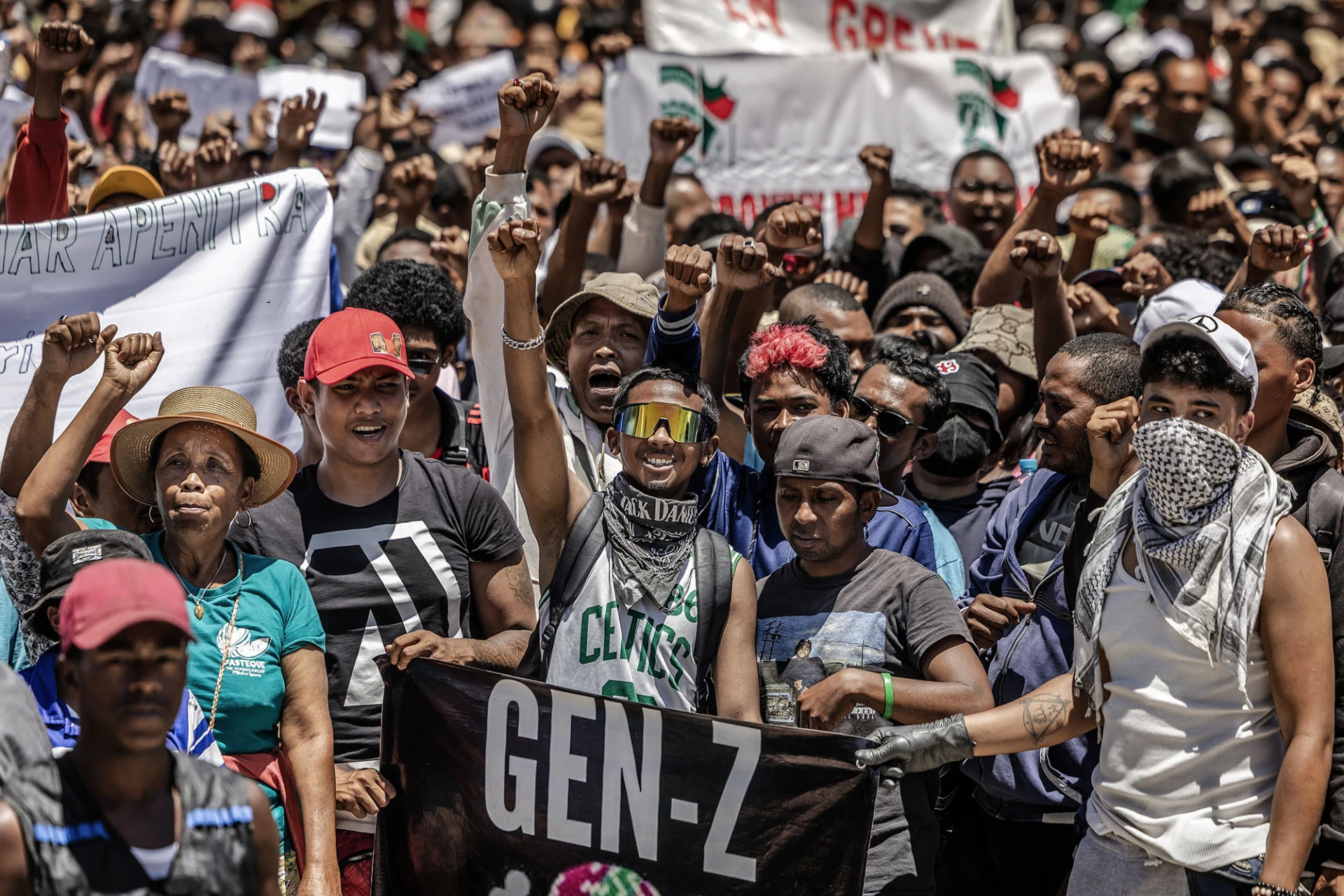
Transparency and Accountability in Modern Politics
Transparency has emerged as a central theme in discussions about US war motives. Citizens are increasingly demanding clear explanations for decisions that affect global stability and security.
Accountability is closely tied to transparency, as governments are expected to justify their actions in a way that resonates with public expectations. This growing demand is reshaping how policies are communicated and implemented.
Media Influence and the Information Landscape
The role of media in shaping perceptions of US war motives cannot be overstated. News organizations, independent journalists, and digital platforms all contribute to the narrative surrounding foreign policy decisions.
As coverage expands, the diversity of perspectives allows for a more nuanced understanding of complex issues. However, it also underscores the need for responsible journalism to ensure accuracy and balance.
Economic and Strategic Considerations Behind Policy
Discussions about US war motives often intersect with economic and strategic interests. Defense budgets, resource management, and geopolitical positioning all play a role in shaping policy decisions.
Understanding these factors provides deeper insight into the reasoning behind certain actions. It also highlights the interconnected nature of global politics and economics.
Historical Context of US War Motives
Examining the history of US war motives offers valuable insights into current debates. Over time, various conflicts have been analyzed through different perspectives, including national security, economic interests, and ideological goals.
Historical patterns show that public perception can shift dramatically as new information emerges. This underscores the importance of transparency and informed discussion in shaping future decisions.
Public Engagement in the Digital Age
The digital era has transformed how people engage with discussions about US war motives. Social media platforms and online news outlets provide instant access to information, enabling real-time conversations.
This increased connectivity has empowered individuals to participate in debates and share their perspectives. As a result, public engagement has become a driving force in shaping political narratives.
Global Reactions and Diplomatic Implications
The international response to discussions about US war motives has been significant. Countries around the world are closely monitoring how these debates unfold, as they may influence diplomatic relationships and strategic decisions.
Allies and adversaries alike are considering the implications of shifting public opinion. This dynamic highlights the global impact of domestic discussions.
The Role of Public Pressure in Policy Change
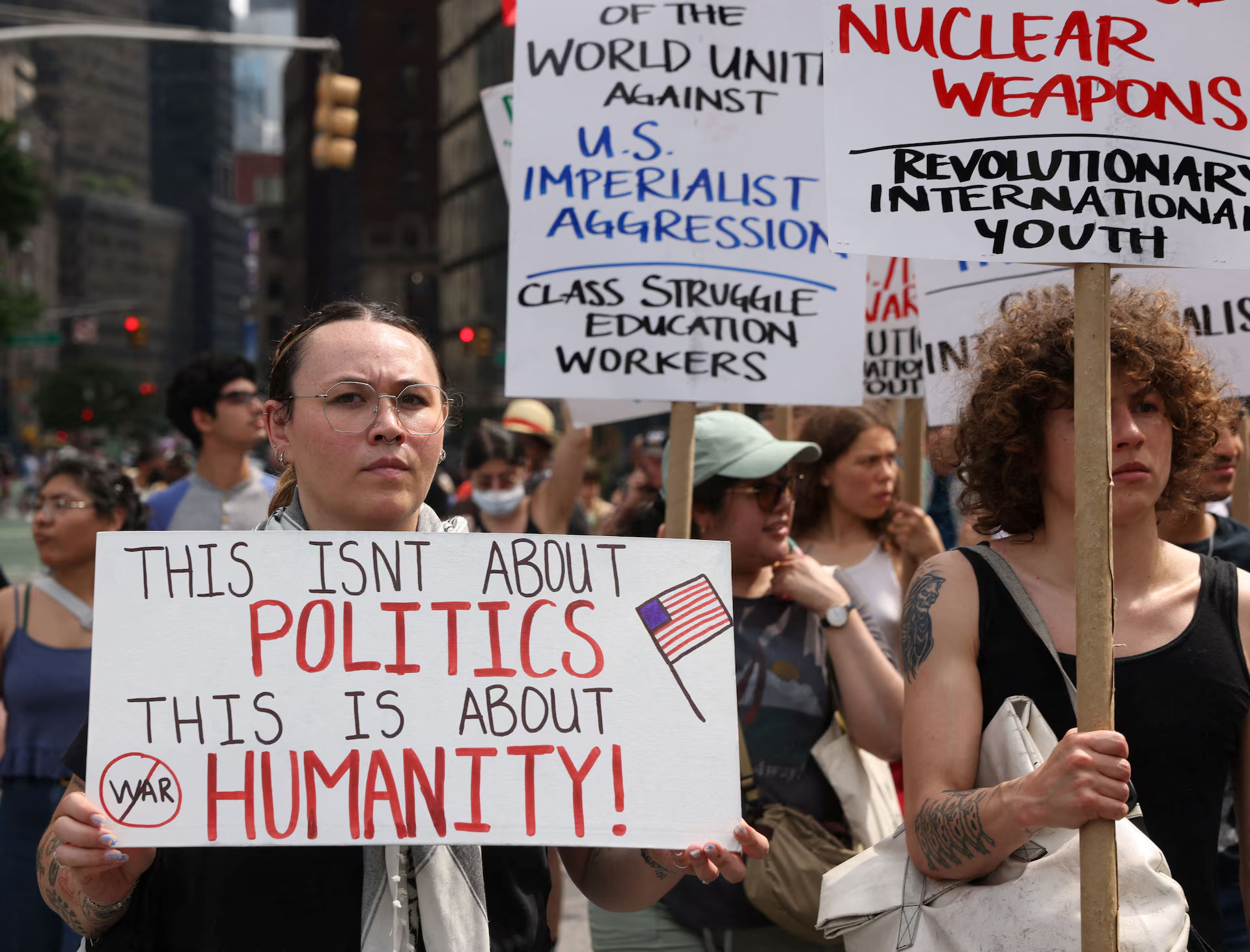
Public pressure has historically played a key role in influencing government decisions. As awareness of US war motives grows, it may lead to increased demands for accountability and transparency.
This pressure can shape policy outcomes, encouraging governments to adopt more open and inclusive approaches to decision-making.
An international affairs expert noted,
“When citizens begin to question US war motives, it creates momentum that can reshape both domestic and global policies.”
Technology and the Future of Transparency
Advancements in technology are enhancing transparency in discussions about US war motives. Data analysis, real-time reporting, and digital communication tools are making it easier for people to access information.
While these developments offer significant benefits, they also present challenges related to misinformation and data reliability. Balancing these factors is essential for maintaining informed discourse.
Shifting Narratives in Global Politics
The narrative surrounding US war motives is evolving as new perspectives emerge. This shift reflects a broader transformation in how international issues are discussed and understood.
As narratives change, they influence public opinion and policy decisions. This ongoing evolution highlights the dynamic nature of global politics.
Looking Ahead at Future Developments
The debate over US war motives is expected to remain a central topic in global discussions. As new developments unfold, the importance of transparency, accountability, and public engagement will continue to grow.
Observers believe that these discussions could have lasting implications for both domestic and international policies.
When Public Awareness Becomes Global Influence
The growing focus on US war motives represents a pivotal moment in modern political discourse. It highlights the increasing role of citizens in shaping narratives and influencing decisions.
As awareness continues to expand, the balance of power may shift toward greater accountability and transparency. This evolution reflects a world where informed engagement is a key driver of change.