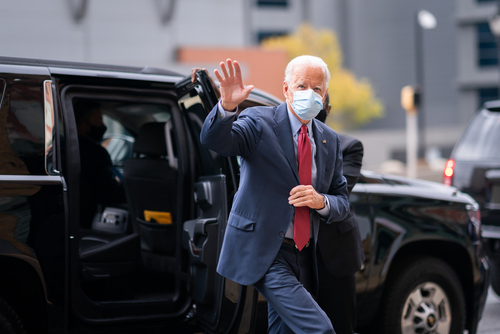
Washington, March 25, 2026, (Brussels Morning Newspaper) US war crisis is intensifying after a top counterterrorism official resigned in protest over escalating military actions involving Iran, as global shipping routes face unprecedented disruption with nearly 2,000 vessels and 20,000 seafarers stranded in the Strait of Hormuz.
- Resignation Signals Internal Conflict
- Strait of Hormuz Crisis Intensifies
- Global Markets React with Caution
- Strategic Concerns Over Escalation
- Diplomatic Efforts Show Limited Progress
- Impact on Global Trade and Energy Security
- Human Cost of the Crisis
- Political Fallout in Washington
- What Comes Next?
- A Crisis with Global Consequences
The resignation has sent shockwaves through political and security circles, raising serious questions about internal disagreements within the U.S. government. At the same time, the maritime crisis unfolding in one of the world’s most critical energy corridors is adding pressure to an already fragile geopolitical landscape.
Resignation Signals Internal Conflict
The sudden departure of a senior counterterrorism official highlights growing divisions over the direction of U.S. military strategy in the Middle East. According to insiders, the official stepped down after voicing strong objections to what they described as an “uncontrolled escalation” of conflict involving Iran.
The decision reflects deeper concerns among policymakers about the long-term consequences of military engagement. While public statements remain measured, behind closed doors, tensions appear to be rising rapidly.
A senior analyst familiar with the situation stated:
“This is not just a resignation—it’s a warning sign that policy disagreements have reached a breaking point.”
The US war crisis is no longer just about external threats—it is now exposing internal fractures within the national security framework.
Strait of Hormuz Crisis Intensifies
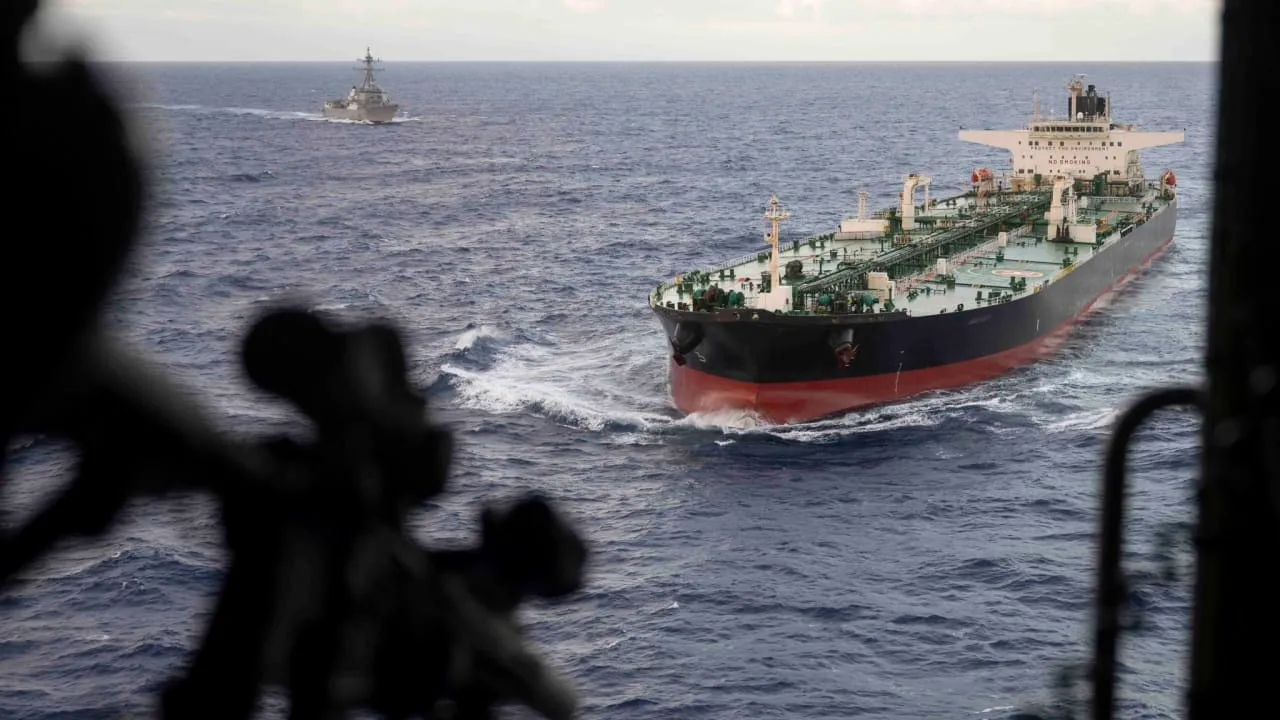
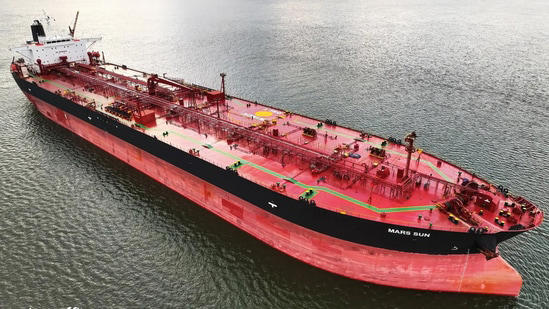
Adding to the urgency, the Strait of Hormuz—one of the world’s most vital oil transit chokepoints—has become a focal point of disruption. The International Maritime Organization (IMO) chief confirmed that approximately 2,000 vessels and 20,000 seafarers are currently stranded due to heightened tensions and security risks.
This bottleneck is creating ripple effects across global trade and energy markets. Oil shipments have slowed significantly, and shipping companies are rerouting vessels or halting operations altogether.
The IMO chief warned:
“We are witnessing an unprecedented maritime standstill that could trigger broader economic consequences if not resolved quickly.”
This maritime disruption is directly tied to the US war crisis, as escalating tensions have made navigation through the region increasingly dangerous.
Global Markets React with Caution
Financial markets have responded with a mix of resilience and anxiety. While some sectors remain stable, energy prices have shown volatility due to uncertainty surrounding supply chains.
Investors are closely monitoring developments, particularly as the Strait of Hormuz accounts for a significant portion of the world’s oil transport. Any prolonged disruption could lead to inflationary pressures and economic instability.
Despite temporary market gains, analysts warn that the underlying risks remain high. The US war crisis continues to cast a shadow over global economic confidence.
Strategic Concerns Over Escalation
Military experts are increasingly questioning the strategic direction of U.S. involvement in the region. The resignation of a high-ranking official has amplified concerns that current policies may lack a clear long-term objective.
Critics argue that escalating tensions with Iran could lead to unintended consequences, including broader regional conflict. Supporters, however, maintain that strong action is necessary to counter perceived threats.
This divide underscores the complexity of the US war crisis, where security priorities, diplomatic considerations, and economic impacts are all deeply intertwined.
Diplomatic Efforts Show Limited Progress
Diplomatic channels remain active, but progress appears limited. Several international allies have called for restraint and renewed negotiations, emphasizing the importance of de-escalation.
However, the situation on the ground suggests that tensions are far from easing. Both the U.S. and Iran have signaled readiness to respond to further developments, keeping the region on edge.
The US war crisis is evolving rapidly, with each new development adding layers of complexity to an already volatile situation.
Impact on Global Trade and Energy Security
The disruption in the Strait of Hormuz is not just a regional issue—it has global implications. As one of the most critical energy corridors, any instability in the region affects oil prices, shipping costs, and supply chains worldwide.
Industries dependent on steady energy supplies are beginning to feel the pressure. Shipping delays, increased insurance costs, and rerouting expenses are contributing to rising operational challenges.
The US war crisis is now directly influencing global trade dynamics, highlighting the interconnected nature of modern economies.
Human Cost of the Crisis
Beyond economic and political implications, the human impact of the crisis is becoming increasingly evident. Thousands of seafarers remain stranded, facing uncertainty and potential danger.
Families of those affected are calling for urgent action, while international organizations are working to ensure safety and support for those caught in the
This aspect of the US war crisis underscores the real-world consequences of geopolitical decisions, reminding policymakers of the human stakes involved.
Political Fallout in Washington
The resignation is likely to have significant political repercussions in Washington. Lawmakers are already demanding greater transparency and accountability regarding the administration’s strategy.
Some are calling for congressional hearings to examine the circumstances surrounding the resignation and the broader policy direction.
The US war crisis is quickly becoming a central issue in domestic political debates, with implications for future policy decisions and leadership credibility.
What Comes Next?
As the situation continues to unfold, several key questions remain unanswered:
- Will diplomatic efforts succeed in reducing tensions?
- How long will the Strait of Hormuz remain disrupted?
- What further internal changes might occur within U.S. leadership?
The answers to these questions will shape the trajectory of the US war crisis in the coming weeks and months.
A Crisis with Global Consequences
The resignation of a top counterterrorism official has exposed deep divisions within the U.S. government at a critical moment. Combined with the escalating crisis in the Strait of Hormuz, the situation presents a complex challenge with far-reaching implications.
From disrupted global trade to rising geopolitical tensions, the US war crisis is no longer confined to a single region—it is a global issue affecting economies, governments, and individuals alike.
As uncertainty continues to grow, the need for clear strategy and effective diplomacy has never been more urgent.