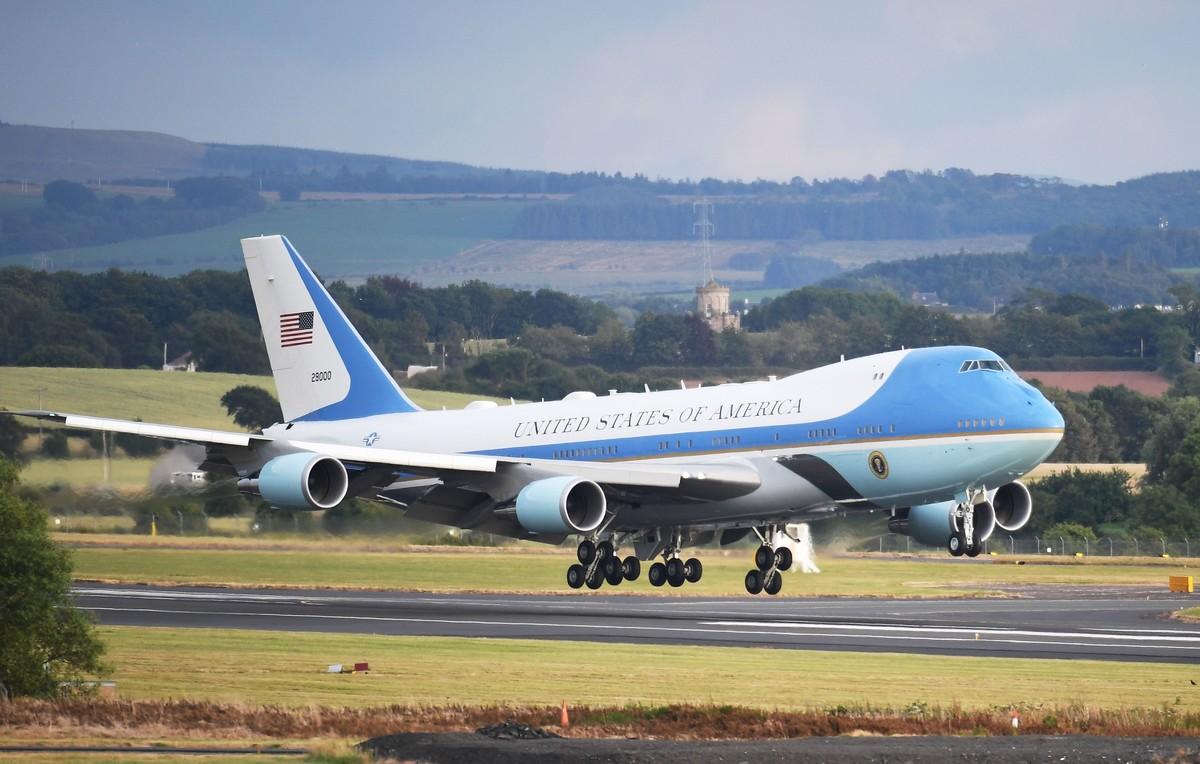
Washington, D.C., July 19 Brussels Morning Newspaper — Boeing defense contracts remain under close scrutiny after the company confirmed that the next-generation Air Force One aircraft is still expected to be delivered in 2028 despite rising program costs. The VC-25B project, which will replace the current presidential aircraft fleet, has experienced years of delays due to engineering challenges, supply chain disruptions and workforce shortages. Boeing says production continues to move forward under the revised schedule while the company absorbs additional costs under its fixed-price agreement with the U.S. government.
Air Force One Program Remains on Schedule
Boeing officials recently reaffirmed that the first VC-25B aircraft is expected to be delivered in 2028. The program remains one of the company’s most important defense projects, requiring extensive modifications to Boeing 747-8 aircraft, including advanced communications, security systems and presidential mission equipment.
The revised timeline follows several years of development delays that pushed delivery beyond the original target date.
Boeing Defense Contracts Continue to Face Cost Pressure
The Air Force One replacement program has become one of the most expensive Boeing defense contracts because of its technical complexity. Boeing has recorded billions of dollars in charges while continuing work on the aircraft. Under the fixed-price contract, much of the additional financial burden has been absorbed by the company rather than the U.S. government.
Industry analysts say inflation, supply chain issues and specialized engineering requirements have all contributed to higher production costs.
Government and Aerospace Industry Watch Progress
The existing Air Force One aircraft, which entered service in 1990, will remain operational until the new fleet is ready. The U.S. Air Force continues to monitor production milestones, testing and certification as Boeing advances toward its revised delivery schedule.
The program is widely viewed as an important benchmark for Boeing’s performance on major government aviation projects and will remain closely watched by defense officials and investors over the next two years.
Although costs continue to rise, Boeing maintains that the Air Force One replacement program remains on track for 2028 delivery. Successful completion of the project would mark a significant milestone for both the company and the U.S. Air Force after years of technical and production challenges.