Volodymyr Zelensky’s decision to dismiss Ukraine’s commander-in-chief on 21 July quickly became more than a military reshuffle. Outside government buildings, demonstrators had already made clear who they wanted to take over. Within days, General Oleksandr Syrskyi was replaced by 43-year-old General Mykhailo Drapatyi, the officer many protesters viewed as the right choice to lead Ukraine’s armed forces. The shake-up continued with the dismissal of the chief of the general staff the following day. Just days earlier, Zelensky had also removed Defence Minister Mykhailo Fedorov, only to later offer him another senior position within the government, highlighting the rapid changes at the top of Ukraine’s leadership.
While many in Washington initially viewed the developments as a story about military command, the deeper issue extends far beyond personnel changes. The central challenge facing Ukraine is financial rather than organisational. Decisions that will shape the country’s ability to continue the war are increasingly being made outside Kyiv, as Ukraine’s military effort depends heavily on sustained international funding and military assistance.
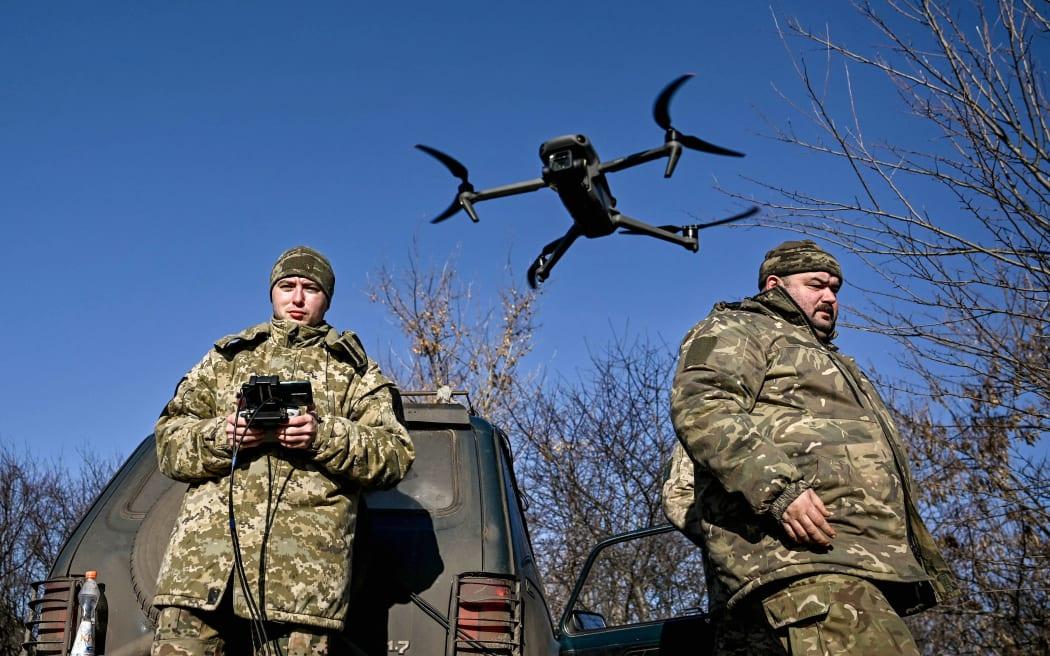
Despite the political turmoil, Ukraine has recorded several notable successes on the battlefield. Research by the Center for Strategic and International Studies (CSIS) found that Russian advances near Kostiantynivka have slowed dramatically, averaging around 50 metres per day, making it one of the slowest major offensives in modern warfare. The same analysis estimates that Russia has suffered around 1.4 million casualties since launching its full-scale invasion in February 2022. Russia also experienced a net territorial setback during April and May for the first time since August 2024. Meanwhile, according to Ukraine’s General Staff, sustained drone strikes have temporarily disabled nearly 43% of Russia’s oil refining capacity, contributing to fuel shortages, gasoline rationing across dozens of Russian regions, and logistical difficulties for Russian troops.
Even with these achievements, the battlefield has remained largely unchanged. Modern wars of attrition are determined not only by military victories but also by each side’s ability to sustain economic resources, public support and international backing over time. Valerii Zaluzhnyi, Ukraine’s ambassador to the United Kingdom and the country’s former commander-in-chief, recently warned that assuming Russia is close to defeat would be a serious strategic mistake. In his assessment, the decisive factor is not whether Russia can overpower Ukraine militarily, but whether Ukraine and its allies can maintain the economic and political commitment required for a prolonged conflict. From Moscow’s perspective, President Vladimir Putin does not necessarily need to defeat Ukraine outright; he only needs Western support to weaken gradually.
Signs of that slowdown are becoming increasingly visible, particularly in the United States. Washington’s role has shifted from directly financing Ukraine’s defence to facilitating arms purchases through the PURL programme, under which allied countries purchase American-made weapons for Ukraine while the United States contributes little direct funding. The programme has proved operationally effective, reportedly supplying more than 90% of the Patriot missile interceptors used by Ukraine and raising approximately $6.7 billion from 29 participating countries during its first year. However, contributions have fallen short of intended targets. Independent assessments estimate that partner nations provided between $700 million and $1 billion during the first four months of the year, below the goal of maintaining monthly contributions of $1 billion, with a relatively small group of countries carrying much of the financial burden.
Political divisions in the United States also complicate prospects for additional funding. Public opinion surveys continue to show a significant partisan divide over support for Ukraine, making new large-scale aid packages increasingly difficult to secure through Congress. As a result, Washington’s role has increasingly evolved from that of a principal donor to a supplier whose defence industry continues to benefit regardless of developments on the battlefield.
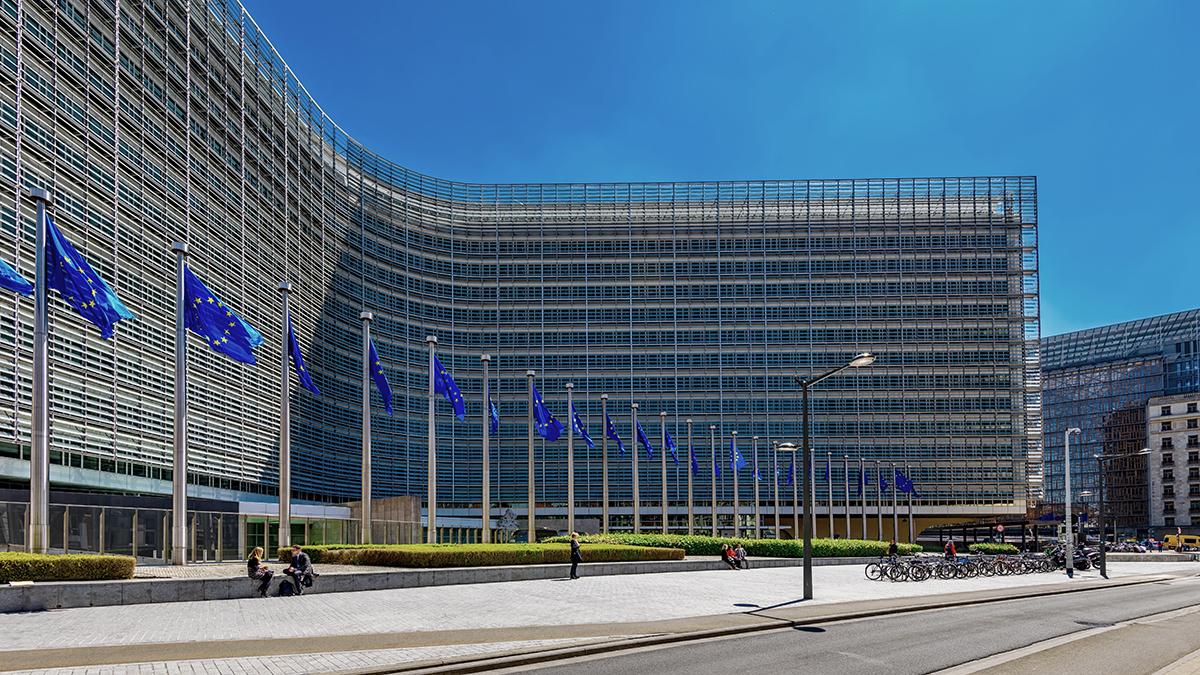
European governments were expected to offset any reduction in American financial support, and several major commitments have been announced. Hungary lifted its veto on the €90 billion Ukraine Support Loan in April, allowing the European Union to finalise the package. NATO members later pledged €70 billion for 2026 and indicated similar levels of support for 2027 during their meeting in Ankara. However, the pace of actual funding has lagged behind the political announcements. Only a small portion of the approved €90 billion has reached Ukraine, while European Commission projections indicate Ukraine still faces a substantial defence funding gap in both 2026 and 2027. Much of the NATO commitment also reflects previously announced bilateral assistance and existing EU financial mechanisms rather than entirely new funding.
Germany illustrates the growing political complexity surrounding continued support. German prosecutors have filed charges against a former Ukrainian military officer over the 2022 Nord Stream pipeline sabotage, alleging he acted on behalf of Ukrainian state institutions. The accused denies the allegations, while Kyiv maintains it has not received sufficient evidence to respond. Although Germany remains one of Ukraine’s most important providers of air defence systems, the legal proceedings could increase domestic political pressure surrounding future financial and military assistance.
Russia’s military campaign continues to perform poorly by many conventional military measures, yet the Kremlin appears to be succeeding in the area President Vladimir Putin considers most important: time. Whether General Mykhailo Drapatyi proves to be a more effective battlefield commander than Oleksandr Syrskyi may ultimately matter less than whether Ukraine’s international partners maintain the financial commitments needed to sustain the war. Those decisions will largely be determined during upcoming national budget negotiations in Berlin, Paris and Rome rather than in Kyiv or Washington. The broader strategic reality is that Western governments have announced significant commitments, but pledges alone do not finance a war. As long as promised funds continue to arrive more slowly than Ukraine’s military needs grow, Moscow can continue betting that time remains on its side.