Washington DC, 2026 — Reporting highlighted by Brussels Morning Newspaper indicates that Venezuela oil negotiations have moved from quiet diplomatic exploration to a central issue in Washington’s energy and foreign policy debate. As global oil markets remain under strain and geopolitical uncertainties persist, discussions involving Venezuela’s vast energy resources are drawing renewed attention from policymakers, industry leaders, and international observers.
The renewed focus reflects a broader recalibration of priorities. Energy security, once treated as a largely domestic issue, is again shaping diplomatic strategy as governments reassess supply chains and long-term resilience.
Why Venezuela’s Oil Matters Globally
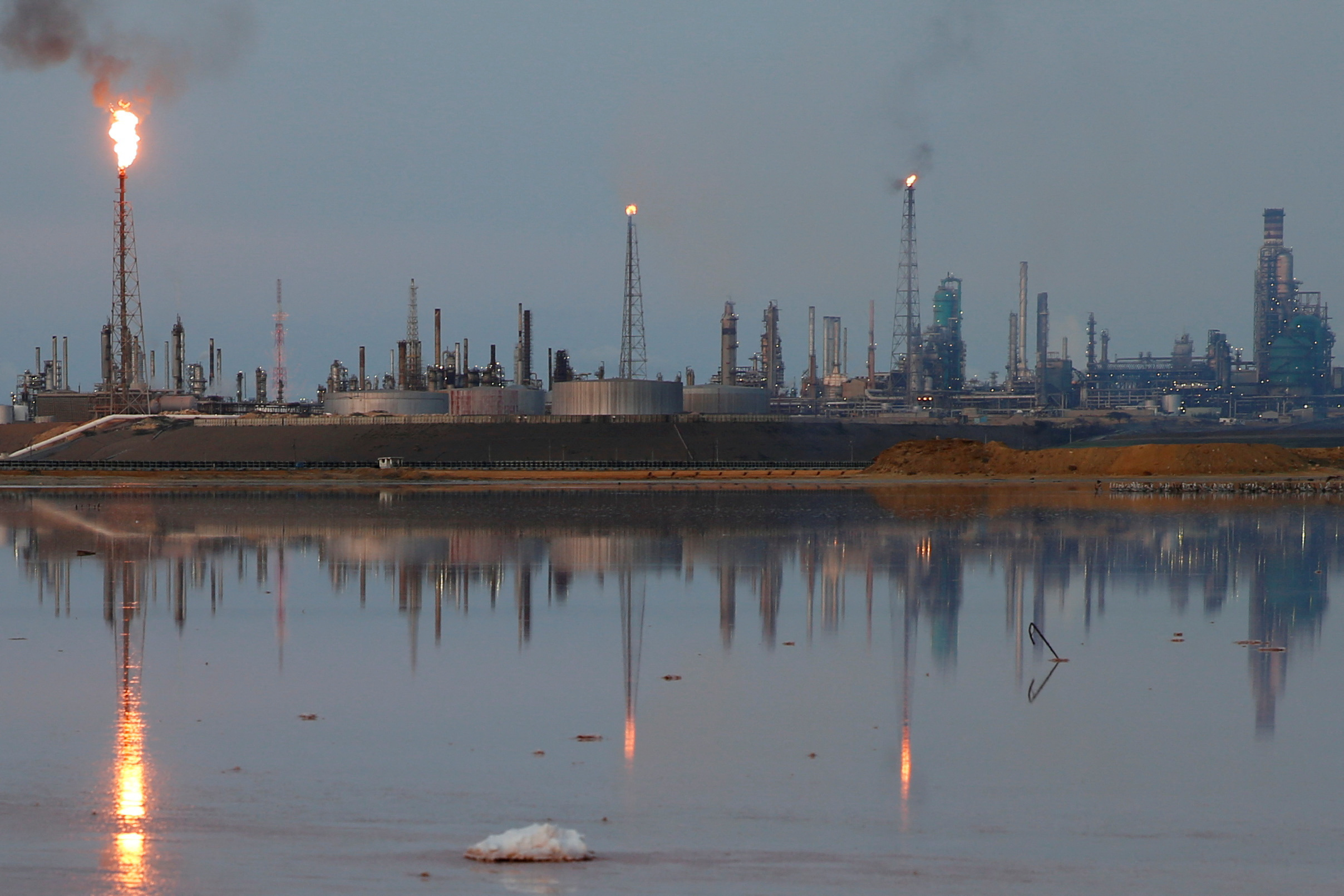
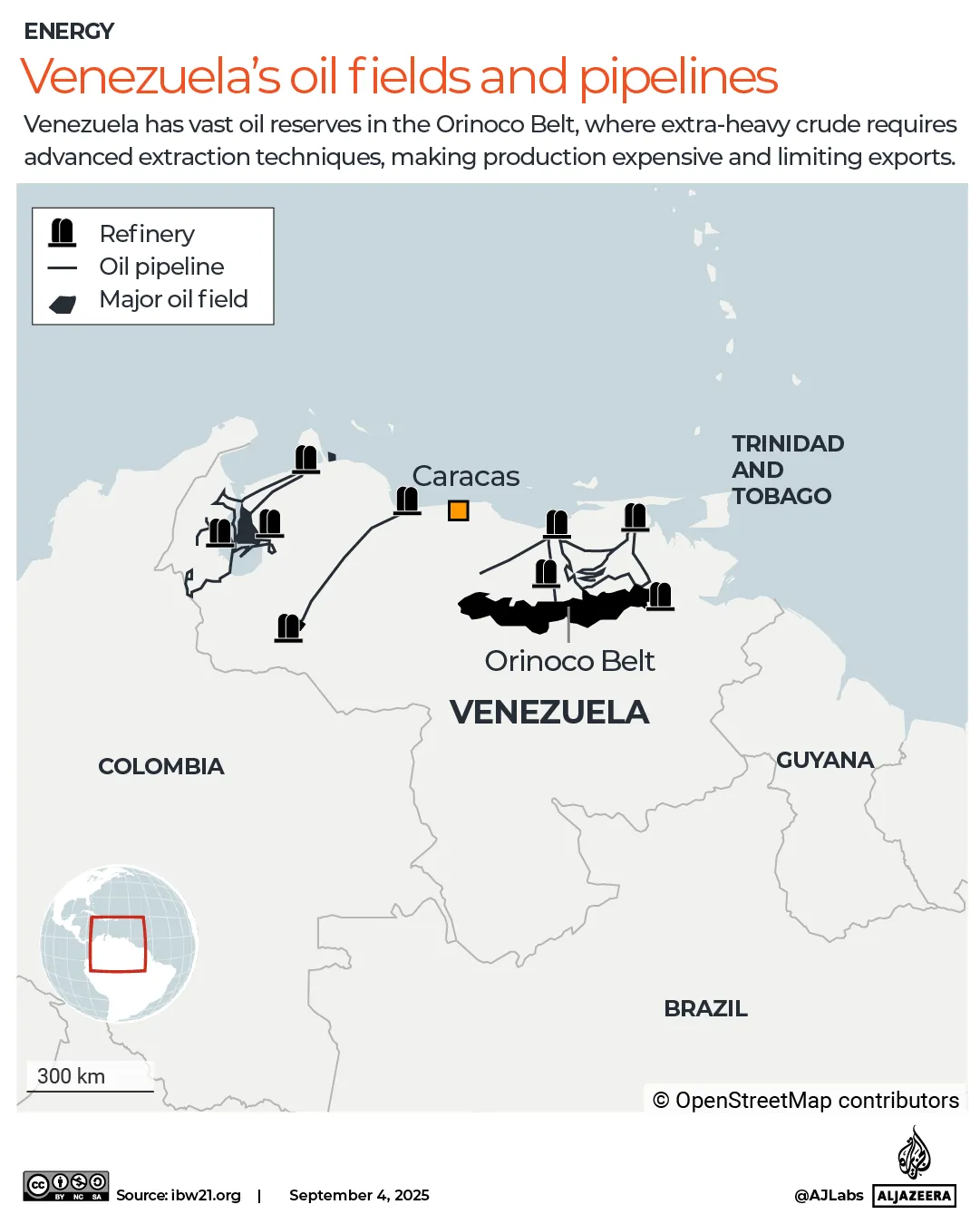
Venezuela holds some of the world’s largest proven oil reserves, yet its production capacity has fallen dramatically over the past decade. Years of underinvestment, infrastructure deterioration, and economic sanctions have left much of that potential untapped.
Against this backdrop, Venezuela oil negotiations are increasingly viewed through a global lens. Any shift in Venezuela’s output could influence supply balances, price stability, and energy planning far beyond the Western Hemisphere.
A Changing Energy Landscape in 2026
The energy environment of 2026 differs sharply from that of previous years. Demand has rebounded unevenly across regions, while conflicts and trade disruptions continue to affect production and transport.
In this context, Venezuela oil negotiations are no longer a theoretical discussion. They are part of a broader reassessment of how energy diplomacy can mitigate risk in an increasingly volatile global system.
Sanctions Policy and Legal Constraints
One of the most complex elements shaping discussions is sanctions policy. Existing restrictions limit direct engagement with Venezuela’s state-run oil sector, requiring careful legal interpretation and compliance planning.
Officials involved in Venezuela oil negotiations stress that any progress must align with domestic law and international commitments. This legal framework has slowed movement, but it has also clarified the conditions under which engagement might occur.
The Role of the United States
For Washington, energy policy intersects with broader strategic goals. Officials have repeatedly emphasized that engagement with Venezuela must balance economic interests with political principles.
As Venezuela oil negotiations gain visibility, the United States faces pressure to explain how energy considerations fit within its long-standing approach to sanctions and democratic accountability.

Industry Interest and Technical Realities
American and international energy firms possess the technical expertise needed to rehabilitate aging infrastructure and restore output. However, industry leaders caution that recovery would require significant investment and time.
From an industry perspective, Venezuela oil negotiations are less about short-term gains and more about long-term positioning should conditions eventually permit expanded operations.
Market Response and Investor Caution
Financial markets have reacted cautiously to reports of renewed dialogue. Analysts note that while discussions may signal future opportunity, concrete outcomes remain uncertain.
For investors, Venezuela oil negotiations represent potential upside tempered by political risk, regulatory complexity, and the practical challenges of restarting large-scale production.
Regional Implications for Latin America
Any shift in Venezuela’s oil output would ripple across Latin America. Neighboring countries monitor developments closely, aware that changes could affect regional trade flows and diplomatic alignments.
Within this regional context, Venezuela oil negotiations are seen not only as bilateral discussions but as part of a broader recalibration of energy relations in the Americas.
Diplomatic Signals Beyond Energy
Energy discussions often carry symbolic weight. Engagement on oil can open channels for dialogue on migration, security, and humanitarian issues without formal normalization of relations.
Observers note that Venezuela oil negotiations may serve as a limited confidence-building mechanism in an otherwise strained diplomatic relationship.
Domestic Political Debate in Washington
The prospect of engagement has sparked debate across the political spectrum. Supporters argue that pragmatic energy policy strengthens national interests, while critics warn against diluting pressure mechanisms.
This tension underscores why Venezuela oil negotiations remain politically sensitive, reflecting broader divisions over how foreign policy should adapt to economic realities.
Congressional Oversight and Transparency
Lawmakers have signaled that any movement toward engagement will face scrutiny. Congressional oversight is expected to shape the pace and scope of discussions.
As Venezuela oil negotiations evolve, transparency is likely to become a defining issue, with calls for clear explanations of objectives and safeguards.
Humanitarian and Economic Considerations
Beyond markets and politics, Venezuela’s economic collapse has had profound humanitarian consequences. Proponents of engagement argue that increased oil revenue could alleviate suffering if managed responsibly.
Critics counter that without institutional reform, Venezuela oil negotiations risk reinforcing existing power structures rather than delivering broad-based relief.
The International Energy Transition Factor
The global shift toward renewable energy adds another layer of complexity. Long-term demand for fossil fuels remains uncertain, influencing how governments and companies evaluate investment decisions.
In this transitionary period, Venezuela oil negotiations highlight the tension between immediate energy needs and long-term climate commitments.
One Quote Capturing the Moment
“These discussions reflect a recognition that energy security and foreign policy are increasingly inseparable in today’s global environment,” said a senior energy policy analyst familiar with the talks.
Strategic Patience and Incremental Progress
Most experts agree that rapid breakthroughs are unlikely. Technical assessments, legal reviews, and diplomatic coordination take time.
As a result, Venezuela oil negotiations are widely viewed as a gradual process rather than a dramatic policy reversal.
Global Reactions and Strategic Messaging
International partners are watching closely for signals about Washington’s intentions. Allies seek reassurance that any engagement will be coordinated, while rivals analyze potential shifts in influence.
In this environment, Venezuela oil negotiations function as both practical discussions and strategic messaging to the global community.
Risks of Overestimating Short-Term Impact
Even if agreements were reached, restoring production would not happen overnight. Infrastructure challenges and workforce shortages remain significant obstacles.
This reality tempers expectations around Venezuela oil negotiations, reminding observers that energy systems change slowly.
Long-Term Outlook for Venezuela’s Energy Sector
The future of Venezuela’s oil industry depends on more than external engagement. Governance, investment climate, and institutional capacity will ultimately determine recovery.
Within this broader framework, Venezuela oil negotiations are only one piece of a complex puzzle.
Energy Diplomacy in a Multipolar World
The renewed focus on Venezuela reflects a broader trend toward pragmatic energy diplomacy in a multipolar world. Governments increasingly prioritize flexibility over rigid doctrine.
Seen this way, Venezuela oil negotiations illustrate how economic realities can reshape diplomatic practice without fully redefining political relationships.
A Delicate Balance of Interests
Balancing energy security, political values, and international credibility remains a challenge. Each step forward carries potential trade-offs.
As discussions continue, Venezuela oil negotiations will test Washington’s ability to navigate competing priorities in an era of global uncertainty.
When Energy Policy Becomes Foreign Policy
The growing prominence of energy issues underscores how interconnected modern policy has become. Decisions about oil reverberate across diplomacy, economics, and security.
In this sense, Venezuela oil negotiations represent more than sector-specific talks; they are a window into how nations adapt strategy under pressure.
Beyond Barrels Toward Broader Strategy
Ultimately, the significance of current discussions lies not only in potential barrels of oil, but in the strategic lessons they reveal.
As 2026 unfolds, Venezuela oil negotiations may come to symbolize a cautious shift toward realism in global energy and foreign policy planning.
A Defining Energy Question of the Year
Whether these talks lead to tangible outcomes remains uncertain. What is clear is that they have become a defining issue in energy diplomacy.
The trajectory of Venezuela oil negotiations will shape expectations about how governments respond when economic necessity and political principle collide.
When Energy Choices Shape the Future
Energy decisions made today will influence markets, alliances, and stability for years to come. The stakes extend well beyond immediate supply concerns.
As policymakers weigh their options, Venezuela oil negotiations stand as a reminder that energy choices are ultimately choices about the future direction of global engagement.