Miami, Florida, 2026 — Reporting highlighted by Brussels Morning Newspaper shows how the Venezuela crisis abroad has evolved from an emergency migration story into a lasting global reality. For millions of Venezuelans living outside their homeland, displacement is no longer temporary. It has become a defining condition that shapes identity, family structure, and long-term planning across continents.
From North America to Europe and across Latin America, Venezuelans are building lives far from home, often while supporting relatives who remain behind. What was once framed as a short-term escape has transformed into a permanent demographic shift with far-reaching consequences.
A Crisis That Crossed Borders
The scale of Venezuelan displacement is unprecedented in the region’s modern history. Economic collapse, political instability, and shortages of basic necessities forced families to leave in waves that stretched over more than a decade.
As the Venezuela crisis abroad intensified, migration routes expanded. What began as regional movement soon reached global proportions, placing Venezuelan communities in cities that had little prior connection to the country.
From Temporary Flight to Permanent Settlement
Many who left initially believed they would return once conditions stabilized. Years later, those expectations have faded. Jobs, education, and family roots have taken hold elsewhere.
The Venezuela crisis abroad reshaped priorities. Survival gave way to adaptation, and adaptation gradually turned into permanence. For many families, returning now would mean abandoning hard-won stability.
“Nobody Is Going to Run Home”
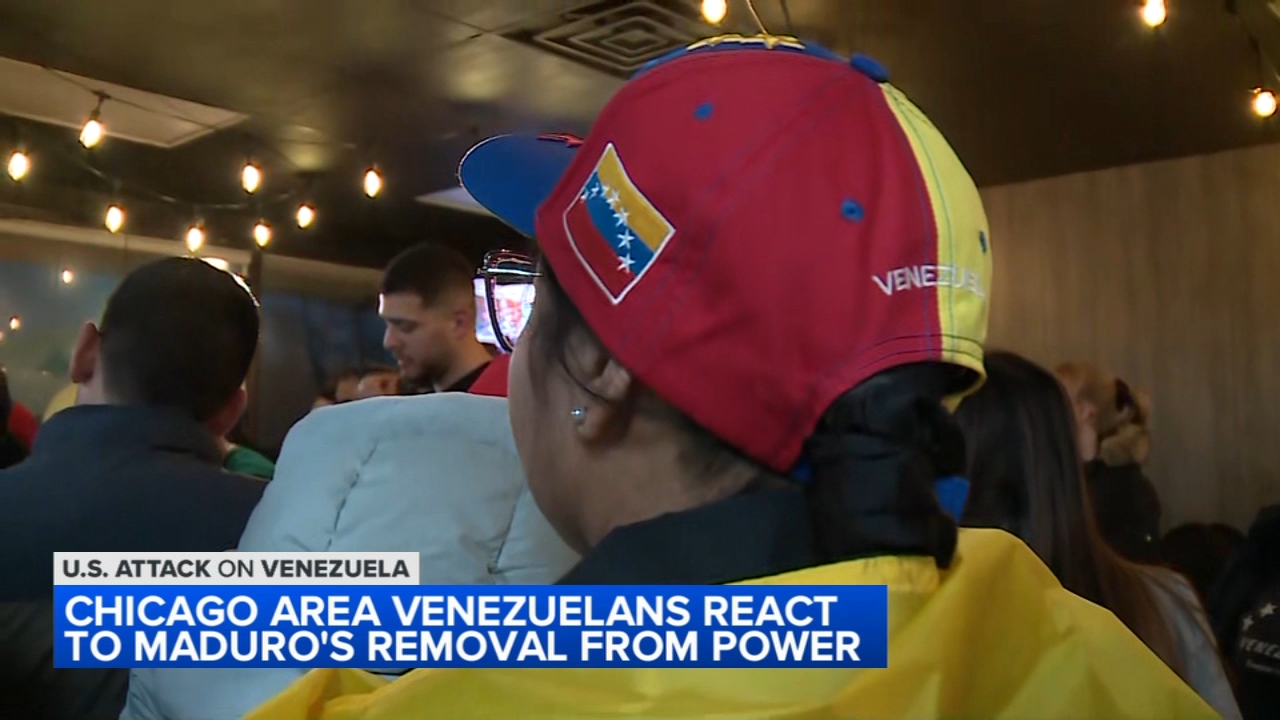
Among Venezuelans overseas, skepticism about return is widespread. While political developments are closely watched, lived experience has tempered optimism.
Those affected by the Venezuela crisis abroad emphasize that improvement must be sustained, not symbolic. Trust, once broken, requires time and consistent evidence to rebuild.
Politics Watched With Caution
Political change remains a central topic of conversation, but enthusiasm is restrained. While global attention often focuses on President Nicolás Maduro, many Venezuelans abroad argue that leadership alone does not define daily reality.
Within the Venezuela crisis abroad, institutions matter more than personalities. Courts, economic policy, and public services must function reliably before return becomes feasible.
Economic Reality Still Drives Decisions
Economic conditions remain one of the strongest barriers to return. Even modest recovery has not translated into widespread opportunity.
Those shaped by the Venezuela crisis abroad describe a stark contrast between stability achieved overseas and uncertainty at home. For families supporting relatives through remittances, returning would jeopardize not only their own security but that of others as well.
Families Separated by Geography
Migration has permanently altered family structures. Parents live apart from children, siblings grow up in different countries, and grandparents age without nearby support.
The Venezuela crisis abroad has normalized long-distance family life, where video calls replace gatherings and reunions depend on visas rather than choice.
Children Growing Up Outside Venezuela
A new generation is being shaped entirely outside the country. Many children born or raised abroad speak Spanish with accents influenced by their host countries and feel little connection to a homeland they barely remember.
For families affected by the Venezuela crisis abroad, this generational shift complicates the idea of return. Parents increasingly accept that their children’s futures may lie elsewhere.
Cultural Identity Preserved in Exile
Despite distance, Venezuelan culture remains vibrant abroad. Food, music, and traditions are preserved through community gatherings and informal networks.
Within the Venezuela crisis abroad, cultural preservation has become both an emotional anchor and a way of maintaining connection to national identity despite physical separation.

The Psychological Cost of Prolonged Uncertainty
Living in exile carries psychological weight. Anxiety, survivor’s guilt, and the feeling of being suspended between worlds are common experiences.
Those living through the Venezuela crisis abroad describe a constant balancing act between gratitude for safety and grief for what was lost.
Host Countries Adjust to Long-Term Presence
Communities receiving Venezuelans have adapted. Schools integrate bilingual students, labor markets absorb skilled workers, and neighborhoods evolve culturally.
The Venezuela crisis abroad has shifted from a humanitarian emergency to a long-term social reality that reshapes host societies in lasting ways.
Remittances as Economic Lifelines
Money sent from abroad sustains millions inside Venezuela. These remittances fund food, healthcare, and education, often replacing state support.
For those impacted by the Venezuela crisis abroad, remittances are both a responsibility and a constraint, tying their futures to continued life overseas.
Civic Engagement From Afar
Exile has not silenced political engagement. Venezuelans abroad organize protests, lobby foreign governments, and support advocacy campaigns.
The Venezuela crisis abroad has created a politically active diaspora that influences international discourse even as direct participation at home remains limited.
Media Narratives Versus Lived Experience
Headlines often suggest turning points or imminent resolution. Those living abroad measure progress through personal networks and daily realities.
For people shaped by the Venezuela crisis abroad, stability is not declared; it is felt over time through consistent improvement.
One Voice Reflects a Shared Reality
“Leaving was not about abandoning our country, it was about choosing dignity when staying meant losing everything,” said a Venezuelan community leader living in the United States.

The Challenge of Return Migration
Migration experts note that return typically follows years of sustained stability, not short-term political shifts.
Within the Venezuela crisis abroad, most Venezuelans see return as conditional rather than inevitable, dependent on deep institutional reform.
The Risk of Lasting Brain Drain
Highly skilled professionals who left have integrated into foreign economies. Doctors, engineers, and educators now contribute elsewhere.
The Venezuela crisis abroad has accelerated a loss of human capital that complicates future recovery efforts.
A Crisis That Redefined Permanence
What was once framed as displacement has become settlement. Entire communities now exist with little expectation of returning.
The Venezuela crisis abroad stands as a reminder that prolonged instability reshapes nations not only internally but globally.
Identity Beyond Geography
For many Venezuelans, home is no longer defined by borders. It exists in relationships, traditions, and shared memory.
Life shaped by the Venezuela crisis abroad has redefined belonging as something portable rather than fixed.
When Hope Becomes Conditional
Hope remains, but it is grounded in realism. Venezuelans abroad continue to watch developments while planning their lives elsewhere.
The Venezuela crisis abroad has taught families that waiting indefinitely is not a strategy.
Beyond Return Toward Continuity
Rather than planning a single journey back, many focus on continuity for their children and families wherever they are.
The Venezuela crisis abroad has shifted aspirations from return to stability, regardless of location.
A Story Still Being Written
The Venezuelan displacement story is ongoing. Political, economic, and social changes will shape what comes next.
As long as uncertainty persists, the Venezuela crisis abroad will continue to influence lives far beyond the country’s borders.
Home Reimagined Without Borders
Home is no longer a destination on a map. It is a condition defined by safety, opportunity, and dignity.
For those shaped by the Venezuela crisis abroad, the future is being built not on return, but on resilience wherever life has taken them.