
Doha, Washington, March 22, 2026 (Brussels Morning Newspaper) US Iran war escalation is rapidly intensifying as a top counterterrorism official resigns in protest, while Qatar shifts its strategy toward defence following a major LNG attack. The developments come amid rising fears that the conflict is expanding beyond isolated strikes into a broader regional crisis affecting energy, security, and global stability.
- Escalation Accelerates Across the Region
- Qatar Shifts Strategy After LNG Attack
- Resignation Signals Internal US Disagreement
- Energy Infrastructure Becomes a Battlefield
- Global Markets React to Rising Risk
- Regional Security Measures Intensify
- Diplomacy Takes a Back Seat
- A Conflict Entering a Dangerous Phase
- Key Quote Reflecting the Crisis
- What Happens Next
Recent attacks on energy infrastructure and growing military threats across the Gulf highlight how quickly the situation is deteriorating.
Escalation Accelerates Across the Region
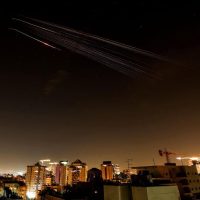
The current phase of the conflict reflects a sharp increase in military activity. The war, which began in late February 2026 with coordinated strikes on Iranian targets, has since expanded into a multi-front confrontation involving airstrikes, drone attacks, and threats to critical infrastructure.
Energy facilities have become central targets, with Iran retaliating against Gulf infrastructure following attacks on its own gas fields.
At the same time, global concerns have intensified as both sides exchange threats targeting power plants and vital energy systems, raising fears of a wider conflict.
Qatar Shifts Strategy After LNG Attack
The impact of the conflict is clearly visible in Qatar, where recent attacks have damaged a significant portion of its LNG production capacity.
Officials confirmed that the strike wiped out a notable share of the country’s export capability, forcing a reassessment of national security priorities.
As a result, the phrase Qatar focuses on defence not diplomacy after Iran’s LNG attack now reflects a broader strategic shift.
A regional analyst explained:
“Qatar’s response signals that economic infrastructure is now directly tied to national security, and diplomacy alone is no longer enough.”
Resignation Signals Internal US Disagreement
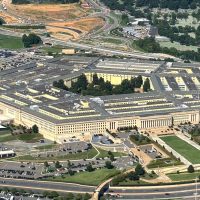
The resignation of a top counterterrorism official has drawn significant attention, as it reflects growing internal tensions within US leadership.
Sources indicate the official stepped down due to concerns over the direction of the US Iran war escalation, particularly the risks associated with targeting infrastructure and expanding military operations.
A former intelligence official noted:
“When senior leaders resign during an active conflict, it usually means the strategic risks are higher than publicly acknowledged.”
Energy Infrastructure Becomes a Battlefield
One of the most alarming aspects of the US Iran war escalation is the targeting of energy infrastructure.
Recent attacks have:
- Damaged LNG facilities in Qatar
- Threatened global oil supply routes
- Triggered spikes in energy prices
The Strait of Hormuz, a critical shipping route, has also been affected, with military operations underway to secure it and prevent further disruption.
These developments have transformed the conflict into not just a military confrontation, but a global economic threat.

Global Markets React to Rising Risk
The economic impact of the US Iran war escalation is already being felt worldwide.
Oil prices have surged amid fears of supply disruptions, while investors are reacting cautiously to the uncertainty surrounding the conflict.
Analysts warn that prolonged instability could lead to:
- Inflationary pressure across global markets
- Supply chain disruptions
- Increased volatility in energy-dependent economies
Regional Security Measures Intensify
Countries across the Gulf are now increasing their defensive posture in response to the growing threat environment.
Security measures include:
- Deployment of advanced air defence systems
- Increased military patrols near critical infrastructure
- Coordination with international allies
These actions reflect the widespread concern that the US Iran war escalation could spill over into neighboring countries.
Diplomacy Takes a Back Seat
The shift from diplomacy to defence is becoming increasingly evident across the region.
Qatar’s response highlights how nations are prioritizing immediate security concerns over long-term diplomatic engagement.
While diplomatic efforts have not disappeared entirely, they are being overshadowed by the urgency of protecting national assets and populations.
A Conflict Entering a Dangerous Phase
The combination of military escalation, leadership changes, and economic impact suggests that the US Iran war escalation is entering a critical stage.
Iran has warned of severe retaliation if its infrastructure is targeted, including potential strikes on broader regional assets.
At the same time, the United States has issued strong warnings about further military action, increasing the likelihood of continued escalation.

Key Quote Reflecting the Crisis
A senior geopolitical analyst summarized the situation:
“This is no longer a contained conflict—it is a regional crisis with global consequences unfolding in real time.”
What Happens Next
The rapid US Iran war escalation, combined with the resignation of a top counterterrorism official and Qatar’s shift toward defence, marks a turning point in the conflict.
Key takeaways include:
- The conflict is expanding beyond initial military engagements
- Energy infrastructure has become a primary target
- Internal divisions within leadership are emerging
- Global economic and security risks are increasing
As tensions continue to rise, the world remains on high alert, aware that the next phase of this conflict could have far-reaching consequences.